If you're considering getting a chinchilla as a pet, you might be wondering if you can be allergic to them. The good news is that chinchilla allergies are relatively rare, but they can still happen.
Some people may experience mild symptoms such as sneezing, congestion, or itchy eyes around chinchillas, but in rare cases, an allergy can cause more severe reactions like hives or difficulty breathing.
If you're allergic to chinchillas, it's essential to manage your symptoms to avoid any discomfort or health risks.
Consider reading: Chinchilla Eat Rabbit Food
What is a Chinchilla Allergy?
A chinchilla allergy occurs when you're sensitive to the proteins in a chinchilla's saliva, urine, or dander. This sensitivity can trigger an allergic reaction in some people.
These allergens can be present in a chinchilla's environment, such as in their bedding or dust baths, which can cause allergies in humans. Chinchillas do produce dander, a significant contributor to allergies.
If you're allergic to chinchillas, you may experience reactions when you come into contact with your pet or their cage, especially when cleaning or feeding them.
You might like: Chinchilla as a Pet
What Does It Mean for Pets?
Hypoallergenic pets are less likely to trigger allergic reactions, but no pet is entirely hypoallergenic as all animals shed dander, an allergen.
The term hypoallergenic is not regulated, so it's essential to spend time with a pet before bringing it home to gauge your sensitivity to its allergens.
Some pets are considered more hypoallergenic than others due to factors like size, diet, and grooming habits. Regularly bathing and grooming your pet can help reduce the amount of dander and other allergens.
Smaller pets may produce fewer allergens due to their size, but individual reactions to specific breeds and species can vary greatly.
It's crucial to note that even hypoallergenic pets require regular cleaning and grooming to minimize allergen buildup.
For chinchillas specifically, their dust baths can be a significant allergen source, so it's essential to clean up the dust and loose dirt in their cage regularly.
Chinchillas also eat Timothy hay, which can exacerbate hay or grass allergies in some individuals, so it's a good idea to wear a mask and gloves when handling their food.
You might enjoy: Is Chinchilla a Good Pet
What Causes
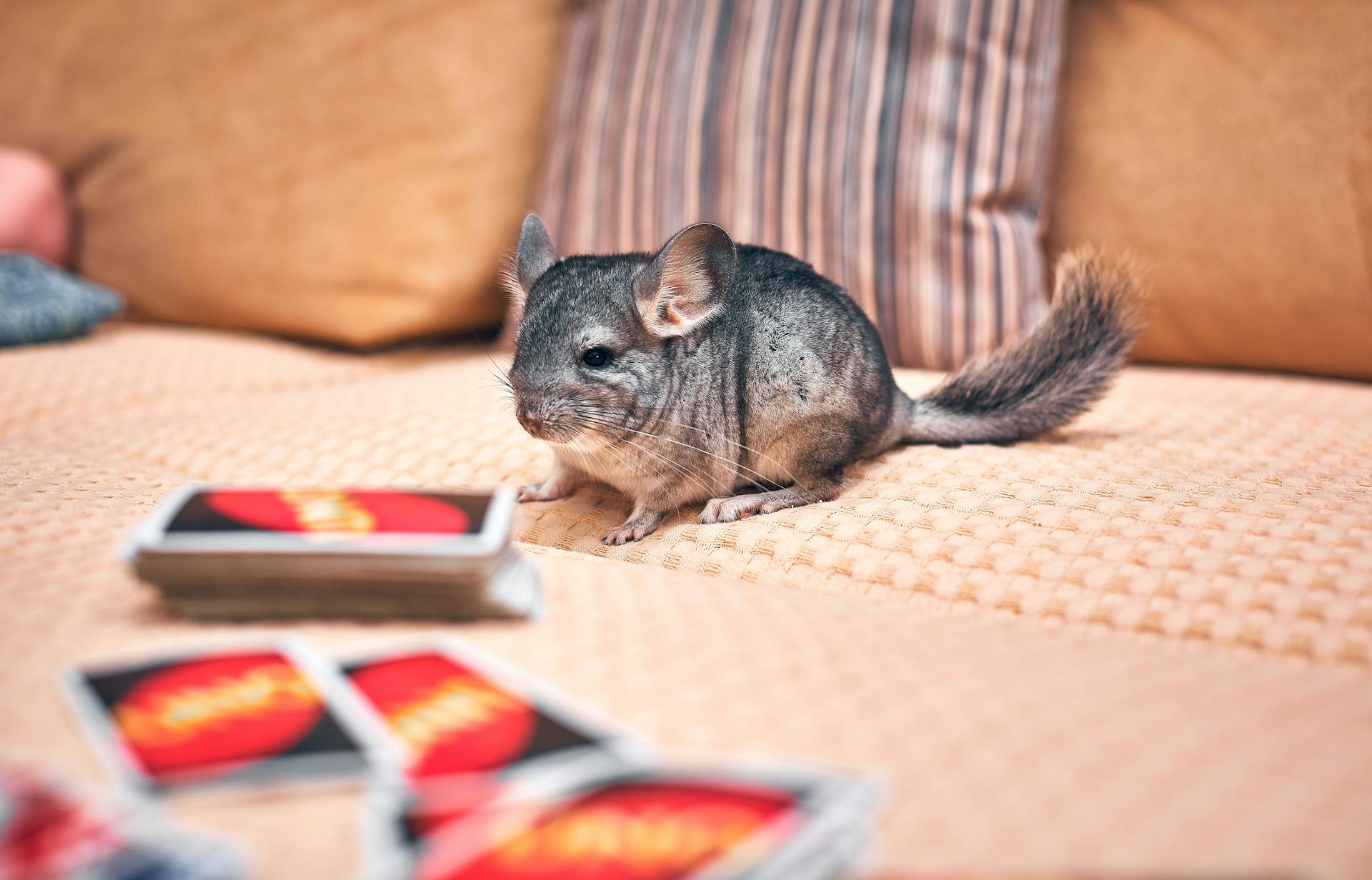
Chinchilla allergies in humans are often caused by allergens in their environment, not the chinchillas themselves. Dust from their bedding or dust baths is a common culprit.
Many people are sensitive to proteins found in animal saliva and urine, which can lead to allergic reactions. Dead skin cells, or dander, can also trigger allergies.
Chinchillas, like many pets, produce allergens that can trigger reactions. Substances in chinchilla saliva, urine, and dander often lead to allergic responses in sensitive individuals.
Saliva, urine, and dander are common allergens found in chinchillas. These substances can cause an allergic reaction in many pet owners.
Chinchillas have dander, which can be a significant contributor to allergies. This is contrary to the belief that chinchillas are hypoallergenic pets.
If you're keeping a chinchilla at home, you may experience allergic reactions when coming into contact with your pet or its cage. This can happen when feeding, cleaning, or simply being near their enclosure.
The proteins in chinchilla saliva and urine can cause allergic reactions in sensitive individuals. This is a common issue for many pet owners.
Chinchillas produce dander, which can exacerbate allergies. This is an important consideration for anyone considering bringing a chinchilla into their home.
Symptoms and Diagnosis
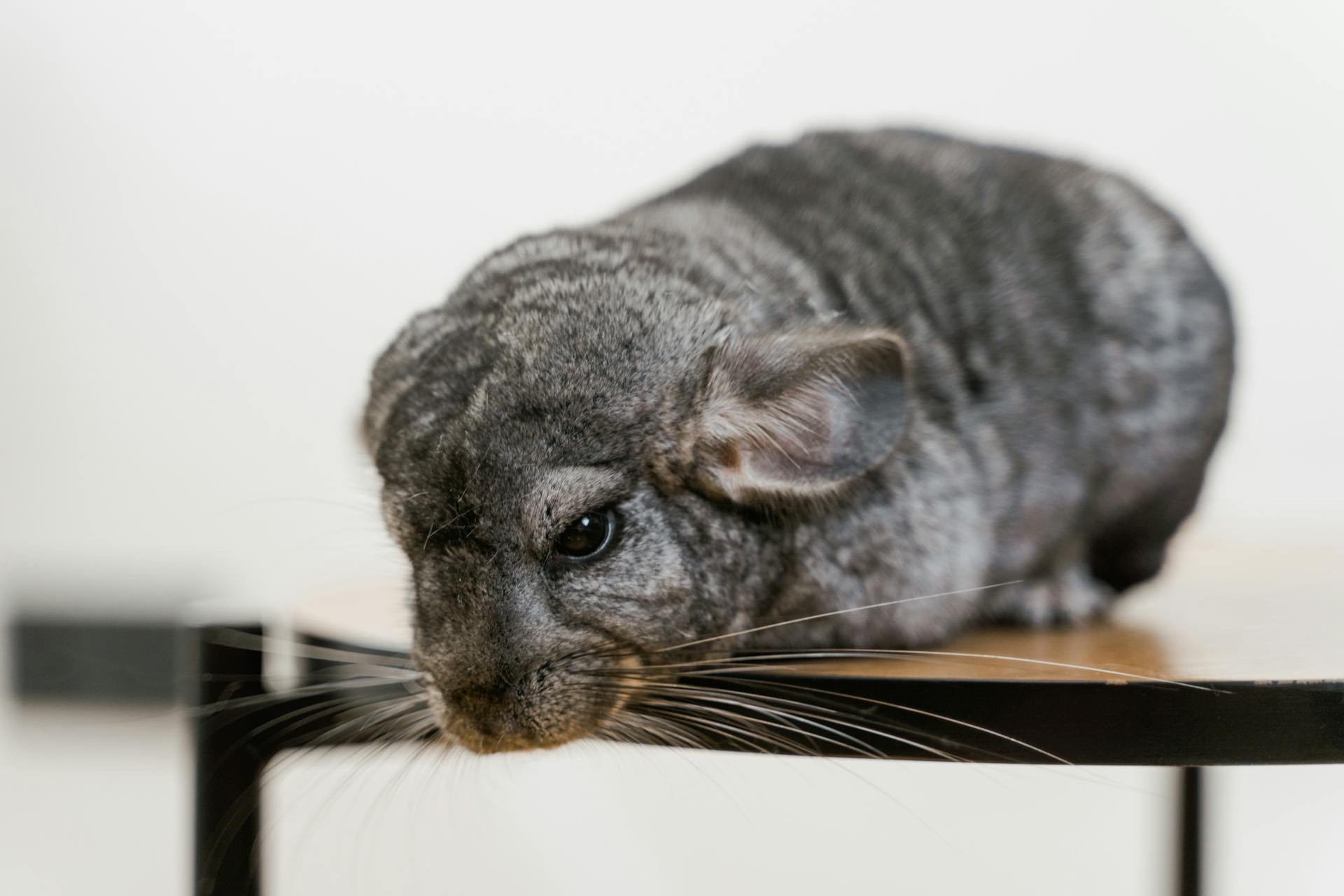
If you're allergic to chinchillas, you'll likely experience a range of symptoms. Common symptoms include runny nose, nasal congestion, coughing, facial swelling, and breathing difficulties.
Runny nose is one of the most common symptoms, and it can occur as soon as you enter a space where the pet is present. Nasal congestion can be severe and may require medication prescribed by a doctor.
Coughing is another symptom that can occur when you inhale allergens caused by a pet in the air. Postnasal drip is also a symptom you might experience if you're allergic to your pet.
Swelling on the face, especially under the eyes, is another symptom that can occur. Watery eyes are the most common symptom of all, and they can be quite uncomfortable.
If you experience any of these symptoms, it's essential to visit your doctor as soon as possible. They may prescribe an anti-allergy shot to calm down your allergies. In severe cases, they may suggest finding a new home for your pet.
To identify chinchilla allergies, recognize the symptoms and observe their occurrence in relation to exposure to chinchillas or their environment. If you notice these symptoms after handling your chinchilla or cleaning their cage, it's likely that you have an allergy.
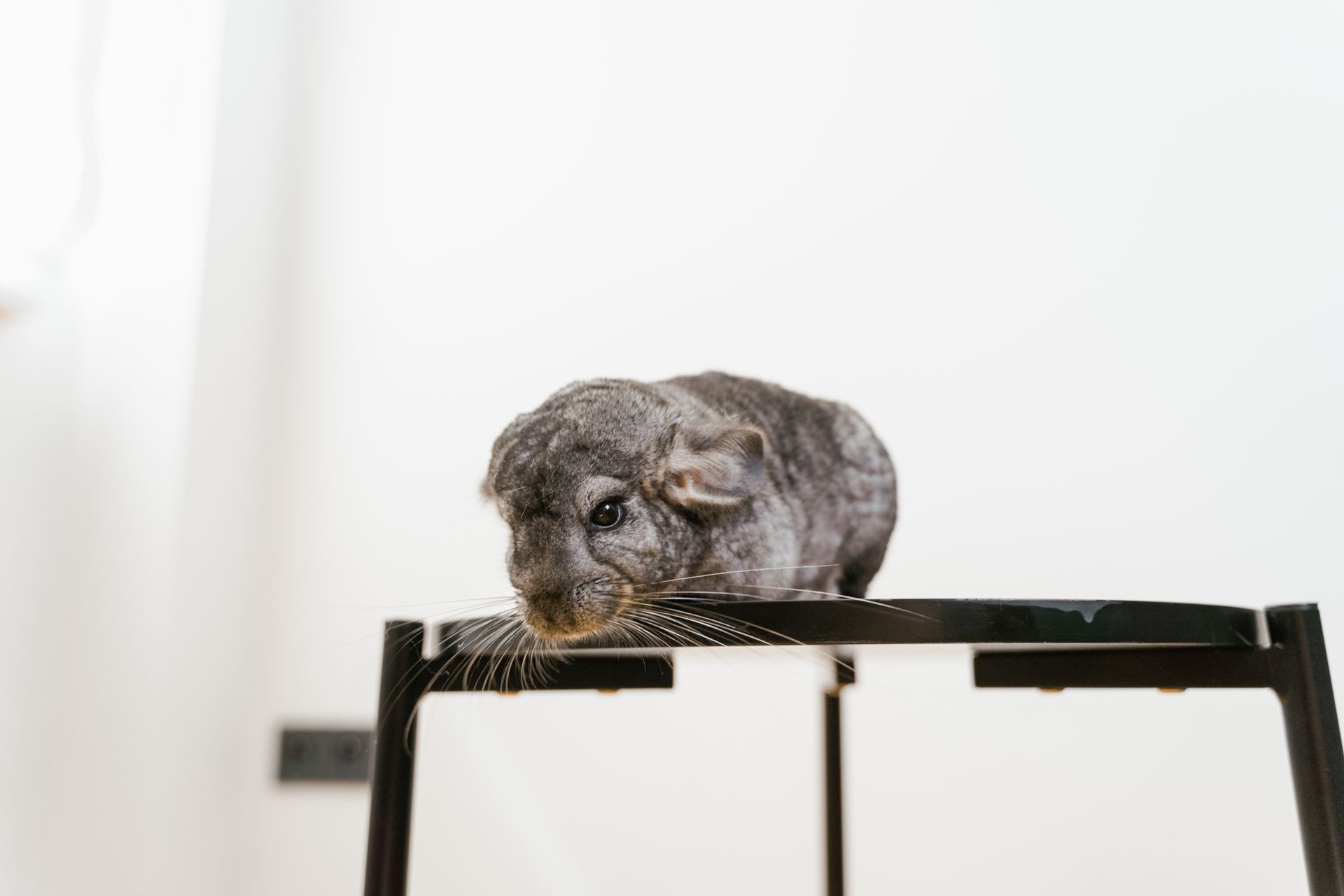
Here are the common symptoms of chinchilla allergies:
- Runny nose
- Nasal congestion
- Coughing
- Postnasal drip
- Facial swelling
- Watery eyes
- Difficulty breathing
Keep in mind that these symptoms are not exclusive to chinchilla allergies and can be caused by other allergens or health conditions. If you're experiencing these symptoms and suspect an allergy, consult with a healthcare professional for a proper diagnosis.
Managing Chinchilla Allergies
Chinchillas are not entirely hypoallergenic, but proper cage maintenance, use of specific bath sands, and maintaining proper ventilation can help reduce allergens.
Regular cleaning and vacuuming of the chinchilla's cage and surrounding areas will help keep dander levels low. This is especially important because chinchillas shed their fur every few months, releasing allergens into the air.
Chinchillas produce dander, urine, and saliva, which can cause allergic reactions in some people. Symptoms may include sneezing, itchy or watery eyes, runny nose, and skin rash.
You can be allergic to chinchillas, and symptoms can include sneezing, coughing, wheezing, red and itchy eyes, or skin rashes. The allergy is typically caused by proteins in the chinchilla's urine, saliva, or dander.
If you're allergic to chinchillas, it's essential to keep their cage clean, as dirty bedding can exacerbate allergies. Use safe bedding options like kiln-dried pine shavings, aspen shavings, or Carefresh, and avoid cedar, mixed wood shavings, scented bedding, synthetic bedding, corn cob, or cat litter.
Here are some tips to reduce allergens:
• Invest in an air filter for your home or the room where you keep your chinchilla.
• Keep your chinchilla in a separate room or area away from where people spend their time.
• Regularly clean and vacuum the chinchilla's cage and surrounding areas.
By following these tips and being mindful of your allergies, you can create a safe and healthy environment for both you and your chinchilla.
A fresh viewpoint: Best Bedding for Chinchillas
Prevention and Treatment
If you suspect you're allergic to chinchillas, the first step is to regularly clean your chinchilla's cage and surrounding areas to reduce dander and dust. Use hypoallergenic bedding materials to further minimize allergens.
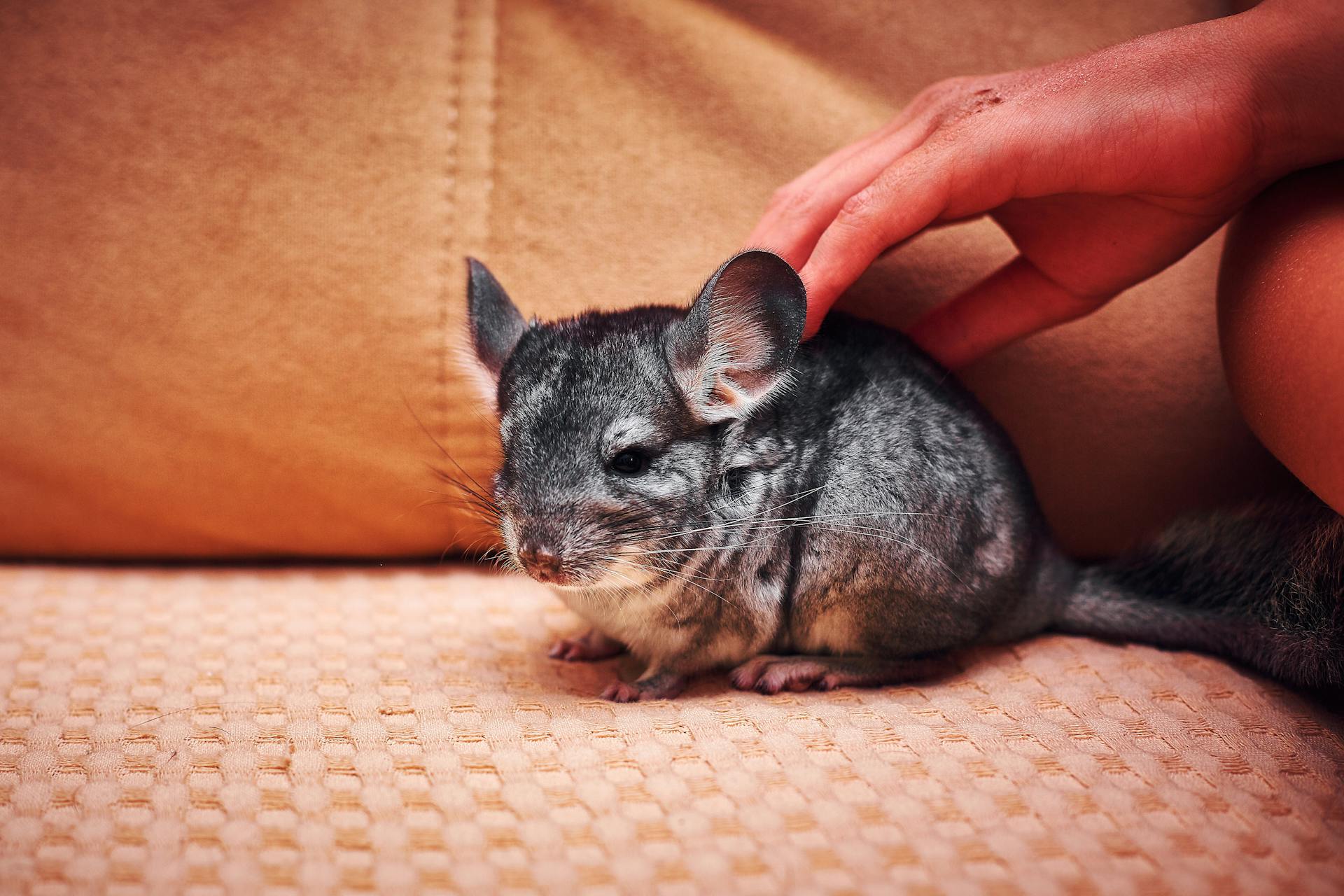
To manage symptoms, over-the-counter antihistamines, decongestants, or nasal sprays can be used. In severe cases, allergen immunotherapy, like allergy shots or tablets, may be recommended by an allergist to build tolerance.
Reducing exposure to allergens is key to preventing chinchilla allergies. This can be achieved by wearing a mask when handling your chinchilla or cleaning their cage, and washing your hands immediately after handling your pet to remove any allergens.
How to Prevent?
To prevent chinchilla allergies, start by keeping your chinchilla's cage and surrounding areas spotless. Regular cleaning reduces dander and dust, making it easier to breathe around your pet.
Using hypoallergenic bedding materials can further minimize allergens. This simple change can make a big difference in reducing allergy symptoms.
Wearing a mask when handling your chinchilla or cleaning their cage can also help prevent inhalation of allergens. This is especially important if you suspect you're allergic.
Washing your hands immediately after handling your pet removes any allergens that may have transferred to your skin. This is a quick and easy step that can make a big difference in preventing allergy symptoms.
Consulting with an allergist can help you explore medical prevention options. They can recommend medications or immunotherapy treatments to help desensitize your immune system to chinchilla allergens.
Worth a look: How Big Are Chinchillas
Good for People

Chinchillas can be a good pet option for people with allergies because they produce fewer allergens compared to cats and dogs.
They do not shed dander in the same way.
However, individual sensitivity varies greatly.
Living with a chinchilla can also be beneficial for people who value quiet companionship, as they are generally quiet animals.
Chinchillas are social animals and can form strong bonds with their owners, making them a great choice for people who want a furry friend.
Curious to learn more? Check out: Are Chinchillas Social Animals
Allergic Risks
You can get in contact with allergens just by touching your chinchilla, which can cause itchiness and make you feel the urge to rub your eyes or touch your skin.
Rhinitis, a condition that involves the mucous membranes in your nose getting inflamed, is a common risk of getting allergic to your chinchilla pet, accompanied by mucous discharge.
These allergies don't always affect you right away, and it can take weeks, months, or even years for the exposure to take effect, depending on your immune system.
If you're allergic to your chinchilla, symptoms can include sneezing, coughing, wheezing, red and itchy eyes, or skin rashes, typically caused by proteins in the chinchilla's urine, saliva, or dander.
The bedding material in a chinchilla's cage can often be a major source of allergens, such as wood shavings that produce dust and carry mould spores, or hay that carries dust and mould.
Regular cleaning and vacuuming of the chinchilla's cage and surrounding areas will help keep dander levels low, which is essential for reducing allergic reactions.
It's essential to remember that individual reactions can vary, and no pet is 100% hypoallergenic, including chinchillas.
Chinchillas themselves may not cause allergies, but their environment might, such as dust from their bedding or from their dust baths, which can trigger allergies in some people.
Chinchilla Allergy FAQs
Chinchillas are often perceived as hypoallergenic pets, but it's essential to grasp the reality behind chinchilla allergies.
Allergies related to these adorable creatures are more common than believed.
The reality is that chinchillas can trigger allergies in some people, and it's not just a myth.
Chinchilla allergies are often related to their fur, which can cause respiratory issues and skin irritation.
Their fur is made up of extremely fine, soft hairs that can easily become airborne and cause allergic reactions.
Chinchillas also produce dander, which is a common allergen that can exacerbate respiratory issues.
Some people may experience symptoms such as sneezing, runny nose, and itchy eyes when around chinchillas.
It's worth noting that chinchillas can also carry other allergens like dust and mold, which can further worsen allergy symptoms.
If you're considering bringing a chinchilla into your home, it's essential to take steps to minimize allergen exposure.
Regular cleaning and dusting can help reduce the amount of allergens present in your home.
Featured Images: pexels.com