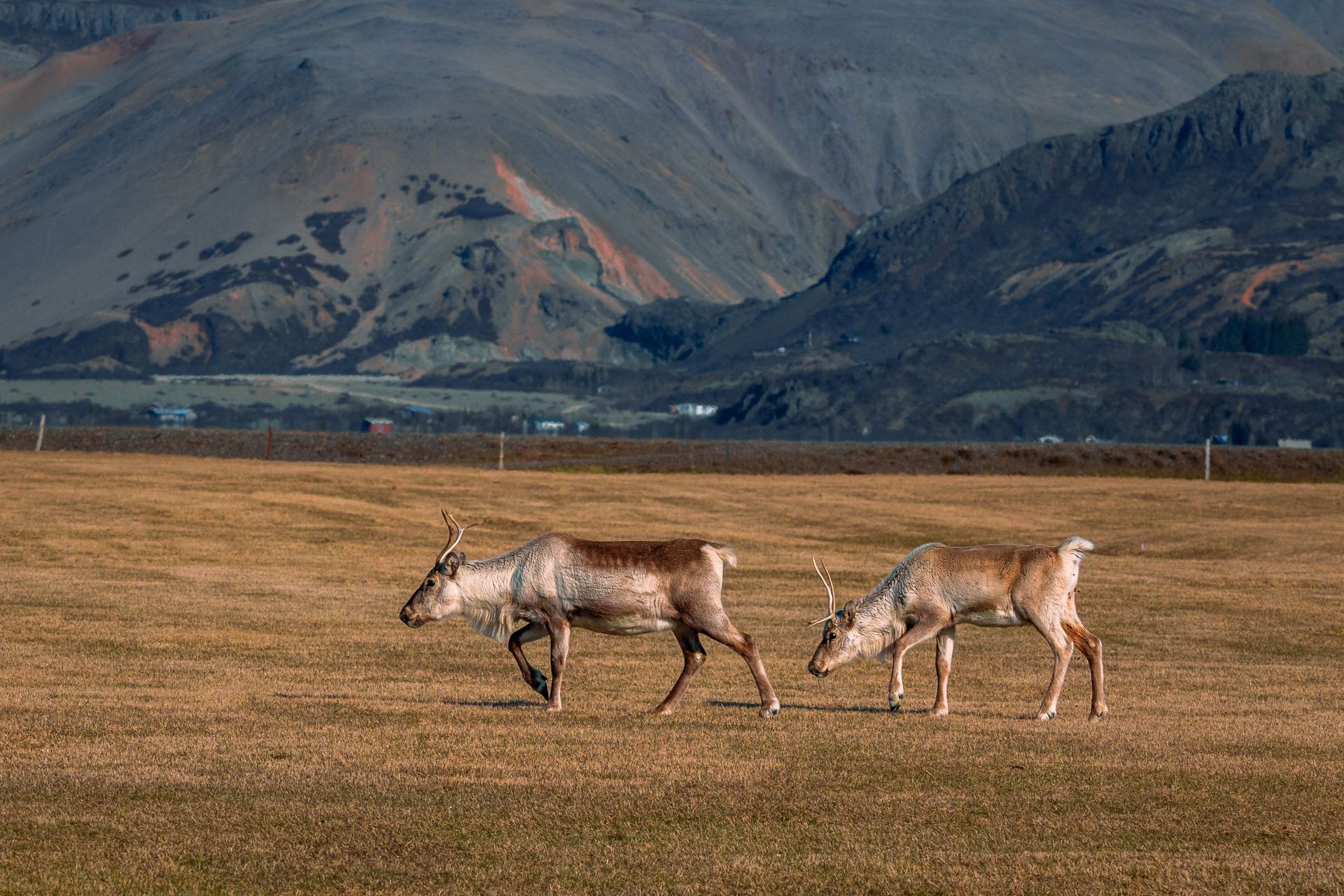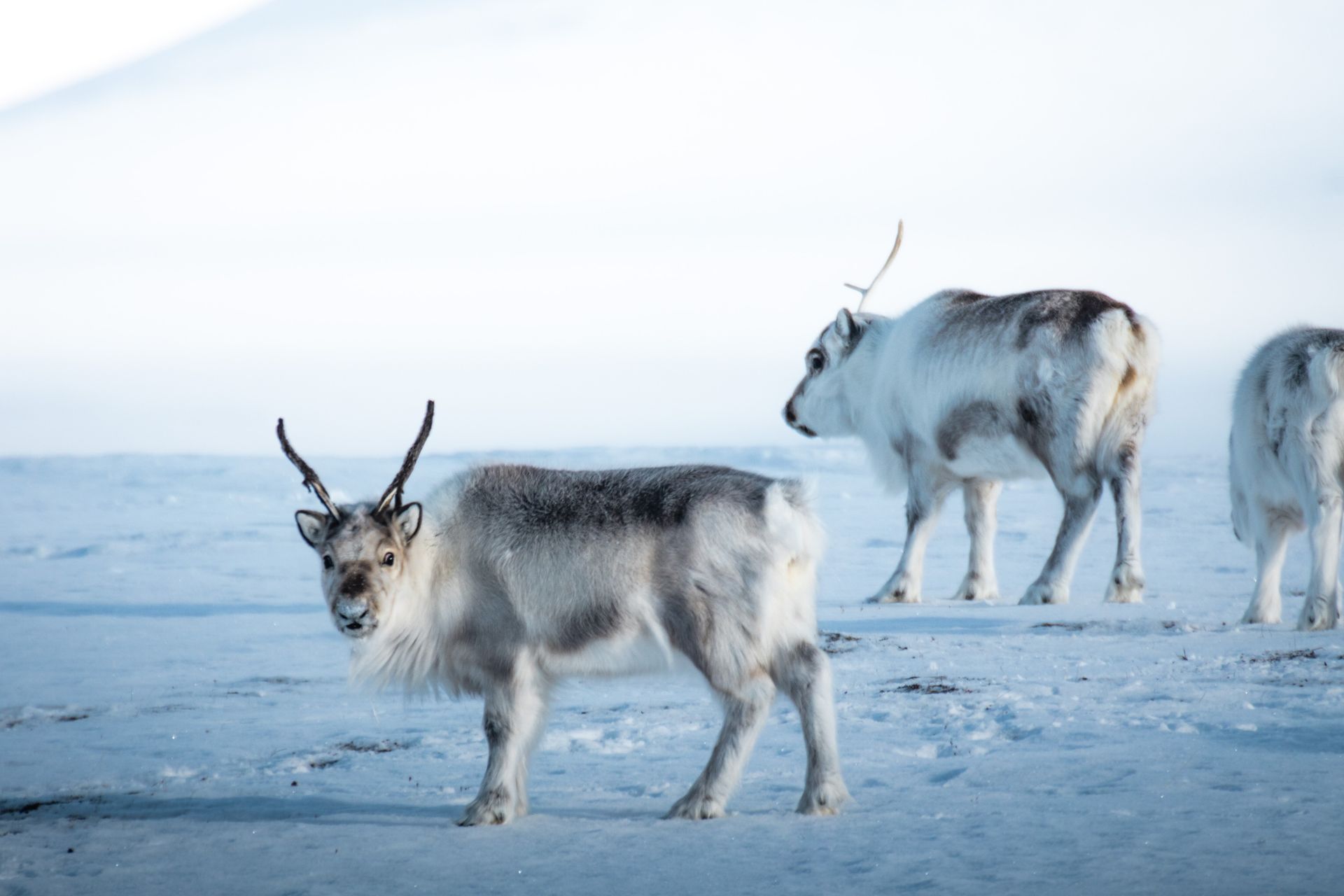
The barren ground caribou is an iconic species that's deeply connected to the Arctic landscape. They roam the tundra in herds, migrating thousands of miles each year.
These incredible animals have adapted to the harsh Arctic environment, with a thick coat of fur and a specialized circulatory system that allows them to survive in temperatures as low as -40°C.
Their migratory patterns are a testament to their resilience. They travel long distances in search of food and suitable habitats, often crossing rivers and navigating through challenging terrain.
Climate change is having a profound impact on the barren ground caribou population.
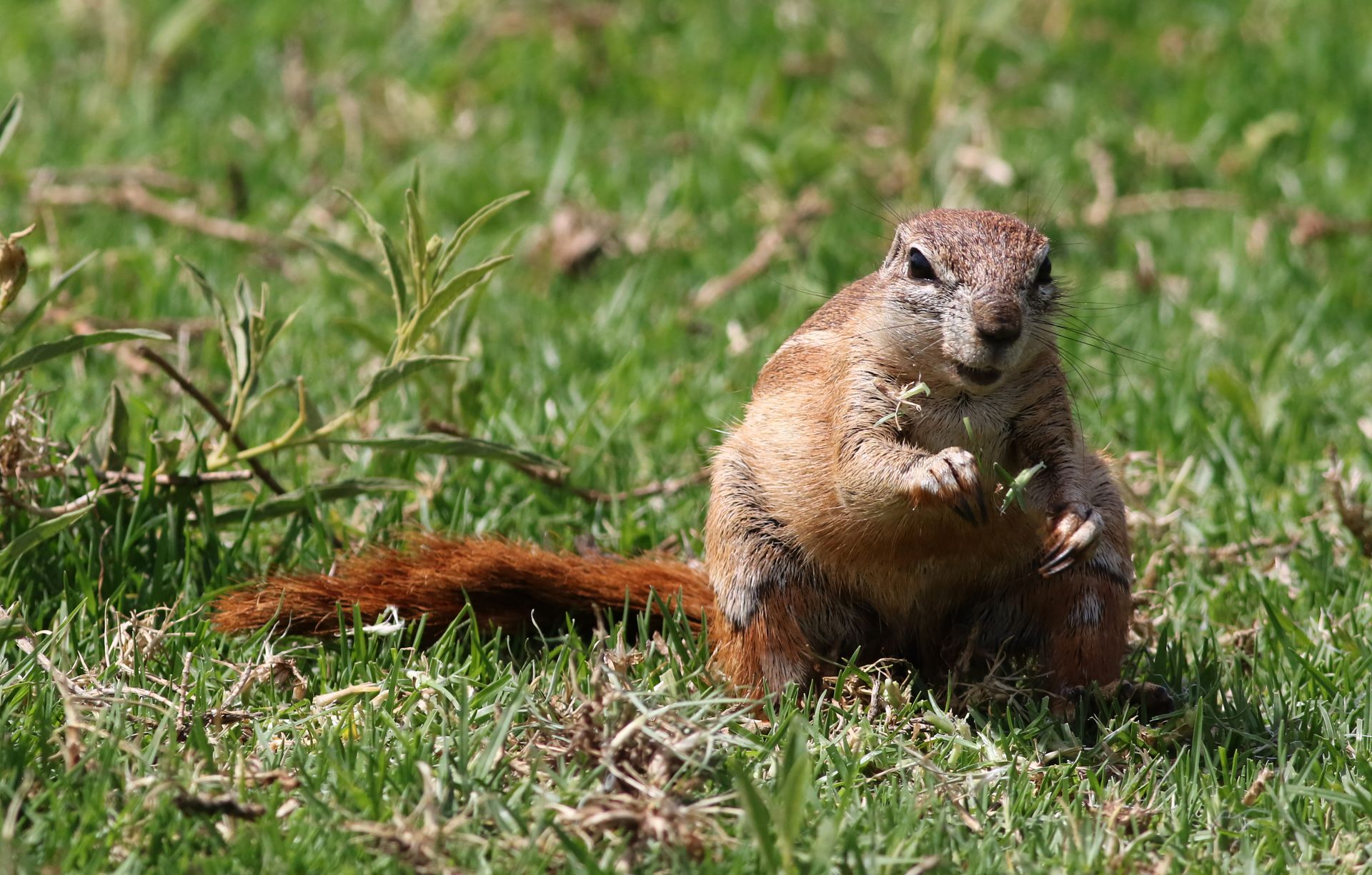
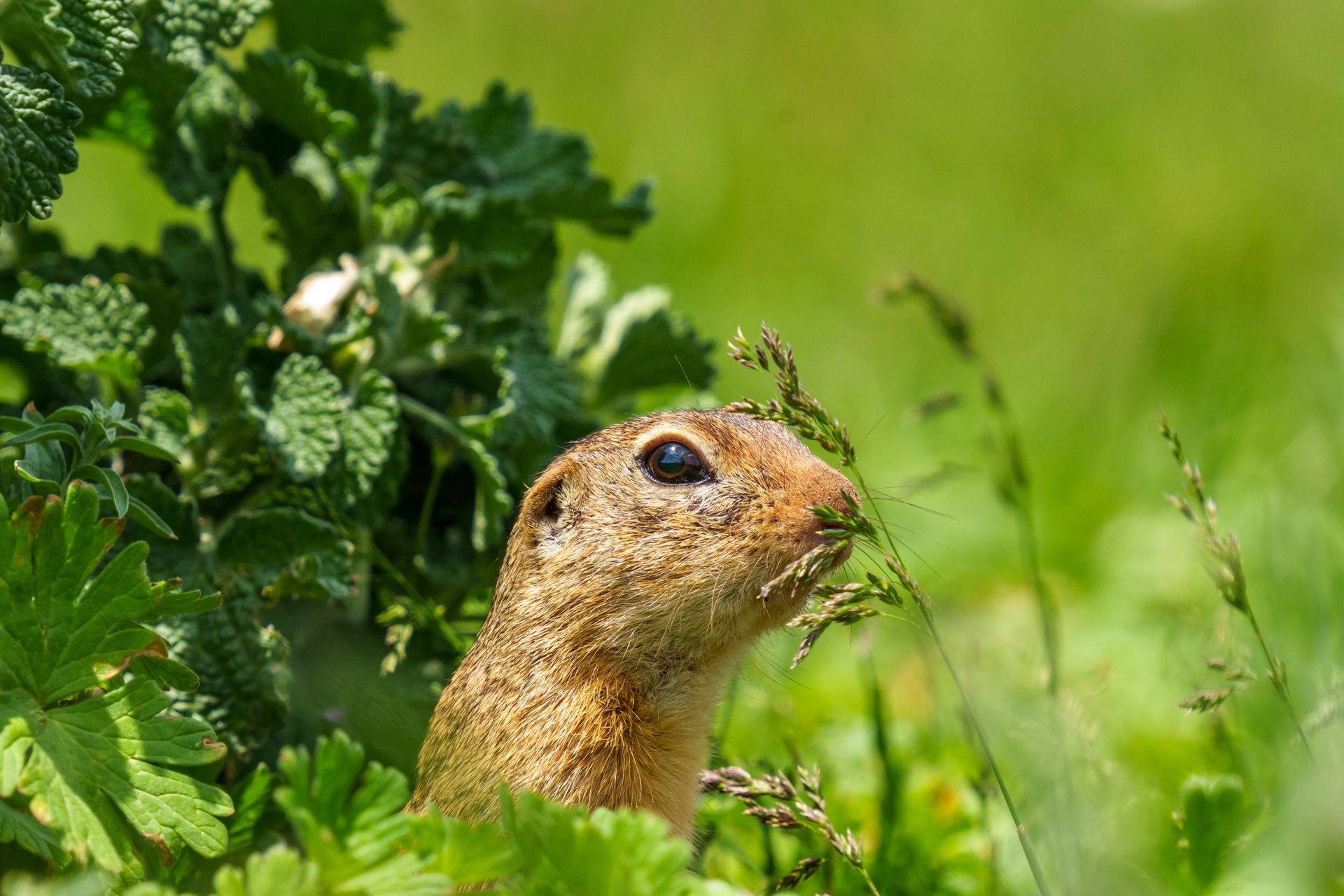
See what others are reading: Arctic Ground Squirrel
Population and Range
Barren-ground caribou are members of the deer family and can be found in the Northwest Territories. They have a striking white neck and mane, and a distinct band along the flank separating the brown back from the white belly.
Their average weight varies by sex, with females weighing between 85 to 135 kg (187 to 298 lb) and males weighing between 100 to 140 kg (220 to 309 lb). Barren-ground caribou are larger in size than the Dolphin and Union and Peary caribou.
The largest herd in Canada is the Qamanirjuaq herd, which ranges between Nunavut, the Northwest Territories, northern Manitoba, and Saskatchewan. It was estimated to number 288,000 animals in 2017.
The Bathurst herd, which ranges between the NWT and Nunavut, may have fallen from a high of 472,000 in 1986 to an estimated 8,200 in 2018, a decrease of more than 98%. The Porcupine caribou herd, on the other hand, was at a record high of 218,000 in 2017.
The top two herds (the Bathurst and Porcupine herds) travel about 1,350 kilometers (as the crow flies) between their summer and winter ranges. When migrating, they walk at about 7 km/hr, covering between 20 and 65 km a day.
There are nine distinct barren-ground caribou herds that spend all or part of their annual cycle in the taiga forests and tundra of the NWT mainland. Here's a list of these herds:
- Bathurst herd
- Porcupine herd
- Qamanirjuaq herd
- Bluenose East herd
- Bluenose West herd
- Caribou herd
- Delta herd
- Red bluffs herd
- Peel herd
Habitat and Biology
Barren-ground Caribou have immense cultural, spiritual, and economic importance to people in the Northwest Territories.
They are a keystone species that plays a crucial role in northern ecosystems.
These amazing animals migrate long distances northwards in the spring to their traditional calving grounds and southwards in the fall to their winter range.
Barren-ground Caribou give birth in places where they can minimize exposure to predators and maximize nutrition, such as open tundra and high, rocky areas.
In summer, they seek areas with high-quality grasses, sedges, shrubs, and mushrooms to eat and try to avoid insect harassment.
Caribou move around in winter to places where food – primarily lichen – is abundant and snow is shallow.
The ranges of most barren-ground caribou in the Northwest Territories have little to no human-caused disturbance, but the same downward trends or low population levels are being seen across the North.
Climate and Threats
Climate change has a significant impact on the barren-ground caribou population, with their status being listed as "special concern" in 2004 due to its effects.
Climate change is predicted to threaten the population in the immediate future, with changing conditions in the Arctic affecting their feeding habits.
Access to food and quality of food are also compromised, making it harder for the caribou to survive.
Additional reading: Population Distribution Pattern of Eastern Gray Squirrel
Climate Change
Climate change is having a profound impact on barren-ground caribou populations in Canada. Their numbers are dwindling due to changing climate conditions in the Arctic.
In 2004, the Canadian Government's Species at Risk registry placed barren-ground caribou under the status of "special concern". This was a result of climate change's negative impact on the population.
Changing climate conditions are predicted to threaten barren-ground caribou in the immediate future. The risks associated with climate change can impact feeding habits, access to food and quality of food.
Birthing rates and calf rearing are also being affected by climate change. This is making it harder for barren-ground caribou to survive and thrive.
The changing climate is also causing greater distances of migration for barren-ground caribou. Thinning ice during migration is another challenge they're facing.
Overcome the Odds
The caribou face many threats to their existence, including improper hunting practices, exploration and development, and roads, which are all connected to climate change.
Climate change is a major concern, as it affects the caribou's habitat and way of life. The Qamanirjuaq and Beverly herds are declining, and recent information points to continued declines.
The Bathurst herd has already plummeted from 470,000 in the mid-80s to about 6,100 today. This is a stark reminder of the impact of these threats.
The Indigenous People and communities that rely on these animals are facing incredible hardship. They have done so since time immemorial.
Without proper management, the Qamanirjuaq and Beverly herds could decline to the point of no return.
Conservation and Management
Conservation and Management efforts are underway to protect the barren-ground caribou population in the NWT. Co-management processes, established under land claim agreements, provide direction and advice to governments on management of caribou and habitat using traditional and scientific knowledge.
The GNWT works with Indigenous communities and organizations in southern parts of the NWT to manage barren-ground caribou. This cooperative approach is guided by two overarching documents: Taking Care of Caribou and the Northwest Territories Barren-ground Caribou Management Strategy.
Management plans have been developed for most of the Barren-ground Caribou herds in the NWT, including the Bluenose-East herd in the Sahtú, which has its own caribou conservation plan, Belare wı́lé Gots’ę́ Ɂekwę́. The Bathurst Caribou Range Plan helps decision-makers manage activities on the land in a way that supports the recovery of the Bathurst herd.
Here are some of the herds with management plans in place:
- Bluenose-East herd in the Sahtú
- Porcupine herd
- Beverly herd
- Qamanirjuaq herd
- Bathurst herd (Bathurst Caribou Range Plan)
The NWT Species at Risk Committee assessed the territorial status of Barren-ground Caribou in 2017 and listed them as Threatened in the NWT, with the exception of the Porcupine caribou herd, which was assessed as Not at Risk.
History of Threats and Management
The history of threats to conservation efforts is a long and complex one. One of the earliest recorded threats to wildlife was the overhunting of species for their fur and other body parts, which dates back to the 19th century.
The ivory trade, in particular, has been a major threat to elephant populations. In the 19th century, the demand for ivory led to widespread poaching, which continues to this day.
The introduction of non-native species has also had a devastating impact on native ecosystems. For example, the introduction of rabbits to Australia in the late 19th century led to widespread habitat destruction and the decline of native species.
The effects of climate change on wildlife populations have been well-documented, with many species struggling to adapt to changing environmental conditions. Rising temperatures, altered precipitation patterns, and increased frequency of extreme weather events have all taken a toll on wildlife populations.
Conservation efforts have been underway for centuries, with early efforts focused on protecting specific species or habitats. In the late 19th century, the first national parks were established in the United States, providing a safe haven for wildlife and protecting natural resources.
The development of modern conservation biology has led to a more comprehensive approach to conservation, with a focus on ecosystem management and the protection of biodiversity. This approach recognizes that species are not isolated entities, but are part of larger ecosystems that must be protected in order to ensure their survival.
Protection and Recovery
Barren-ground caribou are considered a threatened species in the Northwest Territories. In 2016, the Committee on the Status of Endangered Wildlife in Canada (COSEWIC) assessed Barren-ground Caribou in Canada as a whole as Threatened, including the Porcupine herd.
COSEWIC's assessment looked at all Canadian herds together. The Northwest Territories Species at Risk Committee (SARC) assessed the territorial status of Barren-ground Caribou in 2017, considering them as Threatened in the NWT, except for the Porcupine caribou herd, which was assessed as Not at Risk.
Barren-ground caribou, excluding the Porcupine herd, was listed as Threatened in the NWT under the territorial Species at Risk (NWT) Act in 2018. Management plans have been completed or are underway for most of the Barren-ground Caribou herds in the NWT.
An NWT recovery strategy is available, and measures to help the recovery and long-term sustainability of the herds include co-management activities related to harvest, habitat, and predation.
GNWT Movement and Population Tracking
The GNWT tracks caribou movements and population trends through regular aerial surveys and satellite telemetry.
These surveys are conducted every three years in collaboration with Indigenous government and organizations, the Government of Nunavut, renewable resources boards, and communities that depend on the herds.
The most recent surveys took place in 2021.
The GNWT also works with scientific and traditional knowledge experts to better understand pressures affecting caribou.
This includes supporting traditional knowledge and community-based caribou research and monitoring programs, such as the Tłı̨chǫ Boots on the Ground Caribou Monitoring Program and the Łutsel Kʼe Dene First Nation Moccasins on the Ground program.
Behavior and Migration
Barren ground caribou are highly adapted to their Arctic environment, but their migration patterns are being disrupted by changing climate conditions.
Their migration is dictated by the availability of lichen, which they need to survive.
Unpredictable climate conditions force them to migrate over longer distances, placing additional stress on the animals.
Warming weather conditions reduce ice thickness, making it difficult for caribou to cross rivers and lakes.
Effects on Migration
Migration patterns for barren-ground caribou are dictated by the availability of easily accessible lichen.
Increased migration distances due to unpredictable climate conditions put further stress on the caribou, requiring more energy to travel.
Warming weather conditions reduce ice thickness, making it difficult for caribou to cross rivers and lakes.
Unpredictable migration patterns fragment the migration habitat, creating obstacles that prevent caribou from accessing annual feeding and breeding grounds.
This makes it challenging for caribou to reach their traditional habitats, which has a ripple effect on the entire ecosystem.
Reduced ice cover creates a natural barrier that prevents caribou from migrating to their usual destinations.
Calving Season
Calving season is a critical period for barren-ground caribou, coinciding with the traditional blooming of lichen. This precise timing is essential for the survival of their young.
The phenological process, which is the study of the timing of natural events, is crucial for the caribou's survival. Barren-ground caribou have evolved to match their calving period with the blooming of lichen.
Climate change has disrupted this delicate timing, resulting in malnutrition among their young. This trophic mismatch has serious consequences for the population's reproductive rates.
Abnormal temperature variations linked to climate change have led to a mismatch between the caribou's calving period and the availability of lichen. This has severe impacts on their population's growth and stability.
Food and Predation
In the harsh Arctic environment, barren-ground caribou have a few key predators. Wolves are the primary predator of barren-ground caribou.
To help address the decline of caribou herds, the GNWT and Tłı̨chǫ Government developed a joint proposal for wolf management in the North Slave Region. The goal is to reduce wolf predation and increase caribou survival.
Reducing wolf predation is a crucial step in giving barren-ground caribou herds a better chance to recover.
Food Sources
Climate change has a significant impact on barren-ground caribou's access to food. Extreme weather conditions can cause an ice layer to form, blocking access to lichen, the caribou's main food source.
This ice layer makes it difficult for caribou to access their food, resulting in greater energy expenditure. They must work harder to reach the lichen locked beneath the ice.
Changes in climate can also alter the quality of lichen in the Arctic, making it less nutritious for caribou. This can lead to malnutrition and starvation.
Foreign plant species introduced by a changing climate create competition for caribou, further threatening their access to food.
Predation
Predation plays a significant role in the ecosystem, and wolves are a key predator in the North Slave Region. They primarily target barren-ground caribou.
The GNWT and Tłı̨chǫ Government have developed a joint proposal to address the decline of the Bathurst and Bluenose-East caribou herds. This proposal focuses on wolf management as a key factor in caribou recovery.
Reducing wolf predation can help increase caribou survival rates. By implementing wolf management strategies, these herds may have a better chance to recover.
Here are some key points about wolf management in the North Slave Region:
- Wolf management is a key component of the joint proposal between the GNWT and Tłı̨chǫ Government.
- The goal of wolf management is to support barren-ground caribou recovery.
Frequently Asked Questions
What is the difference between barren-ground caribou and woodland caribou?
Barren-ground caribou are smaller than woodland caribou, with prime stags weighing 200-225 lbs. and larger antlers relative to their body size.
What is barren-ground caribou?
The barren-ground caribou is a medium-sized caribou with distinct physical characteristics. It is smaller and lighter-colored than the boreal woodland caribou.
Is a barren-ground caribou the same as a porcupine caribou?
The Porcupine caribou is a subspecies of the barren-ground caribou, specifically R. tarandus groenlandicus. This subspecies is found in Alaska and northern Canada.
Featured Images: pexels.com