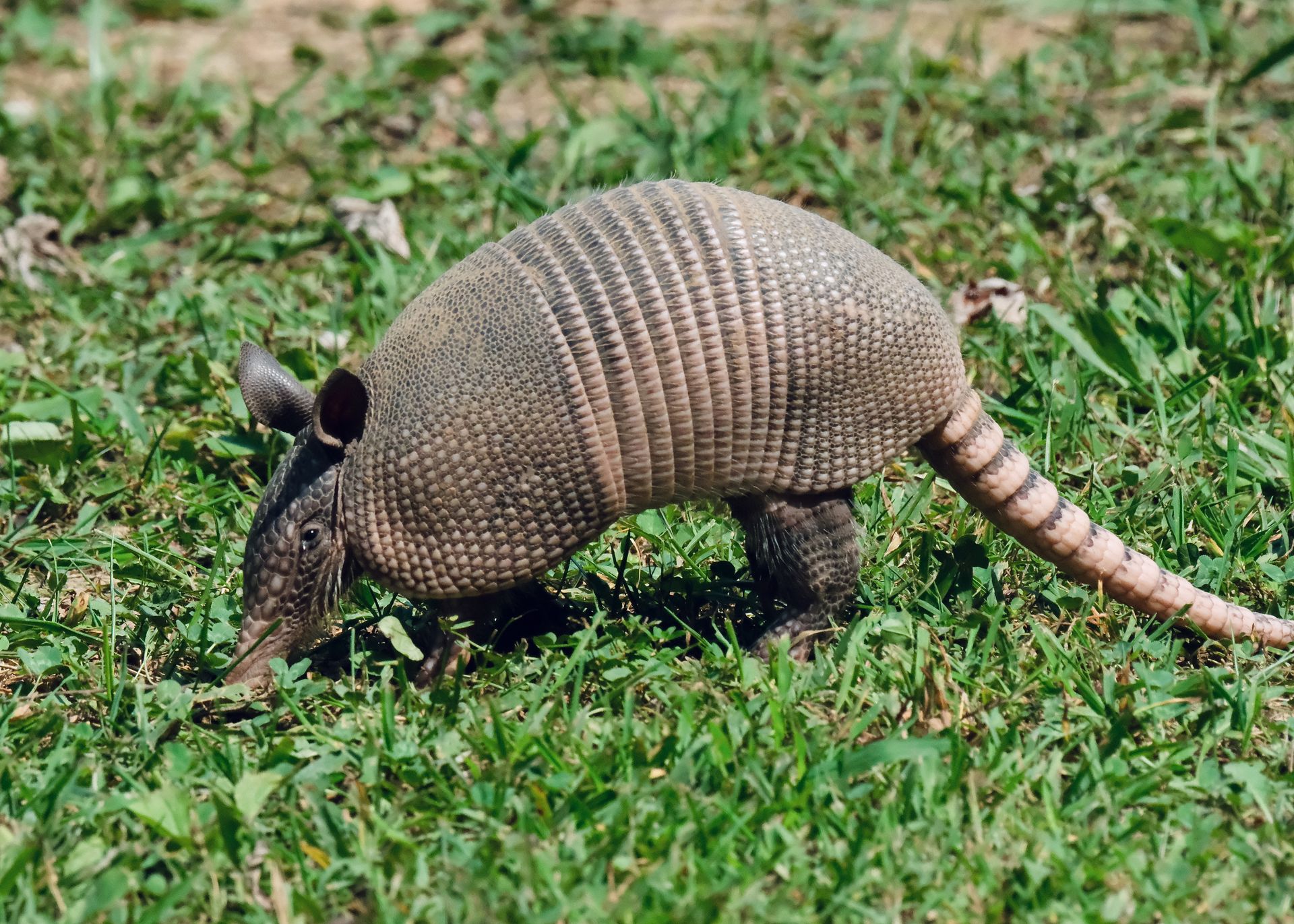
Armadillo girdled lizards are a unique and fascinating pet, but they require specific care and maintenance to thrive.
To start, armadillo girdled lizards need a spacious enclosure with a secure top to prevent escape, as they are skilled jumpers.
A temperature range of 75 to 90 degrees Fahrenheit is ideal for these lizards, with a slight drop in temperature at night.
They also require a diet rich in insects, such as crickets and mealworms, which should be gut-loaded before feeding.
A shallow water dish for soaking and a hiding place or two will help your armadillo girdled lizard feel secure and relaxed.
Care Basics
Armadillo girdled lizards have moderate care requirements, with specific needs for their environment, diet, and overall well-being. To keep them thriving, it's essential to provide the right conditions.
Maintaining proper humidity and temperature levels is crucial for their well-being. This means keeping their enclosure at a suitable temperature and ensuring the right humidity levels.
Here are the basic care requirements for Armadillo Girdled Lizards:
- Maintain proper humidity and temperature levels.
- Provide a balanced diet and clean water.
- Handle them gently to avoid stress and injury.
By following these care basics, you can help your Armadillo Girdled Lizard live a long and healthy life – up to 10-15 years in captivity, making them a long-term commitment.
Handling and Temperament
Armadillo Lizards are not known for being particularly handleable, they are shy and skittish, and prefer to avoid human interaction.
While they are hardy and can tolerate occasional handling, they are more of a "look but don't touch" pet.
Lighting
Armadillo lizards require UVA and UVB lighting to support their overall health and calcium metabolism. They need access to 10-12 hours of light per day.
A full-spectrum UVB light is a good choice for armadillo lizards, as it will provide them with the vitamin D3 they need to absorb calcium from their diet. A desert 10.0/10% UVB tube light is a suitable option.
Be sure to use a thermostat with a probe to regulate the temperature of the light, especially if you're using a heat bulb. This will prevent the basking spot from exceeding 120°F.
Nighttime tank temperature can drop to the low 60s, but you can use a 25 watt ceramic heat emitter connected to a thermostat to keep the tank around 65°F if your house gets colder.
Take a look at this: African Sideneck Turtle Tank Size
Enclosure Setup
When choosing an enclosure for your armadillo girdled lizard, size matters. A 20-gallon tank is suitable for one adult, but larger enclosures are better for providing enrichment.
A 20-gallon long tank is a good starting point, but you can always upgrade to a larger tank. For example, a 40-gallon long tank is recommended for two armadillo lizards, with an additional 10-gallons for each additional animal.
You'll want to provide plenty of climbing space, as they enjoy climbing on rocks and branches. Sturdy decorations are a must to ensure safety.
A dry, loose substrate like sand or a sand-soil mix is a good choice. Avoid substrates that can cause impaction if ingested.
Multiple hiding spots are essential to make your lizard feel secure. Use cork bark, rocks, or artificial caves to create a sense of safety.
Here's a summary of the enclosure setup requirements:
- Size: 20-gallon tank for one adult, larger enclosures for groups or enrichment
- Climbing Space: Provide sturdy decorations for climbing
- Substrate: Use a dry, loose substrate like sand or sand-soil mix
- Hiding Spots: Provide multiple hiding spots using cork bark, rocks, or artificial caves
Health and Maintenance
Armadillo girdled lizards thrive on a diet of insects like crickets, dubia roaches, and superworms. Dusting their food with calcium and vitamin D3 supplements is crucial for their proper nutrition.
To ensure their health, feed adults 2-3 times per week, adjusting portion sizes based on their appetite. This will help maintain their optimal weight and energy levels.
Maintain a proper humidity and temperature level to keep your armadillo girdled lizard happy and healthy. This can be achieved by ensuring the enclosure has the right balance of moisture and warmth.
A balanced diet and clean water are also essential for their overall health. Provide fresh water daily and clean the enclosure regularly to prevent the buildup of bacteria and other microorganisms.
Here's a quick rundown of the key factors to consider:
- Diet: Insects like crickets, dubia roaches, and superworms
- Supplements: Calcium and vitamin D3
- Feeding Schedule: 2-3 times per week, adjusting portion sizes based on appetite
- Humidity and Temperature: Proper balance to maintain optimal health
- Clean Water: Fresh water daily and regular enclosure cleaning
Health and Durability
Armadillo lizards are generally hardy, but their health can be influenced by their origin and the quality of their care.
They can be prone to respiratory issues if kept in environments with excessive moisture, so it's essential to maintain low humidity levels between 30-40%.
Femoral pore infections are also a common concern, characterized by swelling behind the pores on the underside of their back legs, general swelling of the back legs, and difficulty walking.
To prevent this, some keepers suggest adding sandstone in the tank so that they can scrape their femoral pores.
Armadillo lizards can live 10-15 years in captivity, making them a long-term commitment, but only if proper care is maintained.
Here are some key factors to consider for their health and durability:
By understanding these factors and taking the necessary precautions, you can help ensure the health and durability of your armadillo lizard.
Setup and Housing
For an armadillo girdled lizard, a spacious enclosure is essential. A 20-gallon tank is a good starting point, but larger tanks are always better for providing enrichment.
To ensure your lizard has enough space to climb, provide sturdy decorations like rocks and branches, and consider a larger tank if possible. Armadillo lizards enjoy climbing, but they're not fully arboreal.
For the substrate, it's best to use a dry, loose material like sand or a sand-soil mix. Avoid substrates that can cause impaction if ingested, like certain types of rocks.
To keep your lizard safe and secure, provide multiple hiding spots using materials like cork bark, rocks, or artificial caves. This will help them feel more at ease in their environment.
Here's a quick rundown of the minimum tank size requirements:
Armadillo Purchase Locations
It's best for beginners to find a pet armadillo lizard from a reputable private breeder. This is because buying from a wild source is now illegal without a permit.
Private breeders will be more expensive and difficult to find, but they provide healthier and easier-to-care-for lizards. Buying captive-bred individuals also helps their preservation in the wild.
Unfortunately, some armadillo lizards are still illegally smuggled for sale in the pet trade.
If this caught your attention, see: Pet Common Snapping Turtle
Price
The price of an armadillo lizard can vary greatly due to their limited availability.
Most species cannot be found at pet stores, so you may need to do some detective work to find one for sale.
East African species are the easiest to find and are significantly less expensive, ranging from $20 to $150.
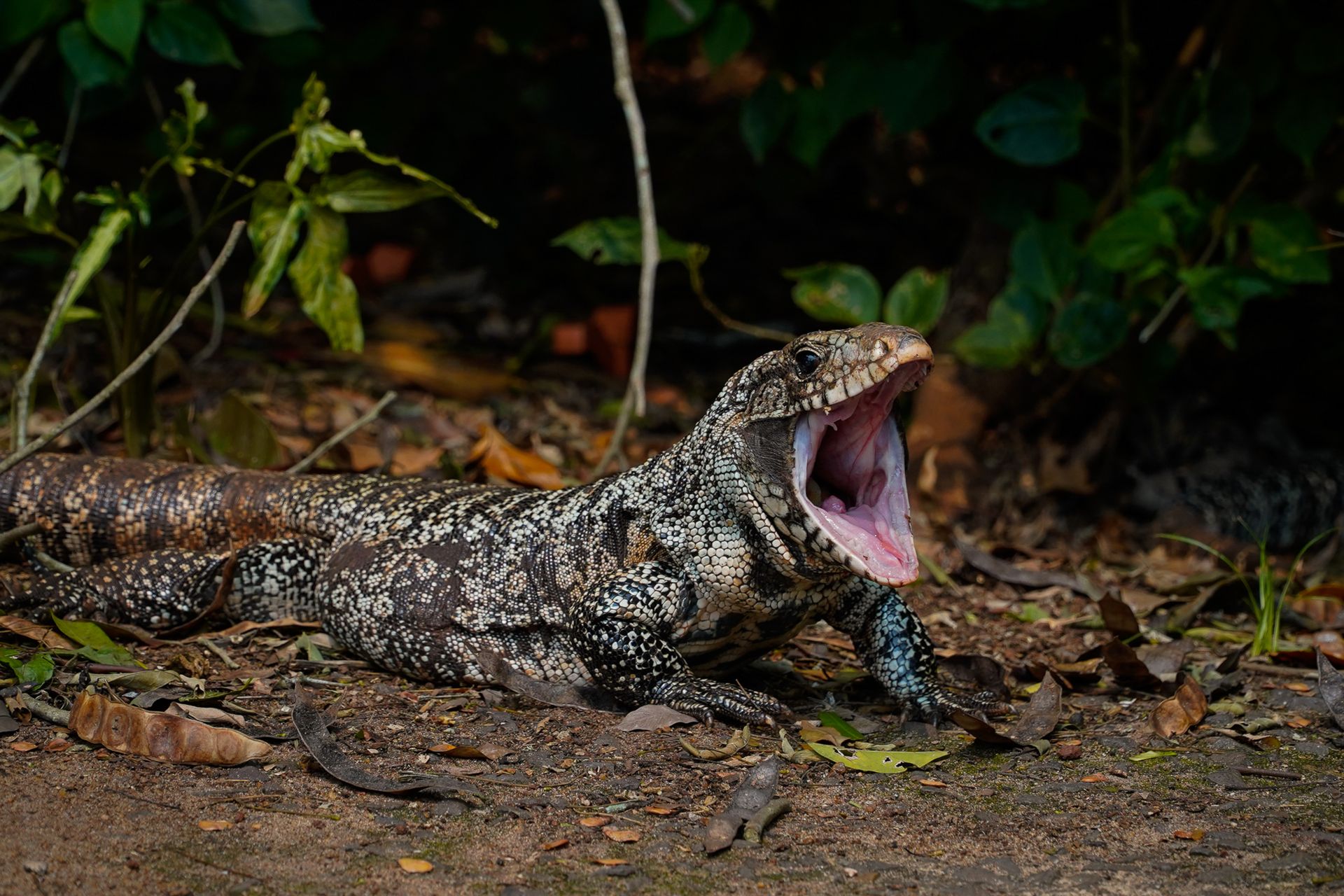
Armadillo girdled lizards, on the other hand, are extremely difficult to find and can be quite pricey, with one pair recently sold for $9,000 and another trio for $5,400.
Giant armadillo girdled lizards are also hard to find and can cost between $4,000 to $5,000 per individual.
The Limpopo girdled lizard is virtually impossible to find for sale in captivity.
Enclosure Setup
For an armadillo lizard, a 20-gallon tank is a good starting point, but a larger enclosure is always better for providing enrichment.
You'll want to include plenty of vertical space with sturdy decorations for your lizard to climb on. Rocks and branches are great options, but make sure they're secure and won't topple over.
A dry, loose substrate like sand or a sand-soil mix is a good choice, but avoid substrates that can cause impaction if ingested.
Provide multiple hiding spots using cork bark, rocks, or artificial caves to make your lizard feel secure.
Here's a quick rundown of the minimum requirements for a single armadillo lizard:
- Size: 20-gallon tank (or larger)
- Substrate: Dry, loose substrate like sand or sand-soil mix
- Climbing Space: Sturdy decorations like rocks and branches
- Hiding Spots: Cork bark, rocks, or artificial caves
Remember, these are just the basics - the more space and enrichment you can provide, the happier and healthier your armadillo lizard will be!
Frequently Asked Questions
Are armadillo girdled lizards legal to own?
No, owning an armadillo girdled lizard is not recommended due to its protected status. However, the pet trade is now illegal, which has helped stabilize populations.
Do armadillo lizards like to be held?
Yes, armadillo lizards are docile and enjoy being handled, especially with warm hands. Handling them regularly can even help strengthen their social bond.
What is the lifespan of armadillo girdled lizard?
The armadillo girdled lizard typically lives between 10-25 years in the wild. This species is known for its remarkable lifespan among lizards.
What do armadillo girdled lizards eat?
Armadillo girdled lizards primarily feed on small invertebrates like insects and spiders, with occasional plant material, and can be fed crickets in captivity. Their diet consists mainly of protein-rich food sources.
Featured Images: pexels.com