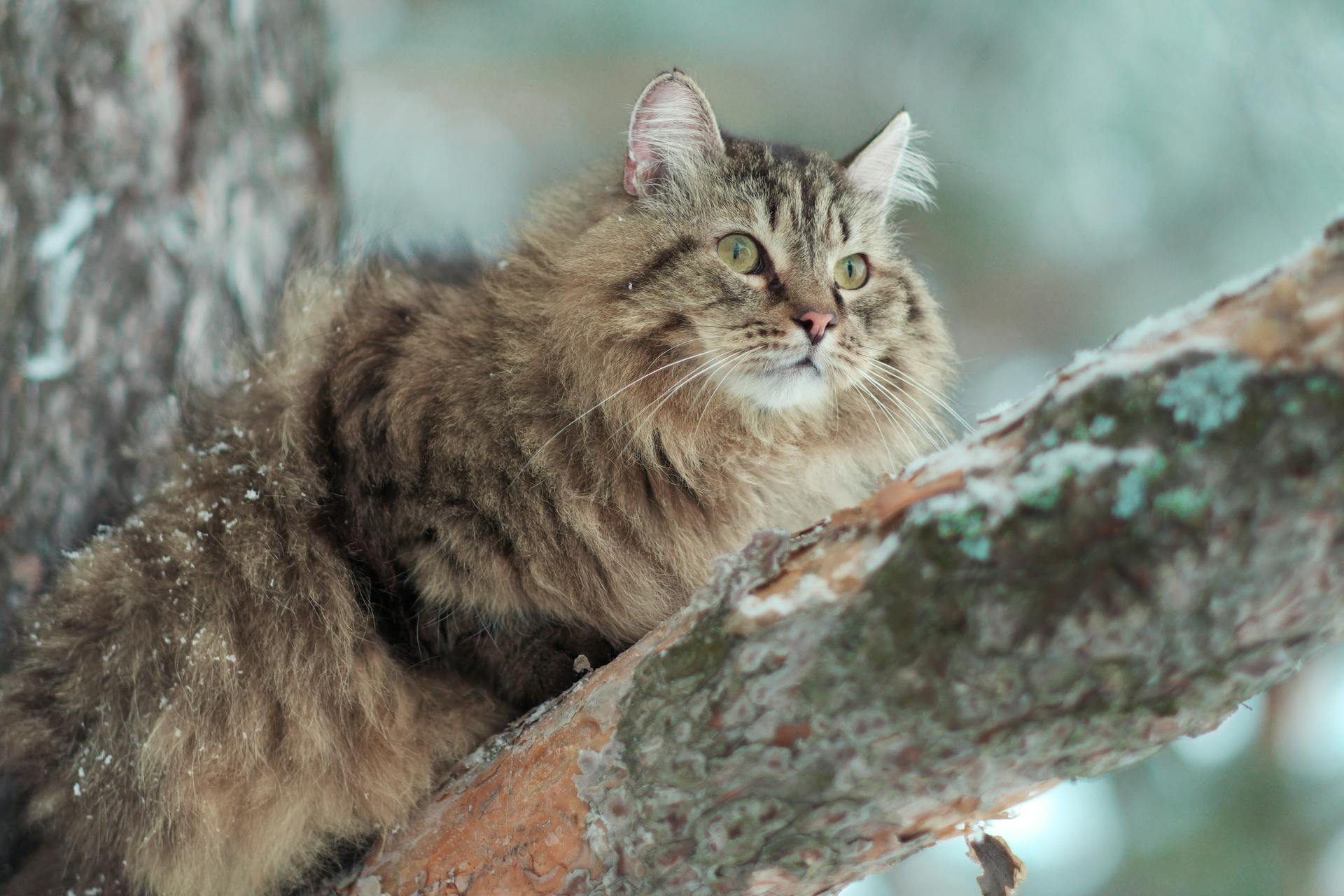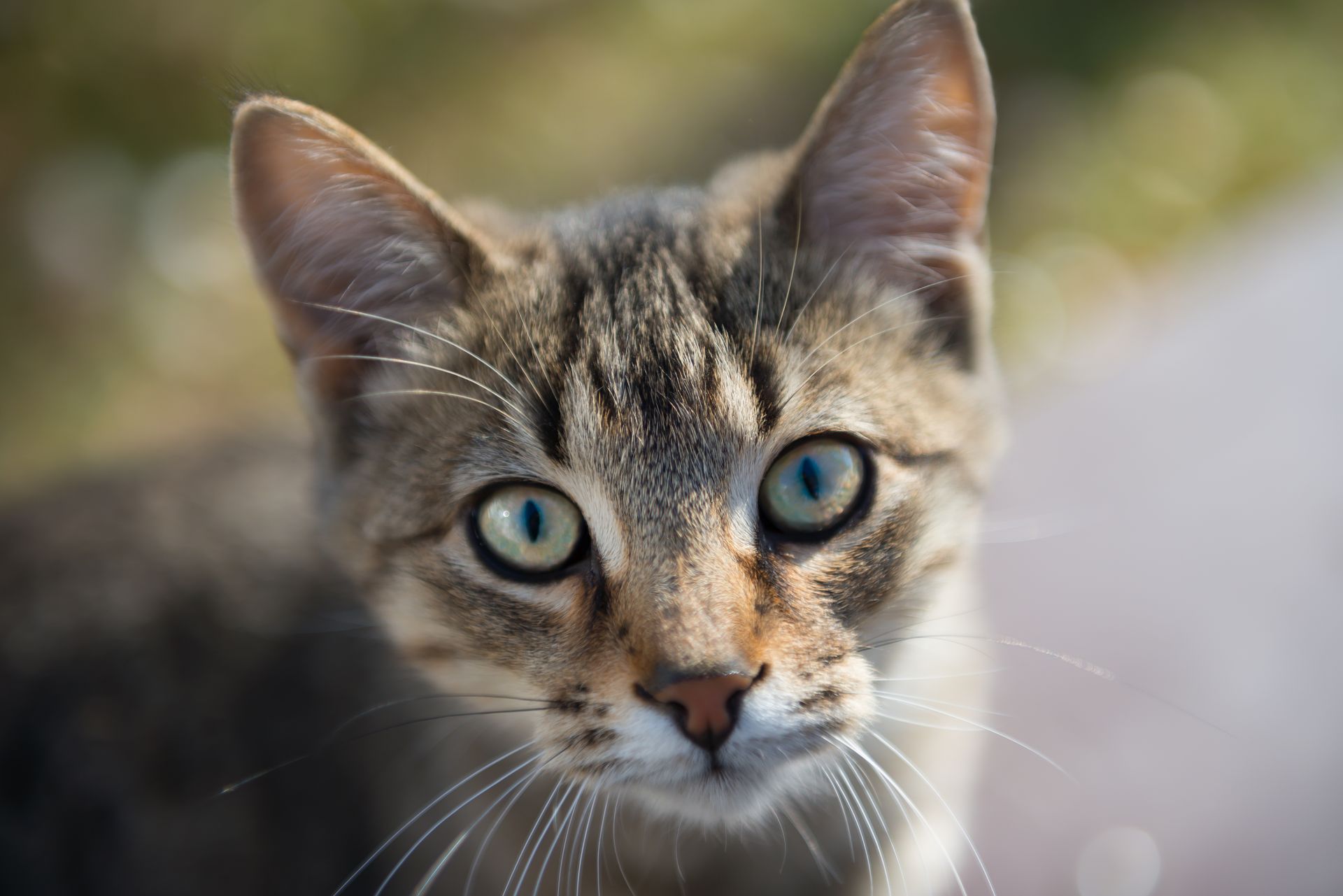
Tabby cats have a unique appearance that's hard to resist, but are they a good choice for people with allergies? One key factor to consider is their grooming habits. Tabby cats are known to be meticulous about their grooming, spending up to 30% of their waking hours cleaning themselves.
This self-grooming behavior can reduce the amount of loose hair and dander they produce, making them a slightly more manageable choice for allergy sufferers. However, it's essential to remember that all cats produce some level of dander, which is the primary culprit behind cat allergies.
While tabby cats may be a more suitable choice for some allergy sufferers, it's crucial to note that no cat is 100% hypoallergenic. Even with reduced dander, some people may still experience allergic reactions to tabby cats.
Understanding Allergies
Cat allergies are primarily triggered by a protein called Fel d 1, found in a cat's saliva, anal glands, sebaceous glands in their skin, fur, and to a lesser extent, urine.
Individual variation in allergic reactions plays a significant role, so what may trigger a reaction in one person might not affect another to the same degree.
The level of exposure, frequency of cat grooming, and even the cat's diet can influence the severity of allergic reactions.
Allergies can develop over time, even in individuals who have previously been tolerant of cats, making it difficult to predict whether a supposedly hypoallergenic cat will remain suitable for allergy sufferers in the long-term.
The symptoms of cat allergies include sneezing, nasal congestion, watery eyes, severe respiratory issues, and atopic dermatitis or eczema.
To manage cat allergies, consider using HEPA air purifiers, regular grooming, and cat allergen neutralizing sprays to break down Fel d 1 proactively in the air and on surfaces.
Some specialized diets, such as Purina Live Clear or Pacagen’s Cat Food Topper, can reduce Fel d 1 production, while allergy medications like antihistamines or other treatments can provide relief for severe reactions.
Here are some factors that can influence the severity of allergic reactions:
- The level of exposure.
- The frequency of cat grooming.
- Even the cat’s diet.
Managing Allergies: Beyond Breed Selection
If you're determined to have a feline companion despite allergies, consider the following strategies to minimize cat allergens and Fel d 1.
Regular Grooming is key. Brush your cat frequently to reduce shedding and the spread of Fel d 1.
Air Purifiers can help, but they shouldn't replace cleaning or grooming altogether. Use HEPA air purifiers to remove airborne allergens.
Cat Allergen Neutralizing Sprays can provide rapid relief. Our Cat Allergen Neutralizing Spray breaks down Fel d 1 proactively in the air and on surfaces.
Specialized Cat Food can also help reduce allergens. Some diets, like Purina Live Clear, can reduce Fel d 1 production, and Pacagen’s Cat Food Topper can be added to any diet with the same allergen-neutralizing technology.
Allergy Medications are also an option. Consult your doctor about antihistamines or other treatments for your cat allergies.
Here are some key points to keep in mind:
Hypoallergenic Breeds and Products
Some cat breeds are said to be less likely to trigger allergic reactions, but let's be real, no cat is 100% hypoallergenic.
These breeds include the Sphynx, Devon Rex, and Russian Blue, which have lower levels of the protein Fel d 1 in their saliva and skin.
The science behind hypoallergenic cats is that they produce fewer allergens, but it's not a guarantee that they won't trigger allergies in some people.
The Sphynx breed, for example, has a lower amount of Fel d 1 protein in their saliva and skin, making them a popular choice for those with allergies.
Devon Rex and Russian Blue cats also have lower levels of this protein, but it's essential to remember that every person's allergies are different.
Some products, like HEPA air purifiers and allergen-reducing sprays, can also help reduce the amount of allergens in your home and make it easier to care for a cat.
These products can be a game-changer for cat lovers with allergies, but they're not a substitute for a hypoallergenic cat breed.
Related reading: Hypoallergenic Cats Russian Blue
Avoiding Allergy Triggers
Washing your hands after petting your cat is crucial to avoid getting their allergens on your skin and face. This simple habit can make a big difference in reducing the risk of triggering an allergic reaction.
You should wash your hands thoroughly with soap and water to remove any cat dander that may have accumulated on your skin. This is especially important if you have a habit of touching your eyes, nose, or mouth after handling your cat.
Regular cleaning of your home, including vacuuming and dusting surfaces, can help reduce the amount of allergens present in the air. This can be a big help in minimizing your exposure to cat allergens.
Implementing a strict grooming routine for your cat, such as regular brushing or bathing, can also help reduce the amount of dander and saliva allergens. This can be a big relief for cat owners who suffer from allergies.
Maintaining proper ventilation in your home and using hypoallergenic bedding and upholstery can also help minimize exposure to cat allergens. This can be a big help in keeping your home a safe and comfortable space for both you and your cat.
If you're experiencing severe allergy symptoms, consider consulting with an allergist or immunologist for guidance on medications and treatments. They can recommend options such as antihistamines or corticosteroids to alleviate your symptoms.
In Conclusion
The truth about hypoallergenic tabby cats is that the concept remains inconclusive. Allergic reactions are complex and multifactorial, influenced by individual sensitivity as well as environmental and genetic factors.
While some people may claim that certain breeds are hypoallergenic, it's essential to consider your own allergy history and tolerance levels when choosing a cat. Rather than relying on breed labels, you should think carefully about the potential allergic reactions and overall benefits for both you and your cat.
Ultimately, the decision to bring a tabby cat into your home should be made thoughtfully, with full awareness of the potential allergic reactions.
You might enjoy: Allergic to Hypoallergenic Cats
Featured Images: pexels.com