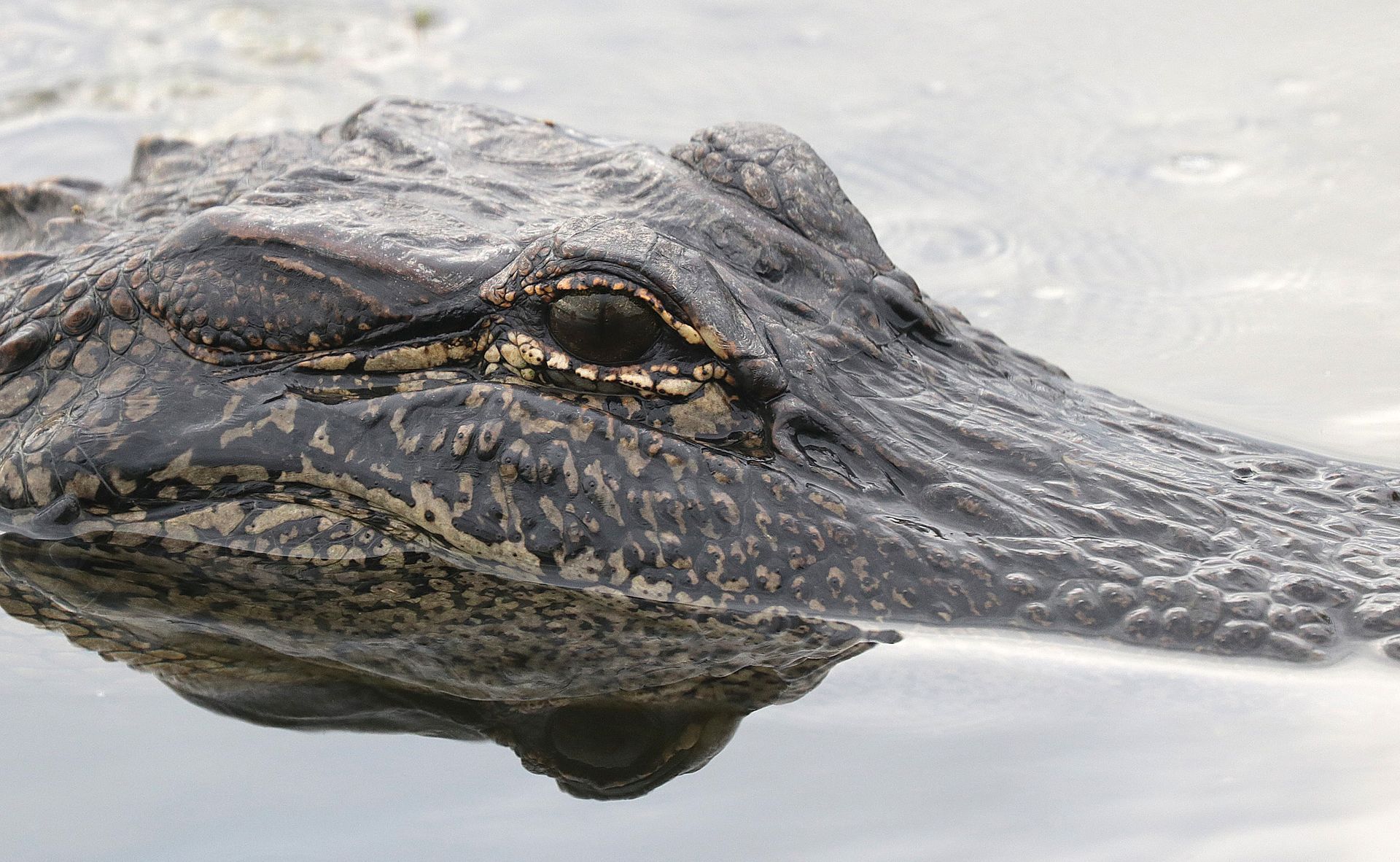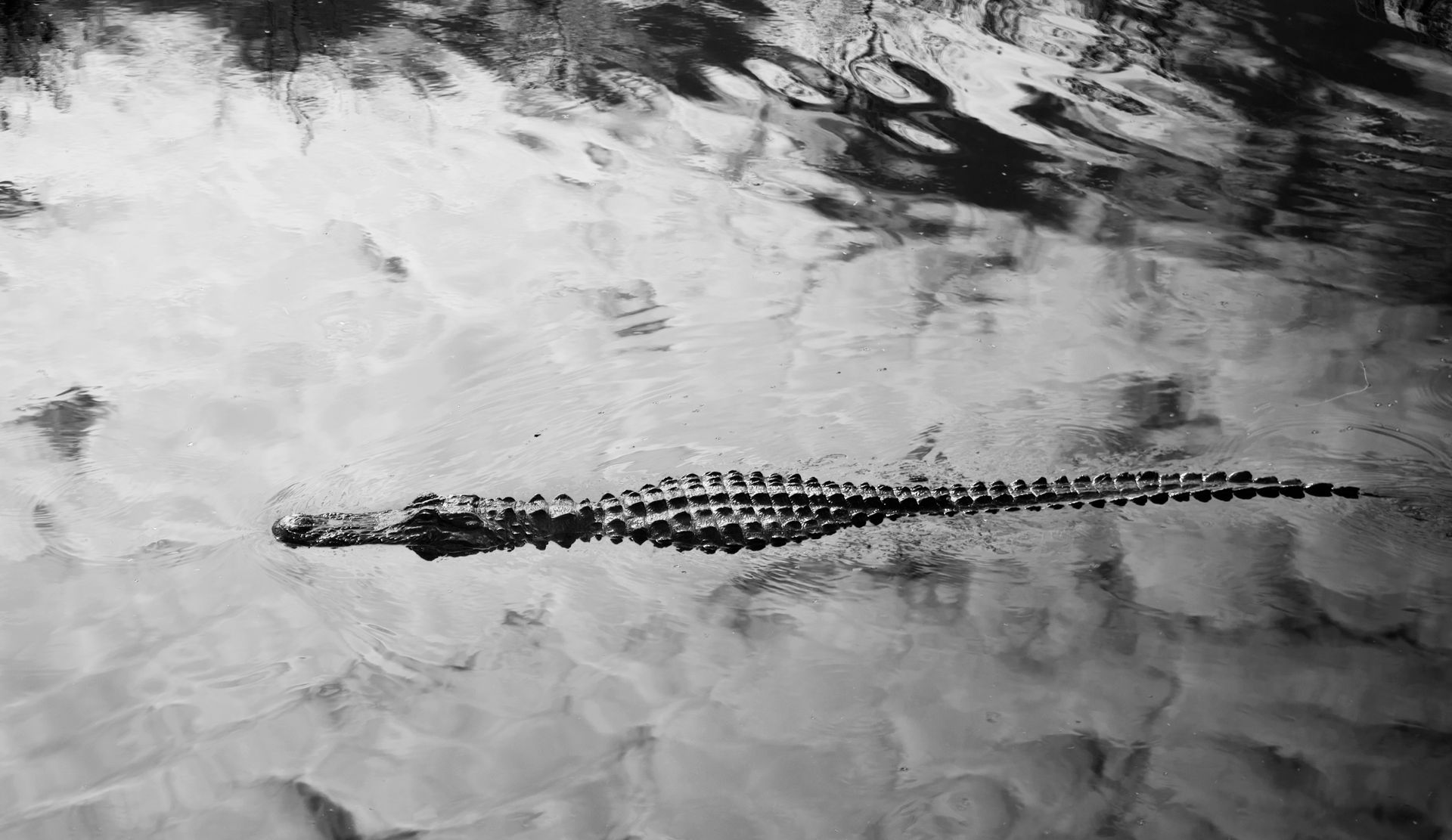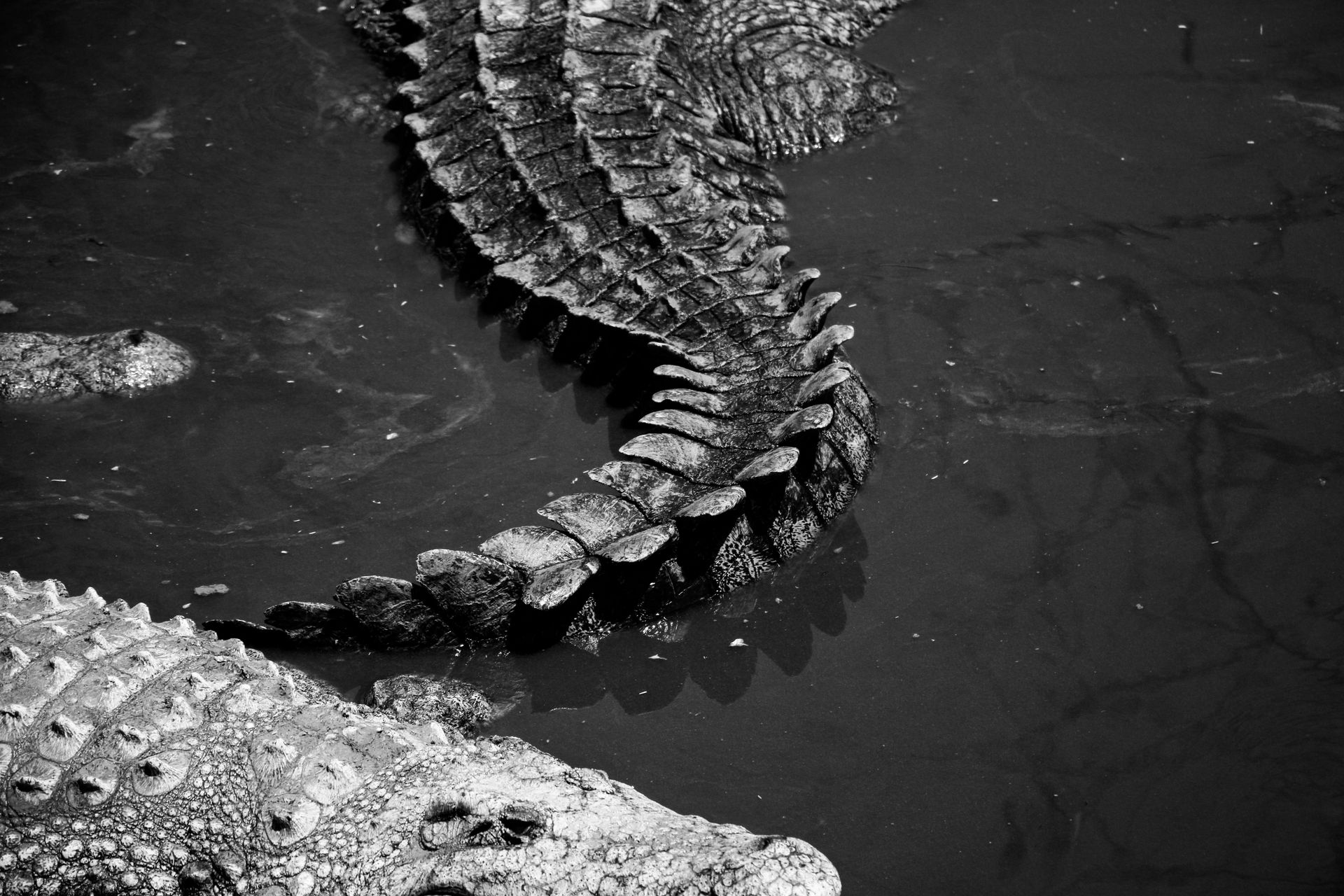
Alligators in Florida are often misunderstood as a significant threat to humans. They are actually quite shy and will avoid confrontations with people.
Florida has a large alligator population, with an estimated 1.3 million alligators statewide. This number is likely an underestimate, as many alligators live in remote areas and are not easily counted.
Most alligator attacks on humans in Florida occur in freshwater environments like lakes, rivers, and swamps. According to the Florida Fish and Wildlife Conservation Commission, 25 people were killed by alligators between 1948 and 2018, with the majority of attacks happening between 1948 and 1973.
A fresh viewpoint: Dogo Argentino Attacks on Humans
Prevention and Safety
It's essential to assume alligators are present in areas with water, especially in the "Deep South" where they're a prominent part of the local ecosystem.
You should never feed alligators, intentionally or unintentionally, as this can make them associate humans with food and create a dangerous situation. This includes disposing of food scraps, fish, or wildlife carcasses in or near water.
Recommended read: Do Alligators Eat Humans
Maintaining a safe distance from alligators is crucial, as they're faster than they look and will defend their young, nests, or mates with ferocity.
To avoid being bitten by an alligator, assume alligators are present, never feed them, and never harass or handle them. Not only is it dangerous, but it's also illegal.
Here are some essential tips to avoid alligators:
- Be aware of the possible presence of alligators when in or near fresh or brackish water
- Closely supervise children when they are playing in or around water.
- Never swim outside of posted swimming areas.
- Swim only during daylight hours. Alligators are most active between dusk and dawn.
- Do not allow pets to swim, exercise or drink in or near waters that may contain alligators or in designated swimming areas with humans.
- Never feed or entice alligators.
- Dispose of fish scraps in garbage cans at boat ramps and fish camps; do not throw them in the water.
- Observe and photograph alligators only from a safe distance.
- Never remove an alligator from its natural habitat or accept one as a pet. It is illegal and dangerous to do so.
The chances of being the victim of an unprovoked alligator attack are 1 in 3.1 million, but it's still essential to take the proper safety steps and be wary of alligators like your life depends on it.
Understanding Alligator Behavior
Alligators are generally not aggressive towards humans unless provoked or in certain situations. They often associate humans with food when people don't dispose of fish scraps properly.
Female alligators may protect their nests by hissing and opening their mouths to frighten intruders, but they rarely bite people. Alligator bites are most likely to occur in or around water, where they can lunge at prey within a few feet of the shoreline.
Alligator attacks are rare, with only 442 reported incidents between 1948 and November 2021, and only 26 resulting in human fatalities. The average is about seven alligator attacks per year, making them a relatively low risk in Florida.
Suggestion: Boerboel Attacks on Humans
Swim in Open Water
Swim in areas with clear water where you have a line of sight to the bottom.
It's better to avoid areas with high vegetation, as it makes it nearly impossible to see an alligator coming up on you.
You may accidentally stumble near a nest or surprise a resting gator, which would likely lead to some aggressive actions from the animal.
Clear water gives you a better chance to spot an alligator and get away quickly if needed.
Don't swim in areas with tangly plants hugging your legs, as you may find yourself tangled in a mess of weeds and roots that are difficult to manage.
Curious to learn more? Check out: Is Human Food Better for Dogs
Identify Key Indicators
If you see something on a log or bank, and it's gone the next second without a sound, be wary, as alligators often slide into the water silently.
Alligators are known to bellow loudly during mating season, which runs from April to June, so if you hear this noise, it's best to go the other direction and stay out of the water.
Alligator tracks resemble those of a large lizard or dinosaur, making them easy to spot.
If you stumble upon a nest built of vegetation, located on dry land very near the water, give it a wide berth, as alligator mothers can be extremely aggressive when protecting their young.
What Causes Attacks
Alligator attacks can be caused by a person's actions, even if they're not the one who took the action. For example, if someone doesn't dispose of their fish scraps properly, an alligator may learn to associate humans with food and become aggressive.
Most alligator attacks are preventable with some basic knowledge and caution. You can avoid being targeted by an alligator that's been trained to seek food from humans by following safety tips.
Female alligators may protect their nests by hissing and opening their mouths to frighten intruders, but rarely bite people. This behavior is a natural response to perceived threats.
Alligator bites are most likely to occur in or around water, where they can lunge at prey within a few feet of the shoreline.
Encountering an Alligator
Encountering an alligator can be a terrifying experience, especially if you're not prepared.
Alligators are ambush predators, meaning they lie in wait for unsuspecting prey to wander into their territory.
They can remain underwater for up to 45 minutes, making them nearly invisible in their natural habitat.
If you're in an area where alligators are known to exist, it's essential to keep a safe distance.
Alligators can run at speeds of up to 18 miles per hour, making them quick and agile on land.
If you encounter an alligator, stay calm and slowly back away, giving the animal a clear path to leave.
Attack Frequency and Statistics
Alligator attacks are relatively rare in Florida, with an average of seven incidents per year since 1948.
The Florida Fish and Wildlife Commission reports that between 1948 and 2021, there were only 442 alligator attacks, with 26 resulting in human fatalities.
In 2022, nine people received major bites from alligators, while two received minor bites, according to the Florida Fish and Wildlife Commission.
The likelihood of a Florida resident being seriously injured during an unprovoked alligator incident is roughly one in 3.1 million.
Over the last 10 years, Florida has averaged eight unprovoked bites per year that are serious enough to require professional medical treatment.
Alligator bites in Mississippi are also relatively rare, with most incidents resulting in minor injuries.
For more insights, see: Dog Flea Bites Pictures on Humans
Response and Aftermath

If you encounter an aggressive alligator in your neighborhood, don't panic. The Florida Fish and Wildlife Conservation Commission has a toll-free Nuisance Alligator Hotline at 866-392-4286 for situations like this.
To qualify for assistance, the alligator must be at least 4 feet in length and pose a threat to people, pets, or property. Smaller alligators that end up in unexpected places like swimming pools or garages also need to be removed.
If you're concerned about an alligator, the FWC will dispatch a highly trained nuisance alligator trapper to resolve the situation. Just remember, these trappers are the experts, and you shouldn't try to handle alligators yourself.
What to Do If
If you spot an alligator in your neighborhood, don't panic. Call the Florida Fish and Wildlife Conservation Commission's toll-free Nuisance Alligator Hotline at 866-FWC-GATOR (866-392-4286).
For an alligator to be considered a nuisance, it must be at least 4 feet in length and pose a threat to people, pets, or property.
If the alligator is smaller but still in an inappropriate location, such as a swimming pool or garage, it still needs to be removed.
A unique perspective: Woman Killed by Alligator Walking Dogs
What to Do If Bitten
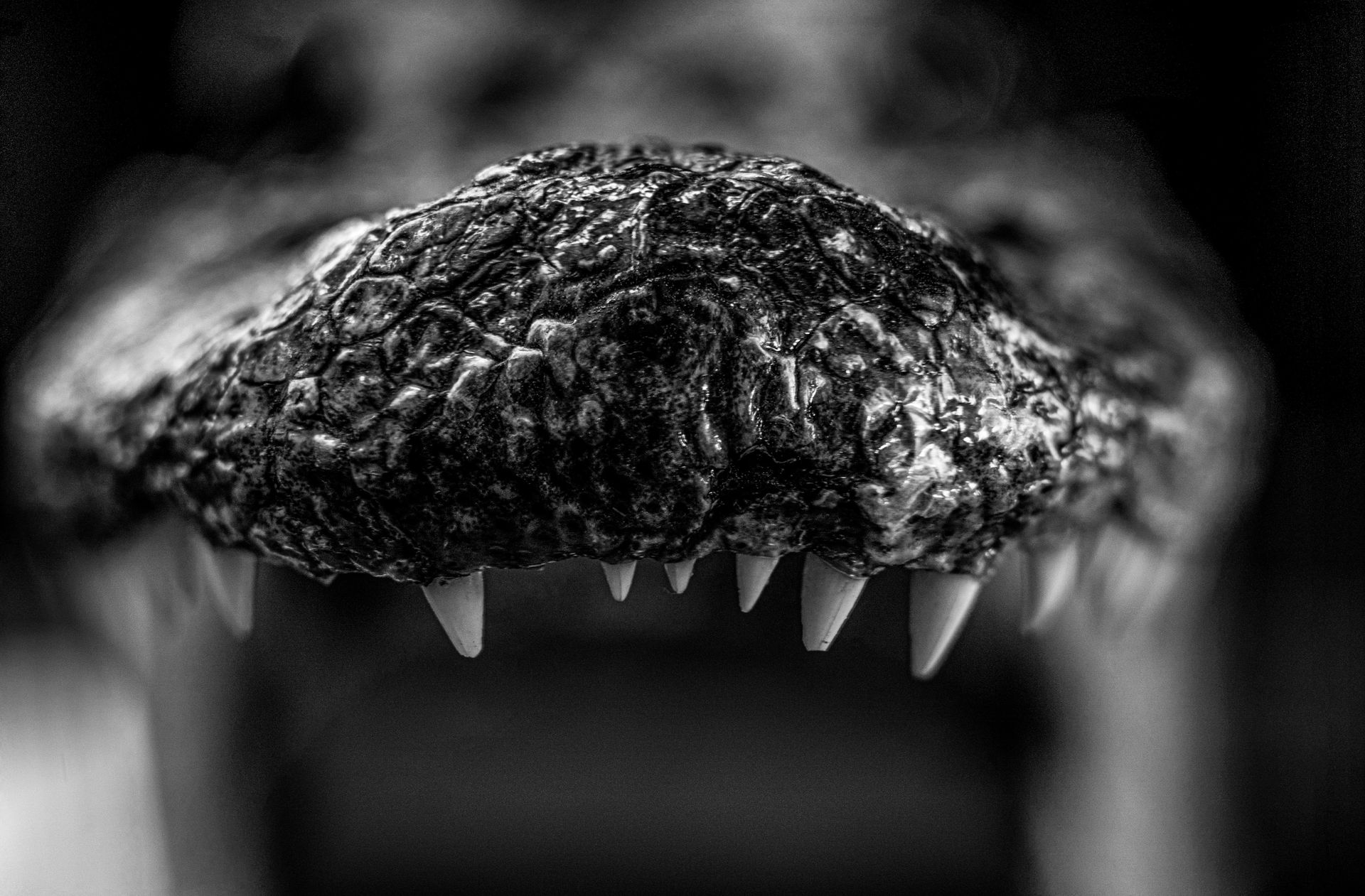
If you're bitten by a snake, wash the wound with soap and water as soon as possible to prevent infection.
The venom from a snake bite can spread quickly, so it's essential to get medical attention right away.
Snake venom can cause bleeding, swelling, and pain at the bite site, but prompt treatment can minimize these effects.
Antivenom, if available, is the most effective treatment for a snake bite.
Keep the affected limb below heart level to slow down the spread of venom.
If you're bitten by a snake, try to remain calm and still, as moving around can increase the spread of venom.
You might enjoy: Horses That Bite Humans
Near Emergency
If you're near an alligator, stay calm and maintain a safe distance. Never approach an alligator, as it may attack if it feels threatened or cornered.
Alligators are more likely to approach humans if fed by one, which is why it's illegal to do so in many states. This can create a dangerous situation, as alligators associate humans with food.
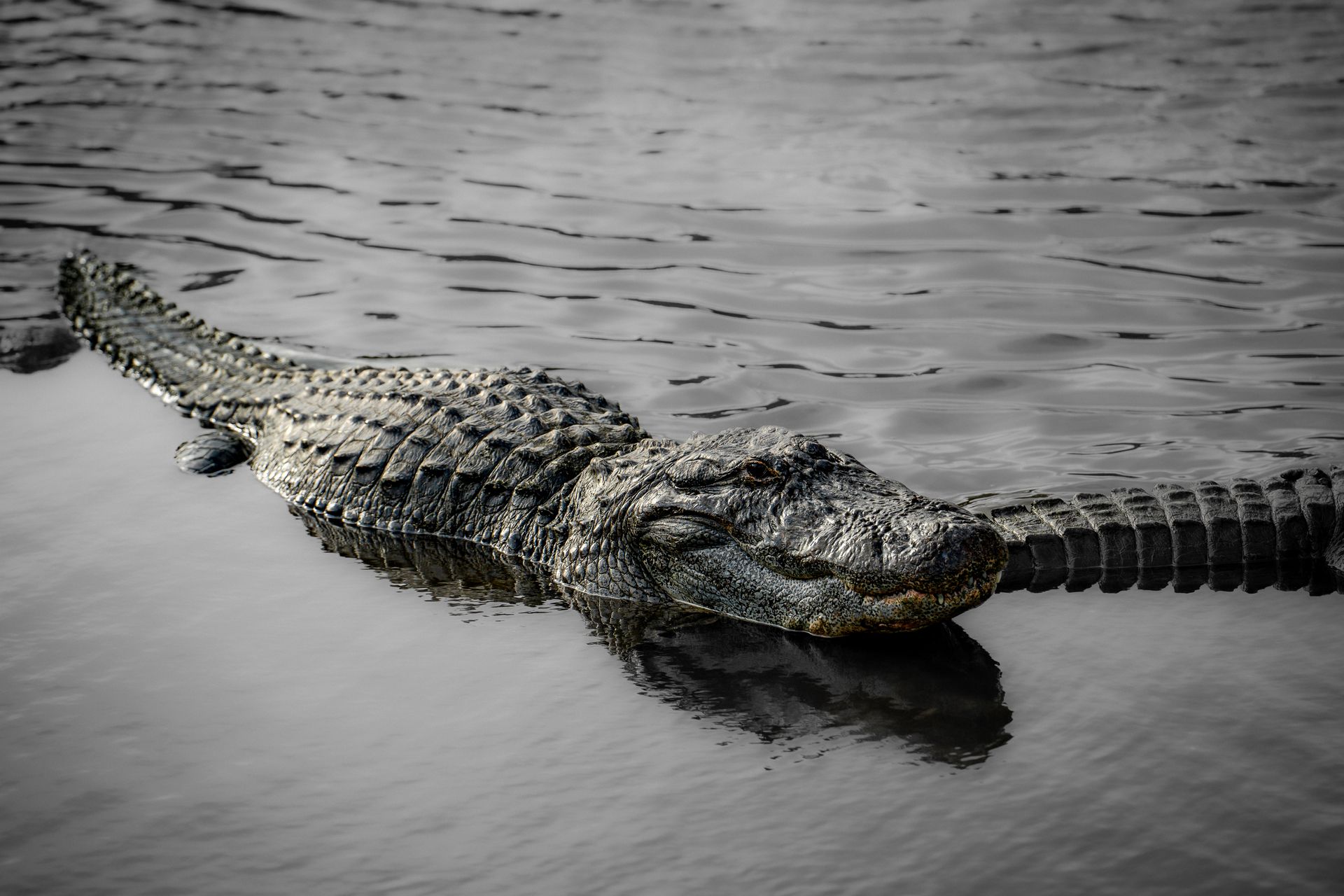
If you're in water with alligators, splashing will attract their interest, and they may attack if they perceive you as smaller and weaker. Don't tempt them by getting too close or making sudden movements.
In Florida, the likelihood of a resident being seriously injured during an unprovoked alligator incident is roughly one in 3.1 million. However, it's essential to remember that alligators can be present in any body of water, and it's always better to err on the side of caution.
Here are some general tips to keep in mind if you're near an alligator:
- Maintain a safe distance (at least 20-30 feet) from the alligator
- Back away slowly and calmly if you need to leave the area
- Do not run or make sudden movements, as this can trigger an attack
- Keep pets on a leash and keep them close to you
- Avoid swimming at night, as alligators may mistake you for food
If you encounter an aggressive alligator, contact the Florida Fish and Wildlife Conservation Commission's Nuisance Alligator Hotline at 866-FWC-GATOR (866-392-4286) for assistance.
Fight Back
In a life-or-death situation, fighting back is your best chance at survival. Aim for the alligator's eyes, nose, or throat, which are its most sensitive areas.
You'll need to muster all your strength to hit, kick, or jab the alligator. This is your only chance to force it to release its grip.
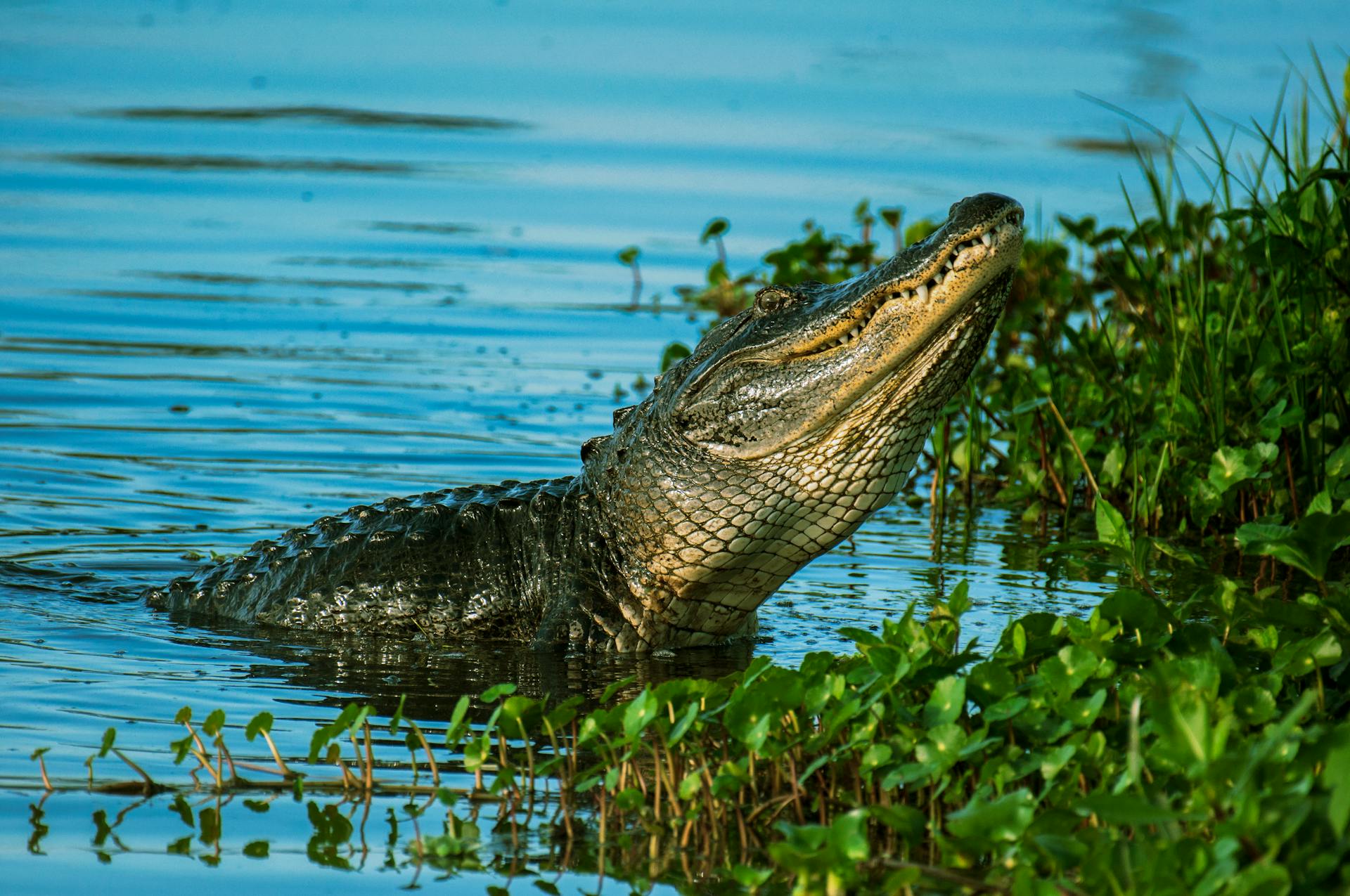
The alligator will try to twist into a Death Roll to inflict greater injury, so be prepared to roll with it if it clamps down on your arm. Grab the alligator with your other arm and roll with it to minimize the injury.
Your moment to escape is when the alligator momentarily releases its jaw to adjust its grip. That's your chance to pull free and seek medical help.
Regulations and Etiquette
Feeding alligators is strictly prohibited, as it teaches them to associate people with food and can lead to aggressive behavior. In fact, it's a Class C misdemeanor, punishable by a fine of up to $500, to intentionally feed an alligator.
You should dispose of fish scraps in garbage cans at most boat ramps or fish camps, rather than throwing them into the water or leaving them on shore. This helps prevent alligators from becoming habituated to humans.
It's essential to maintain a safe distance from wild alligators, keeping a minimum of 30 feet or more between you and the animal. Enjoy viewing and photographing them from a safe distance, and never go near baby alligators or pick them up.
Living Etiquette
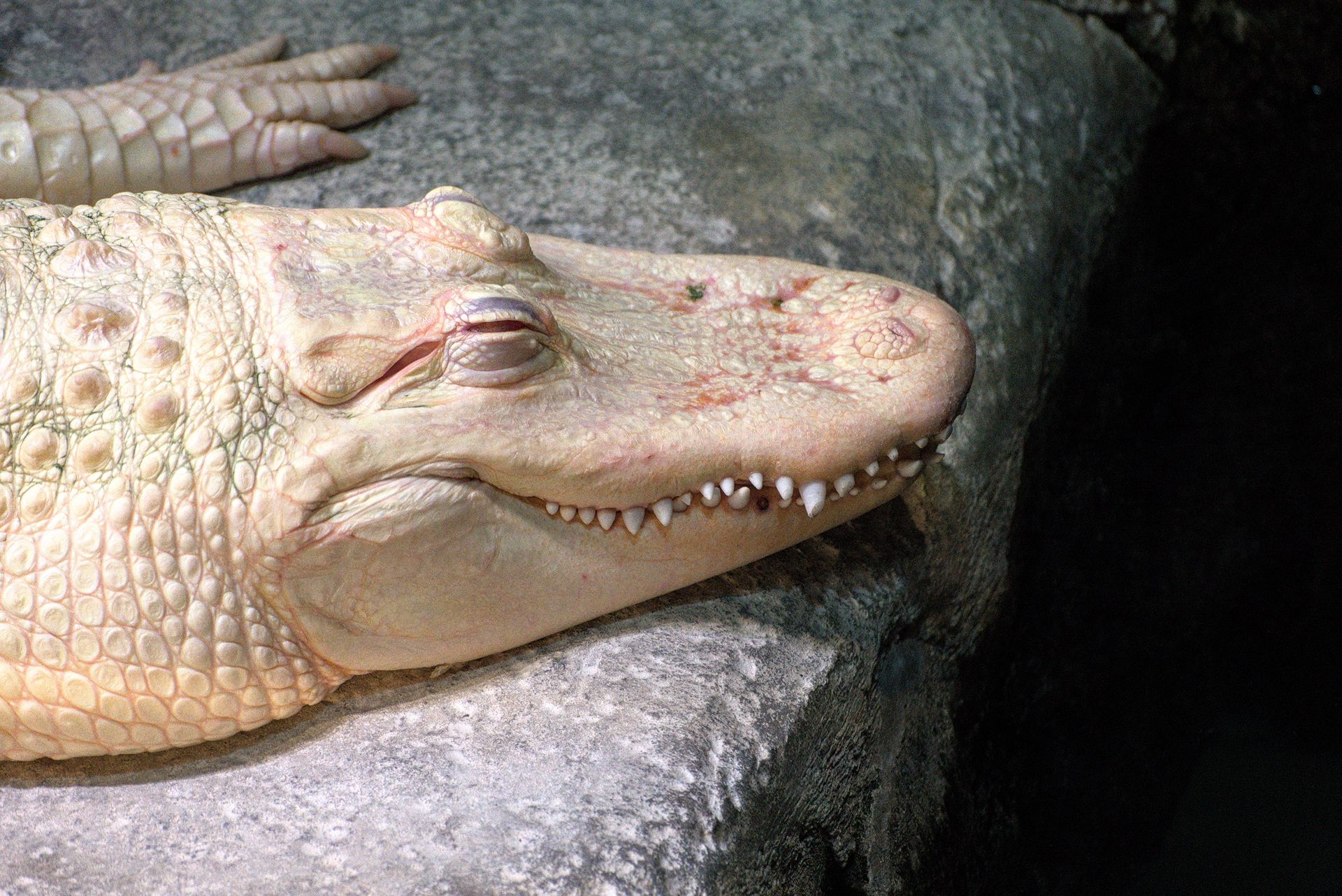
Feeding alligators is a big no-no, as it makes them associate people with food and lose their natural fear. This can lead to problems for everyone who wants to use the water for recreational purposes.
It's also essential to dispose of fish scraps in garbage cans at most boat ramps or fish camps, rather than throwing them into the water or leaving them on shore.
Don't even think about removing alligators from their natural habitat or accepting one as a pet, as it's a violation of state law. Alligators don't become tame in captivity and handling them can result in bites.
When playing in or around water, always closely supervise children, as alligators can be lurking nearby. It's also crucial to inform others that feeding alligators creates problems for others who want to use the water for recreational purposes.
Remember to use ordinary common care when swimming, which means only swimming during daylight hours.
Curious to learn more? Check out: Why Do Dogs Attack People
FWC Keeps Nuisance Animals
The Florida Fish and Wildlife Conservation Commission (FWC) doesn't relocate nuisance alligators because relocated alligators often try to return to their capture site.
Relocated alligators can create problems for people or other alligators along the way.
It's best to leave nuisance animals like alligators alone and let the FWC handle them, as they have the expertise to safely and humanely manage the situation.
Featured Images: pexels.com