Scotland is home to a mysterious and elusive creature - the wildcat. These beautiful animals are a vital part of Scotland's ecosystem, but spotting one is a rare occurrence.
The wildcat is a subspecies of the European wildcat, and it's estimated that there are only around 300-400 individuals remaining in the wild. This makes them one of the rarest animals in the UK.
Wildcats are solitary animals and have large territories, which can range from 10 to 30 square kilometers. They're also nocturnal, so they do most of their hunting at night.
In the Scottish Highlands, wildcats are often found in areas with dense vegetation and rocky outcrops, where they can ambush their prey.
Expand your knowledge: Are Black Cats Lucky in Scotland
Characteristics and Habitat
The Scottish wildcat is a highly adaptable creature, thriving in wooded habitats, shrubland, and near forest edges. It's a far cry from the open spaces and heathermoorland it tends to avoid.
In the wild, Scottish wildcats prefer areas away from agriculturally used land, likely due to the abundance of food and shelter in these regions. They're also known to steer clear of deep snow, with a threshold of 10 cm (3.9 in) being their limit.
Their preference for wooded areas and avoidance of certain habitats has led to a specific distribution in Scotland, with the Cairngorms, the Black Isle, Aberdeenshire, the Angus Glens, and Ardnamurchan being some of the areas where you can spot them.
Cats' Physical Characteristics
Scottish wildcats have a distinct physical appearance that sets them apart from domestic cats.
Their head-to-body length can range from 22.8 to 25.0 inches, with males being larger than females.
Females have a head-to-body length of 19.8 to 22.5 inches, while males have a slightly longer tail, measuring 12.0-14.0 inches.
Males weigh between 8.3 and 16.0 pounds, while females weigh between 5.2 and 10.3 pounds.
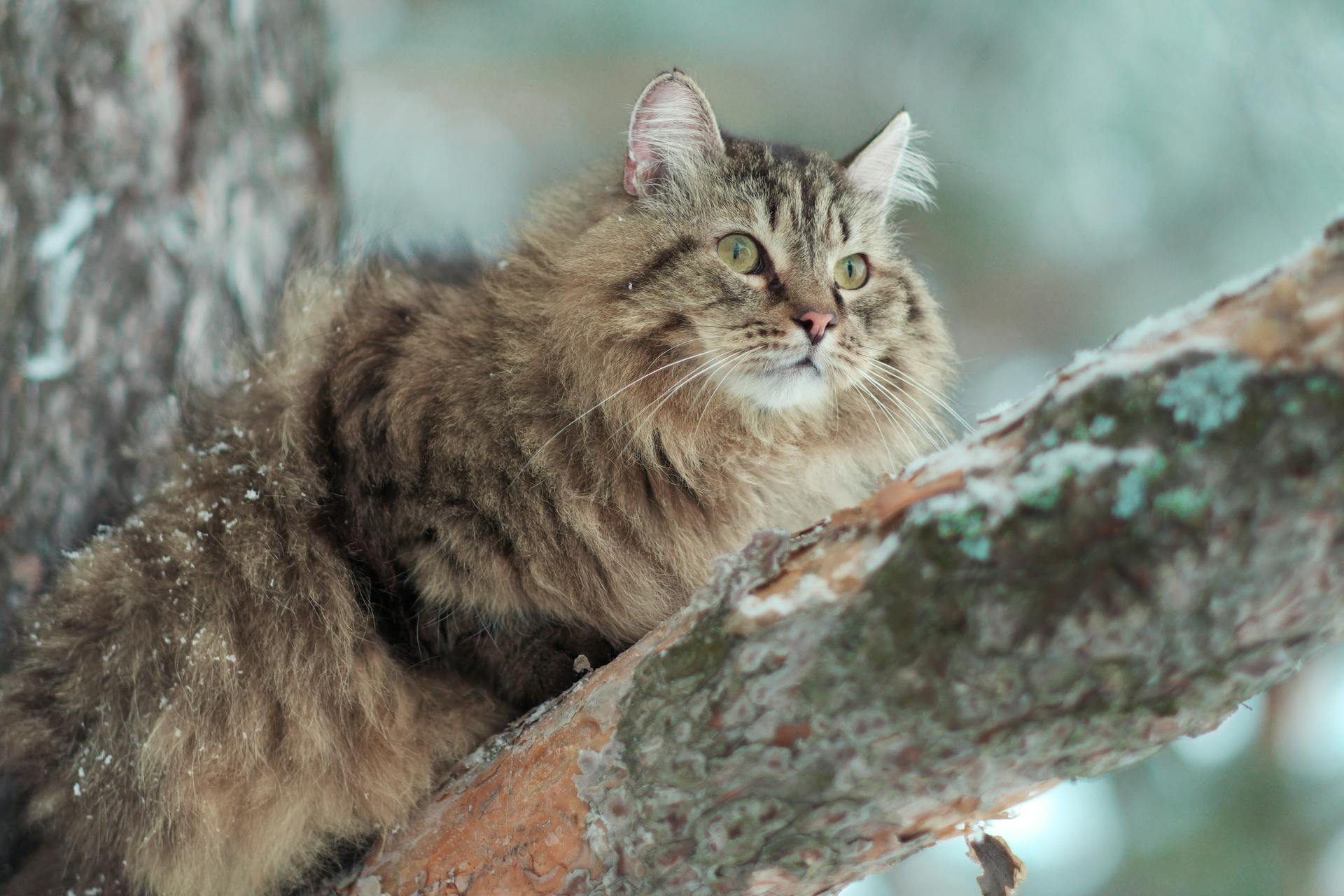
The Scottish wildcat's fur is striped with a solid tabby patterning and has a distinctive ringed tail with a black tip.
Their fur markings are similar to those of domestic tabby cats, but with some key differences.
One of the main differences is the presence of stripes on the cheeks and hind legs, which are absent in domestic cats.
Their fur also lacks spots, white markings, and colored backs of the ears, which are common in domestic cats.
Scottish wildcats are stockier and more muscular than domestic cats, with longer legs and a larger, flatter head.
Their ears stick out to the side, and their fur markings can be used to identify them as wildcats.
If this caught your attention, see: All about Tabby Cats
Distribution and Habitat
The Scottish wildcat has been present in Britain since the early Holocene.
It was once common throughout all of Great Britain, but its range has declined significantly over the centuries.
In southern England, it likely became locally extinct during the 16th century.
By the mid-19th century, its range had declined to west-central Wales and Northumberland due to persecution.
It now lives in wooded habitats, shrubland, and near forest edges, but avoids heathermoorland and gorse scrub.
The Scottish wildcat prefers areas away from agriculturally used land and avoids snow deeper than 10 cm (3.9 in).
Its current distribution includes the Cairngorms, the Black Isle, Aberdeenshire, the Angus Glens, and Ardnamurchan.
The last record of a Scottish wildcat in England was in 1849.
Readers also liked: Wild Cats England
Behavior and Ecology
Scottish wildcats are primarily nocturnal, with activity decreasing at low moonlight and in windy weather.
In the wild, males have larger home ranges that overlap with multiple females, whereas females tend to have smaller, non-overlapping ranges. Adult wildcats maintain larger territories than juveniles, and they mark and defend these areas using scent marking through their scat.
Their diet consists mainly of European rabbits and field voles, with scats containing remains of these prey species.
Behaviour and Ecology
Scottish wildcats are primarily nocturnal, meaning they're most active at night, and their activity levels decrease in low moonlight and windy weather.
Their home ranges often overlap, with males sharing their territory with one or more females, while females tend to keep their ranges separate. Adult wildcats maintain larger territories than their younger counterparts.
They mark and defend their home ranges using scent marking through their scat, which helps them communicate with other wildcats.
Home range size can vary, but in and around Cairngorms National Park, it's estimated to be around 2.44 to 3.8 km.
Their diet consists mainly of European rabbits and field voles, with scat analysis revealing remains of these prey species.
Captive Scottish wildcats have been known to live up to 15 years, but their lifespan in the wild is significantly shorter due to factors like road accidents and disease transmission from feral domestic cats.
What Do They Eat?
Scottish wildcats mainly feed on rabbits and small rodents such as voles.
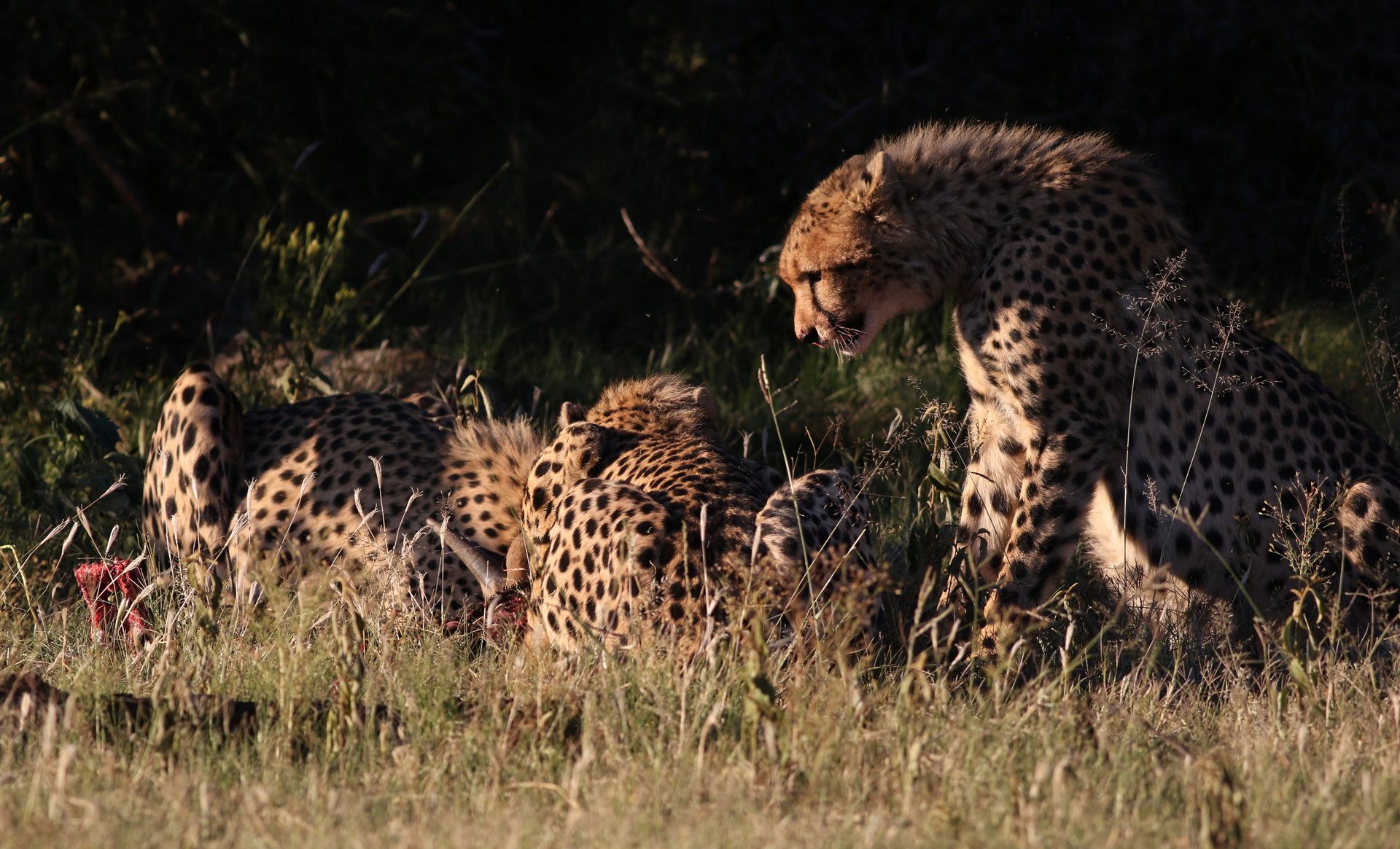
They will also take hares and a variety of bird species.
As skilled stealth hunters, they have excellent sight, hearing, and sense of smell, as well as highly sensitive whiskers.
They will stalk their prey and pounce after a patient wait.
Wildcats are mainly crepuscular, meaning they're active at dawn and dusk, but they may hunt during the day if undisturbed.
Spotting
Spotting wildcats in the wild can be a thrilling experience, but it's essential to know where to look.
The Cairngorms National Park is one of the best places to try to see wildcats, due to their presence in the area.
Wildcats are elusive creatures, and their dwindling numbers make spotting them a rare occurrence.
The Ardnamurchan Peninsula and the Isle of Mull are also good locations to try and catch a glimpse of these majestic creatures.
Conservation Status
Wildcats in Scotland are listed as critically endangered, with estimates suggesting that only around 100-300 remain in the wild.
Conservation efforts are underway to protect the remaining population, including breeding programs and habitat restoration. The Scottish Wildcat Action project is working to raise awareness about the importance of these creatures and to develop strategies to conserve their habitat.
These efforts are crucial to prevent the extinction of wildcats in Scotland, and it's heartening to see organizations taking action to protect these majestic animals.
Endangered Appeal
The Scottish wildcat is one of our rarest mammals, and its population is dwindling due to various threats.
Habitat loss and hunting have already led to the species' disappearance from England and Wales nearly 200 years ago. In Scotland, the main threat is hybridization with domestic cats, which dilutes the wildcat's genes and makes identification and protection challenging.
Conservation groups are working to support the Scottish wildcat by neutering domestic cats in key wildcat areas and through captive breeding programs. These efforts aim to ensure the true wildcat gene survives.
The numbers of true Scottish wildcats are extremely low, with estimates suggesting only 35 or less are left in the wild as of 2018. This makes every effort to protect them crucial.
Here are some of the main threats facing the Scottish wildcat:
- Habitat loss due to the destruction of old-growth forests
- Hybridization with domestic cats, which dilutes the wildcat's genes
- Road deaths and accidental killing in traps meant for other species
- Diseases spread by feral cats
Efforts
Efforts are being made to protect the remaining Scottish Wildcats in the wild. The Scottish Wildcat Action project is working to raise awareness about these incredible creatures.
Breeding programs are a crucial part of conservation efforts. Only around 100-300 Scottish Wildcats remain in the wild, making every effort count.
Habitat restoration is also underway to protect the remaining population. This includes efforts to restore and protect their natural habitats.
Conservation efforts are underway to protect the remaining population of Scottish Wildcats.
Wild Cats in Scotland
Scotland is home to a unique and fascinating group of wild cats. The Scottish wildcat is a subspecies of the European wildcat.
These cats are found primarily in the Highlands and islands of Scotland, where they inhabit a range of habitats including forests, moors, and mountains.
Worth a look: Scotland Animals
The Scottish wildcat is a solitary animal, only coming together with other cats for mating. They are also skilled hunters, feeding on small mammals, birds, and insects.
In the wild, Scottish wildcats can live up to 10 years in the wild, although their average lifespan is around 5-6 years due to habitat loss and human activity.
Their distinctive coat patterns and colors help them blend in with their surroundings, making them expertly camouflaged.
In Captivity
In captivity, a breeding program for the Scottish wildcat has been established as part of the Scottish Wildcat Conservation Action Plan.
The program involves wild-caught individuals that pass genetic and morphological tests to be considered wildcats with less than 5% hybridization.
Six kittens were born at the Highland Wildlife Park in 2015, which is one of the participating institutions.
From 2011 to 2016, there were a total of 15 surviving Scottish wildcat kittens born at the Highland Wildlife Park.
As of December 2016, around 80 Scottish wildcats were in captivity, a significant number that highlights the program's progress.
In Captivity
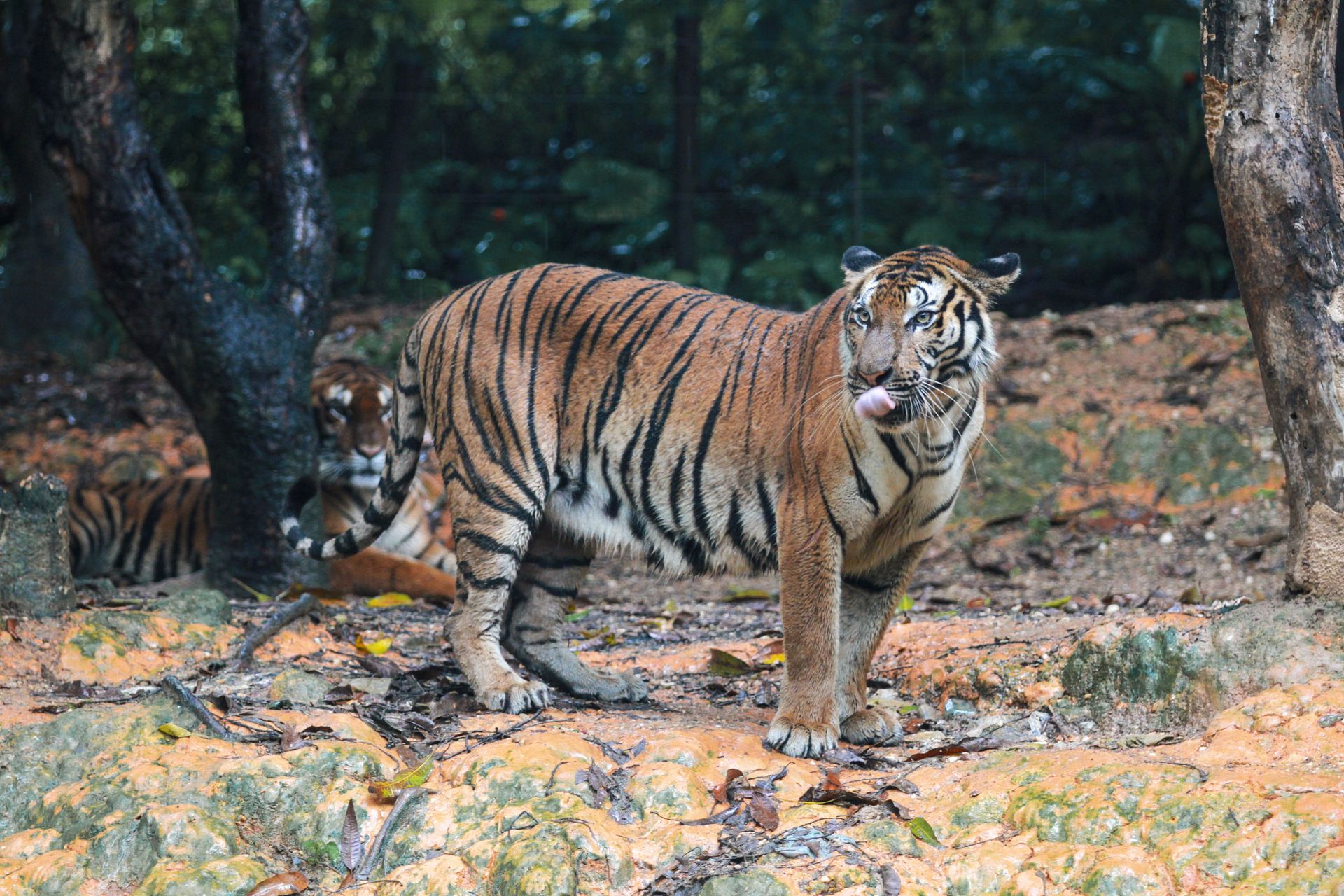
In captivity, there's a breeding program for Scottish wildcats that's been set up by various institutions.
These institutions include the Alladale Wilderness Reserve, Chester Zoo, British Wildlife Centre, Port Lympne Wild Animal Park, Highland Wildlife Park, New Forest Wildlife Park, and Aigas Field Centre.
The program has been met with criticism from the Captive Animals Protection Society, which thinks it's more about filling zoo cages than actual conservation.
The Scottish wildcat breeding program has had some success, with six kittens born at the Highland Wildlife Park in 2015.
Between 2011 and 2016, a total of 15 Scottish wildcat kittens survived at the Highland Wildlife Park.
As of 2016, around 80 Scottish wildcats were being kept in captivity.
Signs and Tips
In captivity, observing the behavior of wildcats can be fascinating, but it's essential to understand their habits to appreciate them.
They tend to be most active at dawn and dusk, which is when you're likely to see them at their most energetic.
Their natural instinct to avoid poor weather holds true even in captivity, so you're less likely to see them on rainy or snowy days.
You might catch a glimpse of their paw prints or scat, but be aware that these can be easily mistaken for those of a domestic cat.
Frequently Asked Questions
Is a Scottish wildcat a lynx?
No, the Scottish wildcat is not a lynx, as the lynx is extinct in Britain and the Scottish wildcat is a distinct species. In fact, the Scottish wildcat is Britain's last remaining wild member of the cat family.
Are there any pure Scottish wildcats left?
Unfortunately, there are no known pure Scottish wildcats left in the wild due to high levels of hybridization with domestic and feral cats. The Scottish wildcat population is considered functionally extinct.
Can you pet a Scottish wildcat?
No, it's not safe to pet a Scottish wildcat due to their unpredictable behavior and potential aggression. Approach with caution and learn more about their unique characteristics.
Featured Images: pexels.com