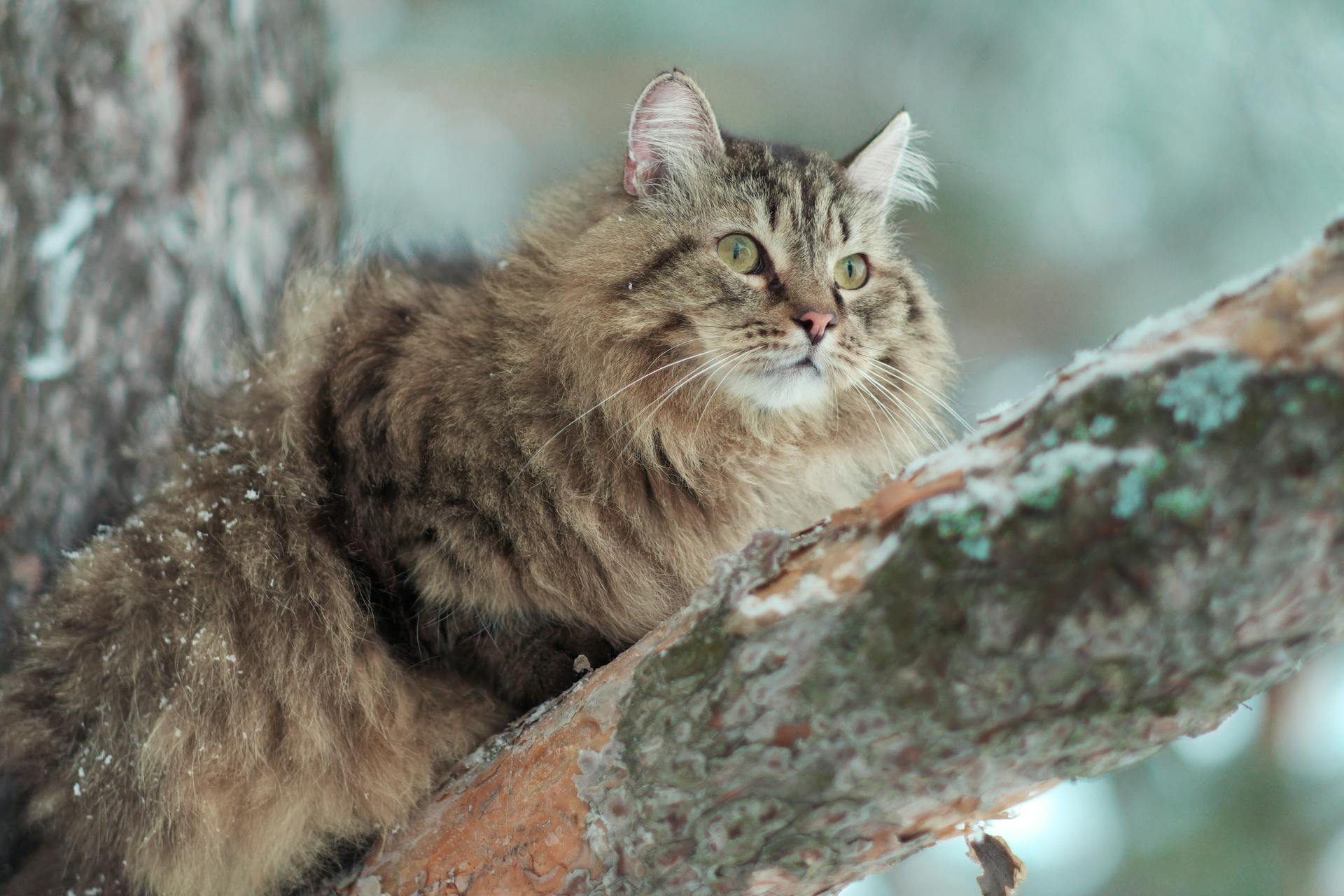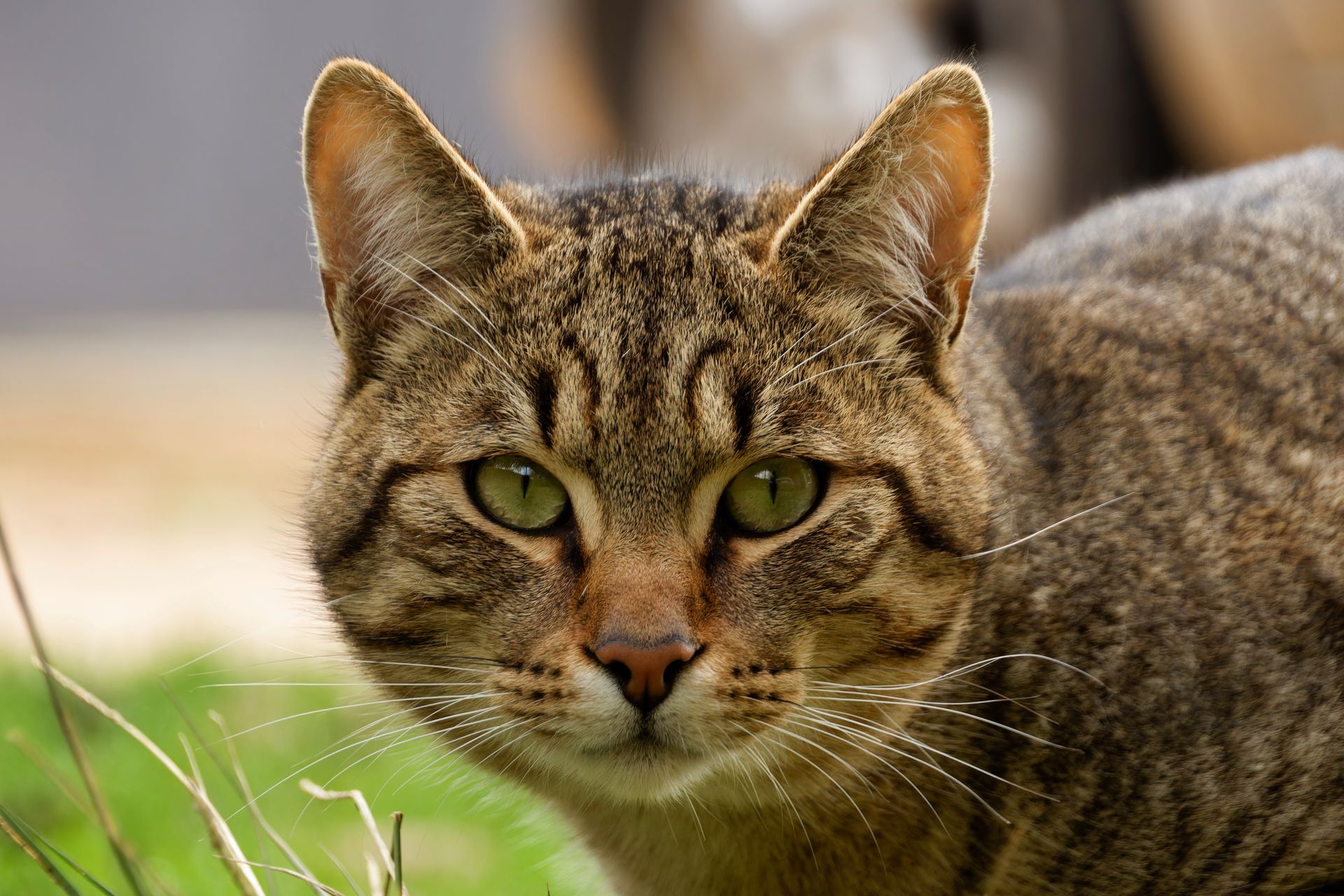
Wild cats in England are a rare sight, but they're not entirely unheard of. There have been confirmed sightings of big cats in the UK, with some reports dating back to the 1960s.
The most well-known species is the lynx, which is native to the UK but became extinct in the 17th century. However, there have been several reported sightings of lynx in modern times, with some believed to be escaped pets or individuals from zoos.
The UK's countryside is home to a diverse range of wildlife, including several species of wild cats. The Scottish wildcat, for example, is a subspecies of the European wildcat and is found in the wild in Scotland.
Despite their elusive nature, there have been several reported sightings of big cats in England, including in the counties of Yorkshire and Lincolnshire.
Wild Cat Sightings
Wild cat sightings have been reported across the UK, with the British Big Cats Society receiving between 500 to 600 reports a year.
The majority of these reports are unverified and anonymous, but they give an idea of the scope of the sightings. The most common sightings are of black leopards, also known as panthers.
These black leopards are thought to be the most likely species of big cat roaming the UK, with around 15% of sightings being of sandy-coloured cats, which could be mountain lions.
There's no concrete evidence of a stable and healthy population of these big cats, but experts estimate that there would need to be at least 300 individuals of each species for a healthy population.
Here's a rough breakdown of the types of big cat sightings reported in the UK:
These sightings have been confirmed through DNA testing, with a swab taken from a dead sheep in the Lake District confirming the presence of a big cat in the area.
Captured and Found Evidence
In the UK, there have been several instances of wild cats being captured and found evidence of their presence. A Canadian lynx shot in Devon in 1903 is now in the collection of the Bristol Museum.
The lynx had spent a significant amount of time in captivity prior to its death, as suggested by analysis of its teeth. Jungle cats have been found dead after being hit by a car, leading to the theory that they are individuals escaped from private ownership.
A notable case of a wild cat being captured alive is the 2001 "Beast of Barnet" incident in North London. The captured lynx, named Lara, was only 18 months old but considerably larger than an average domestic cat.
In 2006, the Department for Environment, Food and Rural Affairs published a list of predatory cats that had escaped in the UK, although most were recaptured. Two lynx were captured in Scotland in 2025 after being sighted in the Drumguish area near Kingussie.
The lynx were found to be tameness and bedding was discovered in a nearby layby, suggesting they had been illegally released.
Big Cats in England
For decades, people across the UK have reported seeing big cats, including run-ins on country roads and mysterious unexplained animal deaths.
Brits have seen big cats stalking fields, causing chaos in parks, and even stalking walkers, but blurry, distant photos and tall tales made big cats the 'yeti' of the UK countryside.
The mystery was finally solved after a swab taken in the Lake District confirmed the presence of a big cat roaming the countryside.
A leopard, part of the 'Panthera' genus, was positively identified after a swab was taken from a dead sheep in Cumbria.
The University of Warwick's Professor Robin Allaby was convinced by the discovery, saying it made him a convert - until now, he remained open-minded as a scientist.
Discover more: Big Cats England
Big Cats of England
For decades, people across the UK have reported seeing big cats, including run-ins on country roads and mysterious unexplained animal deaths.
Blurry, distant photos and tall tales have made big cats the 'yeti' of the UK countryside, but now we finally know the truth.
A swab taken in the Lake District has confirmed the presence of a big cat roaming our countryside.
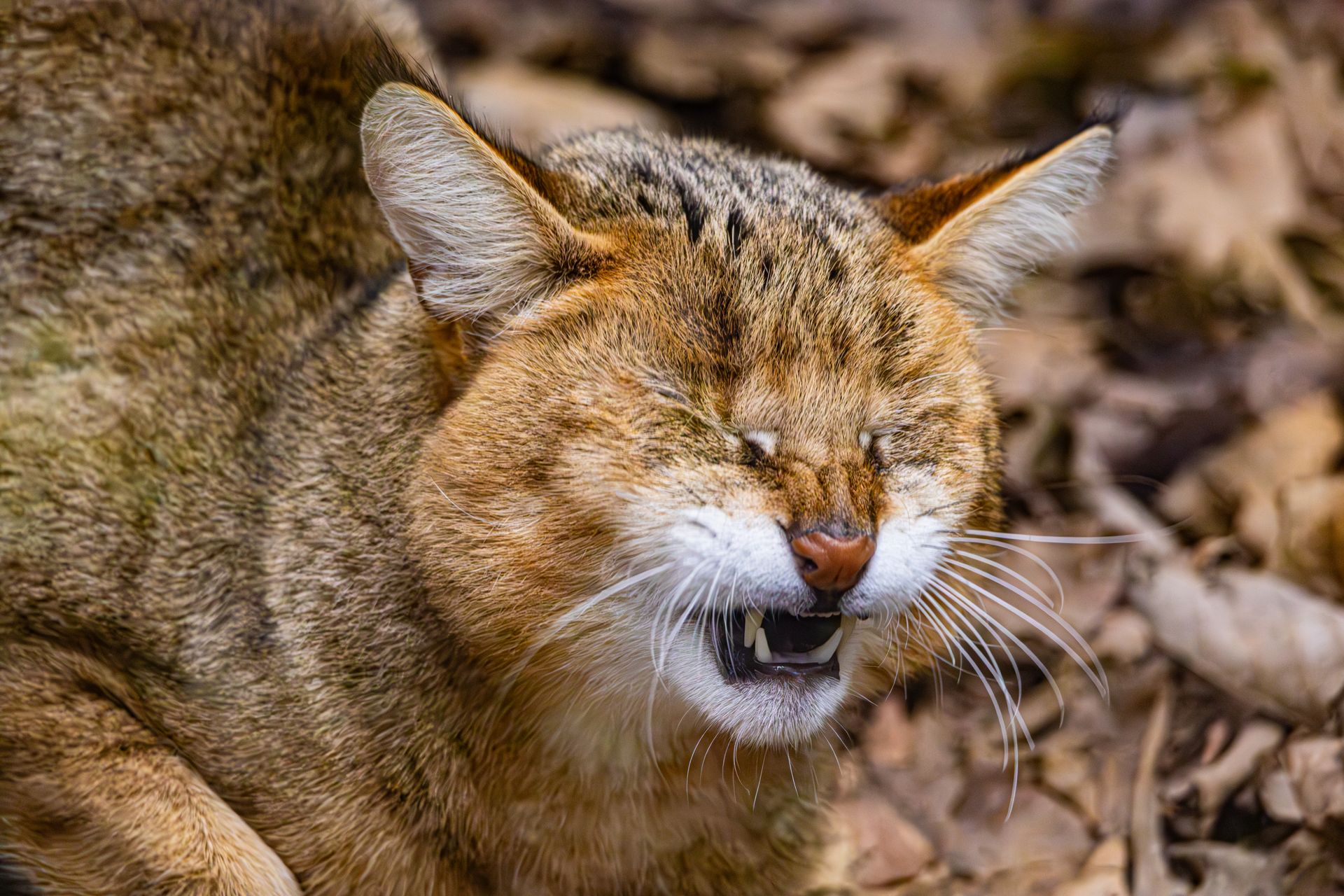
The cat in the ‘Panthera’ genus, most likely a leopard, has been positively identified after a swab was taken from a dead sheep in the Cumbrian beauty spot.
This is the first time confirmed big cat DNA has been found on a carcass anywhere in the UK.
The University of Warwick's Professor Robin Allaby has been convinced by the discovery and is now a believer in the existence of big cats in England.
Are Big Cats Dangerous?
In the UK, there have been no confirmed incidents of wild big cats attacking people or their pets.
The experts say that if given the choice, big cats would always avoid human contact.
In fact, Hemmings believes that big cats pose a negligible risk to people.
This suggests that the chances of encountering a big cat in the wild and being attacked are extremely low.
Big cats are generally not a threat to human safety, which is reassuring for those who live in areas where they might be present.
Frequently Asked Questions
Do mountain lions exist in the UK?
Mountain lions, also known as pumas or cougars, are occasionally spotted in the UK, making up around 15% of big cat sightings each year. However, their presence in the country is not well-documented and their status is still a topic of debate among experts.
Featured Images: pexels.com