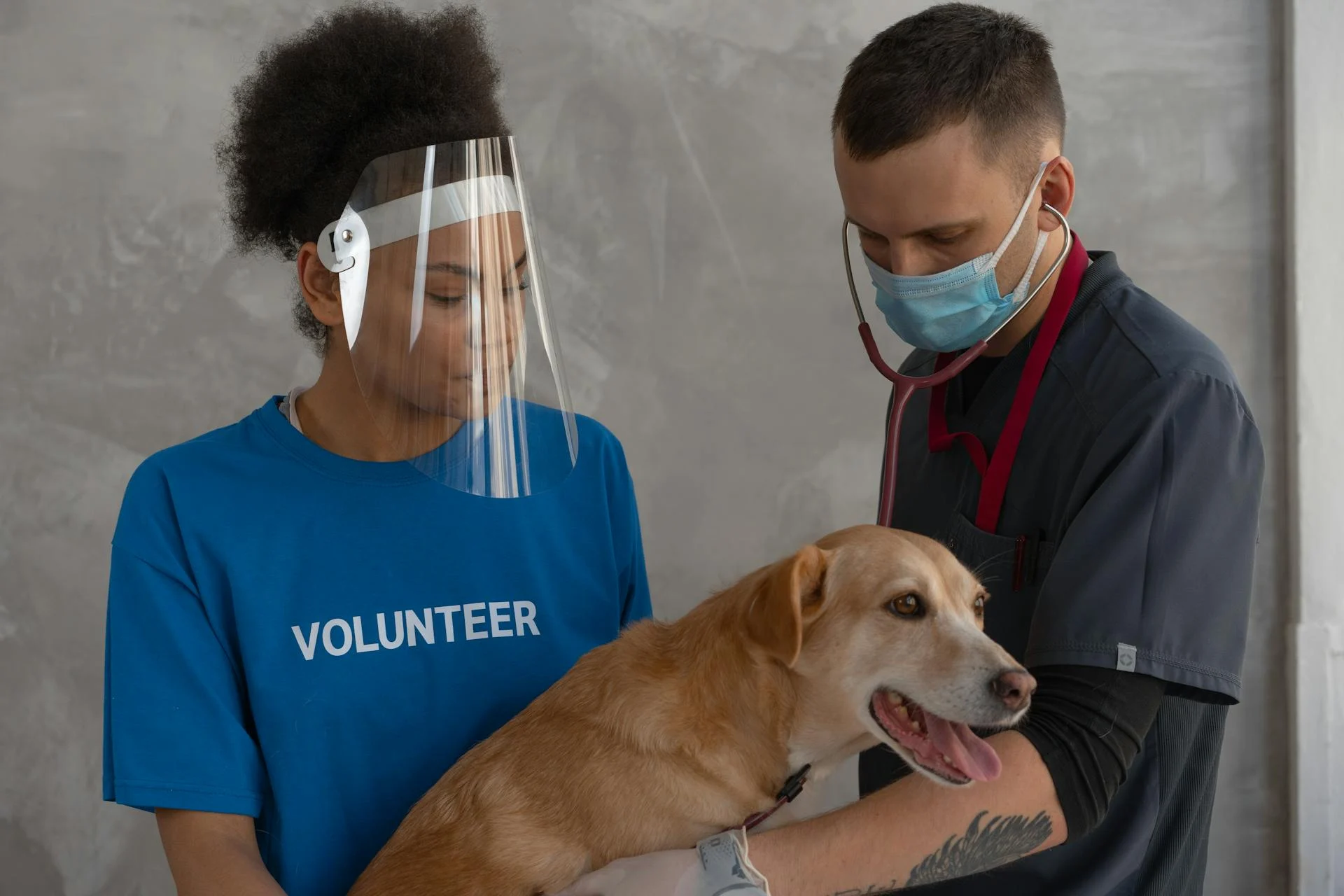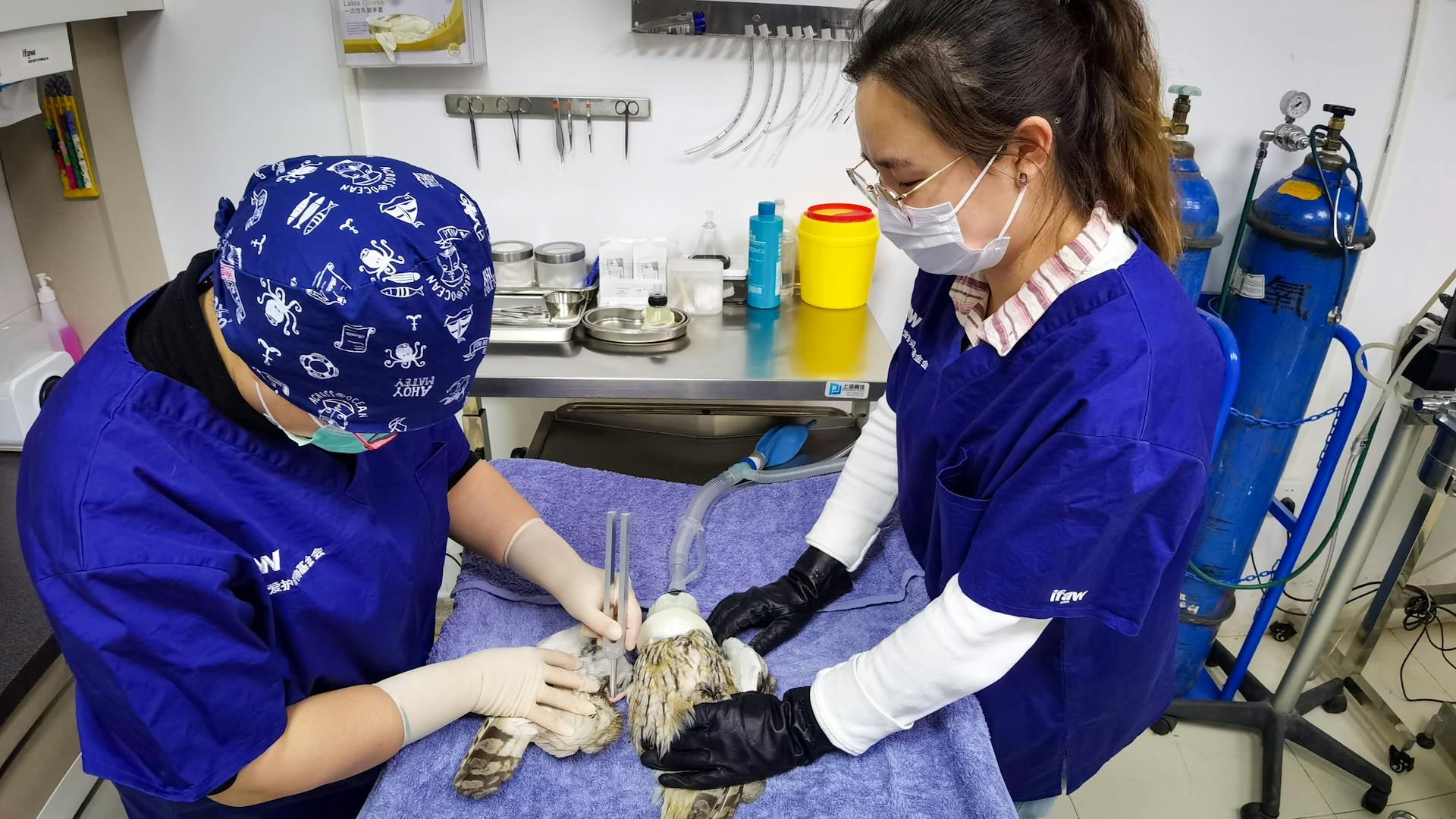
As a veterinary technologist, you'll be working closely with animals, veterinarians, and other veterinary staff to provide top-notch care. You'll be responsible for performing medical tests, taking X-rays, and administering medications.
Typically, veterinary technologists work in veterinary clinics, hospitals, or research facilities. According to the Bureau of Labor Statistics, most veterinary technologists work full-time, with some working part-time or irregular schedules.
In a typical day, you'll be assisting veterinarians with surgeries, taking blood samples, and preparing animals for procedures. You might also be responsible for maintaining medical records and communicating with pet owners about their animals' health.
Veterinary technologists need a strong foundation in science and math, as well as excellent communication and interpersonal skills. They must also be able to work well under pressure and be comfortable with the physical demands of the job.
See what others are reading: How Is a Veterinary Technician Work Environment
What is a Veterinary Technologist?
A veterinary technologist is a vital member of the veterinary team. They play a crucial role in ensuring the health and well-being of animals.
Their job duties are diverse and varied, but some of the key tasks include ensuring testing equipment is prepared and functioning properly, running analyses on biological materials such as fluids, blood, and other samples, and drawing conclusions from their analyses regarding animal health.
They are also responsible for recording the findings of their analyses in detail, reporting information to veterinarians and other supervisors, and informing pet owners of findings from their tests.
Veterinary technologists are skilled professionals who must be able to handle a wide range of tasks, including recording animal care histories, examining animals to assess their health, and preparing animals and equipment for diagnostic tests.
Here are some of the key responsibilities of a veterinary technologist:
- Recording animal care histories
- Examining animals to assess their health
- Preparing animals and equipment for diagnostic tests
- Collecting biological samples from animals
- Processing blood, urine and feces tests
- Taking animal X-rays, blood pressure, and temperature
- Administering medication and vaccinations
- Meeting with pet owners to ensure they're informed and educated
Responsibilities and Duties
As a veterinary technologist, your day-to-day responsibilities will include assisting veterinarians in examining and treating animals. You'll work closely with them to provide the best care possible for the animals in your care.
Broaden your view: Veterinary Technician Day
Your duties will also involve preparing and administering medications and treatments as directed by the veterinarians. This might include taking and interpreting diagnostic tests such as X-rays and blood work.
You'll be responsible for maintaining accurate patient records and schedules, as well as maintaining a clean, safe, and organized work environment. This is crucial for ensuring the health and well-being of both the animals and the staff.
Some of your specific tasks might include:
- Assisting veterinarians in examining and treating animals
- Maintaining accurate patient records and schedules
- Maintaining a clean, safe, and organized work environment
- Preparing animals and equipment for diagnostic tests
- Collecting biological samples from animals
You'll also play an important role in educating clients on proper pet care and preventive health measures, as well as communicating effectively with clients, veterinarians, and other team members. This might involve reporting information to veterinarians and other supervisors, or informing pet owners of findings from tests.
Technician vs
In the US, the terms "veterinary technologist" and "veterinary technician" are often used interchangeably, but there are some subtle differences between the two roles.
Veterinary technologists typically have a higher level of education, usually earning a Bachelor's Degree in Veterinary Technology. This education includes more in-depth coursework and may cover a broader range of topics within the field.
Worth a look: Veterinary Education
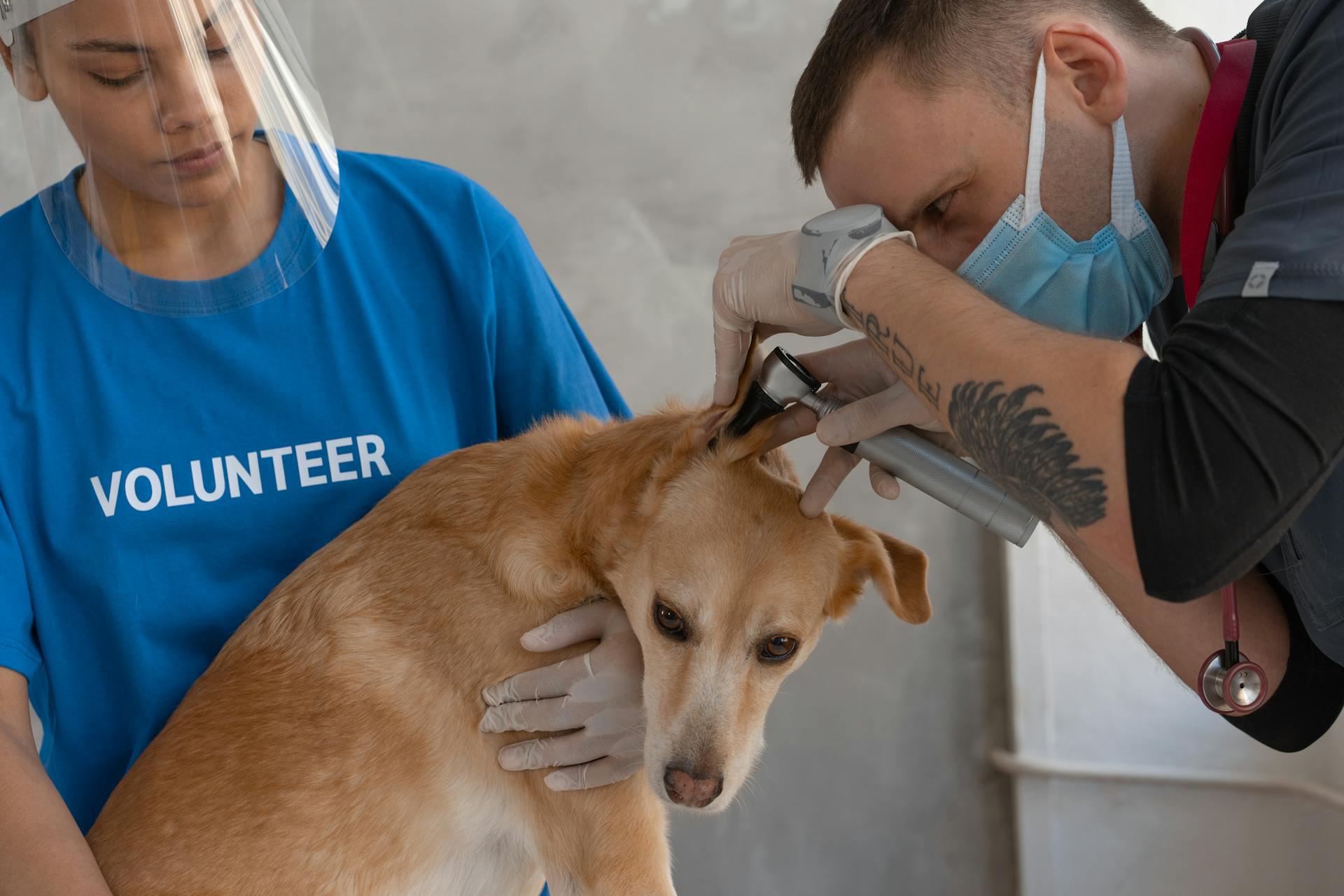
Veterinary technicians, on the other hand, typically complete a two-year Associate Degree in Veterinary Technology. Their education focuses on the foundational skills and knowledge required to assist veterinarians in various tasks.
Veterinary technologists often take on more advanced tasks and responsibilities, and might be involved in more complex medical procedures, research, and specialized care. They might also have a broader understanding of animal health and be better equipped to handle advanced cases.
In some states, the terms "veterinary technologist" and "veterinary technician" are used interchangeably, with no distinction in terms of licensing or practice. However, some states differentiate between the two based on their level of education.
Here's a breakdown of the education and responsibilities for both roles:
Responsibilities & Duties
As a veterinary technologist, your responsibilities are multifaceted and demanding. You'll assist veterinarians in examining and treating animals, which requires a strong understanding of animal health and behavior.
Preparation and administration of medications and treatments are crucial tasks. You'll prepare and administer medications and treatments as directed by veterinarians, taking care to follow proper protocols and procedures.
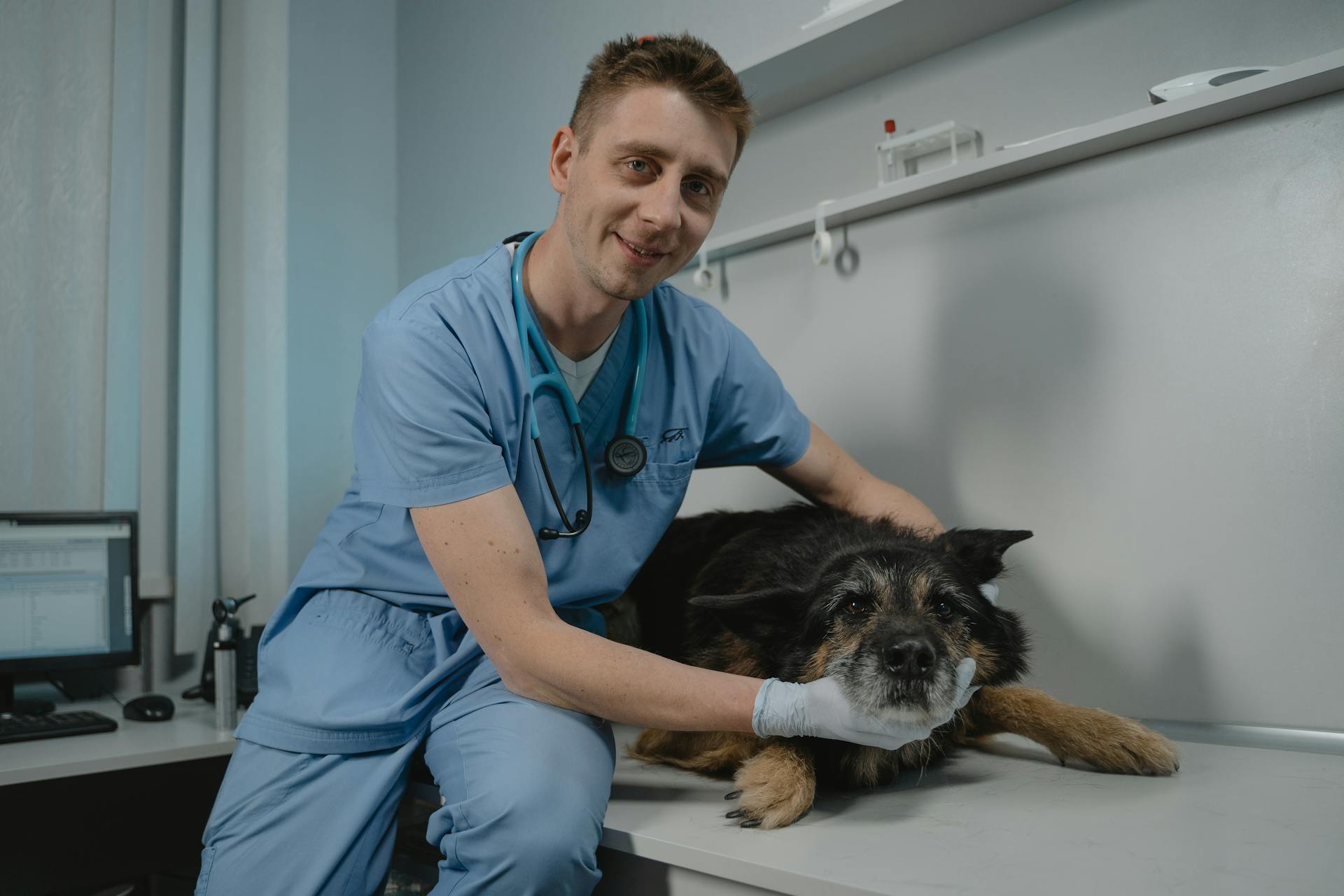
Diagnostic tests are an essential part of a veterinary technologist's job. You'll take and interpret diagnostic tests such as X-rays and blood work, using your knowledge of anatomy and physiology to make informed conclusions.
Maintaining accurate patient records and schedules is vital for effective communication and care. You'll maintain accurate patient records and schedules, ensuring that all relevant information is up-to-date and easily accessible.
A clean, safe, and organized work environment is essential for both staff and animal safety. You'll maintain a clean, safe, and organized work environment, adhering to strict hygiene and sanitation standards.
Effective communication is critical in this role. You'll educate clients on proper pet care and preventive health measures, communicating effectively with clients, veterinarians, and other team members.
Here are some key responsibilities of a veterinary technologist:
- Assist veterinarians in examining and treating animals
- Prepare and administer medications and treatments as directed by veterinarians
- Take and interpret diagnostic tests such as X-rays and blood work
- Maintain accurate patient records and schedules
- Maintain a clean, safe, and organized work environment
- Educate clients on proper pet care and preventive health measures
- Communicate effectively with clients, veterinarians, and other team members
Education and Qualifications
A veterinary technologist is a vital member of the veterinary team, and to become one, you'll need to meet certain qualifications. A Bachelor's degree in Veterinary Technology or a related field is typically required.
To gain certification, you'll need to get certified by the American Association for Laboratory Animal Science (AALAS). This is a crucial step in demonstrating your expertise and commitment to the field.
In addition to formal education and certification, experience is also essential. Working in a clinical or laboratory setting is highly valued, and proficiency in veterinary software and electronic medical records (EMR) is a must.
Strong communication skills are also vital for interacting with veterinarians, pet owners, and colleagues. You'll need to be able to remain calm and professional in stressful situations.
Here are some key qualifications for a veterinary technologist:
- Bachelor's degree in Veterinary Technology or a related field
- Certification by the American Association for Laboratory Animal Science (AALAS)
- Experience working in a clinical or laboratory setting
- Proficiency with veterinary software and electronic medical records (EMR)
- Strong communication and interpersonal skills
- Ability to remain calm and professional in stressful situations
In some cases, an Associate's degree in veterinary technology or a related field may be acceptable, and being licensed as a veterinary technologist by the state in which you practice is also required. Additionally, having 2+ years of experience as a veterinary technologist is highly beneficial.
Recommended read: Define Veterinary Technologist
Work Environment and Career
As a veterinary technologist, you'll spend most of your time in a clinical setting, working closely with veterinarians, other technicians, and animal owners.
Veterinary technologists often work in animal hospitals, clinics, research institutions, or laboratories. They typically work regular hours, but may be required to work evenings, weekends, or on-call shifts to care for animals in emergency situations.
In terms of career advancement, veterinary technologists can move into supervisory or management roles, or specialize in a particular area, such as veterinary dentistry or surgery.
Workplace Environment
The workplace of a veterinary technologist can vary widely, as they are employed in diverse settings within the field of veterinary medicine.
In animal clinics and veterinary hospitals, veterinary technologists assist veterinarians in providing medical care to companion animals, such as dogs, cats, and small mammals. They may be involved in administering medications, performing diagnostic tests, assisting in surgeries, and monitoring post-operative recovery.
Veterinary technologists often interact directly with pet owners, communicating about treatment plans, offering advice on animal care, and addressing client concerns.
Working in research institutions and laboratories, veterinary technologists assist in conducting experiments, collecting samples, and monitoring the health of animals involved in studies.
For more insights, see: General Practice Veterinary Care
In emergency and critical care centers, veterinary technologists play a crucial role in providing urgent medical attention to animals in distress, often working closely with veterinarians to ensure the best possible outcomes.
Veterinary technologists may encounter physically demanding tasks, such as lifting animals or assisting in surgeries, as well as emotionally rewarding moments, such as participating in successful treatments and helping animals recover from illness or injury.
Regardless of the specific setting, veterinary technologists commonly work in environments where compassion, teamwork, and a deep love for animals are essential.
Why Choose PCC
Choosing PCC for your veterinary technology education is a great decision. The Oregon Employment Department reports that Portland area veterinary technicians earn between $15.76 to $29.69 per hour, with an average annual salary of $46,261.
Our program has a strong reputation, being one of only two in Oregon and one of five in the Pacific Northwest. This means you'll be part of a select group of students who are well-prepared for a career in veterinary technology.
Related reading: Veterinary Technician Programs in Oregon

You'll have access to a fully working farm and various animals on campus, providing you with hands-on instruction throughout your time in the program. This is especially valuable, as it allows you to practice your skills in a real-world setting.
In addition to on-campus instruction, you'll complete three 160-hour externships in veterinary hospitals and clinics. This will give you even more hands-on experience and help you build connections in the industry.
PCC's Veterinary Technology program has been fully accredited by the American Veterinary Medical Association (AVMA) since 1988. This ensures that you'll receive a high-quality education that meets industry standards.
Our graduates consistently exceed the national average pass rate on the Veterinary Technician National Exam (VTNE). Here are some statistics to illustrate this:
- Number of first-time candidates that have taken the VTNE: 98
- Three-year VTNE pass percentage: 92.5%
Getting Started
To become a veterinary technologist, you'll need a solid foundation in science and mathematics, particularly biology, chemistry, and physics.
A high school diploma or equivalent is the minimum educational requirement to pursue a career in veterinary technology.
In the United States, the American Association for Laboratory Animal Science (AALAS) offers certification programs for veterinary technicians, including the Assistant Laboratory Animal Technician (ALAT) and the Laboratory Animal Technician (LAT) certifications.
To become certified, you'll need to meet the AALAS's requirements, which include completing a training program or having relevant work experience.
Veterinary technologists work closely with veterinarians, assisting with medical procedures, taking lab samples, and caring for animals in clinics, hospitals, and research facilities.
A typical workday for a veterinary technologist may involve performing routine medical tests, such as blood work and urinalyses, and assisting with surgeries.
Frequently Asked Questions
How long does it take to become a vet tech in KY?
Becoming a vet tech in KY can be achieved in as little as 2 years with the right program. The Vet Tech program provides the necessary skills and knowledge to start a rewarding career in this field.
Featured Images: pexels.com