Horse whips come in a variety of styles, each designed for a specific purpose.
The most common type is the stock whip, which is typically used for riding and driving horses. Its long handle and flexible lash make it ideal for quick, precise corrections.
A stock whip is usually made from a single piece of leather or rawhide, with a braided or wrapped design that helps it flex and absorb shock.
For more delicate work, such as training young horses or guiding them through tight spaces, a plaited whip is often preferred. Its braided design provides a softer, more controlled lash.
Types of Horse Whips
There are several types of horse whips, each designed for specific purposes. A riding crop, for example, is a short flexible whip used for all riding disciplines to provide sharp, precise cues to encourage forward movement or responsiveness.
A crop is usually around 18" to 24" long, with a wide, flat end. In contrast, a bat is similar to a crop but shorter and stiffer, often featuring a padded or leather end.
Here are some common types of horse whips:
- Crop: used for all riding disciplines, typically 18-24" long.
- Bat: used for show jumping and cross country, typically shorter and stiffer than a crop.
- Dressage/Schooling Whip: used in dressage and schooling, typically 39-47 inches long.
- Lunge Whip: used during lunging, typically over 6 feet long with a long lash.
- Showing Cane: used in the show ring, typically short and decorative.
Riding Crops
Riding crops are a versatile type of horse whip commonly used across various equestrian disciplines. They typically measure between 80 and 90 centimeters in length and feature a straight flexible shaft with a handle on one end and a flexible tip on the other.
The riding crop is used to provide subtle cues to the horse, reinforcing the rider's leg aids and improving communication. Its lightweight design and moderate length allow for quick, precise signals without causing discomfort to the horse.
Riding crops are great all-rounders and are an essential tool for riders seeking to enhance control and responsiveness during everyday riding and training sessions. They can be used in many disciplines, but lack the specificity of discipline-specific whips.
Here are some key features of riding crops:
Overall, riding crops are a practical and effective tool for riders of all levels, providing a great balance of precision and control.
Lunging Whips
Lunging whips are a crucial tool for guiding horses in training sessions. They're typically very long, ranging from 5 to 7 feet in length, with an additional lash that can also be several feet long.
Their design allows handlers to maintain a safe distance while still being able to communicate effectively with the horse. The primary use of a lunging whip is to direct and encourage the horse's movement, helping to develop balance, responsiveness, and flexibility without the weight of a rider.
Lunging whips are essential for groundwork training, acting more as an extension of the handler's arm than a tool for striking. They're used to cue and guide the horse by creating space and direction.
A lunging whip's construction can vary, with some being made of carbon composite and being telescopic. They often have a flexible shaft and a long lash.
Their excellent reach makes them a must-have for lunging, but they can be bulky and not suitable for riding. Lunging whips are only suitable for lunging and groundwork, and their price range can vary from £20 to £150.
Suggestion: Horse Training
Quirt
The quirt is a unique whip that's worth mentioning. It has three lashes that are braided together to add stiffness.
This braiding process gives the quirt a distinct look and feel. The lashes are then finished with vinyl tips or rope braiding at both ends.
The handle of a quirt is typically short, usually no more than a foot in length.
Reining-Type Whip
The reining-type whip is a great tool for horse trainers and riders. It has a shorter body and a long, thick lash, making it perfect for creating subtle cues during training or competitive events.
This type of whip is designed to be used in reining, a type of Western horse riding that emphasizes precise and controlled movements.
Types of Horse Whips
Dressage whips are designed for dressage and are typically longer and more flexible, with a flexible fibreglass shaft and an extended reach.
For novice riders, a suitable riding crop is essential, and it should be easy to handle, lightweight, and safe. A shorter riding crop is easier for beginners to manage.
Jumping bats are typically used for showjumping and cross-country, and they provide quick, sharp cues to help the horse maintain focus. They are also nicely balanced and British Showjumping compliant.
A schooling/dressage whip is recommended for dressage, as it allows the rider to tap the horse's hindquarters without changing their hand position on the reins.
The length of your horse should help determine the length of schooling whip required.
Different horses respond differently to various types of whips, so it's essential to consider the horse's needs when choosing a whip.
For sensitive horses, a softer, more lightweight, and flexible whip may be better to avoid overstimulation.
For less responsive horses, a stiffer whip might be necessary to provide clearer cues.
Here are the main types of horse whips:
- Dressage whips: designed for dressage, longer and more flexible
- Jumping bats: used for showjumping and cross-country, provide quick cues
- Riding crops: suitable for novice riders, easy to handle, lightweight, and safe
- Hunting whips: traditional style with a long lash and stiff handle
- Show canes: used for show jumping and cross-country, provide quick cues
- Vaulting whips: used for vaulting, typically shorter and more flexible
- Horse driving whips: traditional style with a long lash and stiff handle
- Lunging whips: used for lunging, typically shorter and more flexible
- Schooling whips: recommended for dressage, allows rider to tap horse's hindquarters
- Jockey whips: used for reining-type events, have a shorter body and long lash
Cracker Whip
The Cracker Whip is a versatile tool used in pleasure riding, and it's not uncommon to see it in western classes or other disciplines. It can be used for tasks like cutting, roping, and cow work.
This whip is suitable for a variety of activities, making it a great addition to any equestrian's arsenal.
Plaited Whip

The Plaited Whip is a versatile and effective tool for horse training. It's made by plaiting or braiding rawhide or leather strips together, often with a handle attached.
This type of whip is commonly used for driving horses, as it's easy to wield and provides a clear, sharp crack when used. The Plaited Whip is also used in horse racing, where a precise, controlled strike is crucial.
Its plaited design allows for a smooth, even strike, making it ideal for situations where a precise touch is needed. The Plaited Whip is also relatively lightweight, making it easy to handle for extended periods.
In terms of length, the Plaited Whip typically ranges from 40 to 60 inches, allowing for a comfortable reach and control.
Sure Grip Dressage Black
The Sure Grip Dressage Black is a traditional whip that's designed to be comfortable to hold and use. It's a great option for riders who want a secure grip.
This whip is soft in your hand, which is perfect for riders who have smaller hands or prefer a lighter feel. The unique design helps prevent the whip from slipping out of your hand.
The Perri's Sure Grip Dressage Whip is a popular choice among riders because it's easy to maneuver and control. Its soft grip makes it a great option for riders of all skill levels.
Horse
The horse is a crucial part of many riding disciplines, and understanding its relationship with the horsewhip is essential.
The horsewhip is often used in conjunction with a long line, which is essentially a long, thin rope.
Some lighter riding disciplines may also use the horsewhip, showcasing its versatility.
Materials and Construction
Modern horse whips are made with a variety of materials that are strong, flexible, and extremely light, such as fibreglass, carbon fibre, and carbon composite.
These materials have made traditional materials like bamboo, cane, and wood less common, but they're still available for those who prefer them, albeit at a higher cost due to the time-consuming process of hand-making them.
The whip handle is traditionally made from leather, but rubber and synthetic materials have become increasingly popular due to their non-slip and ergonomic properties.
Braided Whip
The braided whip is a unique and versatile tool. It's made of a single braided cord that's often enhanced with a decorative cover.
The handle of a braided whip is usually made of leather. This material provides a comfortable grip and durability.
A braided whip's lash is slightly longer than that of a quirt whip. This difference in length can make it more effective for certain tasks.
Blackthorn
Blackthorn is a type of material used in whip construction. It's known for being sturdy and suitable for making short riding whips.
The blackthorn whip, also called a "Blackjack", typically has a stout, short wooden handle. This handle is often similar to a broomstick.
Blackthorn lash is braided or plaited with stiffer-than-normal strands. This gives the whip a unique texture and makes it more durable.
Using blackthorn in whip construction can result in a short, effective riding whip.
Dublin Lunge Grip Handle
The Dublin Lunge Whip With Grip Handle is a great example of how a well-designed tool can make a big difference in your riding sessions. It's designed to provide control and comfort during lunging.

This whip typically consists of a long, slender shaft, which is a common feature among riding crops and whips. The shaft is the backbone of the whip, providing the necessary length and leverage for effective communication with the horse.
The Grip Handle is a key feature of the Dublin Lunge Whip, allowing for a secure and comfortable hold during use. Proper use of the whip is essential for clear communication between horse and rider.
The whip is intended as an extension of the rider's aids, including leg, seat, and voice cues. This means that the whip should be used in conjunction with other aids, not as a replacement for them.
Horse Riding Equipment
Choosing the right horse riding equipment is crucial for effective communication between rider and horse. A suitable riding whip can make all the difference in a horse's training and performance.
For novice riders, a suitable riding crop is essential. These whips are easy to handle, lightweight, and safe, providing clear cues without causing harm or discomfort to the horse. With a wrist loop or grip handle, they're ideal for younger riders to ensure the whip stays securely in the hand.
A general riding whip typically comes in a range of colours, including orange, pink, navy blue, brown, and black. Some whips also feature glitter grip and crystal handles, providing superior balance when held in the hand.
Remember, different horses respond differently to various types of whips. For sensitive horses, a softer, more lightweight and flexible whip may be better to avoid overstimulation. For less responsive horses, a stiffer whip might be necessary to provide clearer cues.
Bridle Bit
A bridle bit is an essential piece of horse riding equipment that helps communicate with your horse. It's typically made of metal or plastic and comes in different shapes, sizes, and materials.
The bridle bit is attached to the bridle, which is a headstall with a bit that fits into the horse's mouth. The bit is designed to be gentle on the horse's mouth, but firm enough to be effective.
There are different types of bridle bits, including snaffle bits, curb bits, and pelham bits. Each type of bit has a specific function and is suited for different riding styles and horse personalities.
Intriguing read: How to Cut a Horse's Mane?
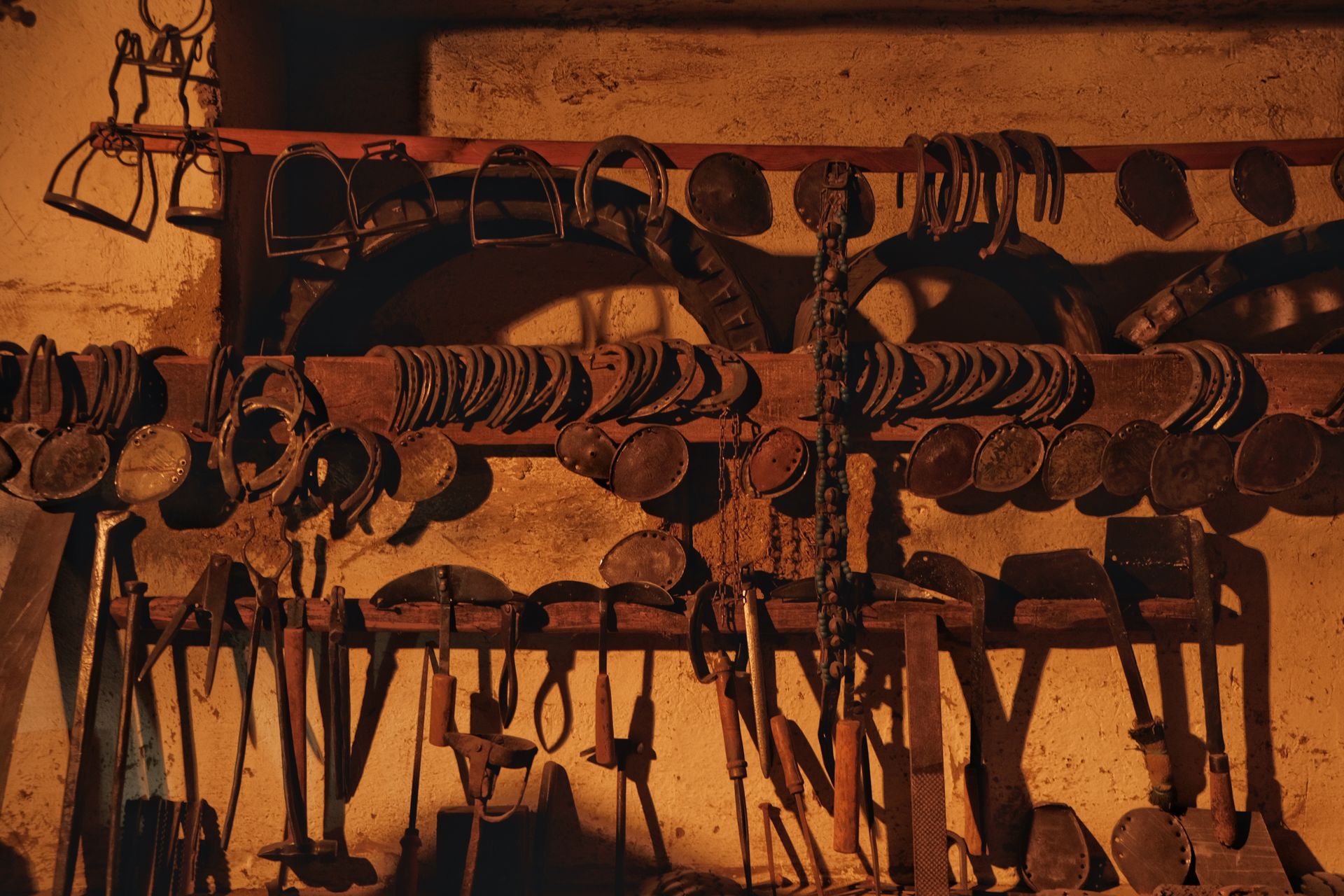
The bridle bit should be properly fitted to the horse's mouth to avoid discomfort or injury. A bit that's too loose can be ineffective, while one that's too tight can cause pain.
A well-fitting bridle bit can make a big difference in your horse's comfort and responsiveness to cues. With practice and patience, you can learn to communicate effectively with your horse using the bridle bit.
Intriguing read: Horse Bridle Types
Lunging
Lunging is a common training technique that involves guiding a horse in circles around the handler, and a lunging whip is a crucial tool used for this purpose.
The lunging whip is long, usually ranging from 5 to 7 feet in length, with an additional lash that can also be several feet long.
This design allows the handler to maintain a safe distance while still being able to communicate effectively with the horse.
The primary use of a lunging whip is to direct and encourage the horse's movement, helping to develop balance, responsiveness, and flexibility without the weight of a rider.

A lunging whip is essential for groundwork training, where it acts more as an extension of the handler's arm than a tool for striking, used to cue and guide the horse by creating space and direction.
The whip is very long, typically between 180cm and 250cm, and has a flexible shaft made of carbon composite that can be telescopic.
Lunging whips can be quite bulky, and their primary use is limited to lunging and groundwork, making them not suitable for riding.
The price range for lunging whips is £20 to £150, making them a relatively affordable addition to a horse trainer's equipment.
Fiji Pony
The Fiji Pony Whip is a specific type of whip that's designed for use on ponies. It's typically around 5 to 6 feet long.
The lash on a Fiji Pony Whip is usually around 10 to 12 inches in length, which is shorter than some other types of whips.
The handle of a Fiji Pony Whip is often braided or made of leather, giving it a sturdy feel that's well-suited for the demands of working with ponies.
Vaulting

Vaulting whips are a specialized type used in the equestrian sport of vaulting, where athletes perform gymnastic and dance-like movements on a moving horse.
They're typically longer than other whips, measuring between 3 to 4 meters in length, plus an additional 2 to 5 meters for the lash. This allows the lunger to maintain control and direct the horse's movements in a large circle.
Vaulting whips are designed to be lightweight and flexible, enabling precise and gentle cues to the horse without causing discomfort.
Their primary purpose is to aid in communication, ensuring the horse maintains a steady pace and smooth movements, providing a stable platform for the vaulters to perform their routines safely and effectively.
Vaulting whips have a specific construction, featuring a long, flexible shaft that's typically covered in rubber or nylon.
Dressage
Dressage whips are a type of whip that's designed for subtle cues. They have a medium-length lash that's perfect for training or competitive events.
The handle of a dressage whip may be wrapped in alligator skin for added grip and comfort. This feature is especially helpful for riders who need to hold the whip firmly in place.
Dressage whips are traditionally made with a soft material that's easy to hold, such as the Perri's Sure Grip Dressage Whip. This design makes it easier to give precise cues to the horse.
The soft material and medium-length lash of a dressage whip make it an ideal choice for riders who want to communicate with their horse without startling them.
Frequently Asked Questions
What is the difference between a driving whip and a dressage whip?
The main difference between a driving whip and a dressage whip is their length, with driving whips being longer (53") and more suitable for ground work, while dressage whips are shorter (39") and better suited for riding.
Featured Images: pexels.com