Therapeutic horsemanship is a powerful tool for improving lives, and it all starts with horseback riding. This unique approach has been shown to have a profound impact on individuals with physical, emotional, or cognitive disabilities.
By providing a sense of freedom and empowerment, horseback riding can help individuals build confidence and self-esteem. In fact, studies have shown that participants in therapeutic horsemanship programs experience significant improvements in emotional well-being and social skills.
One of the key benefits of therapeutic horsemanship is its ability to promote physical therapy in a fun and engaging way. By riding and caring for horses, individuals can improve their balance, coordination, and strength, all while enjoying the therapeutic benefits of the experience.
You might like: Therapeutic Horsemanship of Hawaii
What is Therapeutic Horsemanship?
Therapeutic horsemanship is a type of equine-assisted therapy that combines horse riding and care with physical, emotional, and cognitive therapy.
This unique approach helps individuals with physical, emotional, or cognitive disabilities build confidence, develop life skills, and improve their overall well-being.
By working with horses, participants in therapeutic horsemanship programs can experience a sense of calm and relaxation, which can be especially beneficial for individuals with anxiety or stress.
Research has shown that equine-assisted therapy can lead to significant improvements in balance, coordination, and mobility for individuals with physical disabilities.
Many therapeutic horsemanship programs are designed for children, but adults can also benefit from the program's therapeutic benefits.
These programs often take place in a controlled environment, such as a riding arena or a specially designed therapy room, where participants can interact with horses and receive guidance from trained therapists.
The bond between a horse and its rider can be a powerful tool for building trust and confidence, which can translate to other areas of life.
In therapeutic horsemanship, the horse is not just a tool, but a partner in the therapeutic process, helping participants to achieve their goals and improve their quality of life.
Broaden your view: Dream a Dream Therapeutic Horsemanship
Benefits and Effects
Therapeutic horsemanship offers numerous benefits for individuals with physical, emotional, and cognitive challenges. Physical benefits include improved flexibility, balance, strength, and coordination, as well as enhanced trunk control and posture.
Riding a horse requires engagement of muscles in the abdomen, back, and pelvis, which can help improve balance and strength. This is especially true for individuals with conditions such as cerebral palsy, where hippotherapy has been shown to improve posture control.
Therapeutic horsemanship also has a profound impact on mental health, reducing stress and anxiety while promoting feelings of calmness and relaxation. Interacting with horses can decrease blood pressure, improve cholesterol levels, and boost mood.
One of the most significant benefits of therapeutic horsemanship is its ability to build confidence and self-esteem. Riders often develop a close emotional connection with their horse, which can translate to improved social skills and relationships.
Here are some of the specific benefits of therapeutic horsemanship:
- Improved gross and fine motor skills, balance, posture, and coordination
- Increased independence at home and school
- Increased range of motion and muscle tone
- Increased self-esteem, due to the acquisition of skills in a recognized sport
Therapeutic horsemanship can be particularly beneficial for individuals with conditions such as autism, cerebral palsy, developmental delay, and multiple sclerosis.
Types of Programs
Therapeutic horsemanship offers a variety of programs to cater to different needs and abilities. Most research has focused on the physical benefits of therapeutic work with horses, but EAAT has also been used to treat other disabilities, such as autism, behavioral disorders, and psychiatric disorders.
Therapeutic riding programs are designed for people who need physical therapy or occupational therapy. These programs use specially trained horses and staff with professional training in occupational therapy, physical therapy, and speech therapy.
People with a range of abilities benefit from therapeutic riding, including those with amputation, autism, cerebral palsy, and visual and auditory disabilities. The physical action of these activities helps build strength and balance, and improves spatial awareness.
Here are some of the conditions that therapeutic riding programs can help with:
- Amputation
- Autism
- Cerebral palsy
- Down syndrome
- Emotional or behavioral difficulties
- Muscular dystrophy
- Multiple sclerosis
- Paralysis
- Spina bifida
- Spinal cord injury
- Strokes
- Traumatic brain injuries
- Visual and auditory disabilities
Healing Horses also offers specialized programs for children in foster care and veterans with PTSD, traumatic brain injury, and physical disabilities.
Hippotherapy vs. Horseback Therapy
Hippotherapy uses a horse as a treatment aid, led by a specially trained therapist, with the horse providing physical and sensory input as patients work toward specific treatment goals.
A key difference between hippotherapy and therapeutic riding is the focus of the activity. Hippotherapy is a type of treatment, while therapeutic riding is more of a form of exercise and recreation.
Therapeutic riding has many advantages, including physical, emotional, and psychological benefits. It's not just about riding for fun, but also about building strength, endurance, and coordination.
During a therapeutic riding session, riders are not galloping through fields, but rather stretching, warming up, and moving in different directions to stimulate muscles.
History
Hippotherapy was developed in the 1960s in Germany, Austria, and Switzerland as an adjunct to traditional physical therapy.
The treatment was conducted by a physiotherapist, a specially trained horse, and a horse handler. The physiotherapist gave directives to the horse handler as to the gait, tempo, cadence, and direction for the horse to perform.
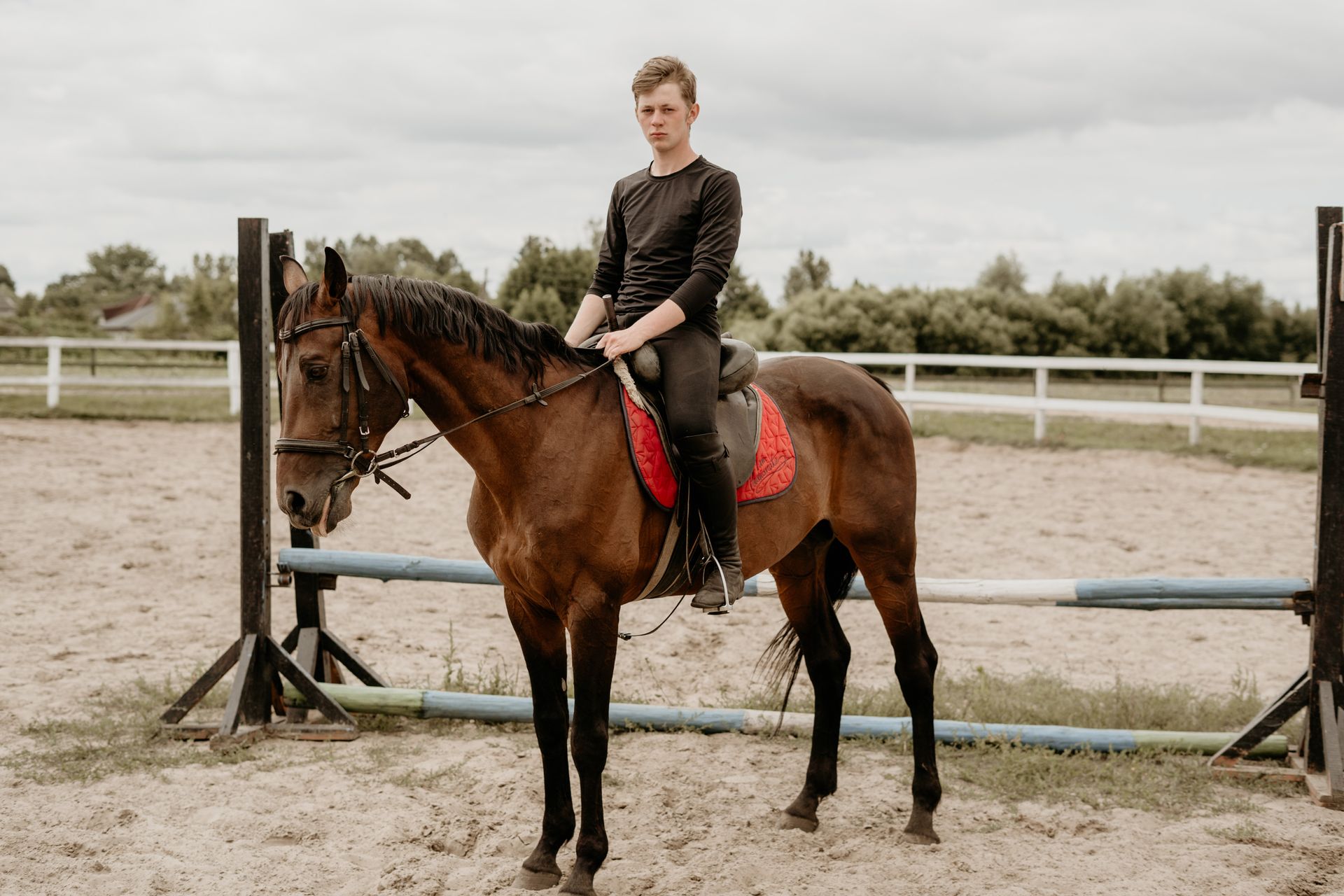
The first standardized hippotherapy curriculum was formulated in the late 1980s by a group of Canadian and American therapists who travelled to Germany to learn about hippotherapy and brought the new discipline back to North America upon their return.
In 1992, the American Hippotherapy Association (AHA) was formed in the United States, establishing official standards of practice and formalizing therapist educational curriculum processes for occupational, physical, and speech therapists.
Therapeutic riding was used to address orthopaedic dysfunctions such as scoliosis in Germany around 1952.
The first riding centers in North America began in the 1960s, and the Community Association of Riding of the Disabled (CARD) was formed in 1960 to introduce therapeutic riding to the United States and Canada.
The Cheff Therapeutic Riding Center for the Handicapped was established in Michigan in 1969 and remains the oldest center specifically for people with disabilities in the United States.
The North American Riding for Handicapped Association (NARHA) was founded in 1969 to serve as an advisory body to the various riding for disabled groups across the United States and its neighboring countries.
Programs

Healing Horses offers a variety of programs to help people with special needs and disabilities.
Therapeutic riding programs are designed to help people with physical therapy or occupational therapy needs. These programs use specially trained horses and staff with professional training in occupational therapy, physical therapy, and speech therapy.
People with a range of abilities can benefit from therapeutic riding, including those with amputation, autism, cerebral palsy, and multiple sclerosis.
The physical action of therapeutic riding helps people build strength and balance, and improve spatial awareness. It's also a great way to enhance physical endurance and dexterity.
Some therapeutic riding programs offer horse-and-buggy programs for those who can't sit on a horse.
Riding is also a fun and enjoyable way to spend time, and many people find it to be a great exercise option.
Healing Horses offers a Foster Care Program, which provides lessons and horse care skills to children in the foster care system.
The program helps kids develop healing bonds with horses and staff, and has seen huge success with the kids involved.
Healing Horses also offers Summer Camps for kids who can ride independently. The camps run for one week and cost $250.
Here are some of the conditions that therapeutic riding programs can help with:
- Amputation
- Autism
- Cerebral palsy
- Down syndrome
- Emotional or behavioral difficulties
- Muscular dystrophy
- Multiple sclerosis
- Paralysis
- Spina bifida
- Spinal cord injury
- Strokes
- Traumatic brain injuries
- Visual and auditory disabilities
Getting Involved
Getting started with therapeutic riding requires seeking out trained instructors, which can be found through the Professional Association of Therapeutic Horsemanship International (PATH Intl.).
New riders should expect to take a minimum of 6 to 8 lessons to learn the basics, as it's a skill-based sport that takes time to learn.
Who Is Qualified?
To get involved with therapeutic riding, you'll need to meet certain qualifications. Riders must weigh less than 185 pounds to protect the health of the horses.
You'll also need to have enough trunk control to sit up with little or no support. This is crucial for your safety while riding.
Some ability to communicate is also a must. This will help you and the instructors understand each other during the riding sessions.
Getting Started

Getting Started is a crucial step in getting involved with adaptive riding. It's essential to seek out trained instructors who are certified by the Professional Association of Therapeutic Horsemanship International (PATH Intl.).
You'll need to take a minimum of 6 to 8 lessons to learn the basics, so be patient and don't get discouraged if you don't pick it up right away. This is a skill-based sport that takes time to learn.
Volunteering Opportunities
Getting involved with a therapeutic program can be a rewarding experience, and they're always looking for dedicated volunteers to assist with their lesson program. You can contact them at (302) 995-7670 to learn more.
Volunteers play a crucial role in the program, assisting as side walkers and leaders. As a volunteer, you'll have the opportunity to make a positive impact on students' lives.
Some students require as much as three volunteers per lesson, so the program is always looking for more volunteers to join their team. This highlights the importance of volunteers in supporting the program's mission.
Foster Care Program

If you're looking for a way to make a difference in the lives of children in foster care, consider getting involved with Healing Horses' Foster Care Program.
This program offers a unique opportunity for kids to develop healing bonds with horses and staff through lessons in grooming, tacking, groundwork, and riding skills.
Kids in the foster care system have experienced trauma, and this program provides a safe and nurturing environment for them to learn and grow.
Healing Horses has seen huge success with the kids involved in this program, and it's a great way to make a positive impact on their lives.
Stroke Survivors
If you're looking to get involved in equine-assisted therapy, consider partnering with a therapeutic riding program that specializes in working with stroke survivors.
These programs have seen major improvements in participants who have bodily weakness on one side. The horse's motion stimulates muscles throughout the body and imitates the human walk, making it an ideal therapy for stroke survivors.
Riding therapy is especially beneficial for stroke survivors because the horse works both sides of the body equally without prejudice. This helps to regain mobility and strength in the affected areas.
As a result, stroke survivors who participate in riding therapy can see improvements in their physical abilities, including improved gross and fine motor skills, balance, posture, and coordination.
Some specific benefits of equine-assisted therapy for stroke survivors include improved muscle tone, increased range of motion, and increased independence at home and school.
Here are some conditions that equine-assisted therapy can help with, including but not limited to:
- Autism
- Cerebral Palsy
- Developmental Delay
- Down Syndrome
- Muscular Dystrophy
- Sensory Disorders
- Spina Bifida
Keep in mind that every individual is unique, and the benefits of equine-assisted therapy may vary depending on the person's specific needs and circumstances.
Specific Programs and Services
Equine-assisted services can help individuals with various mental health issues, such as anxiety, depression, and attention-deficit/hyperactivity disorder. These programs typically involve working with specially trained horses and learning to care for them, which can improve self-esteem, self-awareness, confidence, and empathy.
Caring for horses requires concentration, selflessness, and teamwork, making it a valuable experience for those seeking to develop these skills. Equine therapy programs can help treat a range of issues, including behavioral problems, relationship issues, and grief.
Therapeutic riding programs use specially trained horses and staff with professional training in occupational therapy, physical therapy, and speech therapy. These programs can help individuals with physical disabilities or special needs, such as amputation, autism, and cerebral palsy.
Some examples of conditions that therapeutic riding programs can help with include:
- Amputation
- Autism
- Cerebral palsy
- Down syndrome
- Emotional or behavioral difficulties
- Muscular dystrophy
- Multiple sclerosis
- Paralysis
- Spina bifida
- Spinal cord injury
- Strokes
- Traumatic brain injuries
- Visual and auditory disabilities
Healing Horses, a 501(c)(3) nonprofit organization, offers equine-assisted activities for children and adults of all ages and abilities. They also offer a PATH Certified Instruction program, which provides specialized instruction for therapeutic riding programs.
Accreditation and Certification
Accreditation and certification are crucial for ensuring the quality and safety of therapeutic horsemanship programs.
In Canada, centers and instructors for Therapeutic Riding are regulated by CanTRA, also known as The Canadian Therapeutic Riding Association. The field of equine-facilitated wellness is regulated by Equine Facilitated Wellness – Canada (EFW-Can).
In the UK, there are a growing number of training providers offering externally accredited equine-assisted and facilitated qualifications. There is currently no overarching regulating body in the UK.
In the US, the Professional Association of Therapeutic Horsemanship (PATH) accredits centers and instructors that provide equine-assisted therapy. The Equine Assisted Growth and Learning Association (EAGALA) focuses only on mental health aspects of human-equine interaction.
The American Hippotherapy Association offers certification for working as a hippotherapist.
Riding
Riding can be a great way to improve your well-being, especially when done therapeutically.
Therapeutic riding is offered at Carousel Park, where lessons are available six days a week, except for Fridays.
The cost of a six-week therapeutic riding session is $360, but financial assistance may be available for those who qualify.
Therapeutic riding is a great way to set goals and work towards achieving them, just like the Carousel Park program encourages its students to do.
The Carousel Park therapeutic riding program is a premier accredited center, specifically certified by Professional Association of Therapeutic Horsemanship International.
Lessons are available for riders 4-years-old and up, as part of the Therapeutic Riding and Ongoing Training (TROT) program.
Frequently Asked Questions
How much does a horse therapy session cost?
Horse therapy sessions can cost between $40 to $250 per session, depending on the type of therapy and location. Learn more about the different types of horse therapy and their costs to find the best option for you.
How long does it take to become a therapeutic horse trainer?
Becoming a therapeutic horse trainer can take up to two years, involving a certification process with multiple options to prove qualifications. Learn more about the steps to become a certified therapeutic riding instructor.
Featured Images: pexels.com