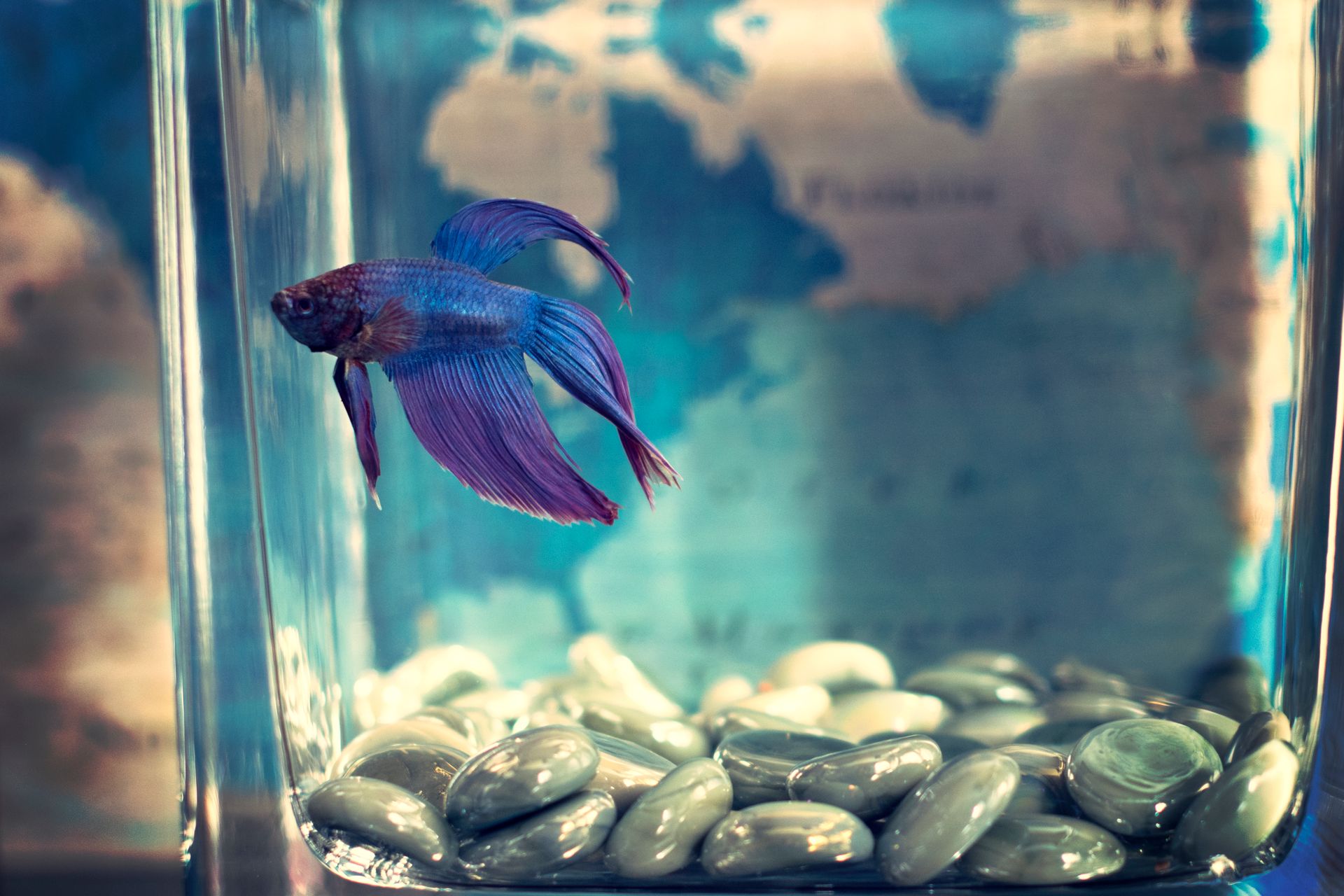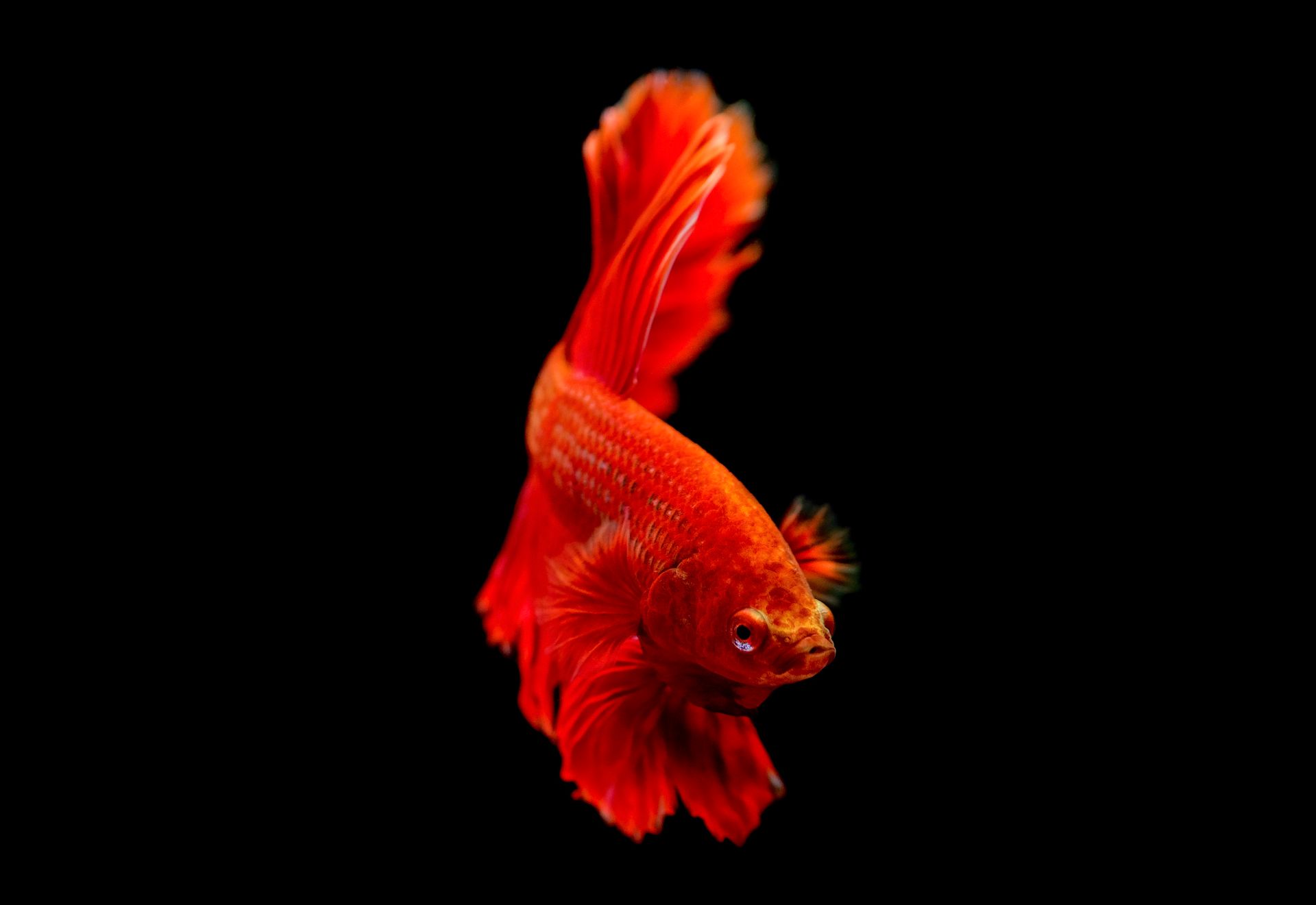
Swim bladder disease is a common issue affecting betta fish, causing them to swim erratically or float at the surface.
Symptoms of swim bladder disease include difficulty swimming, floating, or sinking, as well as loss of appetite and lethargy.
Betta fish with swim bladder disease may also exhibit a curved or twisted body shape due to the accumulation of fluid in the abdominal cavity.
In severe cases, swim bladder disease can lead to the fish becoming stuck in one position, unable to move or feed properly.
The underlying causes of swim bladder disease in betta fish are often related to poor water quality, inadequate diet, or physical trauma.
Infections, parasites, and genetic predisposition can also contribute to the development of swim bladder disease in betta fish.
To manage swim bladder disease, it's essential to provide a stable and healthy environment for your betta fish, including regular water changes and a balanced diet.
Treating swim bladder disease often involves a combination of medication, dietary adjustments, and environmental modifications.
What Are the Symptoms of Swim Bladder Disease
Swim bladder disease can be a real challenge to identify in betta fish. The symptoms can be quite varied, but some common signs include floating to the top of the tank, sinking to the bottom, and floating upside down.
Floating to the top of the tank is a common symptom, as is sinking to the bottom. You may also notice your betta floating vertically or on their sides.
A curved S-like spine and a swollen abdomen are also physical symptoms of the disease. Sometimes, affected fish will continue to eat normally, while others may be unable or unwilling to feed at all.
Here are some key symptoms to look out for:
- Floating to the top of the tank
- Sinking to the bottom
- Floating upside down
- Floating vertically
- Floating on their sides
- Curved S-like spine
- Swollen abdomen
It's worth noting that some betta fish may exhibit unusual swimming patterns, such as swimming sideways, sinking at the bottom area, or struggling to maintain a normal position.
Causes and Risk Factors
Swim bladder disease in betta fish can be caused by a variety of factors. Overfeeding is a common cause, leading to constipation and enlargement of the stomach, which puts pressure on the swim bladder.
Betta fish have a habit of gobbling their food quickly, which can cause them to swallow air and expand their stomachs. This can lead to swimming disorder.
External causes of swim bladder disease include shipping, poor tank parameters, and constipation. Internal causes include bacterial infections and internal parasites.
The temperature of the water can also affect the swim bladder. A temperature drop slows down digestion, causing the gastrointestinal tract to enlarge due to undigested food, which puts pressure on the swim bladder.
Dirty or unbalanced water conditions can stress your betta, making it more susceptible to infections or swim bladder issues. Infections, such as bacterial or parasitic infections, can also cause inflammation or swelling that affects the swim bladder's ability to function properly.
Here are some common causes of swim bladder disease in betta fish:
- Overfeeding
- Poor water quality
- Bacterial or parasitic infections
- Improper tank conditions
- Constipation
- Shipping
These causes can be prevented or minimized by providing a healthy environment for your betta fish, including a balanced diet, proper water quality, and suitable tank conditions.
Treatment and Prevention
Maintaining a clean tank and stable water conditions is crucial to prevent swim bladder disease. Keeping the water temperature constant at 78 degrees Fahrenheit will help your betta's digestion and immune function.
Sudden temperature changes can stress your betta and compromise its immune system. Use a reliable aquarium heater and thermometer to maintain stable water temperature.
Do not overfeed your betta, and instead feed small portions several times a day. Include one "fasting" day each week to allow your betta's digestive system to rest.
Here are the 3 goals to keep in mind when treating swim bladder disease:
Preventing swim bladder disease is easier than treating it. By maintaining proper tank conditions and feeding habits, you can keep your betta healthy and happy.
Treatment
Treating swim bladder disease in your betta fish requires a multi-step approach. The first step is to identify and address the underlying cause of the problem.
The treatment goals are to clear the blockage causing constipation, reduce internal swelling, and treat the primary cause, such as a bacterial infection or parasite.
Explore further: Dog Diseases That Cause Diarrhea

To clear the blockage, you can try feeding your betta small amounts of live or frozen foods like brine shrimp or bloodworms. This can help stimulate bowel movements and relieve constipation.
In some cases, a blockage may be caused by a buildup of feces or undigested food. To address this, you can try using a siphon to remove debris from the tank and improve water circulation.
If the underlying cause is a bacterial infection, you may need to use antibiotics to clear up the infection. However, be sure to follow the instructions carefully and complete the full course of treatment.
Reducing internal swelling can be achieved through a combination of good water quality and a balanced diet. Make sure to provide your betta with plenty of hiding places and plants to help reduce stress.
In very severe cases, if your betta shows no sign of recovery despite extensive treatment, euthanasia may be the most humane course of action.
Here are 3 key goals to keep in mind when treating swim bladder disease:
Clear the blockage that's causing constipationReduce internal swelling that's happening within the bodyTreat the underlying, primary cause (i.e., a bacterial infection or parasite)
If you suspect that the swim bladder disease was caused by the stresses of shipping, get your betta fish out of that shipping container and into a tank with conditioned water as soon as possible.
Expand your knowledge: How Do Horses Help Humans Mentally
Prevention of Swim Bladder Disease
Prevention of Swim Bladder Disease is key to keeping your betta healthy and happy. Maintaining a clean tank and stable water conditions is crucial, as bettas are sensitive to poor water conditions and abrupt changes in water parameters.
Stable water temperature is also essential, with a constant 78 degrees Fahrenheit helping your betta's digestion and immune function. Avoid large swings in temperature, as sudden fluctuations can stress your betta and compromise its immune system.
Feeding your betta high-quality foods is vital, and soaking dried foods in tank water before feeding can help them pre-absorb water and expand before entering feeding. Thaw frozen foods before offering them to your betta, and avoid overfeeding, as this can lead to constipation and digestive issues.
To prevent swim bladder disease, it's also essential to fast your betta regularly, allowing their digestive system to rest and process any excess food. Consider adding peas or daphnia to their feeding regimen monthly or quarterly, as these can help promote healthy digestion.
For your interest: Mini Pinscher Food to Avoid
Here are some key prevention tips to keep in mind:
- Keep your tank clean and perform partial water changes regularly
- Maintain a stable water temperature between 78-80°F
- Feed high-quality foods and soak dried foods before feeding
- Avoid overfeeding and fast your betta regularly
- Add peas or daphnia to their feeding regimen monthly or quarterly
By following these prevention tips, you can significantly reduce the risk of your betta developing swim bladder disease and keep them happy and healthy for years to come.
Conclusion and Additional Tips
Swim bladder disease in betta fish can be treated, especially when detected early.
Understanding the root cause of your betta fish's swim bladder disease is key to effective treatment.
Acting quickly to address the issue can make all the difference in your betta fish's recovery.
Early detection is crucial, as it allows you to take swift action and prevent the disease from progressing.
Success in treating swim bladder disease in betta fish simply boils down to understanding the root cause and acting accordingly.
With proper care and attention, your betta fish can make a full recovery from swim bladder disease.
For your interest: Signs of Ivdd in Dachshunds
Frequently Asked Questions
What is the fastest way to cure swim bladder?
To cure swim bladder, use a swimbladder treatment specifically designed to target bacterial infections, following the dosage calculator and guidelines carefully. Effective treatment requires attention to detail and adherence to the product's instructions.
How long do betta fish live with swim bladder disease?
Survival time for betta fish with swim bladder disease varies from a few days to a couple of weeks, depending on severity and treatment. Early care is crucial for recovery
How to fix a fish with swim bladder disorder?
To fix a fish with swim bladder disorder, try using aquarium salt and feeding a cooked de-shelled pea daily, or consider a 3-day fast to help alleviate constipation and promote recovery. Fasting for up to 7 days is generally safe for fish and may be recommended in some cases.
Does swim bladder disease hurt fish?
Swim bladder disease can be extremely stressful for fish, weakening their immune system and making them more susceptible to other health issues. Untreated, it can lead to malnutrition and other complications, so prompt treatment is crucial.
Featured Images: pexels.com