The Siberian Flying Squirrel is a fascinating creature that calls the boreal forests of Russia and northeast China home. These tiny mammals are expert gliders, using a membrane called a patagium to cover their arms and legs, allowing them to soar through the trees.
Their habitat consists of coniferous forests, often dominated by spruce, fir, and pine trees, which provide the perfect environment for their gliding abilities.
The Siberian Flying Squirrel is well adapted to its cold, harsh environment, with a thick coat of fur that helps to keep them warm in temperatures as low as -50°C.
General Information
The Siberian flying squirrel is a fascinating creature.
It's found in old deciduous broadleaf forests, which are a crucial part of its habitat.
These forests are where the Siberian flying squirrel can be found nesting, gliding, and feeding.
Description
The Siberian flying squirrel is a remarkable creature. A female weighs around 150 grams, with males being slightly smaller on average.
Their bodies are quite small, measuring 13-20 cm in length. The tail is also relatively short, ranging from 9-14 cm in length.
One of the most distinctive features of flying squirrels is their large, strikingly black eyes. Their coats are grey all over, with a slight difference in color between the abdomen and the back.
A black stripe runs between the neck and the forelimb, adding to their unique appearance. The furry glide membrane, or patagium, is a key feature of flying squirrels.
This membrane stretches between the front and rear legs, allowing them to glide from tree to tree with ease. They can cover distances of over a hundred meters with a single glide.
Broaden your view: Do Squirrels Attack Dogs
Background
The Siberian flying squirrel is an endangered species that requires specific habitats for its survival.
In South Korea, the forests that Pteromys volans calls home are predominantly old deciduous broadleaf forests.
Understanding the habitat characteristics of P. volans is crucial for conservation and management efforts.
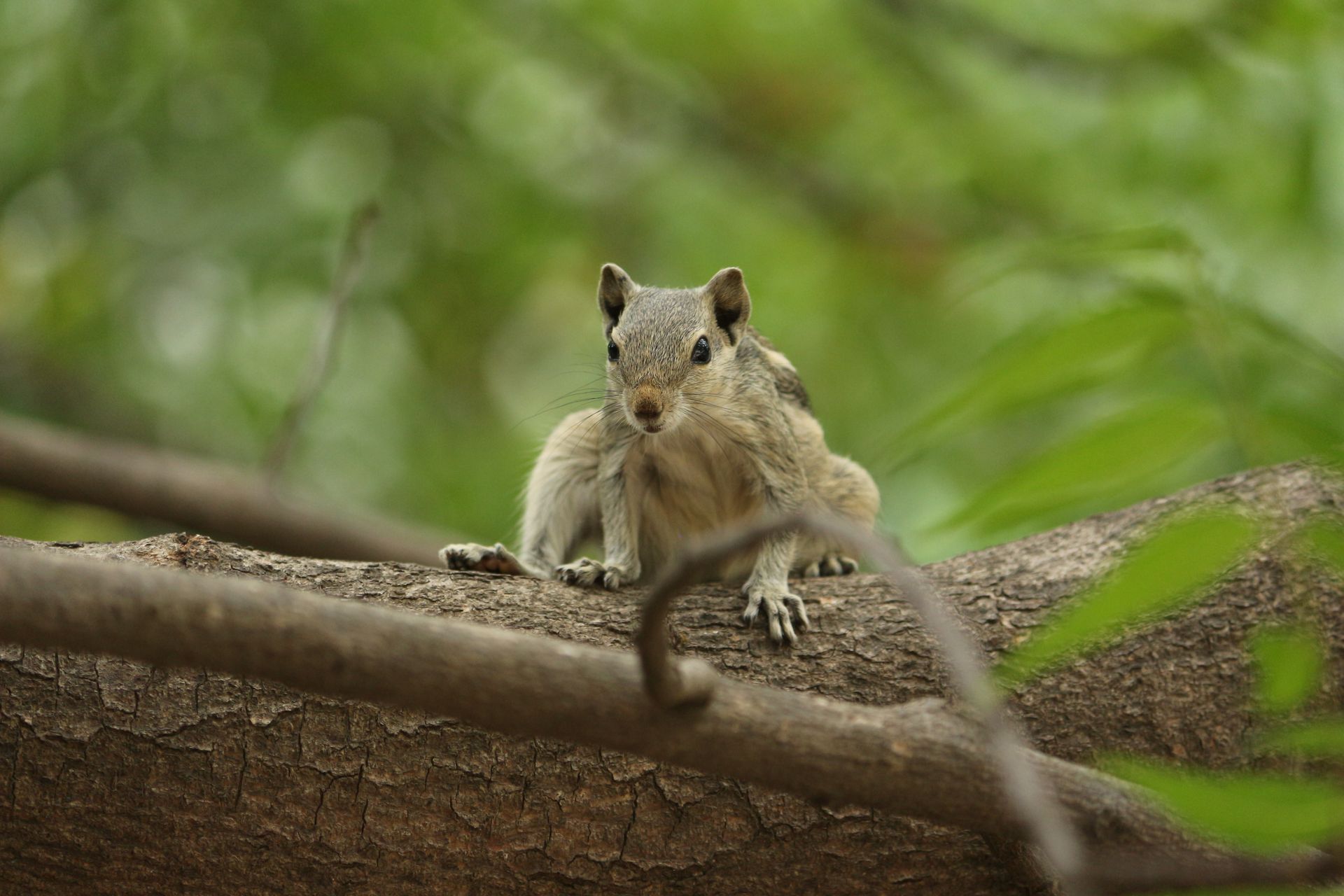
The species relies on these forests for nesting, gliding, and feeding.
Fecal droppings were found in 411 forest sites in South Korea, providing valuable data for this study.
Old deciduous broadleaf forests occupy a much larger area in Korea than other forest types.
Further studies are needed to determine whether P. volans prefers broadleaf forests or if it's simply a matter of area size.
Profile
The Siberian Flying Squirrel is a shy, nocturnal creature with huge eyes and an impressive leap.
These remarkable animals inhabit forests as far West as Finland and as far East as the Pacific Ocean.
They're known to choose hollow trees with big firs providing coverage to hide their entrances.
Each squirrel has a selection of these hollows to choose from, and it stays in a different one depending on the season or its reproductive state.
Facts Overview
The Siberian flying squirrel is a fascinating creature, and here are some key facts to get you started:
They mate early in the spring, with the first mating season beginning in late March in southern Finland.
The female gives birth to a litter of usually two or three young, each weighing about 5 grams.
Gestation lasts for about five weeks.
They can live up to about five years.
Here's a breakdown of the average reproductive features of the Siberian flying squirrel:
- Average number of offspring: 2.6
- Average gestation period: 30 days
Geographic and Habitat Information
The Siberian flying squirrel is found in a vast geographic range, spanning across Scandinavia, Russia, northern Asia to Siberia, and even parts of northern China along the Pacific coast. This wide distribution is a testament to their adaptability and ability to thrive in diverse environments.
They inhabit the northern part of the Old World, which includes Europe, Asia, and northern Africa, as classified under the Palearctic biogeographic region.
Here's a breakdown of their habitat range:
- Scandinavia
- Russia
- Northern Asia to Siberia
- Pacific coast of northern China
Geographic Range
The Pteromys volans is a species that's quite widespread, covering a significant portion of the Old World. It's found in Scandinavia, Russia, and extends across northern Asia to Siberia.
Let's break down its geographic range a bit further. Here's a list of the biogeographic regions where it's typically found:
- palearctic
This region includes Europe, Asia, and northern Africa, where the Pteromys volans can be found living in the wild.
Habitat Fragmentation Remains a Primary Concern
Habitat fragmentation remains a primary concern for flying squirrel populations. This is because their movements are significantly affected by the fragmentation of their habitats.
The global population of flying squirrels is large enough to ensure the species' survival for now, but local populations in many countries are dropping fast. Habitat loss is also a major issue.
Even within viable habitats, flying squirrels need to be able to move from tree to tree to find each other to breed, and this is where they struggle. This is a problem in areas where their numbers were previously high.
Recent surveys are showing declines in these areas, and these declines can be directly attributed to the fragmentation and destruction of old-growth forests.
Recommended read: Indian Giant Squirrel Habitat
Home Range and Habitat Use in South Korea
In South Korea, Siberian flying squirrels have a specific home range size and core area. Home range size and core area of Siberian flying squirrels at Mt. Baekwoon, Gangwon Province, South Korea, are particularly notable.
Check this out: Large Rodents of South America
The home range of these squirrels is relatively small, allowing them to efficiently forage for food and avoid predators. Daily movement of Siberian flying squirrels at Mt. Baekwoon, Gangwon Province, South Korea, is also quite limited, suggesting a strong connection to their home territory.
Their habitat use is likely influenced by the availability of food and shelter in their home range. Home range size and core area of Siberian flying squirrels at Mt. Baekwoon, Gangwon Province, South Korea, may vary depending on seasonal changes in their environment.
For more insights, see: Birds Attack Squirrels
Frequently Asked Questions
Can you have a Siberian flying squirrel as a pet?
Siberian flying squirrels can make good pets for experienced owners, but they require a strong bond and plenty of time commitment. Consider rescuing one from an ethical rehabilitation site to bring a unique and loving companion into your life
What eats siberian flying squirrels?
Siberian flying squirrels are preyed upon by various predators, including tree snakes, raccoons, owls, martens, fishers, coyotes, bobcats, and feral cats. In their native habitats, these predators play a crucial role in regulating flying squirrel populations.
What is the behavior of the Siberian flying squirrel?
Siberian flying squirrels are nocturnal and shy, typically active at night, but females with young may also forage during the day. They don't truly hibernate, but may sleep for several days during winter.
Featured Images: pexels.com