Cuba is a fly fisher's paradise, with its crystal-clear waters and abundant marine life. The island's unique geography creates a perfect blend of saltwater and freshwater habitats, making it an ideal destination for both beginners and experienced anglers.
The best time to fly fish in Cuba is during the dry season, which typically runs from December to April. This period offers the most favorable fishing conditions, with calm seas and consistent catch rates.
Cuba's diverse fish species include bonefish, tarpon, and permit, each with its own unique characteristics and challenges. Bonefish, in particular, are a popular target for fly fishers, known for their speed and agility.
The island's most famous fly fishing destinations are the flats of the Jardines de la Reina archipelago and the coast of Cayo Largo. These areas offer exceptional fishing opportunities, with numerous species and a high concentration of fish.
Fishing in Cuba
Fishing in Cuba is a unique experience, with a focus on catching species like the bonefish and tarpon. The country's coastline offers a diverse range of fishing environments, from shallow flats to coral reefs.
The best time to fish in Cuba is during the dry season, from December to April, when the calm waters and clear skies make it ideal for spotting fish. This period also coincides with the peak tourist season.
The island's warm waters and coral reefs are home to a variety of fish species, including tarpon, bonefish, and permit. These species can be found in the coastal waters and are a major draw for fly fishermen.
Cuba's fishing regulations are relatively relaxed, with no minimum size limits for most species. However, there are restrictions on the number of fish that can be caught per day, and a catch-and-release policy is encouraged to conserve the fish population.
Saltwater Species
Cuba is renowned for its incredible saltwater fly-fishing, particularly in the Jardines de la Reina.
Tarpon are one of the most exciting and challenging game fish you can catch on a fly rod, and the Jardines de la Reina offers some of the best sighted flats Tarpon fishing available.
Migratory Tarpon will start to increase in numbers from February onwards, with May being the peak month, and can weigh up to and beyond 120lbs.
Bonefish are the most numerous and popular of all the flats species, offering fantastic sport on a fly rod.
Bonefish will run with a force and vigour that will challenge your confidence in your fishing gear when hooked in shallow water.
Permit are one of the most fickle yet rewarding of all saltwater game fish, and good-sized Permit in the 15-45lb range are resident at the Jardines de la Reina in decent numbers.
Grand Slams consisting of a Bonefish, Tarpon and Permit in one day are a possibility every week.
Barracuda and Jack Crevalle are just two of the many sporting fish that can be found in the flats, creeks, channels and reefs.
Guides and Equipment
Your guides in Cuba will be well-trained and experienced, having spent up to 2 years honing their skills and getting to know the water. They'll speak reasonable English, so you shouldn't have trouble covering the fishing basics.
Skiffs used for fishing are equipped with 70-80HP engines and guide poling platforms, allowing you to cover the water quickly and easily. They also come with radios for communication with other guides and the motherboat.
Here's a quick rundown of the equipment you can expect to use:
- Loop fly fishing rods, including the #12 Loop OPTi Salt 1290-3A and #10 Loop OPTi Salt 1090-3A
- Loop fly fishing reels, such as the LOOP Opti Big and the Opti Megaloop
- Tiemco 600 SP 2/0 and 4/0 hooks for tying flies
- Gamakatsu 5/0 circle hooks
- Owner hooks, which are preferred by the guides
Guides and Skiffs
The guides on the JDR are extensively trained professionals who have spent up to 2 years honing their skills and getting to know the water. They're also fluent in English, so you can rest assured that you'll be able to communicate effectively.
You'll be fishing with a guide who's familiar with the area and knows the best spots to catch fish. All guides speak reasonable English, although some may be more fluent than others.
The skiffs used for fishing have guide poling platforms and are equipped with 70-80HP engines, allowing you to cover the water quickly and efficiently.
Here's a breakdown of the skiff features:
- Guide poling platforms
- 70-80HP engines
- Radios for communication with other guides and the motherboat
Equipment List Video Series
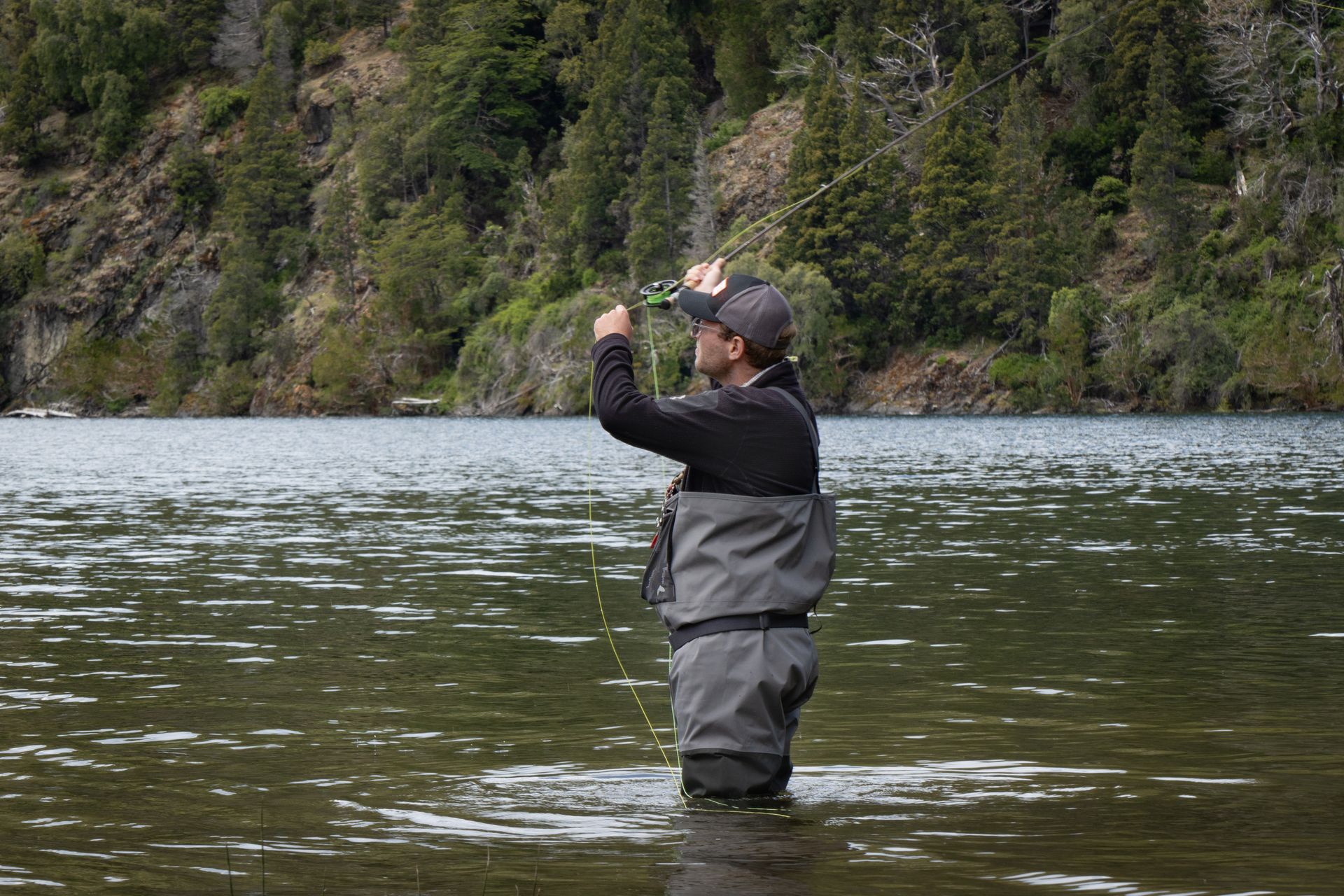
If you're planning a fly fishing trip to Cuba, you'll want to make sure you have the right gear. Essential flies for fly fishing in Cuba include patterns like the Hare's Ear, Elk Hair Caddis, and Stimulator.
To cast your line effectively, you'll need the right fly rod and reel. Fly rods and reels for fly fishing in Cuba typically range from 7 to 10 feet in length and have a medium to heavy action. This will help you handle the strong currents and winds you'll encounter in Cuba.
Fly lines, leaders, and tippet are also crucial for a successful trip. Look for a weight-forward fly line that's specifically designed for saltwater fishing, and consider a leader that's around 9 to 12 feet long with a tippet of around 18 to 24 inches.
When it comes to staying comfortable in the Cuban sun, select apparel and sunglasses that are designed for outdoor use. Look for clothing with built-in UPF protection and polarized sunglasses that can help reduce glare on the water.
Check this out: Fly Fishing Line
Wading boots are a must-have for any fly fishing trip in Cuba, and you'll want to pack a comfortable and supportive pair that can handle the demands of wading in the water. Consider a pair with a good grip and ankle support to help prevent slips and falls.
Here's a summary of the essential gear you'll need for a fly fishing trip to Cuba:
- Essential flies: Hare's Ear, Elk Hair Caddis, Stimulator
- Recommended fly rod and reel length: 7-10 feet, medium to heavy action
- Recommended leader length: 9-12 feet, tippet: 18-24 inches
- Recommended apparel: UPF-protected clothing, polarized sunglasses
- Recommended wading boots: Good grip, ankle support
The Equipment
When fishing in Cuba, you'll want to consider the equipment you'll need to tackle the diverse fish species. The Loop fly fishing equipment is a great option, and it's often provided by guides for free.
The Loop OPTi Salt series rods, such as the #12, #10, and #8 models, are popular choices among anglers. These rods feature a strong cross-weave blank and the new x-grip.
Reels are also an essential part of the setup, with the LOOP Opti Big and Opti Megaloop being used for tarpon fishing.
Take a look at this: Fishing Rods
Tarpon leaders with 80-120lbs shock tippets are recommended for targeting large tarpon, as they can be quite leader shy. However, the loop knot used to attach the fly to the leader is surprisingly effective and easy to tie.
A simple yet effective loop knot can be used to attach the fly to the leader. This knot is created by tying a loop in the shock tippet, then passing the end of the tippet through the eye of the hook and back through the loop.
Live-aboard Yachts
The location of the Jardines de la Reina, 3hrs sail from the port of Jucaro on the Southern coast of Cuba, meant that access to the huge expanse of flats and mangrove islands was out of necessity by boat.
The Tortuga was the original floating motherboat, centrally located and fixed on permanent moorings.
A live-aboard yacht like the Perola, which Justin will be hosting a trip to, offers a unique opportunity to explore these vast waters without the need for constant transportation.
The multitude of saltwater species in these waters can mean a rather hefty additional gear bill for saltwater novices or those who just want to be equipped for all species.
Tarpon Fishing
Tarpon fishing in Cuba is a thrilling experience, with a chance to catch a tarpon six times higher than on Cayo Largo. The area around Cayo Santa Maria is particularly renowned for its abundance of tarpon, with an average size of 50-70 lbs and the possibility of catching a 100 lb+ fish.
One of the biggest challenges in tarpon fishing is landing a large fish, as seen in the example of a 100 lb+ tarpon that broke the leader after a 4-hour fight. The tarpon's ability to break the leader is a testament to their strength and power.
Tarpon can live for up to 50 years and older, with one reported tarpon being 85 years old. This is a remarkable fact that highlights the importance of responsible fishing practices to ensure the sustainability of these magnificent creatures.
The best time to catch a tarpon is when they are migrating before spawning in the open sea, which is a key factor in the area's success as a tarpon fishing destination. The flats around Cayo Santa Maria are a hotspot for tarpon activity, with many resident tarpons and a chance to catch unspooked fish.
Take a look at this: Catch Azoth Tinged Fish
Cuba Travel
Cuba is a tropical island with a rich culture and stunning natural beauty, making it an ideal destination for fly fishing.
Located in the Caribbean Sea, Cuba is easily accessible by air, with Havana's José Martí International Airport being the main entry point for international flights.
The island has a unique geography, with mountains, forests, and coastlines offering a diverse range of fishing environments.
Cuba's tropical climate means warm weather year-round, with average temperatures ranging from 22°C to 30°C (72°F to 86°F).
The country has a relatively low cost of living, making it an affordable destination for travelers.
Cuba is a great destination for fly fishing due to its abundant marine life and diverse fishing environments, making it a paradise for anglers.
The island's rugged coastline offers a variety of fishing spots, from shallow coastal waters to deeper ocean areas.
Cuba has a well-developed tourist infrastructure, with many hotels and resorts catering to international visitors.
The official currency in Cuba is the Cuban peso, although US dollars are widely accepted.
Cuba has a unique culture, with a blend of Spanish, African, and indigenous influences, making it a fascinating destination for travelers.
The island is home to many UNESCO World Heritage Sites, including the historic city of Havana and the colonial town of Trinidad.
Cuba has a well-developed transportation network, with buses, taxis, and rental cars available for getting around.
English is not widely spoken in Cuba, so it's a good idea to learn some basic Spanish phrases before traveling.
Cuba has a relatively high level of safety, with low crime rates compared to other countries in the region.
The island has a well-developed healthcare system, with modern hospitals and medical facilities available in major cities.
Bonefish and More
When fishing for bonefish in Cuba, it's essential to have a variety of bonefish flies in your arsenal. Standard bonefish flies work well, but anglers should emphasize having different weights and colors such as tan, pearl, and white.
Readers also liked: How to Keep Flies off Horses?
A few must-have flies for bonefish include the Gotcha, Squimp, Avalon (Light-Weight and Heavy), Christmas Island Special, Peterson's Spawning Shrimp, Mantis Shrimp, Bonefish Scampi, and Sili Legs.
A fast action, 9' 8-weight rod is the preferred choice for most anglers when pursuing bonefish in Cuba. This rod is strong enough to handle unfavorable winds, yet light enough to not overpower the fish.
For permit and triggerfish, a fast action 9' 9-weight rod is typical, though a 10-weight can also work. The key is having a rod that can quickly and accurately deliver a cast.
If you're planning to fish for tarpon, bonefish, and permit in Cayo Largo, you're in for a treat. This destination offers a Grand Slam of all the locations in Cuba, with the added bonus of enjoying the beautiful beaches and activities with your family.
Broaden your view: Fish Breathing Fast
Featured Images: pexels.com