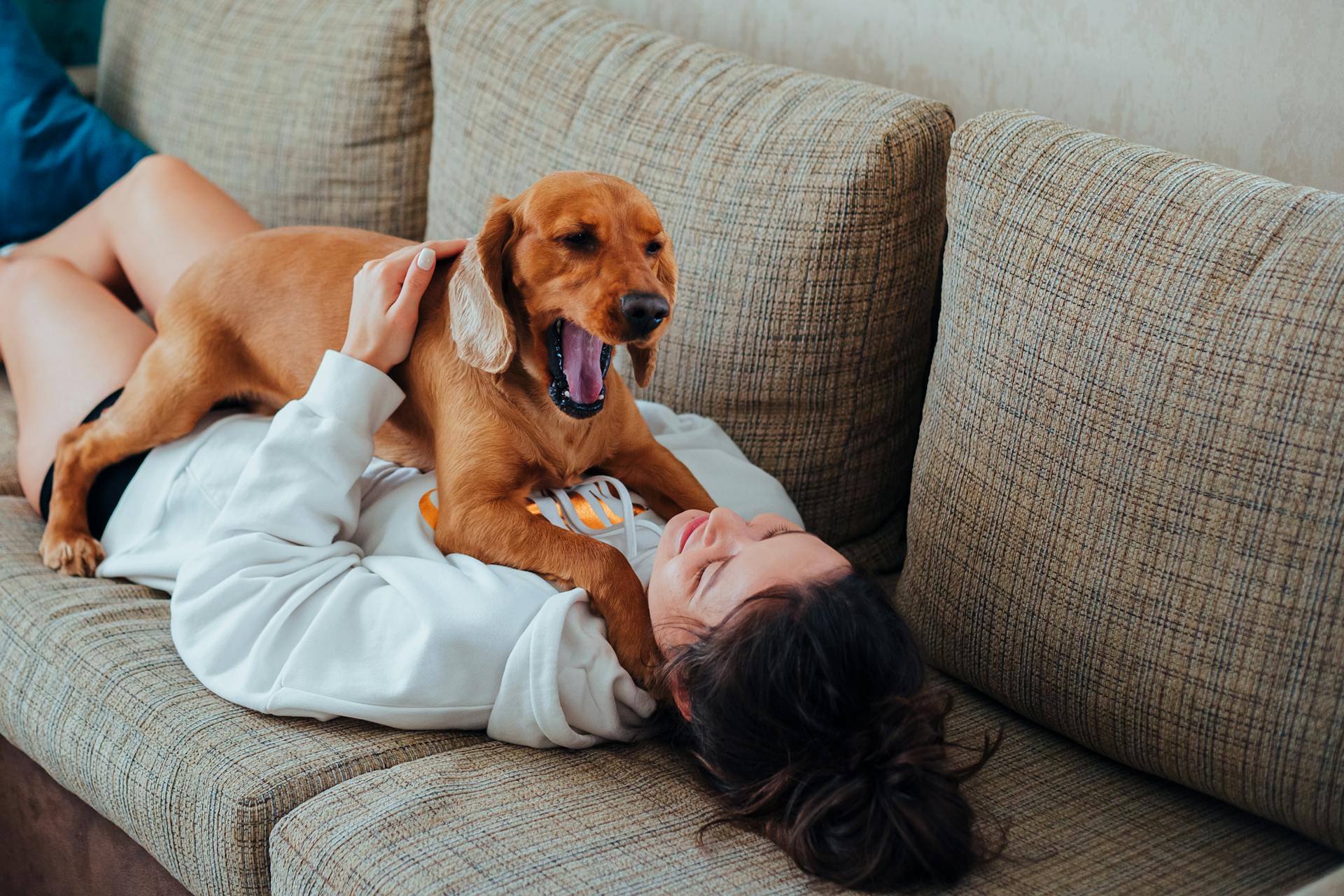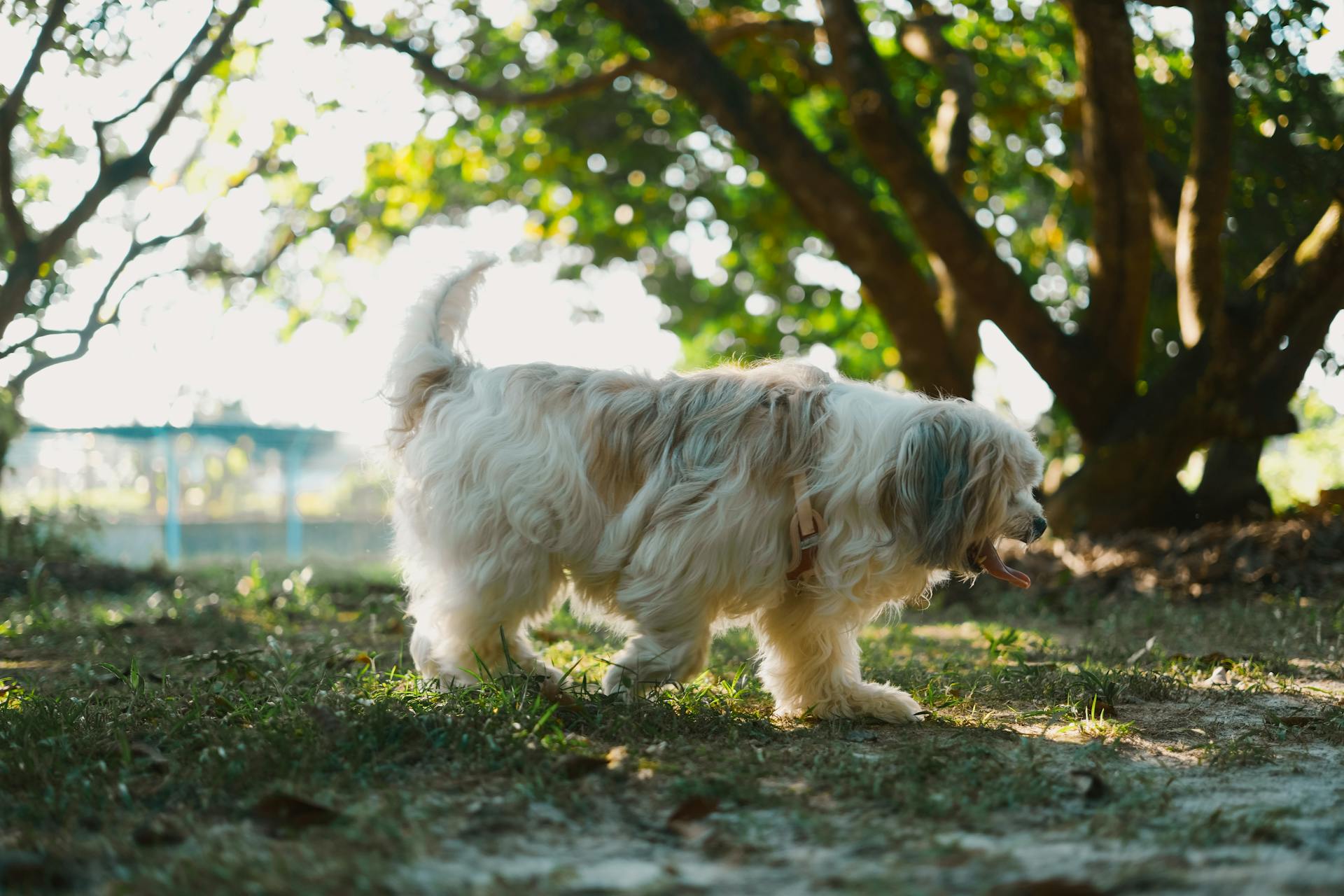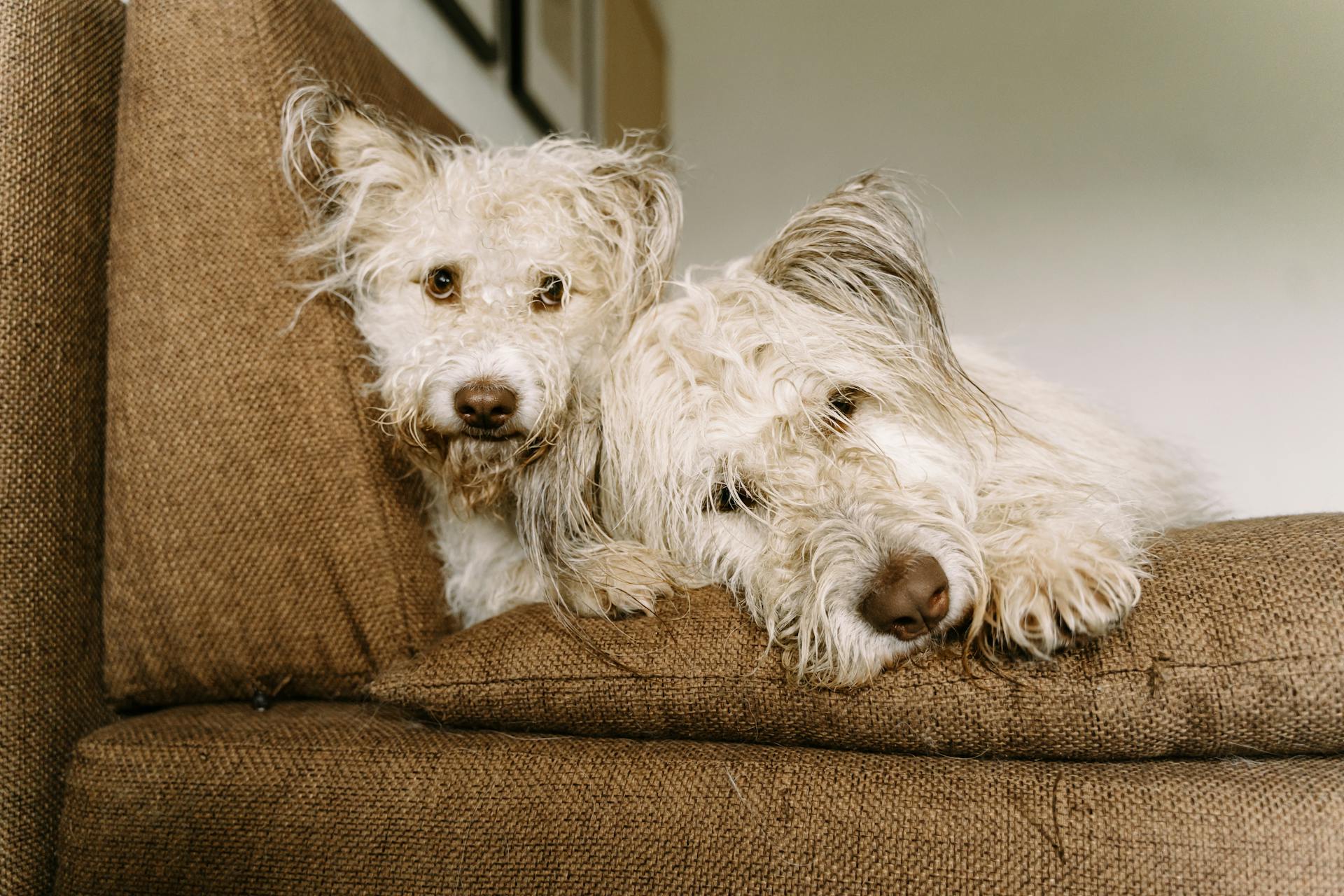
Shih Tzus are known to be sensitive dogs, and anxiety is a common issue that can affect their behavior and overall well-being.
Their small size and history as palace dogs may contribute to their anxiety-prone nature, as they were bred to be companions and may not have been socialized to handle stress.
Shih Tzus may exhibit anxiety symptoms such as panting, pacing, and destructive behavior when left alone or exposed to loud noises.
These symptoms can be a sign that your Shih Tzu needs more attention and comfort from you.
Suggestion: Shih Tzu Bloated Stomach Symptoms
Separation Anxiety
Separation anxiety in Shih Tzus is a common issue, often caused by early life experiences, changes in routine, or lack of socialization. This can lead to excessive barking, destructive chewing, house soiling, pacing, and attempts to escape.
Shih Tzus are companion dogs that thrive on human interaction, making them prone to separation anxiety. They need to be socialized properly to different environments, people, and other animals to reduce the likelihood of separation anxiety.
Signs of separation anxiety in Shih Tzus may include excessive barking, destructive chewing, house soiling, pacing, and attempts to escape. These signs can vary in intensity and may not occur in all dogs.
To manage separation anxiety, you can try gradual departures, creating a safe space, providing mental and physical stimulation, establishing a routine, and using calming techniques. Positive reinforcement is also key, rewarding your Shih Tzu for calm behavior and gradually reinforcing their independence.
Here are some common signs of separation anxiety in Shih Tzus:
- Excessive barking
- Destructive chewing
- House soiling
- Pacing
- Attempts to escape
If you notice any of these signs, it's essential to take action to help your Shih Tzu feel more secure and calm.
Behavioral Symptoms
Destructive behavior can be a sign of separation anxiety in Shih Tzus, with dogs chewing furniture, shoes, or other household items that have their owner's scent or are associated with their presence.
Shih Tzus may also exhibit rapid breathing, fast heart rate, drooling, and dilated pupils, which are common signs of a panic attack. A panic attack can occur out of the blue or be triggered by specific events.
Some common behavioral problems associated with anxiety in Shih Tzus include excessive licking or chewing on skin and fur, whining or howling, and barking more than usual. They may also exhibit extreme aggression, such as growling or biting, or become overly attentive, climbing on their owner or licking them excessively.
Here are some common signs of anxiety in Shih Tzus:
- Rapid breathing
- Fast heart rate
- Drooling
- Dilated pupils
- Pacing
- Loss of appetite
- Ears back and tail tucked under
- Hiding
- Shaking or trembling
- Excessive licking or chewing on skin and fur
- Whining or howling
- Barking more than usual
- Extreme aggression such as growling or biting
- Overly attentive (climbing on you, licking you)
- Behavioral problems such as digging or scratching
- Trying to escape or run away (scratched up door or damaged fence if owner is not home)
- Urinating or defecating indoors
Destructive Behavior
Dogs with separation anxiety may engage in destructive behaviors as a way to cope with their anxiety. This can include chewing furniture, shoes, or other household items.
The destruction is typically focused on items that have the owner's scent or those that are associated with their presence. This is a common behavior in dogs with separation anxiety, such as Shih Tzus who may bark or howl excessively when left alone.
Some common destructive behaviors in dogs with separation anxiety include chewing on shoes or furniture. This is often a sign that the dog is trying to cope with their anxiety by seeking comfort in familiar scents.
Dogs may also engage in other destructive behaviors such as digging or scratching. These behaviors are often a sign that the dog is trying to escape or find a way out of their anxiety.
Here are some common signs of destructive behavior in dogs with separation anxiety:
- Chewing on furniture or shoes
- Digging or scratching
- Destroying household items
It's essential to recognize these signs and address the underlying anxiety to prevent further destructive behavior.
House Soiling
House Soiling can be a frustrating issue for Shih Tzu owners, especially if their dog is typically housetrained.
Shih Tzus with separation anxiety may have accidents indoors, even if they are typically housetrained. This can include urinating or defecating in inappropriate places, such as on carpets or furniture.
Recognizing Anxiety
Anxiety can manifest in dogs in many different ways, making it essential to be aware of the signs to provide the best care for your furry friend. Rapid breathing and fast heart rate are common symptoms of anxiety in dogs.
A different take: Shih Tzu Separation Anxiety
Dogs can experience anxiety due to various reasons, including confinement, travel, noise, and separation. Understanding these triggers can help you identify the root cause of your dog's anxiety. Confinement anxiety, for instance, causes a dog to get anxious when confined indoors or outdoors in any space they cannot get out of.
Some of the most common signs of anxiety in dogs include rapid breathing, fast heart rate, drooling, dilated pupils, pacing, loss of appetite, ears back and tail tucked under, hiding, shaking or trembling, excessive licking or chewing on skin and fur, whining or howling, barking more than usual, and extreme aggression.
Here are some common types of anxiety that can cause panic attacks in dogs:
If you notice your dog exhibiting any of these signs, it's essential to consult with a veterinarian to rule out any underlying medical issues. Your veterinarian can help you develop a plan to address your dog's anxiety and provide you with guidance on how to manage their behavior.
You might like: What's a Shih Tzu
Panic Attacks
A panic attack in a Shih Tzu can be a frightening experience for both you and your dog. It's characterized by rapid breathing, a fast heart rate, and shaking or trembling. Calmly comforting your dog can sometimes help them settle down.
Some common signs of a panic attack in Shih Tzus include drooling, dilated pupils, pacing, loss of appetite, and hiding. Your dog may also exhibit extreme aggression, such as growling or biting.
Here are some common causes of panic attacks in dogs, including Shih Tzus:
- Confinement anxiety: your dog gets anxious when confined indoors or outdoors in a space they cannot escape
- Travel anxiety: motion sickness, confinement, or new experiences can trigger anxiety
- Noise anxiety: loud or sudden noises like thunderstorms or fireworks displays can cause panic attacks
- Separation anxiety: being alone or without a playmate or person they usually play with can lead to panic attacks
Panic Attack Symptoms
A panic attack in dogs can be a distressing experience for both the dog and its owner. Rapid breathing is a common sign of a panic attack in dogs.
Fast heart rate and dilated pupils are also common symptoms. Drooling and pacing can be seen in some dogs during a panic attack.
Loss of appetite and hiding are other signs that may indicate a panic attack. Ears back and tail tucked under can be a clear indication that a dog is experiencing a panic attack.
Shaking or trembling, excessive licking or chewing on skin and fur, and whining or howling are all potential symptoms of a panic attack in dogs.
Behavioral problems such as digging or scratching, trying to escape or run away, and urinating or defecating indoors can also be signs of a panic attack.
Here are some common signs of a panic attack in dogs:
- Rapid breathing
- Fast heart rate
- Drooling
- Dilated pupils
- Pacing
- Loss of appetite
- Ears back and tail tucked under
- Hiding
- Shaking or trembling
- Excessive licking or chewing on skin and fur
- Whining or howling
- Barking more than usual
- Extreme aggression such as growling or biting
- Overly attentive (climbing on you, licking you)
- Behavioral problems such as digging or scratching
- Trying to escape or run away (scratched up door or damaged fence if owner is not home)
- Urinating or defecating indoors
Panic Attacks Treatment
If your dog continues to have panic attacks, the veterinarian may prescribe anxiety medication alongside behavioural therapy. Some medications that have been successful in treating panic attacks include tranxene, fluoxetine, buspirone, amitriptyline, and alprazolam.
Exercise can be a helpful tool in managing anxiety and panic attacks in dogs. Experts encourage more vigorous exercise for pets with anxiety and panic attacks, as it can tire your dog physically and mentally, reducing anxiety.
Creating a safe space for your dog can provide a sense of security and calm. A small room or cage that is just for your dog can be a sanctuary where he can go to feel safer when needed.
Encouraging your dog to use this safe space can be done by bringing him there when he has a panic attack and staying with him until he is calm.
Featured Images: pexels.com