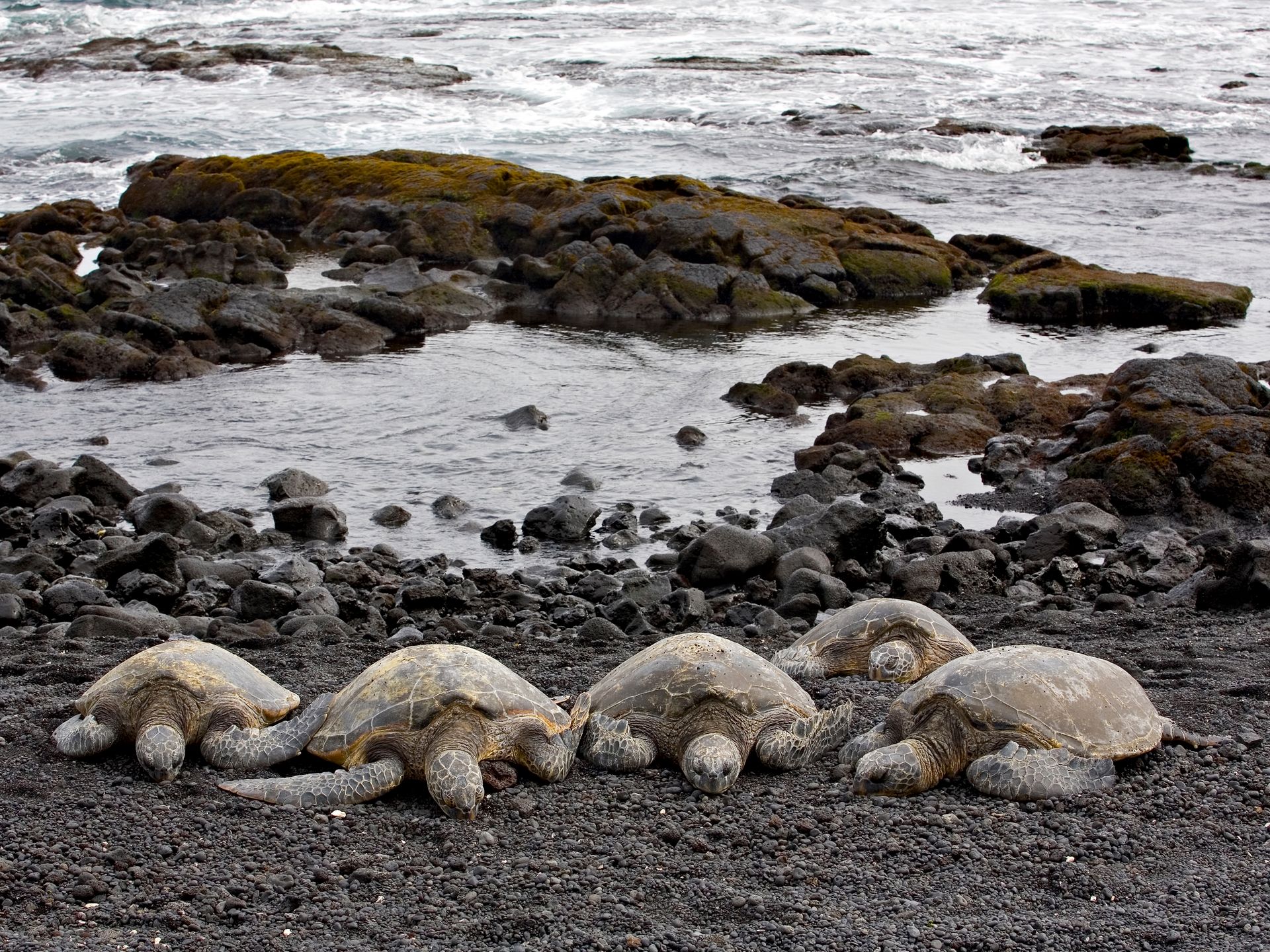
As we explore the fascinating world of sea turtles in Australia, let's start with their habitats. Sea turtles can be found in the coastal waters of northern Australia, specifically in the tropical regions of Western Australia, Northern Territory, Queensland, and North East New South Wales.
These incredible creatures call coral reefs, estuaries, mangrove swamps, and sandy beaches home. In fact, the Great Barrier Reef in Queensland is one of the most important habitats for sea turtles in Australia.
Sea turtles migrate long distances to reach their breeding grounds, with some species traveling over 1,000 kilometers to nest on the same beach where they were born. This incredible journey is crucial for the survival of these amazing animals.
Their migration patterns are influenced by various factors, including the location of their breeding grounds, the availability of food, and the presence of predators.
Turtle Migration and Habitat
Sea turtles in Australia have been migrating to the same beaches where they were born for thousands of years.
Many species of sea turtles nest on the northern beaches of Western Australia, particularly around Exmouth and Broome.
The nesting sites of sea turtles are often protected by national parks and conservation efforts to ensure their survival.
The largest nesting population of loggerhead turtles is found in Western Australia, with an estimated 50,000 nests per year.
On a similar theme: California Western Pond Turtle
The Migration Puzzle
Green turtles travel long distances between nesting and feeding grounds, but the reasons behind this migration are still a puzzle.
Some individuals nest in New Caledonia and travel 1300 kilometres to feed on Heron Reef, even though food is available on nearby Heron Island.
Female green turtles return to a beach near their own birthplace to mate and lay eggs in the sand, a crucial part of their breeding cycle.
The "lost years" period of a green turtle's life may hold some clues to understanding their migration patterns.
A unique perspective: Green Haired Turtle
Turtles in Victoria
Turtles in Victoria are a rare sight, but they do exist. The Southern Australian Sea Turtle project has recorded some sightings in the state.
Loggerhead Turtles have been spotted in Victoria, according to the Victorian Biodiversity Atlas. This is a significant finding, as it highlights the presence of these turtles in the area.
The Department of Environment, Land, Water and Planning has documented all known Victorian Sea Turtle records. These records are available in the Victorian Biodiversity Atlas.
The full project area map for the Southern Australian Sea Turtle project is also available. This map provides a visual representation of the area where these turtles have been spotted.
Suggestion: Indian Spotted Pond Turtle
Turtle Identification and Life Cycle
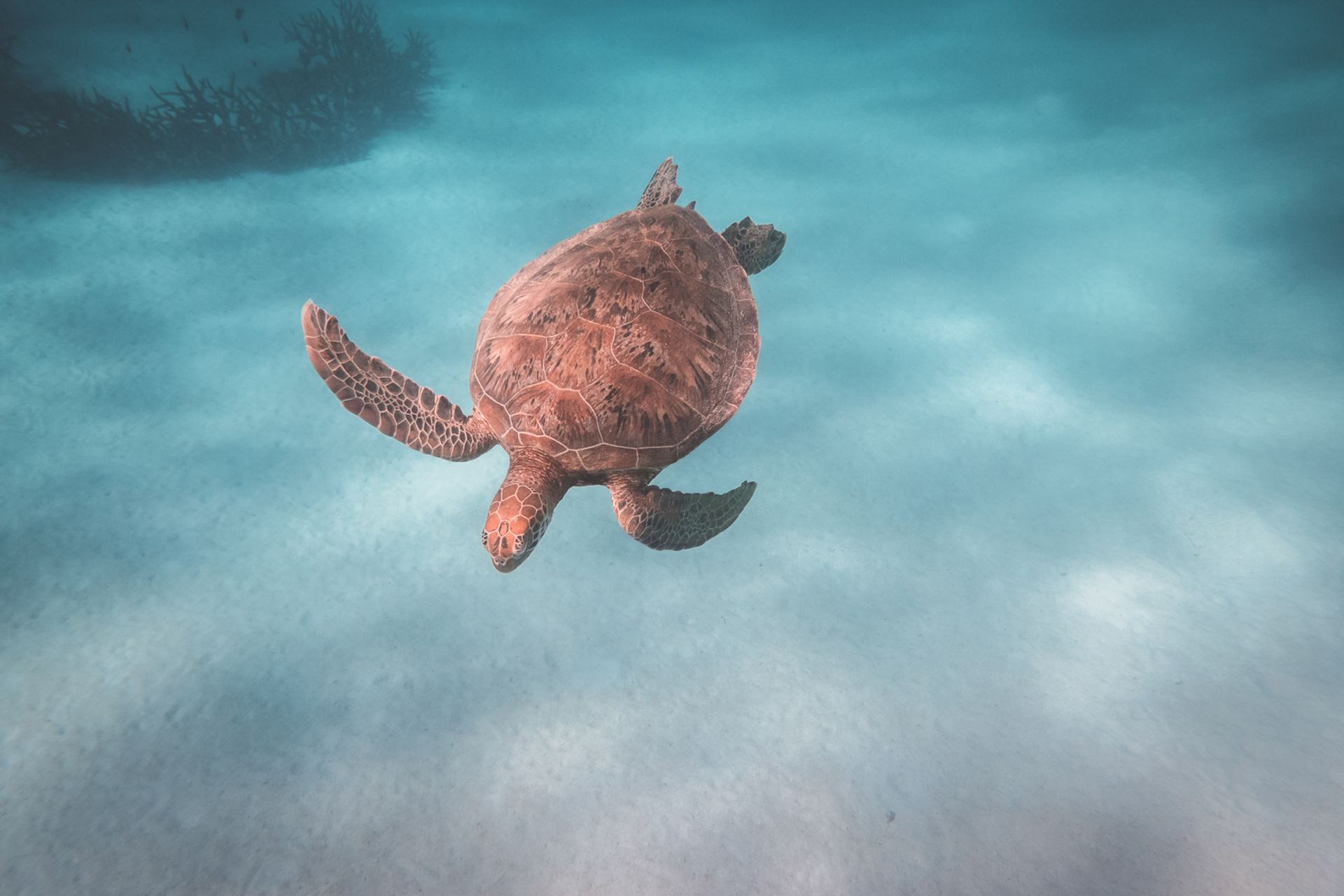
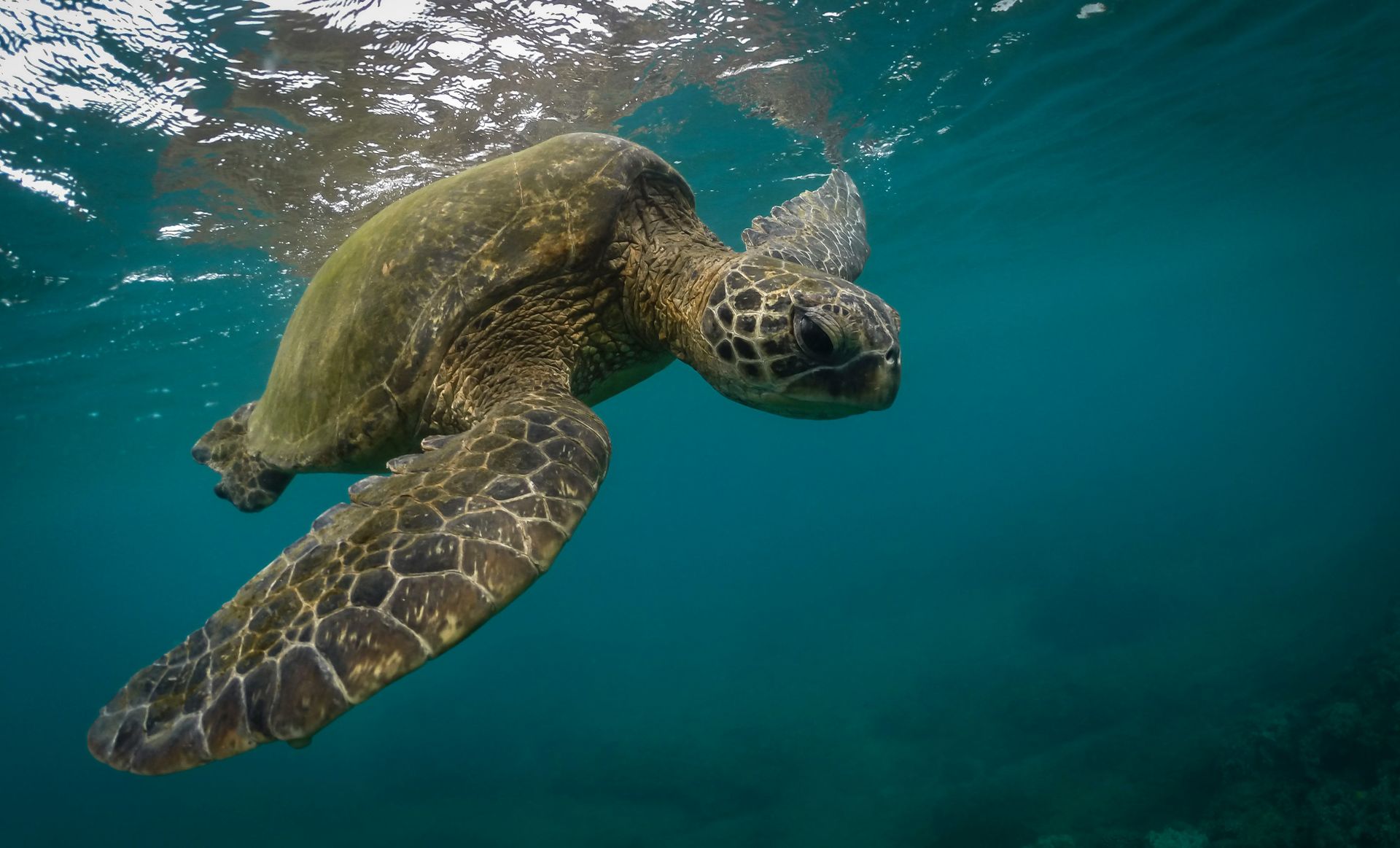
The Green Turtle is a remarkable creature with a small head and strong front flippers that help it glide through the water. It gets its name from the colour of its fat, not its carapace.
To identify a Green Turtle, look for its distinctive body shape and strong flippers. They also have lungs and must surface every half hour to breathe air.
Marine turtles spend their entire life at sea, except for nesting females, which crawl onto the beach to lay their eggs.
On a similar theme: Galapagos Green Sea Turtle
Identification
The Green Turtle's name actually comes from the color of its fat, not its shell.
The Green Turtle has a small head compared to its body and strong front flippers to glide through the water.
Adult marine turtles are timid and don't leave the sea for most of their lives.
They must come to the surface about every half hour to breathe air, as they have lungs like all reptiles.
The Queensland Marine Turtle Field Guide is a valuable resource for identifying the six species of marine turtles that visit Queensland beaches.
Life History Cycle
Marine turtles spend their entire life at sea, except for nesting females, which crawl onto the beach to lay their eggs. They choose a site high on the beach, dig a hole with their strong flippers, and lay about 100 eggs before covering them with sand.
Females appear to return to the same area each time to breed, which is also the same area where they were born. This behavior is a testament to their remarkable navigation skills.
Marine turtles grow slowly, taking between 30 and 50 years to reach sexual maturity.
Additional reading: Common Snapping Turtle Eggs
Conservation and Monitoring
Conservation and monitoring efforts are crucial for the survival of sea turtles in Australia. All six species of marine turtles that occur in Australian waters have suffered population declines due to pollution, entanglement in fishing nets, and egg predation by exotic species.
If you see a sea turtle nesting or at sea, please note where and when you saw it, and try to identify the species and how many turtles you saw. You can report all sightings of any sick, injured or dead sea turtles by calling 1300 130 372 at any time.
There are several ways to get involved in sea turtle conservation in Australia. If you find a sea turtle with a tag clamped on its flipper, write down the number stamped on the tag, when, how and where the turtle was caught or seen, what happened to the turtle, and your name and address. Don't remove the tag from the turtle unless it has died.
Check this out: Common Snapping Turtle Species
Conservation Status
Marine turtles are an iconic species in Australian waters, but their populations are declining due to pollution, entanglement in fishing nets, and egg predation by exotic species.
All six species of marine turtles that occur in Australian waters are protected in Australian waters.
Only three species of marine turtles regularly occur in Sydney waters: the Green Turtle, the Loggerhead Turtle, and the Leatherback Turtle.
Six of the world's seven species of marine turtles have been recorded breeding and foraging in Queensland.
Marine turtles play an important ecological role in the shaping and regulation of coastal marine communities by contributing to the maintenance of healthy seagrass beds and coral reefs.
If you see a sea turtle nesting or at sea, please note where and when you saw it, and if possible, identify the species and how many turtles you saw.
Here are the six species of marine turtles that visit Queensland beaches:
- Green Turtle
- Loggerhead Turtle
- Leatherback Turtle
- Flatback Turtle
- Hawksbill Turtle
- Olive Ridley Turtle
Sensitive Area Model
The Sensitive Area Model is a powerful tool for conservation efforts. It's used to avoid the adverse impacts of artificial lighting on sea turtle nesting and activity.
Artificial lighting can confuse sea turtles and prevent them from reaching their nesting sites. The Sea Turtle Sensitive Area Model Code can help mitigate this issue.
This model code can be used to identify areas that are sensitive to artificial lighting, allowing conservationists to take steps to minimize its impact. For example, the model code can be applied to coastal development projects to ensure they don't harm sea turtle habitats.
By using the Sensitive Area Model, conservationists can work towards protecting sea turtle nesting sites and reducing the impact of artificial lighting on these incredible creatures.
Turtle Watching
Turtle watching is a unique experience that allows you to observe one of nature's most fascinating rituals. Marine turtles have nested on parts of Queensland's coast for thousands of years. To watch a marine turtle nest is to gain an insight into this ancient ritual.
A marine turtle can be aged 30-50 before it begins to breed, and the breeding season might be once in only two to eight years. This makes them particularly vulnerable to human interference. People's activities have had a substantial impact on all turtle species.
If you do go turtle watching, please make sure you follow recommended behavior around nesting turtles and hatchlings. This includes not disturbing the turtle, not using lights, and not touching her. You can now turn on your lights to watch the turtle and take limited flash photos.
To ensure you get the most from your encounter with a sea turtle, it's essential to be aware of the best places to see them. Some popular spots include the Capricorn/Bunker Groups of islands on the Great Barrier Reef, which are one of the world's major breeding areas for green and loggerhead turtles.
Here are some popular spots to see turtles in Queensland:
- Mon Repos near Bundaberg, which supports the largest concentration of nesting sea turtles on the east Australian mainland
- The Great Barrier Reef, particularly the Capricorn/Bunker Groups of islands
- Herons Island and Lady Elliot Island, which offer overnight stays and turtle watching opportunities
- Lady Musgrave, Tryon, Masthead, and North West Islands, where camping is allowed by permit
Marine Turtle Strategy and Field Guide
Queensland has a long history of marine turtle conservation, dating back to 1932. The state was the first jurisdiction in the world to protect all marine turtle species within its borders in 1968.
Six of the world's seven species of marine turtles have been recorded breeding and foraging in Queensland. They play a crucial role in maintaining healthy seagrass beds and coral reefs.
Marine turtles contribute significantly to the Queensland economy through tourism, particularly at popular spots like Mon Repos, Heron Island, and Lady Elliott Island. They are an iconic species and a key attraction for tourists.
The Queensland Government has committed to turtle conservation through various plans, including the Reef 2050 Plan and the Recovery Plan for Marine Turtles in Australia 2017-2027. These efforts aim to ensure the long-term viability of marine turtle species in Queensland.
The Queensland Marine Turtle Conservation Strategy 2021-2031 is a key initiative that builds on existing work by various stakeholders to research, monitor, and protect marine turtles. It identifies actions to ensure the long-term viability of marine turtle species in Queensland.
Adult marine turtles are timid and don't leave the sea for most of their lives. This is a good reminder to respect their space and not approach them in the wild.
The Queensland Marine Turtle Field Guide is a valuable resource that contains identification keys, photographs, diagrams, survey tips, and information about predators like foxes, dogs, and feral pigs. It's a useful tool for anyone interested in learning more about marine turtles.
Project Setup Reason
The project was set up to learn more about what drives the occurrence of sea turtles off the coast of southern Australia.
Some species of sea turtles are regular visitors to this area, arriving from their tropical breeding areas to feed.
The leatherback turtle is one such species that may be a regular visitor to southern Australia.
Our knowledge of this elusive species remains limited, largely based on anecdotal sightings and stranding events along the coast.
There is a huge knowledge gap that needs to be filled for some of Australia's most charismatic marine mega-faunal species.
Ocean and Climate Factors
As we explore the world of sea turtles in Australia, it's essential to understand the ocean and climate factors that affect their lives.
Australia's coastline is home to some of the most pristine and biodiverse marine ecosystems in the world, but climate change is having a profound impact on these delicate environments.
The warm waters of the Coral Sea, which surrounds the Great Barrier Reef, are a critical habitat for many sea turtle species.
The Great Barrier Reef is the world's largest coral reef system, stretching over 2,300 kilometers off the coast of Queensland.
Rising sea temperatures are causing coral bleaching, which can be devastating for sea turtles that rely on coral reefs for food and shelter.
The average sea level in the Coral Sea has risen by about 15 centimeters since 1993, causing coastal erosion and flooding in some areas.
The warmer waters also lead to an increase in sea turtle nesting sites, which can result in more hatchlings being born.
The changing climate is also affecting the distribution and abundance of sea turtles' favorite foods, such as jellyfish and seaweed.
The warmer waters can also lead to an increase in the number of sea turtles that get caught in fishing nets and other marine debris.
The ocean's currents and tides play a crucial role in shaping the coastlines and habitats of sea turtles in Australia.
The East Australian Current, which runs along the eastern coast of Australia, helps to transport sea turtles and their food sources along the coast.
The changing ocean currents and temperatures are also affecting the migration patterns of sea turtles.
The warmer waters can also lead to an increase in the number of sea turtles that get stranded on beaches, often due to dehydration and exhaustion.
The ocean's chemistry is also being affected by climate change, with increasing levels of CO2 causing ocean acidification.
The increased acidity of the ocean can make it harder for sea turtles to build their shells, which are made of calcium carbonate.
The ocean's chemistry is also affecting the distribution and abundance of sea turtles' favorite foods, such as phytoplankton.
The warmer waters and changing ocean chemistry are having a profound impact on the health and well-being of sea turtles in Australia.
The changing climate is also affecting the behavior of sea turtles, with some species changing their migration patterns and nesting habits in response to the warmer waters.
The warmer waters can also lead to an increase in the number of sea turtles that get caught in fishing nets and other marine debris.
The ocean's currents and tides play a crucial role in shaping the coastlines and habitats of sea turtles in Australia.
The East Australian Current, which runs along the eastern coast of Australia, helps to transport sea turtles and their food sources along the coast.
The changing ocean currents and temperatures are also affecting the migration patterns of sea turtles.
The warmer waters can also lead to an increase in the number of sea turtles that get stranded on beaches, often due to dehydration and exhaustion.
The ocean's chemistry is also being affected by climate change, with increasing levels of CO2 causing ocean acidification.
The increased acidity of the ocean can make it harder for sea turtles to build their shells, which are made of calcium carbonate.
The ocean's chemistry is also affecting the distribution and abundance of sea turtles' favorite foods, such as phytoplankton.
The warmer waters and changing ocean chemistry are having a profound impact on the health and well-being of sea turtles in Australia.
Featured Images: pexels.com