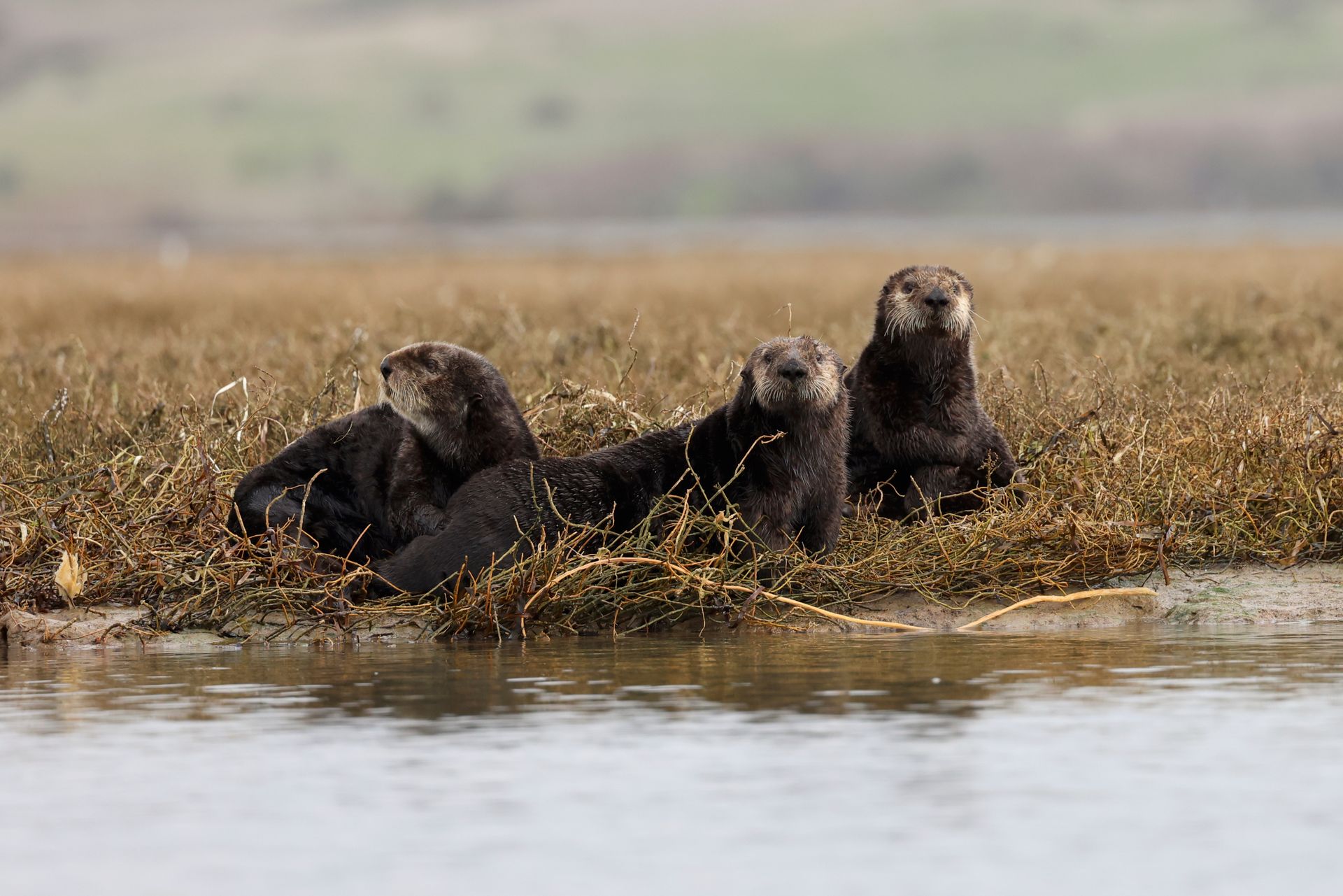
River otters in Missouri are incredibly skilled swimmers, able to dive to depths of up to 20 feet in search of their favorite foods, such as fish and crayfish.
Their sleek, streamlined bodies allow them to propel themselves through the water with ease, making them perfectly suited to life in Missouri's waterways.
River otters are also highly social creatures, often living in family groups of up to 10 individuals. These groups typically consist of a mother, her offspring, and other related females.
In Missouri, river otters can be found in a variety of aquatic habitats, including rivers, lakes, and wetlands.
River Otter Sightings in Missouri
River otters are found in Missouri's rivers and streams. They can be spotted in the state's lakes and reservoirs as well.
River otters are most active at dawn and dusk, making these times ideal for spotting them. They are also more likely to be seen in areas with dense vegetation and rocky shores.
River otters are solitary animals and have a large home range, which they mark with scent to keep other otters away. They are also skilled swimmers and can dive to depths of up to 20 feet in search of food.
Missouri's river otter population is considered stable, with estimates suggesting there are around 10,000 individuals in the state.
Missouri River Otter Reintroduction
In the early 1980s, the Missouri River otter population was at a critically low level, with estimates ranging from 35 to 70 individuals.
The Missouri Trappers Association played a key role in the reintroduction effort by selling T-shirts and raising funds to help with the project.
Dave Hamilton, the Furbearer Biologist for the Missouri Department of Conservation at the time, led the reintroduction effort and describes how it went.
The first batch of otters came from Louisiana in 1982, where they had been caught in leg hold traps and shipped to Missouri in a trade for wild turkeys.
These initial otters were fitted with radio-implants so their movements could be tracked, and they were released in the wetlands of north-central Missouri.
The quality of the wetlands in this area was a key factor in the success of the reintroduction, as the otters quickly adapted and thrived.
In a few short generations, the otters multiplied and spread out into adjacent duck clubs and borrow ditches.
The success of the reintroduction in the wetlands of north-central Missouri paved the way for the expansion of otter populations along Missouri's rivers and streams.
Readers also liked: Central American Jaguar
River Otter Habitat and Environment
River otters in Missouri prefer habitats with slow-moving rivers, streams, and lakes. They thrive in areas with abundant aquatic vegetation.
River otters are semi-aquatic, meaning they spend a significant amount of time in the water, but also come onto land to rest, hunt, and give birth.
Old Tales and New Images
River otters are known to be solitary animals, often only coming together to mate. They have a complex communication system that involves a variety of vocalizations and body language.
In the wild, river otters can be found in freshwater habitats such as rivers, streams, and lakes. Their habitats are typically characterized by slow-moving water and a mix of sand, gravel, and vegetation.
River otters are skilled swimmers and can dive to depths of up to 20 feet in search of food. They are carnivores and primarily feed on fish, crustaceans, and other aquatic animals.
Their fur is thick and water-repellent, helping to keep them warm in cold water. River otters are also known to use tools, such as rocks, to help them crack open shells and eat their prey.
River otters are an important part of their ecosystems, serving as both predators and prey. They help to regulate the populations of other aquatic animals, and their burrows can also provide habitat for other species.
Consider reading: What Is Birds in Madagascar Prey
Water
Water plays a vital role in a river otter's habitat, making up about 70% of its body.
River otters need access to clean water to drink, swim, and hunt for prey. They can hold their breath for up to 8 minutes, allowing them to dive deep into the water to catch fish and other aquatic animals.
Freshwater is essential for river otters, as they are not adapted to living in saltwater environments. They prefer waters with slow to moderate currents, which provide them with the perfect environment to hunt and play.
River otters use the water to regulate their body temperature, often swimming in cold water to cool down during hot summer days.
Featured Images: pexels.com