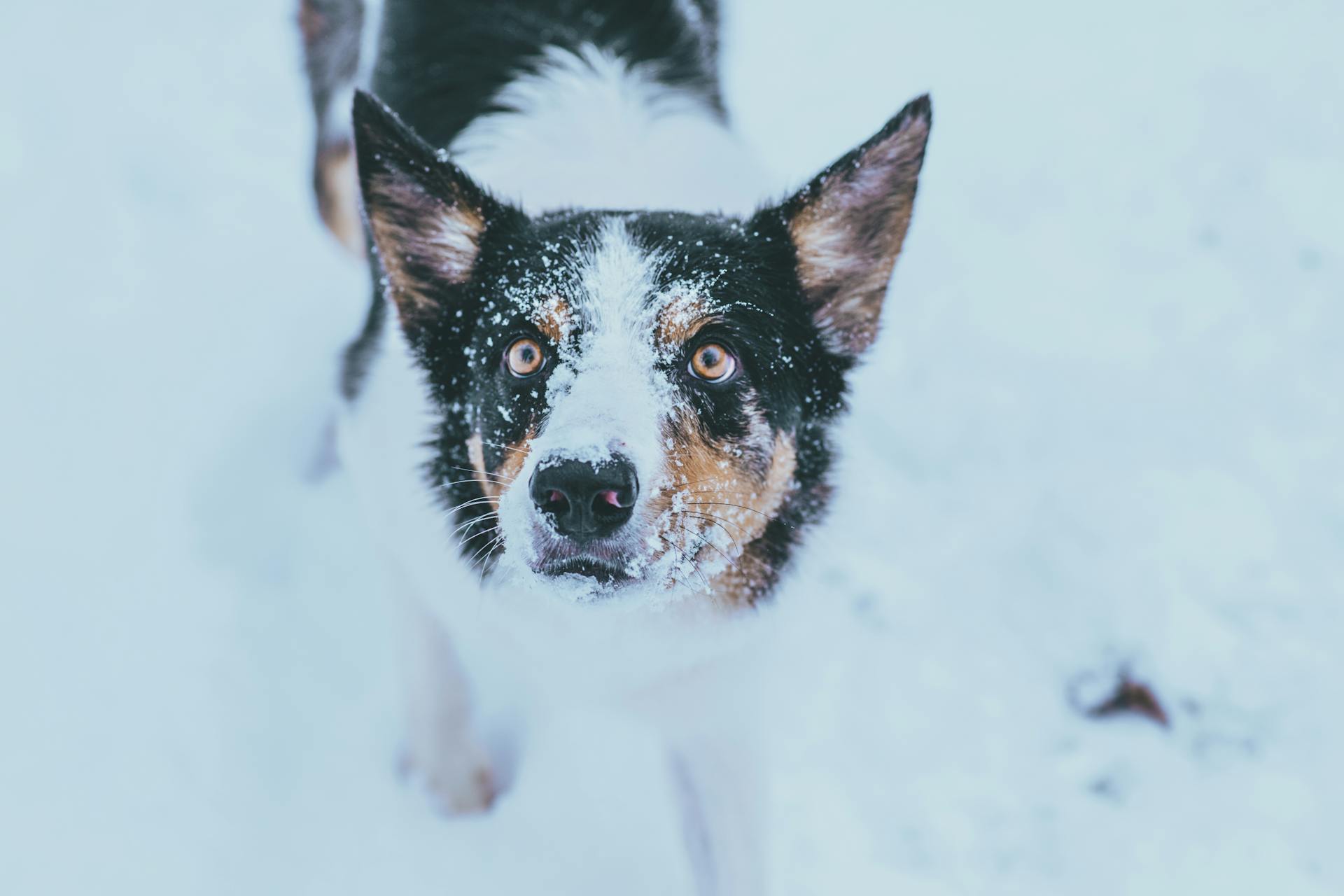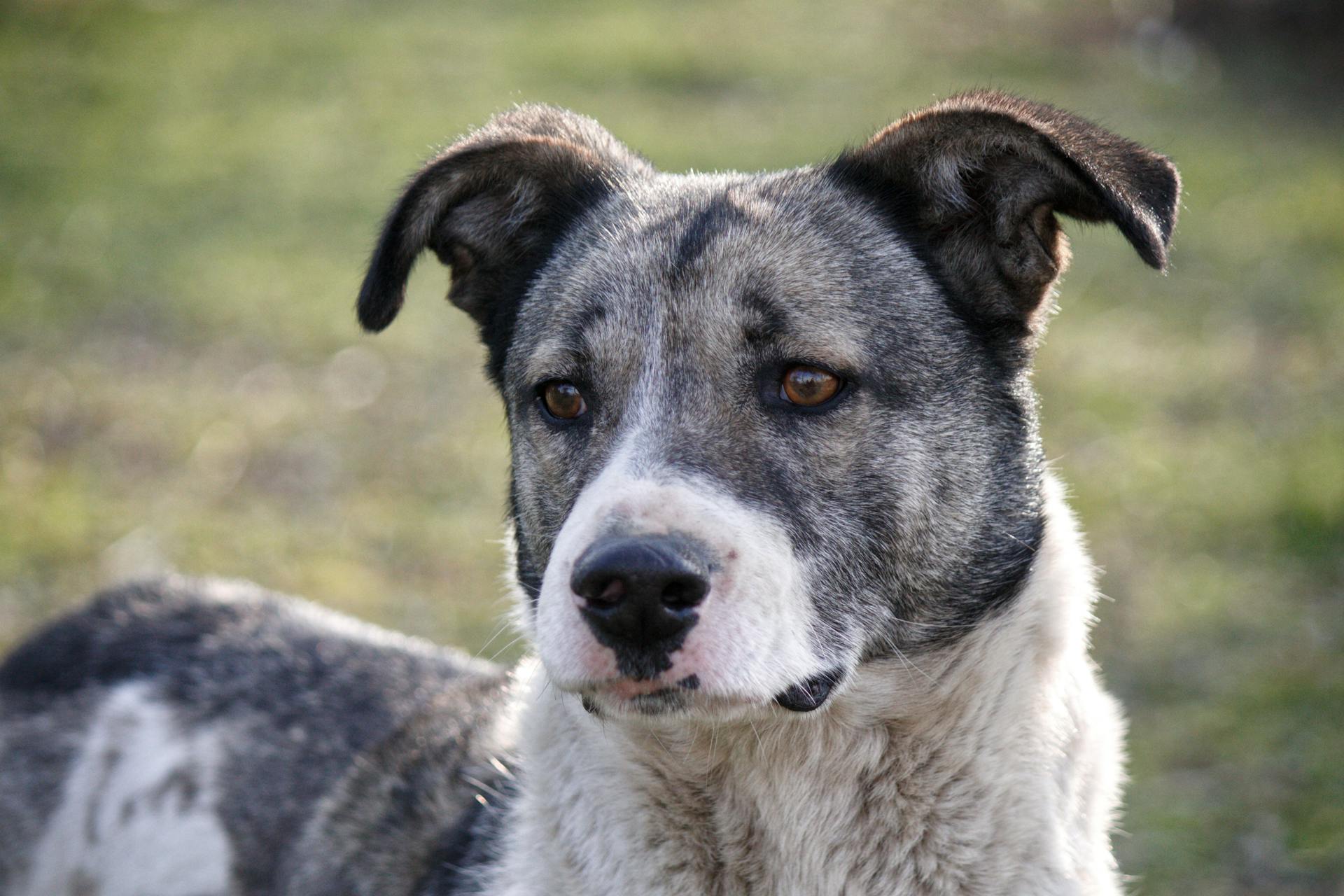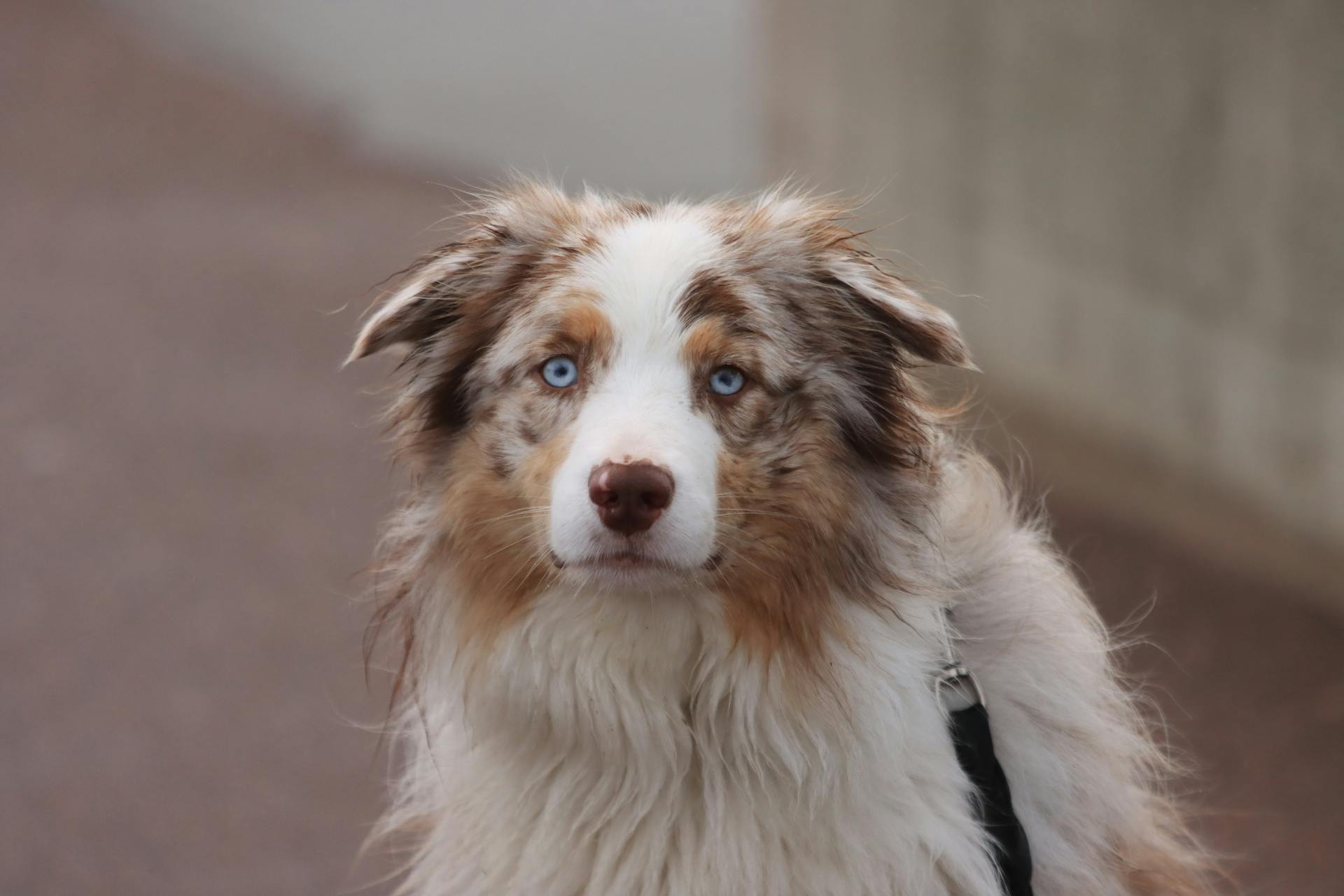
The Red Heeler is a breed of dog that's known for its high energy level and strong herding instincts. They were originally bred to herd cattle in Australia.
Red Heelers are highly intelligent and trainable, but they can be stubborn at times. This is because they were bred to think independently and make decisions quickly.
One thing to keep in mind when considering a Red Heeler as a pet is that they require regular exercise and mental stimulation to prevent boredom and destructive behavior. They need to be challenged physically and mentally every day.
With proper training and socialization, Red Heelers can make great family pets, especially for active families who enjoy outdoor activities.
Personality
Red Heelers are highly intelligent and trainable, making them a great choice for families who want a loyal and loving companion.
They are known for their agility, courage, and strong work ethic, which is why they're often used as working dogs for ranching and herding.
Red Heelers are incredibly loyal and form strong bonds with their families, but they can be reserved or cautious around strangers.
With proper socialization and training, they can learn to be more accepting of new people and situations.
They're high-energy dogs that require plenty of exercise and mental stimulation to prevent boredom and undesirable behaviors.
Red Heelers thrive in environments where they can help out and have plenty of opportunities for play and training.
They're naturally very playful with humans, including children, and show uncanny loyalty, which is why many families choose them as a companion for the home.
Red Heelers are always alert, extremely brave, and have a protective nature, making them fabulous watch hounds or guard dogs.
But, with proper socialization, they can become confident and friendly around strangers, rather than overprotective and hostile.
Take a look at this: Breeds of Red Dogs
Training and History
Red heelers have a rich history that dates back to the late 19th century in Australia.
They were originally bred to herd cattle and other livestock, and their high energy levels and strong work ethic made them well-suited for this task.
The breed was developed by crossing the Dingo with other breeds, including the Collie and the Dalmatian.
This unique ancestry has contributed to the breed's intelligence, agility, and strong herding instincts.
Red heelers are naturally athletic and require regular exercise to stay happy and healthy.
They excel in dog sports such as agility, obedience, and herding competitions.
Their strong work ethic and high energy levels make them a great fit for active families or individuals.
The Protective Breed
Red Heelers are naturally protective of their families and can be reserved or cautious around strangers. This instinct is rooted in their herding background.
Their high energy levels and strong work ethic make them excellent watchdogs and guardians. They thrive on physical and mental stimulation.
To prevent them from becoming overly wary or aggressive, early socialization is crucial. This means exposing them to various people, animals, and environments from an early age.
Red Heelers are intelligent and respond well to positive reinforcement training. They thrive on praise, rewards, and affection from their owners.
With proper training and socialization, they can learn to be more accepting of new people and situations. They're not naturally aggressive, but can become overprotective if not socialized correctly.
Their independent nature means they don't suffer from separation anxiety. However, they do require regular exercise and mental stimulation to prevent boredom and destructive behavior.
If you're considering bringing a Red Heeler into your family, be prepared to provide plenty of attention, exercise, and training. With the right care and attention, they can make wonderful companions.
For more insights, see: Blue Heeler Training
Care and Needs
Red heelers are highly energetic dogs and require regular exercise to stay happy and healthy. They need at least an hour of physical activity per day, which can be a mix of running, playing fetch, and going on long walks.
They thrive on mental stimulation and need to be challenged with puzzle toys and obedience training to prevent boredom and destructive behavior.
Red heelers are naturally protective of their family and territory, so they require consistent socialization from an early age to ensure they grow into well-adjusted adult dogs.
Intriguing read: Red Blue Heeler Mix Dogs
They can be wary of strangers and may take time to warm up to new people, so patience and gentle introductions are essential.
Red heelers are generally healthy dogs, but they can be prone to hip dysplasia and deafness, so regular veterinary check-ups and genetic testing can help identify potential issues early on.
Their short coats require minimal grooming, but they do need regular nail trimming and ear cleaning to stay clean and healthy.
Red heelers are loyal companions and make great family dogs, but they do require consistent training and exercise to thrive.
Frequently Asked Questions
Is a Red Heeler a good family dog?
Yes, Red Heelers make great family pets due to their affectionate and gentle nature around children. They also excel as guard dogs, making them a well-rounded addition to any family.
What is the attitude of a Red Heeler?
Red Heelers are intelligent, loyal, and energetic dogs with a strong protective instinct, but can be reserved around strangers. They're affectionate and loving to their owners, making them great companions for active families.
Can red Heelers be left alone?
Red Heelers require regular attention and exercise, making them unsuitable for long periods of alone time. They thrive on interaction and mental stimulation, making them best suited for active owners who can provide consistent care.
Are Heelers good house dogs?
Australian Cattle Dogs, also known as Heelers, are not ideal for sedentary households due to their high energy level. They thrive with a job or regular exercise to keep them happy and engaged.
Do red Heelers bond to one person?
Red Heelers can form strong bonds with one person, but they also commonly bond closely with everyone in their household, making them loving and loyal companions.
Featured Images: pexels.com