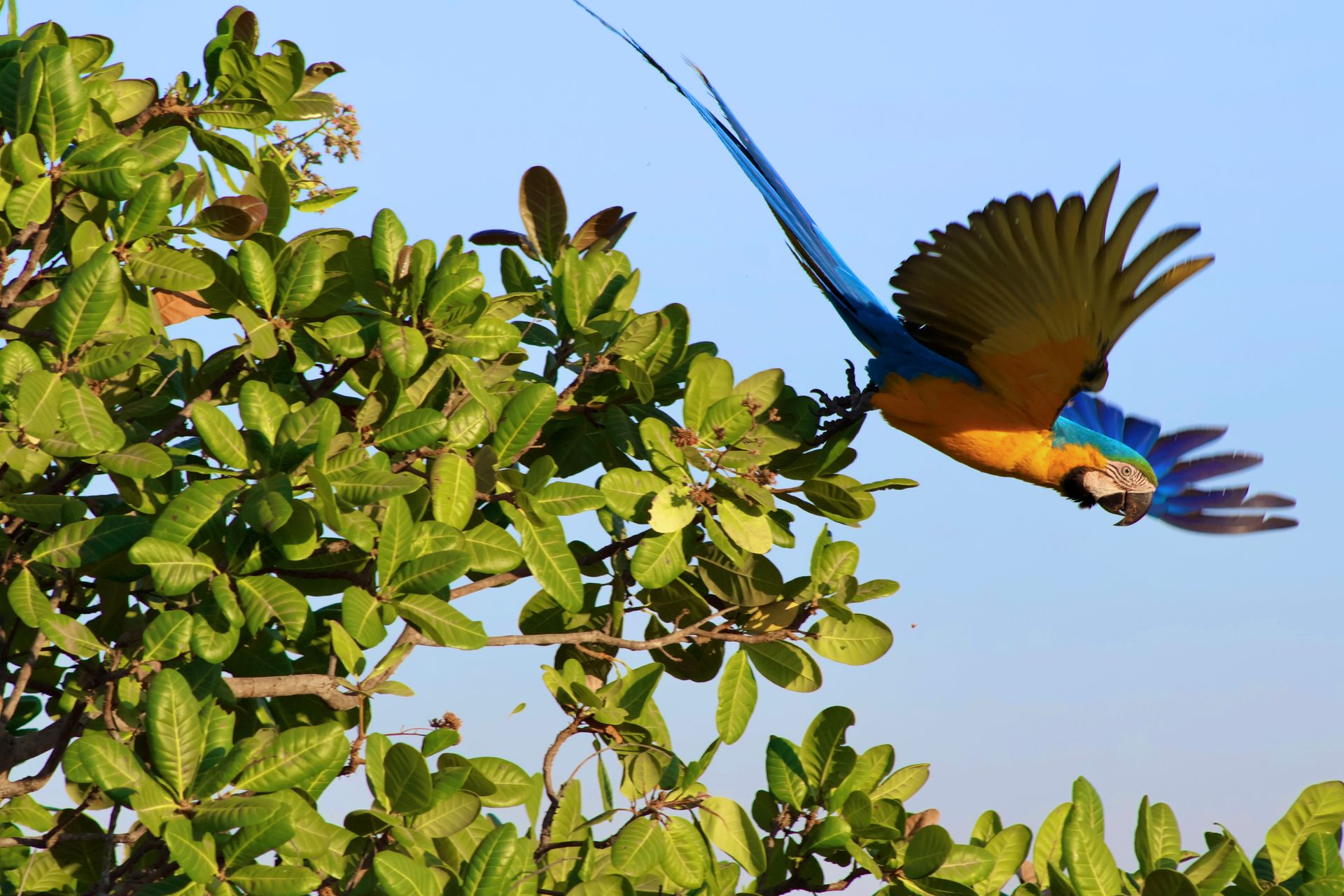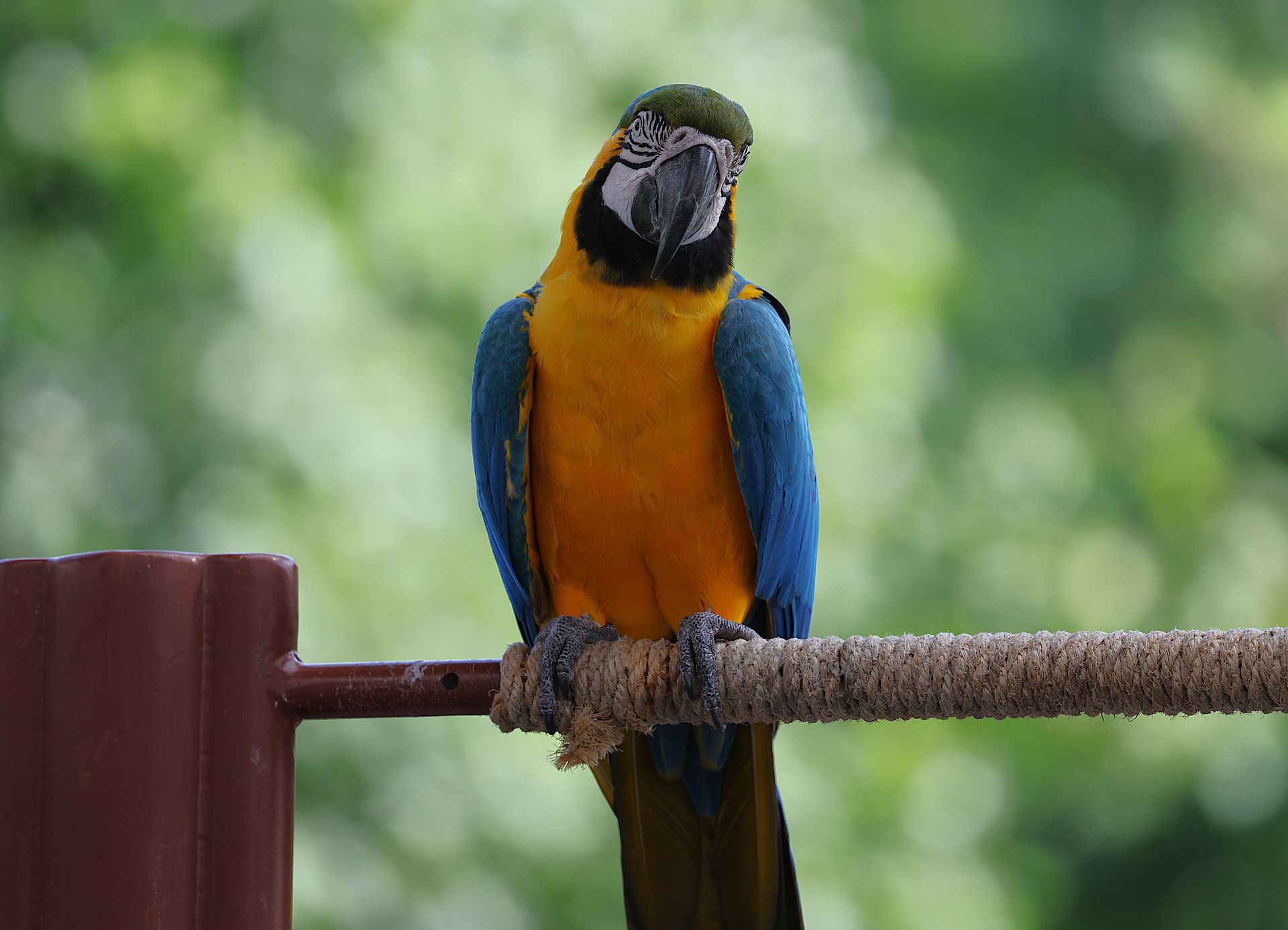
The Orange Winged Amazon Parrot is a vibrant and playful bird species. They are native to the tropical regions of Central and South America.
These parrots are known for their striking orange feathers on their wings and tail, which give them their distinctive name. They can grow up to 16 inches in length and weigh between 12 and 14 ounces.
Their beak is strong and curved, perfect for cracking open nuts and seeds. They also have a distinctive call that sounds like a loud, screeching laugh.
Habitat and Care
To provide a happy and healthy home for your Orange Winged Amazon, you'll need to create a spacious and stimulating environment. Purchase a cage that's at least 2 feet by 3 feet wide and 3 to 5 feet high with a playpen top.
This will give your bird plenty of room to exercise while enclosed. Outfit the cage with ropes, ladders, and perches to keep your bird active and engaged.
Provide plenty of bird-safe toys that can be destroyed, as Orange Winged Amazons are natural explorers and love to chew. This will help satisfy their instinct and prevent them from getting into trouble.
- Ropes
- Ladders
- Perches
- Bird-safe toys
Native Habitat
The orange-winged Amazon parrot is a resident of tropical South America, specifically found in countries such as Colombia, Trinidad and Tobago, and Peru.
In the wild, these birds can be found in a variety of habitats, including forest and semi-open country. They thrive in areas with dense vegetation and abundant food sources.
The orange-winged Amazon is known to travel in groups, often with other Amazon species, and forms social bonds that are crucial to their survival. They live in a type of communal setting, where they work together to find food and avoid danger.
In the wild, many Amazons form social groups that aren't really "flocks" in the way we perceive them, but more like a "commune" living in the same area.
Parrot Care
Social interaction is key to keeping your parrot happy and healthy. Amazon parrots thrive on social interaction, and neglecting them can lead to destructive behavior patterns and depression.
To establish a healthy bond with your parrot, set aside time each day for one-on-one interaction. This scheduled activity period helps maintain a strong connection with your bird.
For another approach, see: Orange Winged Amazon Parrot Lifespan
A spacious cage is essential for your parrot's exercise and comfort. Opt for a cage that's at least 2 feet by 3 feet wide and 3 to 5 feet high with a playpen top. Outfit it with plenty of ropes, ladders, and perches for your bird to move around.
Parrots are intelligent and curious creatures, and they love to chew. Provide plenty of bird-safe toys that can be destroyed, and be prepared for your parrot to view anything in your home as a potential toy.
Positive reinforcement is the best approach to training your parrot. Reward correct behavior and avoid scolding or punishment, as this can lead to negative associations.
Here are some key characteristics of Orange-winged Amazon parrots:
- Social, affectionate, loyal
- Intelligent, a great mimic and talker
- Even-tempered Amazon species
However, there are some important considerations to keep in mind:
- Can get loud when it wants to; not recommended for apartment living
- May have biting, aggressive period during its adolescence; not recommended for families with young children
A balanced diet is crucial for your parrot's health. Feed a formulated diet, supplemented with fresh fruits and vegetables daily. Aim for 1/4 to 1/3 cup of formulated diet and 1/4 to 1/3 cup of fresh fruits and vegetables daily.
Breeding
Breeding Orange-winged Amazons can be a bit tricky, but with the right setup and care, you can increase your chances of success.
In North America, they breed predominantly in the spring, with a limited breeding season from February or March to June or July.
A good size for a breeding cage is 8 feet by 4 feet by 4 feet, suspended 4 feet above the ground or floor.
Using 1 inch by 1 inch 14-gauge welded wire is a good choice for cage construction.
Grandfather-style wooden nest boxes can be used, with a size of approximately 12 inches by 12 inches by 24 inches.
Male orange-wings are generally not aggressive toward their mates, but clipping their wings prior to the breeding season may be necessary if they become aggressive.
Orange-wings can be quite noisy when in breeding condition, so noise and proximity to neighbors should be considered.
Check this out: Birds Wings Clipped
Personality & Behavior
The orange-winged Amazon parrot is a lively and energetic bird, making it a great companion for someone willing to put in the time and effort in caring for it.
This bird is not for everyone, as it requires a lot of attention and care. It's a good idea to consider whether you have the time and resources to provide for an orange-winged Amazon before bringing one home.
The orange-winged Amazon has a spirited personality, which is common to its family. It's a social bird that thrives on interaction and attention.
With proper care and attention, an orange-winged Amazon can make a great companion for someone who is willing to put in the time.
A unique perspective: Bird Flapping
Communication
The orange winged Amazon is a bird that's not afraid to make some noise. It's not the quietest of parrots, and many owners have reported that it can be quite loud at times.
While it's not known for being the best talker, some individuals can learn a few words. However, mimicking sounds and whistles is more likely to happen.
This bird has excellent speech abilities, and many owners have reported that their orange winged Amazon has developed a good vocabulary.
Colors and Adoption
The orange-winged Amazon parrot's colors and markings can be quite deceiving, especially when compared to the blue-fronted Amazon parrot. They share many similarities, but a closer look reveals some key differences.
The orange-winged Amazon's muted colors set it apart from the blue-fronted Amazon. This species is primarily green with blue on the head and yellow patches on the crown and cheeks.
If you're considering adopting an orange-winged Amazon parrot, be aware that it's a monomorphic species, making it difficult to determine the sex without genetic testing or a surgical sexing procedure.
Broaden your view: Puerto Rican Amazon Parrot
Parrot Colors and Markings
The orange-winged Amazon parrot is often mistaken for the blue-fronted Amazon parrot due to their similar green and blue coloration.
Their green and blue feathers are complemented by yellow patches on the crown and cheeks.
The orange-winged Amazon's trademark is a splash of orange on the front edges of their wings, which is barely noticeable unless the bird is in flight.
Check this out: Blue Winged Parakeet
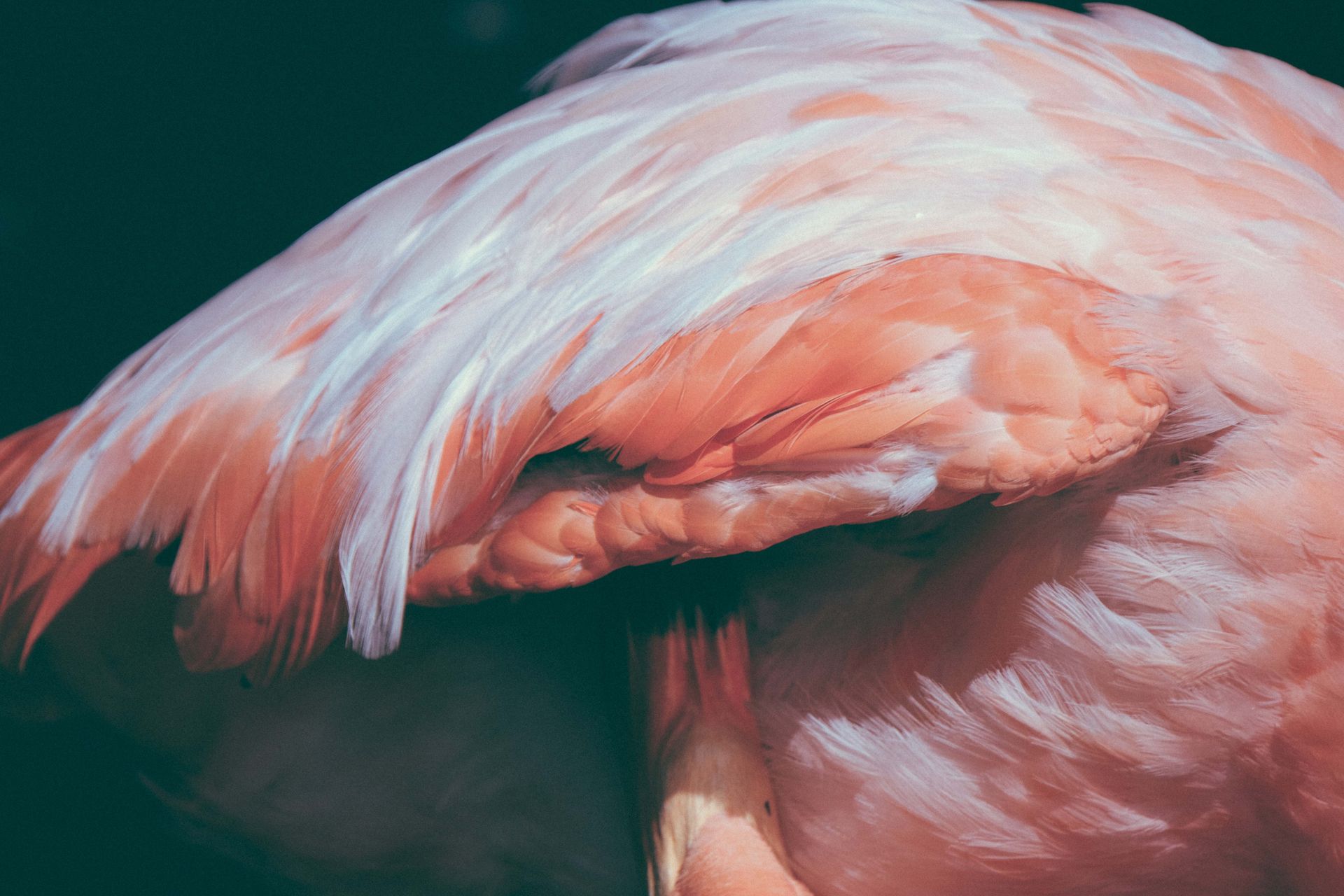
The blue-fronted Amazon, on the other hand, has very bright red feathers on their shoulders when their wings are folded.
The orange-winged Amazon's beak and feet are horn-colored with shades of gray.
This species is monomorphic, making it difficult to tell males and females apart without genetic testing or a surgical sexing procedure.
Parrot Adoption and Purchase
If you're considering adopting or buying an Orange-Winged Amazon Parrot, it's essential to interact with the birds in their home environment before making a decision. This will give you a better idea if it's the right choice for you.
Visit a local breeder to get a feel for the bird's personality and behavior. Interacting with the birds in their home environment can help you determine if they're a good fit for your lifestyle.
Before purchasing a parrot from a breeder, check animal shelters and rescue organizations. They may have Orange-Winged Amazon Parrots available for adoption.
Be prepared to spend between $1,000 to $3,000 from a breeder. You can find reputable breeders and rescues through online resources such as Birds Now, Hookbills for Sale, and Adopt a Pet.
When interviewing a breeder, ask plenty of questions and observe the general health of their birds. Look for signs of good living conditions, such as active and happy birds. If a breeder seems evasive or uninterested in answering your questions, it's best to look elsewhere.
Here are some red flags to watch out for when dealing with a breeder:
- Cramped living conditions
- Inactive birds
- Breeders who avoid your questions or seem uninformed about their birds
Wildlife and Population
The orange-winged Amazon parrot is a species that's had its ups and downs in the pet trade, and it's still recovering from a slump that began before 1991.
Prior to 1991, the orange-winged Amazon was available so cheaply that breeders didn't bother to breed them in large quantities.
It's not completely off the map yet, though, and it's still possible to find them in the wild.
The orange-winged Amazon is often confused with the blue-fronted Amazon due to their similar size and coloration.
Both species have varying shades of lime and emerald green, with inconsistent degrees of coloration on the face and shoulders.
The orange-winged Amazon is more likely to be slightly smaller than the blue-fronted Amazon.
Both species are monomorphic, meaning there's no visible physical difference between the sexes.
You might like: Orange Fronted Conure
General Information
The orange-winged Amazon parrot is native to South America, specifically found in countries such as Colombia, Ecuador, Peru, and Venezuela.
These birds thrive in social environments, often living in flocks with other Amazon parrots. They work together to forage for food and protect each other from potential threats.
Orange-winged Amazon parrots come in two subspecies: the micra orange-winged Amazon and the 12-inch Tobago orange-winged Amazon, found in the Guianas and Trinidad and Tobago respectively.
They inhabit a wide range of areas, including parts of Bolivia and Brazil, in addition to their primary locations.
Frequently Asked Questions
How much is an Orange-Winged Amazon parrot worth?
An Orange-Winged Amazon parrot typically costs between $600-$900. The price may vary depending on factors such as the bird's age, health, and socialization.
What is the lifespan of an Orange-Winged Amazon?
The Orange-Winged Amazon parrot can live for over 50 years with proper care. They have a remarkable lifespan among parrot species.
Featured Images: pexels.com