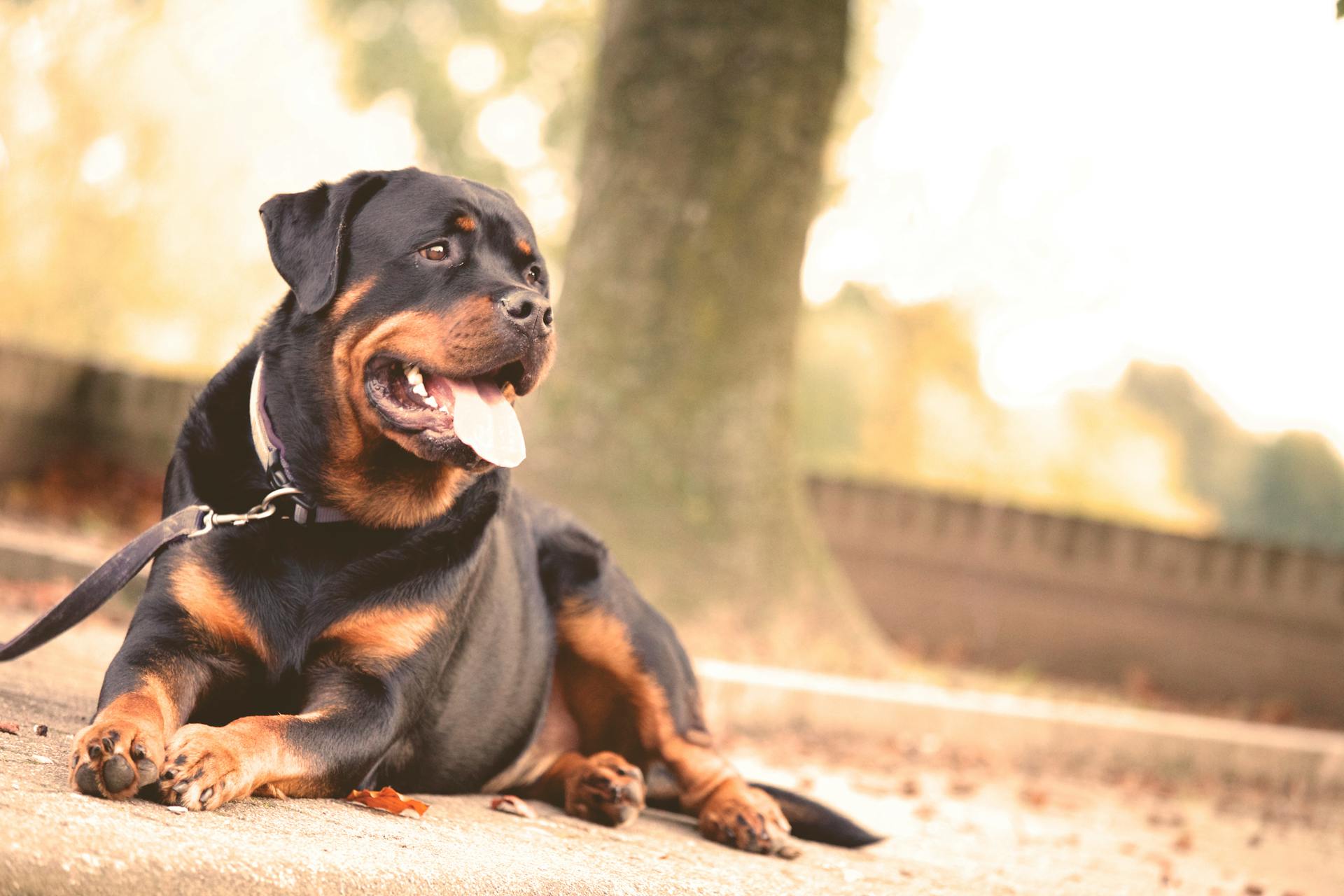
The National Dog Show is one of the most prestigious dog shows in the world, and it's a thrilling experience to watch the breed judging in action.
Each breed is judged on its unique characteristics, which are outlined in the breed standard.
The breed standard is a detailed description of the breed's ideal characteristics, including its size, coat, and temperament.
Judges look for dogs that closely match the breed standard, and they take into account the dog's movement, structure, and overall appearance.
The breed standard is developed by kennel clubs and breed associations, and it's used as a guide for breeders and judges.
Judges use a scorecard to evaluate each dog, and they consider factors such as the dog's size, proportion, and overall balance.
The dog that best represents its breed is awarded a first prize, and the top-winning breed earns the coveted Best in Show title.
Judging Process
Judges in dog conformation shows don't compare dogs to each other, but rather to the written standards of their breed.
These standards cover various body parts and attributes, including balance, weight, size, eyes, ears, head, muzzle, whiskers, teeth, tail, shoulders, legs, coat, and color.
A judge will use their hands to inspect a dog's body, including its bones and muscles, to assess its physical characteristics.
Judges also assess a dog's walk and attitude, which can vary by breed - for example, a beagle's attitude should be cheerful, while a poodle's should be proud.
The American Kennel Club (AKC) has assembled these criteria for each of their recognized breeds, gathering information from clubs and organizations that specialize in those breeds.
Here are the physical characteristics that judges assess in a dog:
- Balance: overall appropriate proportions in size
- Weight
- Size
- Eyes: color, size, shape
- Ears: shape, length, position
- Head: shape
- Muzzle: shape, length
- Whiskers: thickness
- Teeth: kind of bite (e.g. level or scissors bites)
- Tail: how it arches and sets (e.g. how high or low)
- Shoulders: bone, muscle
- Legs: muscles, stance, proportionality
- Coat: texture, length
- Color: accepted breed colors
Judges will use all this information to decide which dog best matches its breed's criteria, and that's the dog that wins the competition.
Understanding the Show
A dog show is more than just a beauty contest. It's a place where dogs are evaluated for breeding programs, and the decisions judges make can affect how handlers present their dogs and the decisions breeders make for future generations.
Each breed has a unique history and function that shaped its standard, or blueprint for how the breed should look and act. Many Toy breeds were bred to be lap dogs, while hounds were bred to help humans hunt wild game.
A good judge will consider both a dog's appearance and breed personality. A dog that displays a breed's true temperament can stand out in a crowded show.
History
The Kennel Club of Philadelphia Dog Show has a rich history dating back to 1879. It was established following a format set by a one-time dog show held at the United States centennial in 1876.
The show ran annually through 1927, but resumed in 1933 and has been held every year since then. It's traditionally held on the third from last weekend in November over two days.
The show is held by The Kennel Club of Philadelphia, a founding club of AKC. This organization is responsible for bringing the show to life every year.
Recommended read: National Kennel Club Dog Show
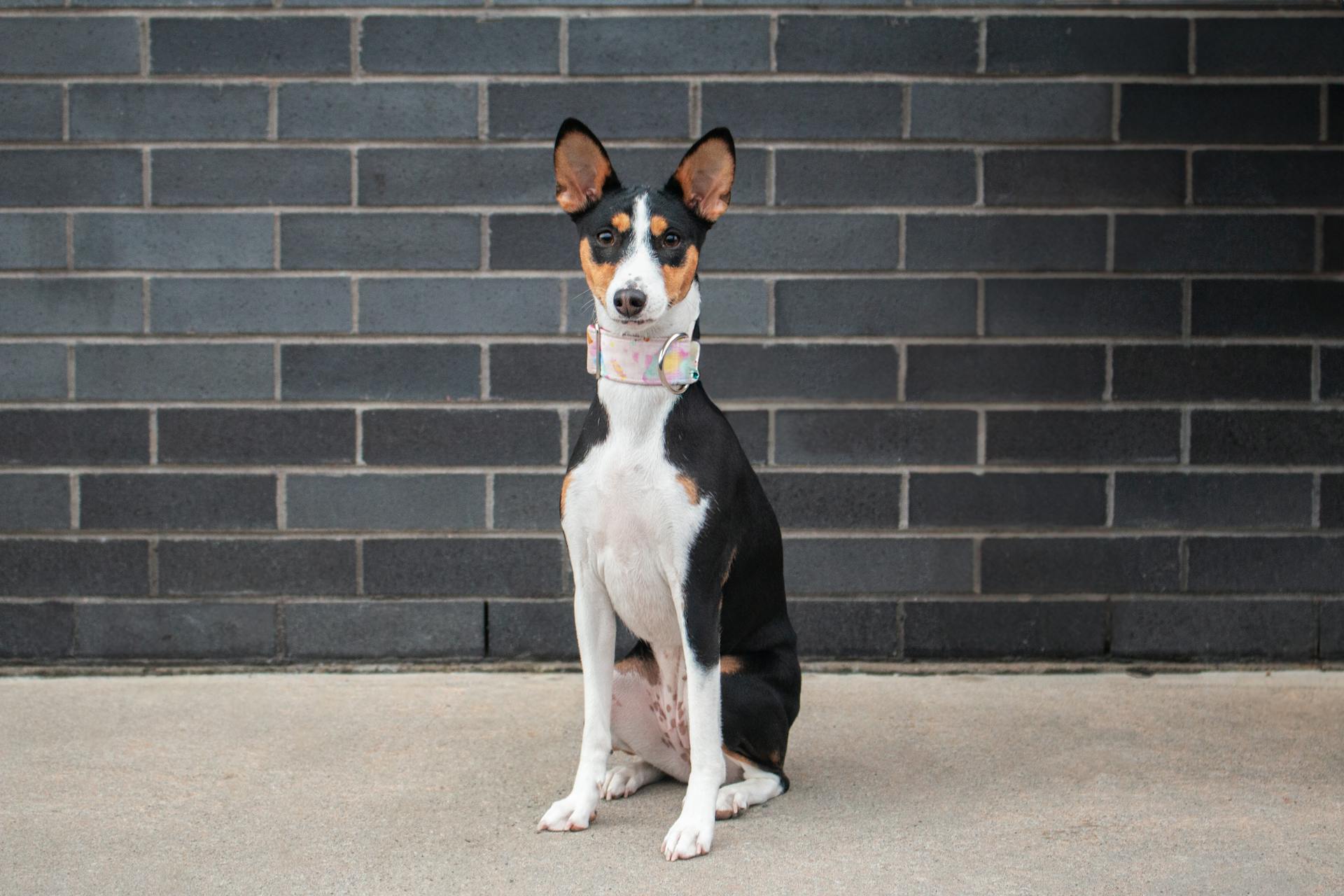
As one of the three major dog shows in the United States, The National Dog Show is a prestigious event. It's alongside the AKC National Championship and the Westminster Dog Show, both of which are highly respected in the dog show community.
The first dog to win two consecutive Best In Show awards in the show's history was GCH Foxcliffe Claire Randall Fraser, a Scottish deerhound who won in 2020 and 2021.
More Than a Beauty Contest
A Conformation dog show may seem like a beauty pageant at first glance, but it's actually much more than that. It's a place where dogs are evaluated for breeding programs, and the decisions judges make can affect how handlers present their dogs and the decisions breeders make for future generations.
Each breed was bred for a specific purpose, whether it's to be a lap dog or to help with hunting. This history and purpose are what define the breed's standard.
For more insights, see: Breeds of Dogs in a Dog's Purpose
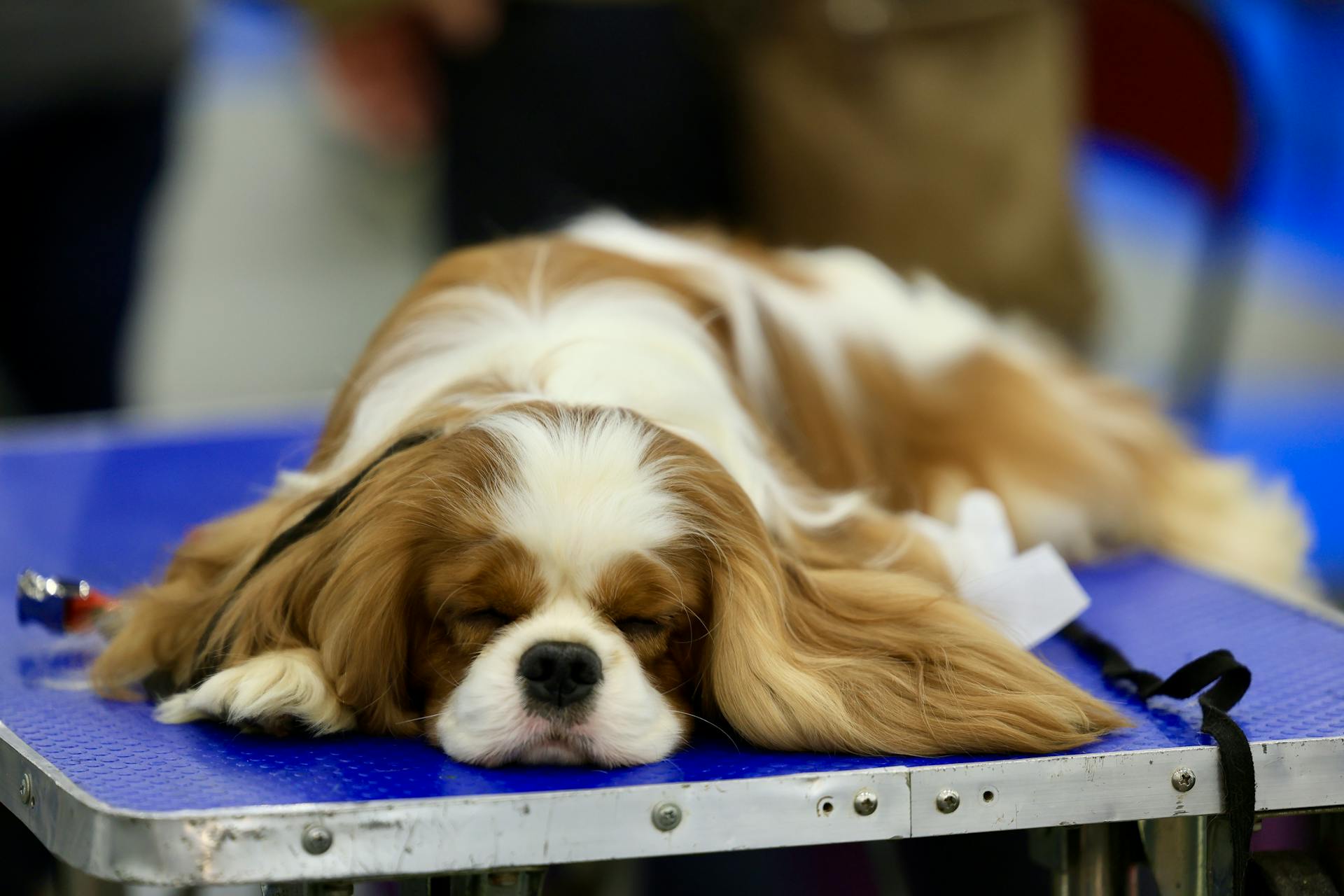
Judges don't just look at a dog's physical appearance; they also consider the breed's personality and temperament. A dog that displays its breed's true nature can stand out in a crowd.
Judging is not just about physical beauty, but also about understanding the breed's history and how it was developed.
Visualizing the Show
The national dog show breed judging process is a complex and highly organized event.
Breed judging is typically held in a large arena, often with a raised dais or platform for the judges to stand on.
Each breed has its own specific judging ring, and the dogs are presented in a specific order to minimize confusion and chaos.
The judging process involves a team of experienced judges, stewards, and handlers who work together to ensure a smooth and fair competition.
In a typical breed ring, there can be anywhere from 20 to 50 dogs competing for the top prize.
Expand your knowledge: Dog Judges You
Judging Criteria
Judges in dog conformation shows compare each dog to the written standards of its breed, not to other dogs. These standards address various body parts and attributes.
A dog's balance, including overall proportions in size, weight, and size, is one of the key factors considered. The ideal balance can vary depending on the breed.
Judges also assess a dog's eyes, including color, size, and shape, as well as its ears, head, muzzle, whiskers, teeth, tail, shoulders, legs, coat, and color. Each breed has its own specific requirements for these attributes.
Here are the physical characteristics considered in judging:
- Balance: overall appropriate proportions in size
- Weight
- Size
- Eyes: color, size, shape
- Ears: shape, length, position
- Head: shape
- Muzzle: shape, length
- Whiskers: thickness
- Teeth: kind of bite (e.g. level or scissors bites)
- Tail: how it arches and sets (e.g. how high or low)
- Shoulders: bone, muscle
- Legs: muscles, stance, proportionality
- Coat: texture, length
- Color: accepted breed colors
In addition to physical characteristics, judges assess a dog's walk (gait) and attitude. For example, a beagle's attitude should be cheerful, while a poodle's attitude should be proud.
Best in Show
To win "Best in Show", a dog must first be judged the best of many dog shows of its same breed. Some breeds have more than 100 dogs entered, making it a tough competition.
The winner of the breed moves on to the group judging, where they'll face other top dogs from different breeds.
For more insights, see: List of Best in Show Winners of the Westminster Kennel Club Dog Show
Featured Images: pexels.com