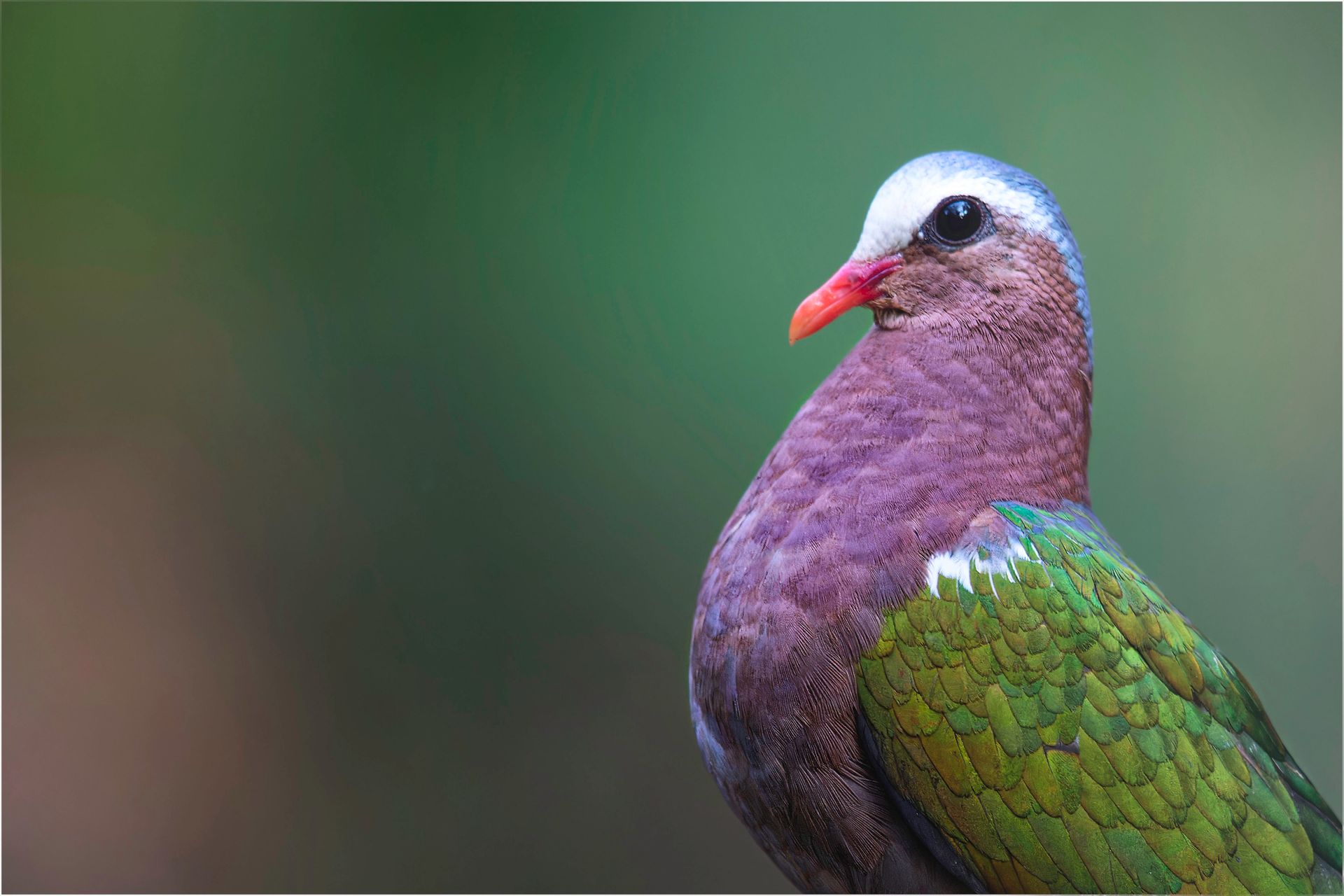
The Mindanao Bleeding Heart Dove is a bird species found in the Philippines, specifically in the island of Mindanao.
This dove is a medium-sized bird with a distinctive appearance, characterized by its reddish-pink breast and white belly.
One of the notable features of the Mindanao Bleeding Heart Dove is its unique courtship display, where the male bird performs a series of intricate songs and dances to attract a mate.
The Mindanao Bleeding Heart Dove is a relatively rare bird species, and its population is considered vulnerable due to habitat loss and hunting.
Check this out: Dove Soap
Breeding and Care
The breeding period for Mindanao bleeding-heart doves takes place during the rainy season, which is from March through June. This is when the female lays a single creamy white egg.
The female dove incubates the egg for 15-18 days, depending on the weather. The young birds are capable of flight within 15-16 days of hatching.
Hand-raising a Mindanao bleeding-heart dove chick requires a lot of care and attention, especially in the first few days after hatching. The chick needs the warmth of its parents, as it can't regulate its own body temperature.
Bird keepers may need to intervene if the parents are not incubating properly, or if the chick is in danger of freezing due to cold weather.
Check this out: Common Emerald Dove
Breeding
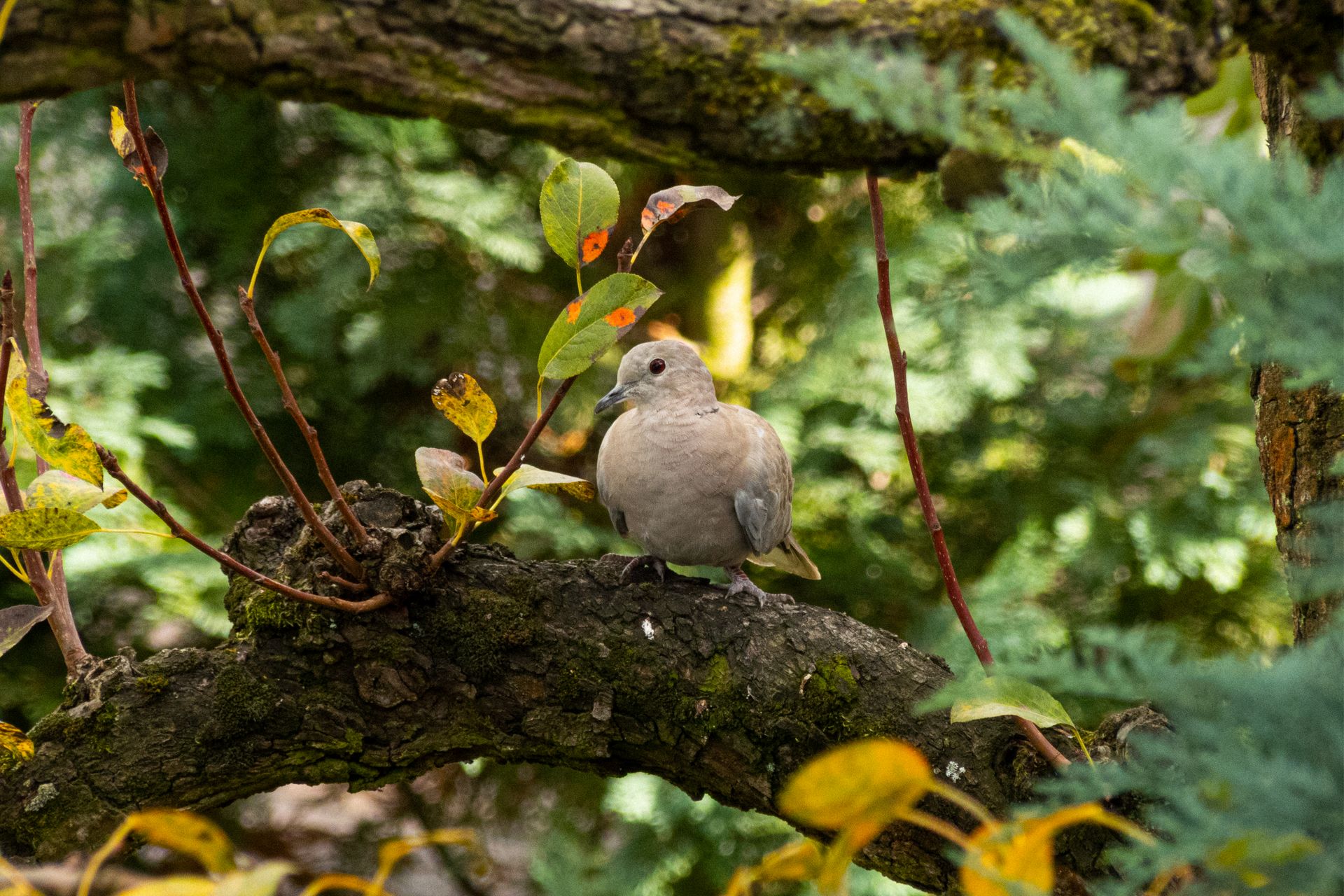
The breeding period for this species is a fascinating process. It takes place during the rainy season, which typically occurs from March through June.
Courtship is a key part of the breeding process, characterized by a unique behavior of slowly raising and lowering the wings at regular intervals of a few seconds.
The female lays a single creamy white egg, which she will carefully incubate for 15-18 days, depending on the weather.
Within 15-16 days of hatching, the young are capable of flight, marking a significant milestone in their development.
Hand-Raising a Dove
Hand-raising a dove can be a challenging but rewarding experience. It's essential to provide a safe and nurturing environment for the chick to grow and thrive.
Young birds require the warmth of their parents because they can't regulate their own body temperature when they first hatch. This was the case with a Mindanao bleeding-heart dove chick that was raised at the Houston Zoo.
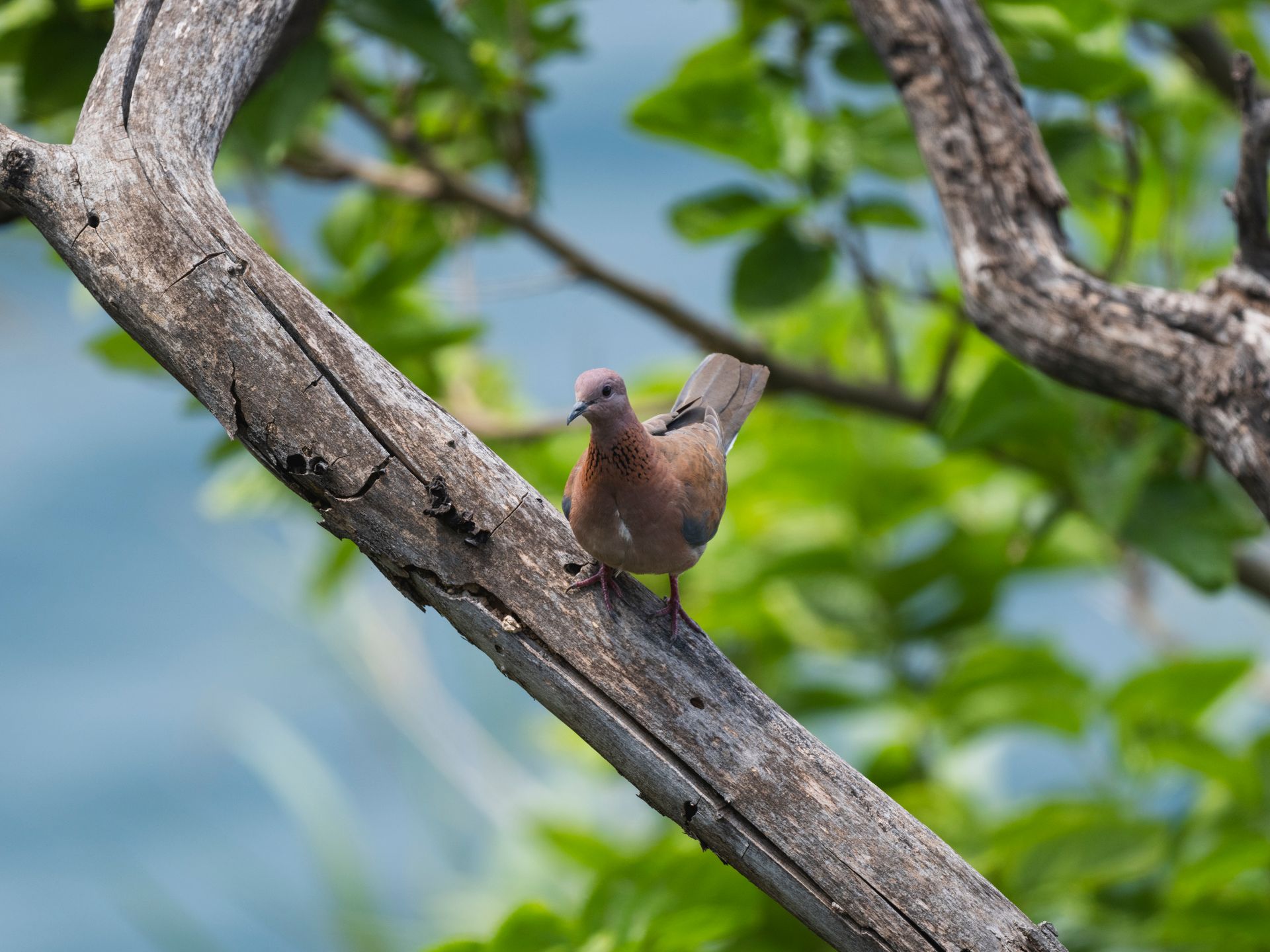
The chick's parents were not incubating it properly, so it was placed under a pair of African collared doves to serve as foster parents. Unfortunately, the collared doves stopped sitting on the nest after about 10 days, leaving the chick in danger of freezing.
Bird keepers intervened swiftly and brought the chick inside for warmth, where it received fluids for hydration and was helped to perk up. This was a crucial moment in the chick's life, as dependent chicks can't be easily reintroduced to their parents if they're separated for too long.
The chick had to eat five times a day every three hours, which meant the keepers had to bring it home for evening feedings every night. This was a lot of hard work and long hours, but it paid off as the chick grew incredibly fast.
Just two months after hatching, the chick was almost full-grown and eating entirely on its own. This rapid growth is a testament to the care and attention it received from the keepers.
Readers also liked: How Long Will My Female Dog Bleed
Conservation and Status
The Mindanao bleeding-heart dove is a bird species that's been listed as vulnerable in the 2007 IUCN Red List, with an estimated 1,000 to 2,499 mature individuals remaining. This is a significant decline from its initial listing as least concern in 1988.
Deforestation and overhunting are the main threats to this species. The wholesale clearance of forest habitats due to logging, agricultural conversion, and mining activities has led to a drastic loss of forest cover, with only 29% remaining on Mindanao.
The species' exact rate of decline is still unresolved, but conservation actions are being proposed to survey remaining tracts of suitable habitat and areas with historical records. This will help identify potential sites for protection and effective enforcement of laws relating to hunting and trapping.
The Mindanao bleeding-heart dove is one of the many species affected by deforestation. In fact, forest cover on Samar and Leyte is as low as 433 km of old-growth dipterocarp forest remaining.
Here are some key statistics on the Mindanao bleeding-heart dove's conservation status:
- IUCN Red List vulnerable species
- Gallicolumba
- Birds of Mindanao
- Endemic fauna of the Philippines
- Vulnerable fauna of Asia
- Birds described in 1853
- Taxa named by Ludwig Reichenbach
- Endemic birds of the Philippines
A subspecies of the Mindanao bleeding-heart dove, the Basilan subspecies, is unfortunately extinct in the wild. However, a captive population exists in the San Diego Zoo, offering hope for the species' conservation.
Habitat and Distribution
The Mindanao bleeding-heart dove can be found on the Philippine Islands of Samar, Leyte, Basilan, Mindanao, Bohol, and Dinagat.
It is one of the three bleeding-heart doves native to their own particular island or islands in the Philippines.
The Mindanao bleeding-heart dove naturally occurs in both primary and secondary tropical lowland rainforests.
Distribution and Habitat
The Mindanao bleeding-heart dove can be found on several islands in the Philippines, including Samar, Leyte, Basilan, Mindanao, Bohol, and Dinagat.
It's worth noting that the Mindanao bleeding-heart is one of the three bleeding-heart doves that are native to their own particular island or islands of the Philippines.
These doves naturally occur in tropical lowland rainforests, which can range from primary forests that have never been disturbed to secondary forests that have been affected by human activities.
The Mindanao bleeding-heart can be found up to an elevation of 750 meters above sea level, which is a relatively high altitude for a dove species.
You might like: Philippine Wildlife
Mindanao Pigeon
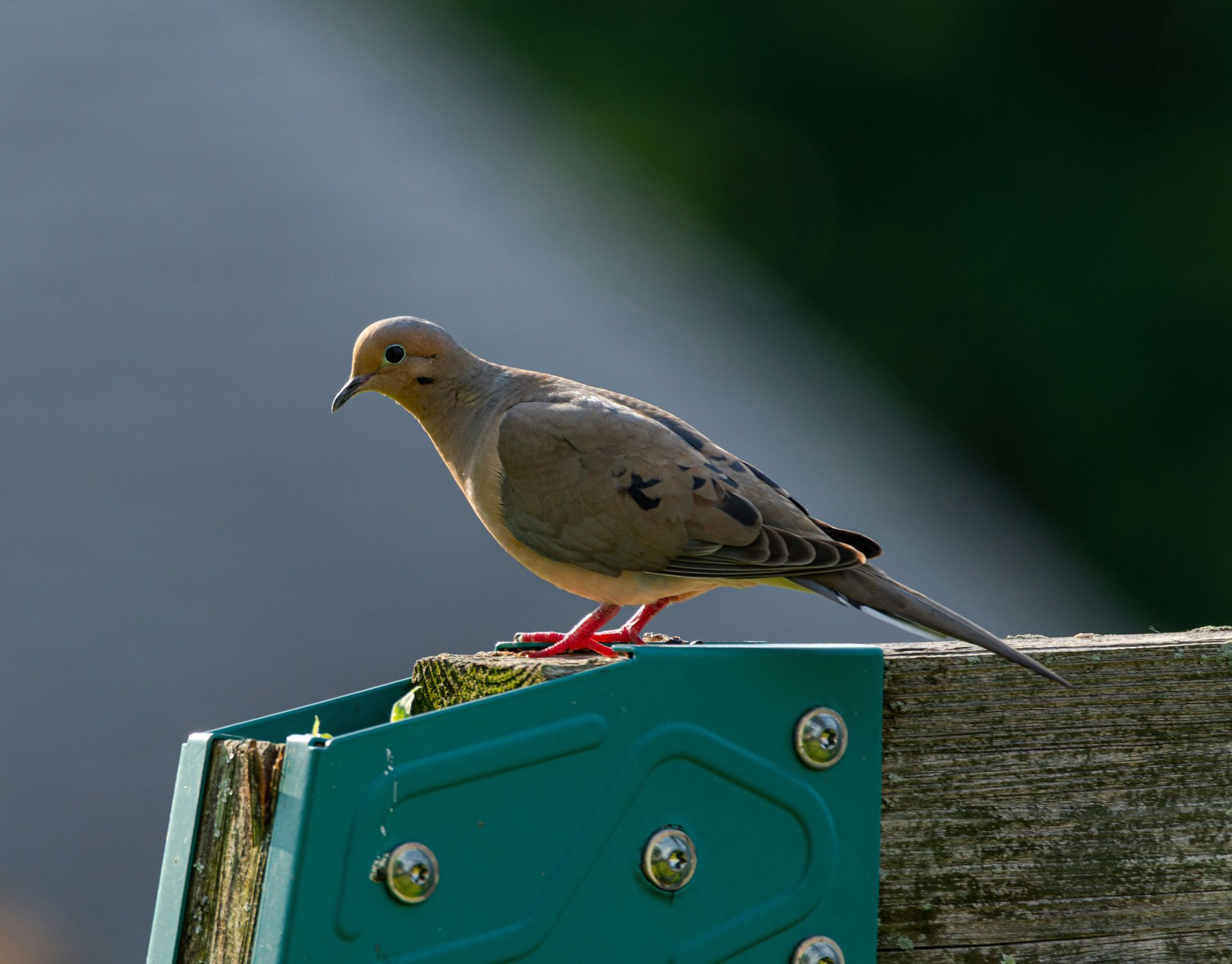
The Mindanao Pigeon is a stunning bird species found mainly in the island of Mindanao and parts of the Visayas region, including Samar, Leyte, Basilan, Bohol, and Dinagat.
It inhabits lowland primary forests and secondary forests below 750 meters, where its unique combination of colors makes it a beautiful sight to behold.
The Mindanao Pigeon's feathers display a range of colors, including brown, greenish metallic, white, and purplish brown, with dark to light rust or orange hues on its lower breast and belly.
Not allowed to be hunted, it's part of the pigeon family and is vulnerable to danger and extinction, which is why it's essential to protect its habitat in the forests of Eastern Visayas and Mindanao.
Research and Conservation Efforts
The Mindanao bleeding-heart dove is a critically endangered species that requires immediate conservation attention.
Deforestation is a major threat to the species, with forest cover on Mindanao estimated at just 29%. The species' main threat is habitat loss due to logging, agricultural conversion, and mining activities.
Conservation actions proposed include surveying remaining tracts of suitable habitat and areas with historical records, particularly on Samar and Leyte.
Key sites and potential habitat need to be effectively protected, and remaining forests that support the species should be proposed for establishment as protected areas.
Effective enforcement of laws relating to hunting and trapping is also crucial to prevent further decline of the species.
Conservation efforts are necessary to protect the species and its habitat, and research is being conducted to know and protect wildlife and natural habitats.
Unique Aspects
The Mindanao Bleeding Heart Dove is a unique bird species.
This dove is found only in the Philippines, specifically in the island of Mindanao.
It has a distinctive appearance, with a reddish-pink breast and a black spot on its chest.
The Mindanao Bleeding Heart Dove is a small bird, measuring only about 23 centimeters in length.
Its diet consists mainly of fruits and seeds, which it forages for on the forest floor.
This dove is a shy and solitary bird, often seen alone or in pairs.
It breeds throughout the year, with the female laying two eggs at a time.
A unique perspective: Bird Bleeding
Support and Sponsorship
Sponsorship is a great way to support the Mindanao Bleeding Heart Dove's conservation efforts. You can help take care of these beautiful birds and protect their species.
By sponsoring an animal, you'll be contributing to the costs of their care and habitat preservation.
The Mindanao Bleeding Heart Dove needs our help to thrive in their natural habitat.
Featured Images: pexels.com