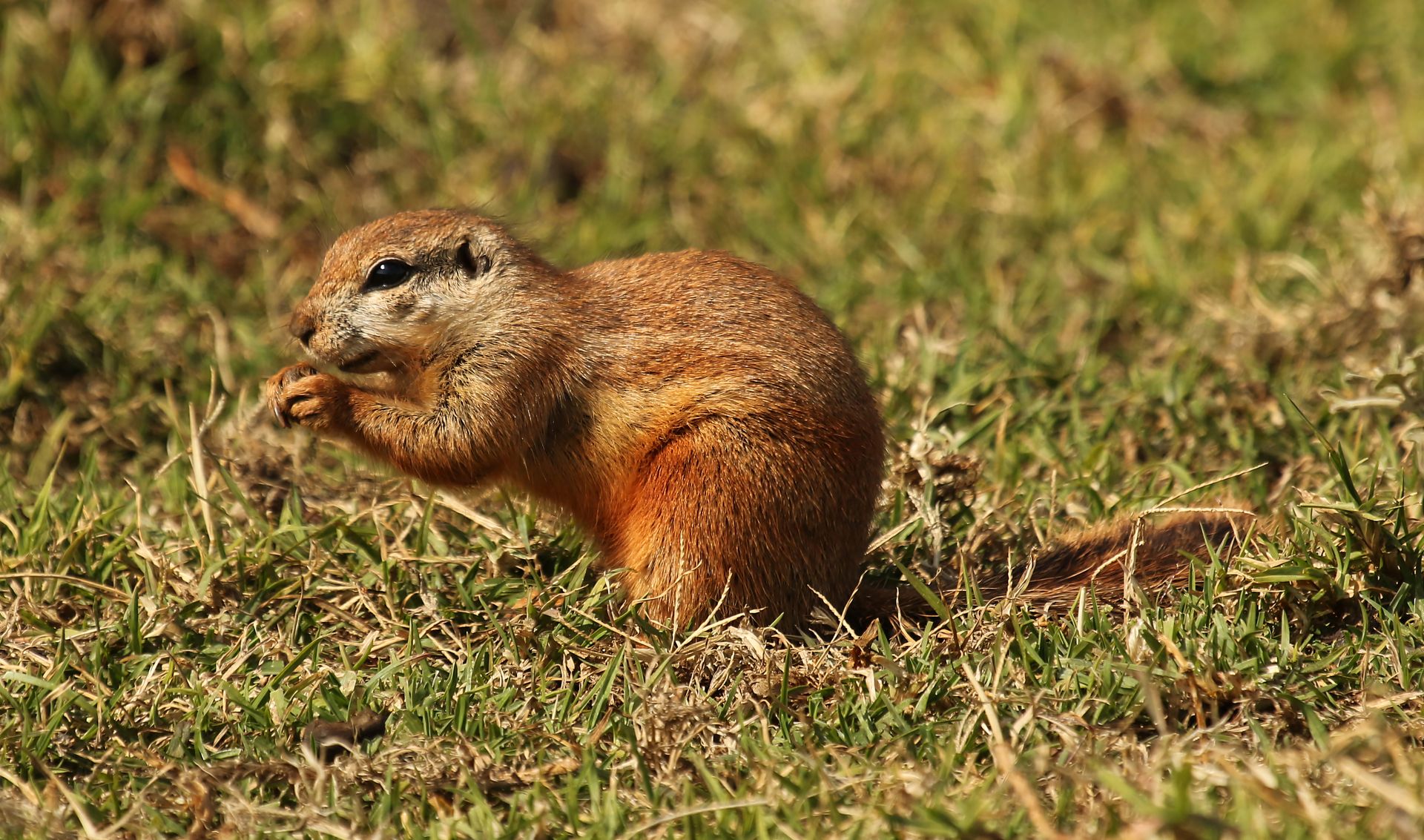
Mastomys species are part of the Muridae family, which includes over 60 genera of rodents. They are primarily found in Africa.
These rodents are highly adaptable and can thrive in a variety of habitats, from savannas to forests. Their ability to survive in different environments is a testament to their resilience.
Mastomys are typically found in areas with dense vegetation, where they can easily hide and forage for food. They are excellent climbers and often inhabit trees and bushes.
Their adaptability has led to a wide distribution across the African continent, with some species found in countries such as South Africa, Kenya, and Tanzania.
Biology and Behavior
Mastomys are rodents that belong to the family Muridae. They are small to medium-sized, typically weighing between 50-150 grams.
Mastomys are highly adaptable and can be found in a variety of habitats, including savannas, grasslands, and forests. Their ability to thrive in different environments is likely due to their omnivorous diet.
Mastomys are social animals and often live in large colonies, with females giving birth to multiple litters per year. This high reproductive rate allows them to quickly colonize new areas.
In the wild, Mastomys can live up to two years, although their average lifespan is typically shorter due to predation and disease.
Temperament
Handling M. natalensis requires strict protocols due to their speed and agility, which include sealing off the room to prevent escape or loss.
These animals are best handled lightly sedated with inhalational isoflurane prior to cage changes and hands-on health checks.
Bite-proof Kevlar gloves are a must whenever handling the rodents, even when under sedation, as the animals are not immune to biting.
Aggressive behavior between rodents is not common, but it's worth noting that non-litter mates of the same sex are not socially housed together.
Female aggression towards male suitors is the most common form of aggressive behavior observed in breeding pairs.
Cannibalism is infrequent, with only three incidents observed during the first 12 months of breeding, two of which were stillborn births.
Natal Multimammate Mouse
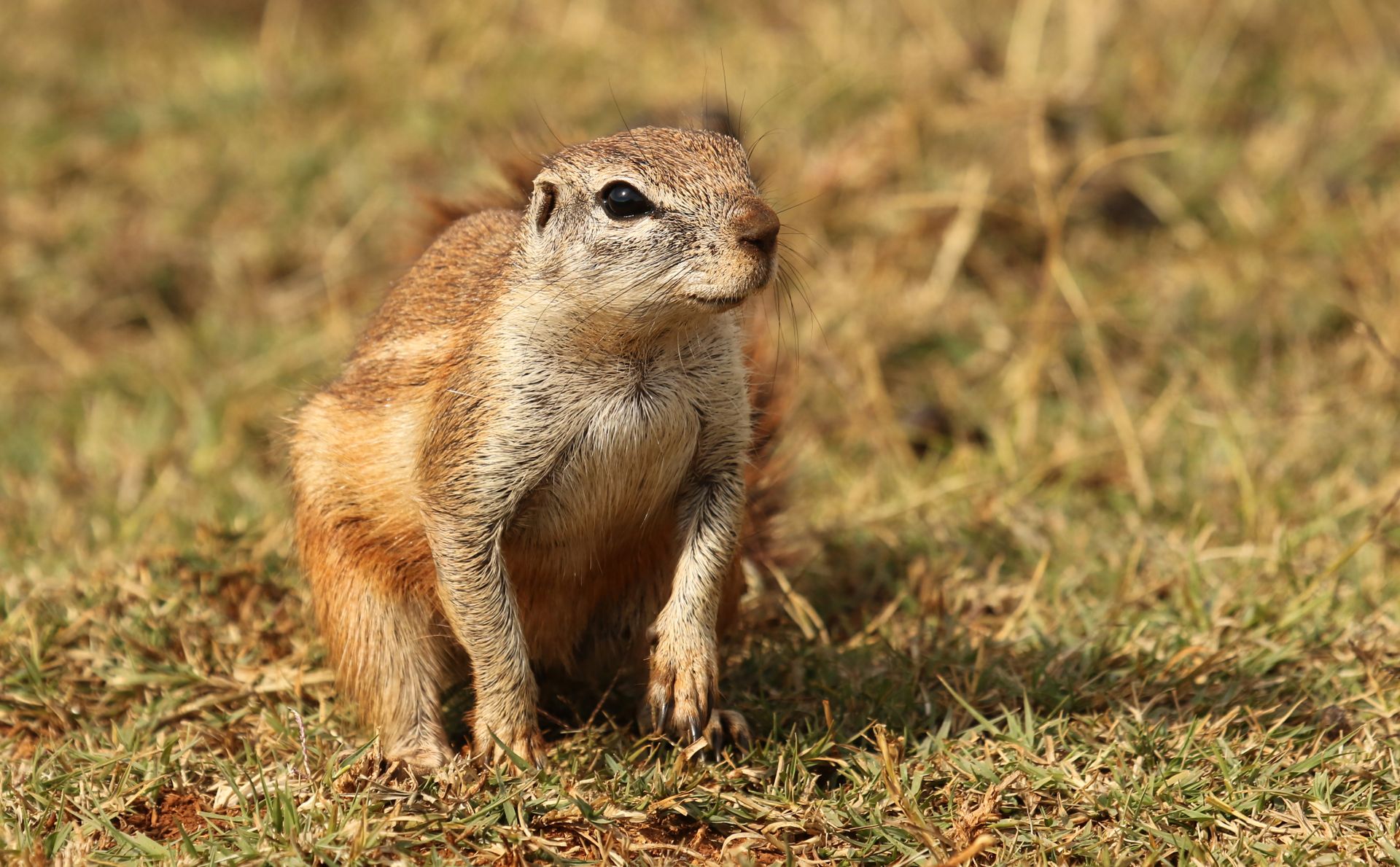
The Natal multimammate mouse is a very common pest in Africa.
It's listed as Least Concern on the IUCN Red List, which means it's widespread and abundant.
This little guy is also known as Mastomys natalensis, and it's the most common rat in Africa.
They're notorious for digging into houses and eating everything in sight, just like rats and mice on other continents.
Disease Susceptibility
Mastomys, also known as multimammate mice, are rodents that are susceptible to Lassa virus (LASV) infection.
Experimental infection of Mastomys natalensis with LASV had no effect on body weight during a 10-day pilot study.
The virus was detected in various organs, including the lung, liver, spleen, heart, kidney, bladder, and brain, as well as in oral and rectal swabs and urine.
A total of 6 Mastomys natalensis were inoculated with LASV, and all of them showed readily detectable levels of LASV RNA in their tissues.
The following table shows the number of samples positive for LASV RNA in each organ:
The virus was re-isolated from a subset of tissues using standard tissue culture methodologies, confirming the presence of infectious virus in these animals.
Genus and Classification
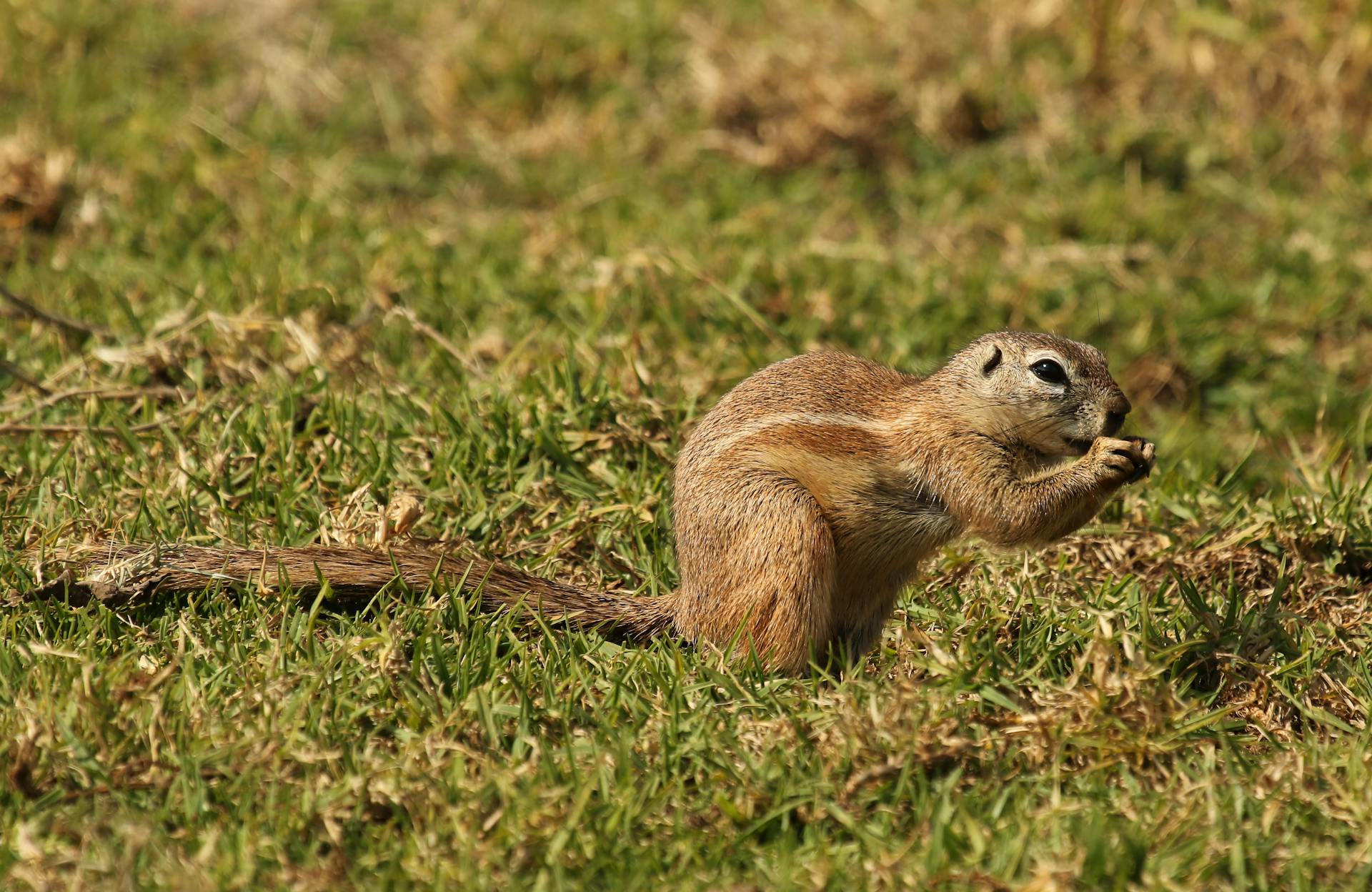
The Mastomys genus is a group of rodents that belongs to the family Muridae. They are endemic to Africa and contain eight species.
The scientific classification of Mastomys is as follows: Kingdom Animalia, Phylum Chordata, Class Mammalia, Order Rodentia, Family Muridae, and Tribe Praomyini.
Mastomys was previously classified in the genus Rattus and then in the genus Mus, but molecular research has confirmed that they are a distinct genus.
Feed and Habitat
Mastomys can thrive in a variety of habitats, from dry to wet areas, and can be found in thickets, forests, and savannas.
They are adaptable animals that can tolerate a higher number of males in a group compared to other rodent species.
In fact, when introducing a new male to an existing group, it's best to add a young individual, as adult males may be injured or killed by the existing group.
Their ability to live in diverse environments makes them a fascinating subject to study.
Figure 1
In sub-Saharan Africa, two types of rodents, Mastomys natalensis and Mastomys erythroleucus, have a wide geographic distribution.
Mastomys natalensis is found across a significant portion of the continent, shaded green in Figure 1.
Mastomys erythroleucus, on the other hand, has a more limited range, shown in red-hatched areas in Figure 1.
The village of Doneguebougou, marked by a triangle in the inset of Figure 1, is located relatively close to the capital city of Bamako, Mali.
Figure 2
Mastomys natalensis rodents can have a variety of physical appearances, as shown in Figure 2 from a study on Lassa virus.
In fact, these rodents can look quite different from one another, even within the same region.
The study found that wild-captured Mastomys natalensis in Mali had differing physical appearances, which can make identification challenging.
Morphologically, these rodents can be difficult to distinguish from other species, such as M. erythroleucus or M. huberti.
The study's image shows this variation, with the giant shrew on the left side of the image serving as a comparison to the Mastomys natalensis on the right.
Researchers have struggled to establish a genetically confirmed laboratory colony of M. natalensis due to the challenges of identifying these rodents.
Figure 3
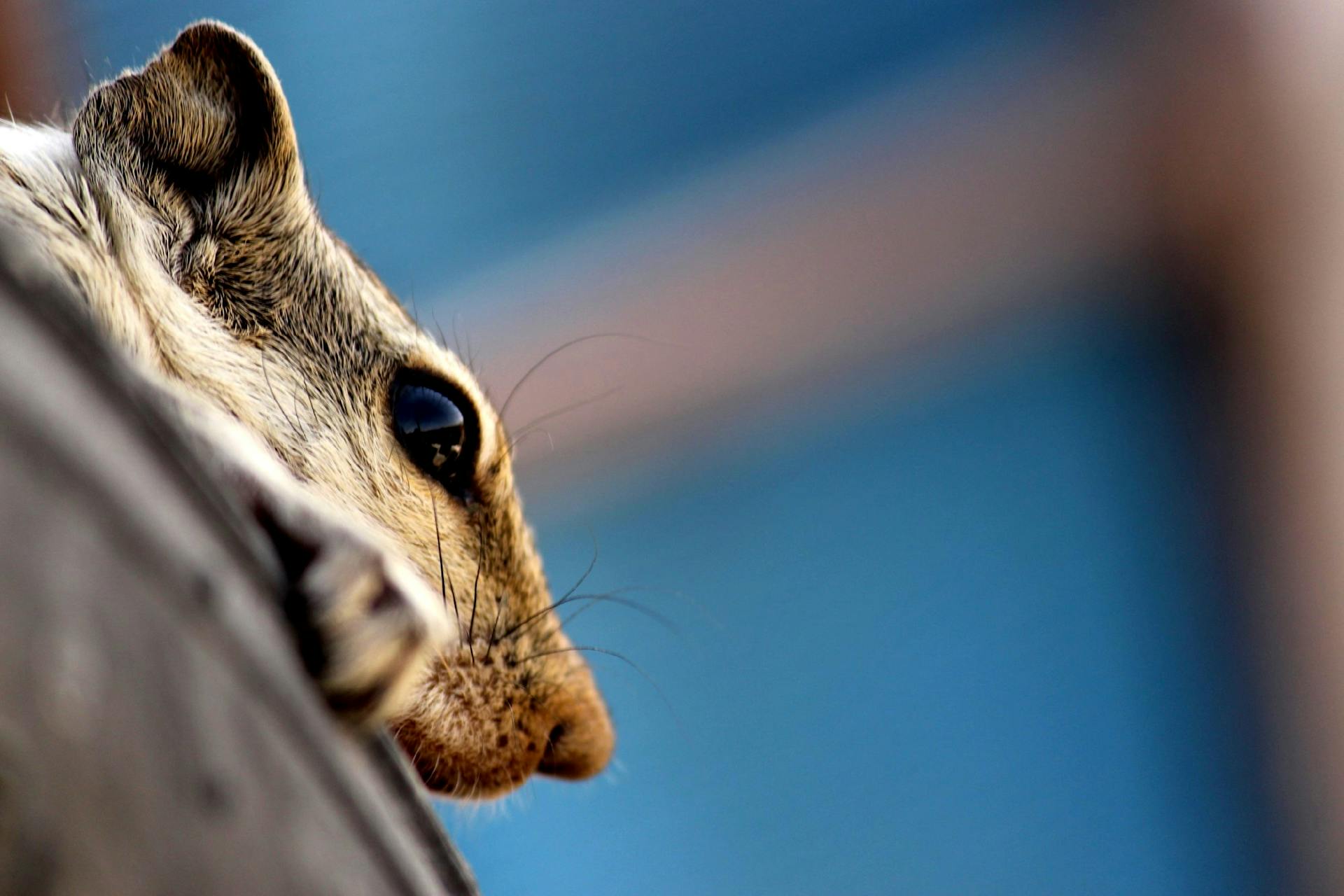
In the caging setup for the Mastomys natalensis colony, a standard disposable caging unit is used with a "locking" wire top, bedding, and enrichment.
This setup is designed to provide a safe and comfortable environment for the rodents.
The caging unit has a ventilated rack dedicated to the Mastomys natalensis colony, ensuring proper airflow and reducing the risk of disease.
Mastomys natalensis are social animals and thrive in colonies, which is why the ventilated rack is used.
In the bottom left of Figure 3, a dam and her pups are shown in a ventilated cage, highlighting the importance of providing a suitable environment for breeding and rearing.
A sub adult Mastomys natalensis is also shown in a static caging unit in Mali just prior to shipment to Rocky Mountain Laboratories (RML), demonstrating the need for specialized care and transportation.
The caging setup is designed to meet the specific needs of Mastomys natalensis, which is crucial for their health and well-being.
Alimentation
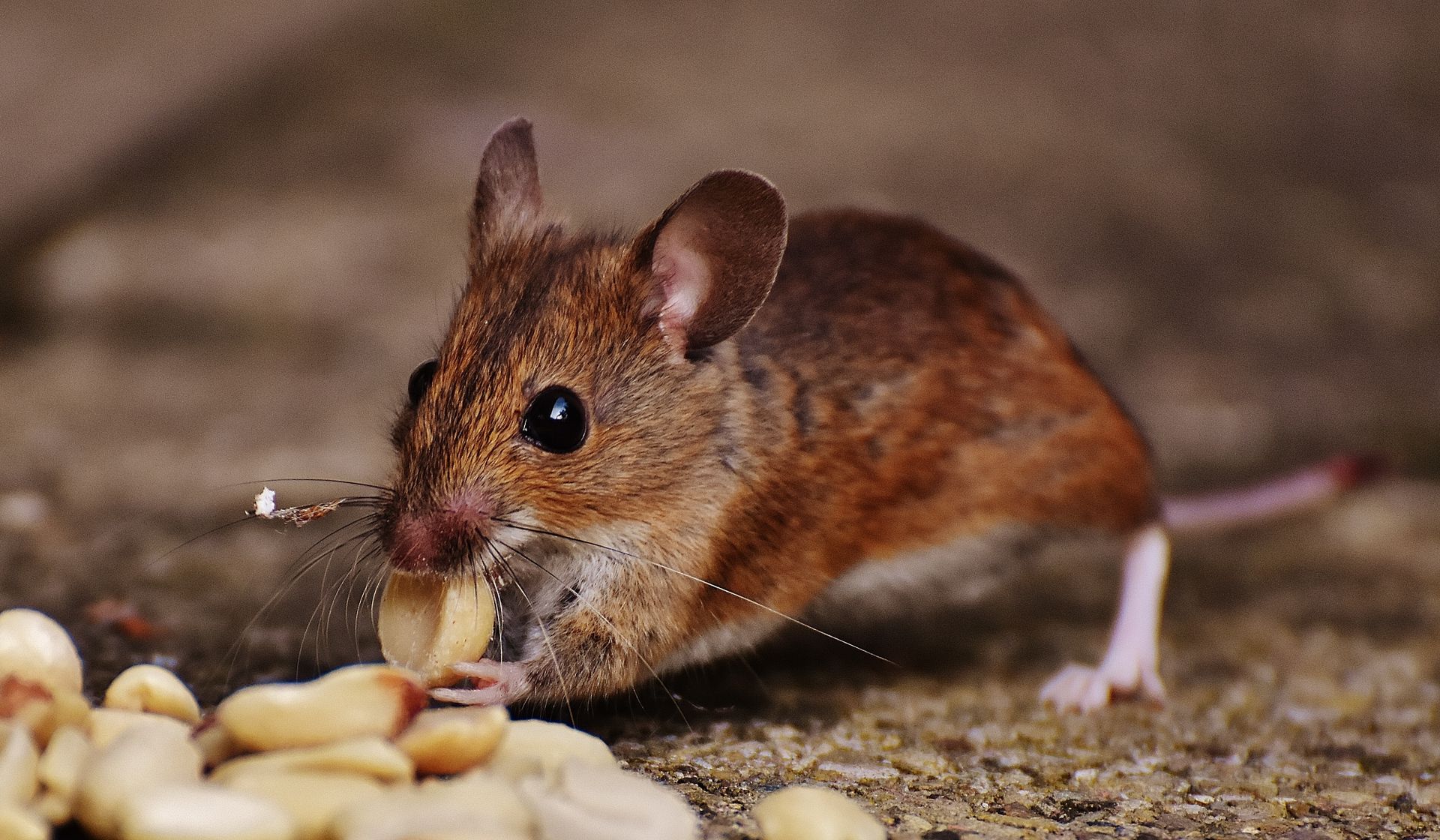
The Mastomys natalensis, also known as Mastomys or Natal Multimammate Mouse, is a common sight in many rodent enclosures.
For their alimentation, Mastomys natalensis require a diet rich in nutrients, which can be achieved by offering a variety of foods such as seeds, fruits, and vegetables.
In the wild, these rodents have been known to eat almost anything they can find, from grains to insects.
Mastomys natalensis are particularly fond of seeds, which are a staple in their diet.
Their omnivorous nature means they can thrive on a mix of plant and animal matter.
A well-balanced diet for Mastomys natalensis should include a variety of foods to ensure they receive all the necessary nutrients.
Biotop
Mastomys can thrive in a wide range of habitats, from dry to wet areas, and even in dense forests, grasslands, and savannas.
They are adaptable creatures that can make themselves at home in various environments.
In fact, mastomys are known to tolerate a higher number of males in their groups compared to other rodent species.
This unique social dynamic allows them to easily integrate a new male into their existing group.
To do this, it's best to introduce a young male to the existing group, as introducing an adult male can lead to aggression and even fights within the group.
Discussion
Approximately 60% of emerging pathogens are of zoonotic origin, which means they come from animals. This is a significant concern because it highlights the importance of studying the virus/rodent host interface.
The order Rodentia is incredibly diverse, with over 2400 species, including over 1600 murid rodents. This diversity makes it difficult to study the virus/rodent host interface in a controlled laboratory environment.
Despite the challenges, scientists have made progress in studying the virus/rodent host interface. For example, a small colony of deer mice was established at the University of New Mexico to study hantavirus pulmonary syndrome (HPS) and Sin Nombre virus (SNV).
The colony has been instrumental in understanding the pathogenesis of HPS in humans and has also helped develop a non-human primate model for the disease. This is a significant breakthrough in the field of virology.
Scientists have also used the colony to study the mutations acquired in SNV when lab-passaged in standard mammalian cell cultures. This research has potential applications in developing vaccines and treatments for HPS.
A similar colony of African rodents, specifically Mastomys natalensis, has been established for the study of LASV. This colony has already proved useful in studying the ecological role of M. natalensis in the maintenance cycle of an African relapsing fever spirochete.
The colony-reared M. natalensis are susceptible to LASV infection and have shown systemic spread of the virus. This is a significant finding that highlights the potential of the colony for studying transmission of LASV directly from rodent reservoirs.
The laboratory colony has a prolific breeding potential, which makes it well-suited to expand and facilitate several studies per year. This is a valuable resource for researchers studying LASV and other potential rodent-borne human pathogens.
Broaden your view: African Spiny Mouse
Frequently Asked Questions
What is the common name for Mastomys natalensis?
Mastomys natalensis is commonly known as the Natal multimammate mouse, Natal multimammate rat, common African rat, African soft fur rat, or African soft-furred mouse.
Featured Images: pexels.com