The Malheur National Wildlife Refuge is a unique and fascinating place. Established in 1908, it's one of the oldest refuges in the country.
Located in southeastern Oregon, the refuge spans over 188,000 acres, providing a crucial habitat for a wide variety of wildlife. It's a haven for birds, with over 300 species documented within the refuge.
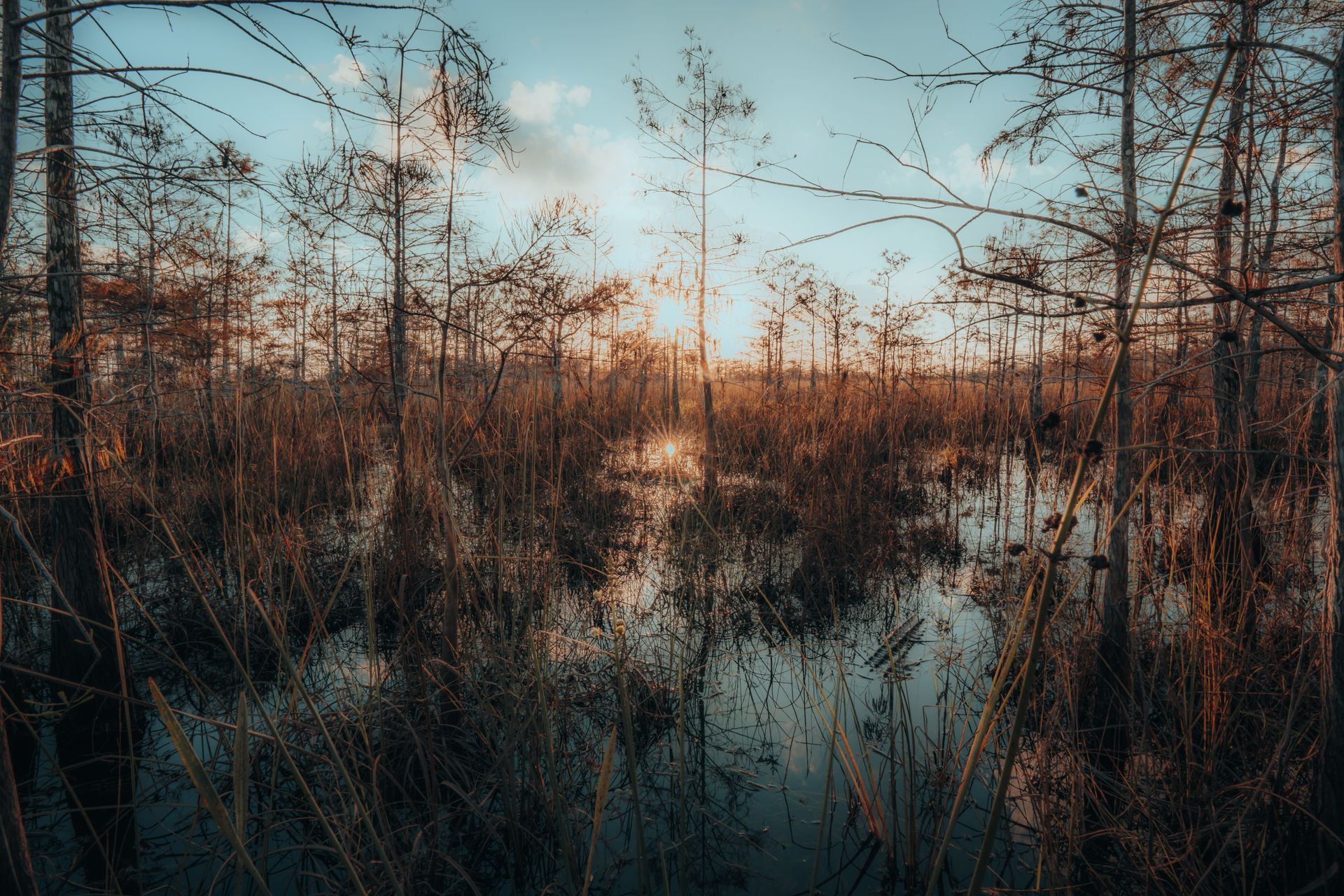
The refuge's diverse landscape includes wetlands, grasslands, and forests, which support a wide range of plant and animal species. This variety of habitats makes it an ideal location for wildlife viewing and photography.
History and Development
Malheur National Wildlife Refuge was created on August 18, 1908 by a proclamation from President Roosevelt. This marked the beginning of a long history for the refuge.
The original parcel of land surrounding Malheur Lake, Harney Lake, and Mud Lake was 81,786 acres. Over time, the refuge grew to its current size of 187,756 acres through federal purchases and acquisitions of surrounding lands.
Roads and other infrastructure were built by workers with the Civilian Conservation Corps during the Great Depression.
Creation and Expansion

The Malheur National Wildlife Refuge was created on August 18, 1908 by President Roosevelt's proclamation, marking the beginning of its remarkable journey.
It started as a 81,786-acre parcel surrounding Malheur Lake, Harney Lake, and Mud Lake, and was originally named the Malheur Lake Refuge.
Recent History
In 2008, the drafting of a new management plan for the refuge began, involving various stakeholders in its future.
This collaborative process was key to finding an agreeable compromise between opposing interests in the land.
The final plan, completed in 2013, was accepted by environmentalists, refuge managers, cattle owners, and the Paiute tribe.
This innovative plan allowed grazing to continue in some areas, which is seen as a valuable tool to combat invasive plants that threaten the refuge's habitat quality.
However, the extent of grazing may be reduced in specific areas if it is scientifically shown to be detrimental to the refuge's wildlife.
Geography and Wildlife
Malheur National Wildlife Refuge is a vast 187,757-acre expanse of diverse landscapes. The Donner und Blitzen River flows northward through the middle, creating an artificial wetland that attracts thousands of migrating birds.
The refuge's unique geography is shaped by its history, with the Donner und Blitzen River flowing into Malheur Lake, which then flows into Harney Lake, forming a large salt lake. This open water brings in a steady stream of migratory birds.
The refuge's marshes lie in the desiccated lake bed of a Pleistocene age pluvial lake, making it one of the most extensive freshwater marsh ecosystems in the western United States.
Geography
The Malheur National Wildlife Refuge is a vast and diverse area, covering a total of 187,757 acres. This includes extensive marshland, making it one of the largest freshwater marsh ecosystems in the western United States.
The Donner und Blitzen River flows northward through the middle of the refuge, creating a large artificial wetland that once was a natural wetland. This wetland is a crucial stop for thousands of migrating birds each year.
Exceptionally hot in the summer and cold in the winter, the late spring and early fall are the best times to visit the refuge. The unique geography of the area, with its marshes and lakes, creates a haven for wildlife.
The Diamond Craters volcanic field lies southeast of the refuge, covering an area of 27 square miles. This monogenetic volcanic field is a fascinating geological feature.
A late Pleistocene basaltic lava flow, called the Voltage Flow, forms a high-standing ridge that marks the eastern boundary of the pluvial lake basin. This ridge is a testament to the area's complex geological history.
Wildlife
The wildlife in this region is incredibly diverse, with over 200 species of birds, including the majestic Andean condor, which soars through the skies.
The Andes mountain range is home to a variety of unique wildlife, such as the spectacled bear, which is the only bear species found in South America.
The condor's wingspan can reach up to 10 feet, making it one of the largest birds in the world.
The high-altitude lakes of the region are a haven for aquatic birds, such as the Chilean flamingo, which can be found in large flocks.
The condor's distinctive black and white feathers help it blend in with its surroundings, making it a master of stealth.
The region's diverse geography supports a wide range of ecosystems, from tropical rainforests to arid deserts.
Check this out: Japanese Black Bear
Conservation Efforts
The Malheur National Wildlife Refuge has a rich history of conservation efforts. In 1908, the refuge was designated as one of the first wildlife refuges in the Western US, thanks to the lobbying efforts of William Finley and the Bird Alliance of Oregon.
Restoration of the refuge's aquatic health has been a major focus area. The collaborative process used to develop the Comprehensive Conservation Plan in 2010 helped launch a major effort to restore the refuge's waterways and wetlands.
The plan brought together community members, conservation organizations, local government agencies, and refuge staff to find solutions for everyone involved. This collaborative approach has been instrumental in revitalizing relationships and enhancing wildlife habitat.
Bird Alliance of Oregon has been a key player in the refuge's conservation efforts. As a charter member of the collaborative efforts, they continue to invest in developing and implementing conservation initiatives on the refuge and surrounding landscape.
Innovative solutions to complex environmental issues have been developed through these collaborative efforts. Harney County is now nationally renowned for its collaborative approaches to conservation, which bring together ranchers, local state and federal agencies, the Burns-Paiute Tribe, and conservation groups.
Discover more: Oregon Wolf Packs
Bird Species and Habitat
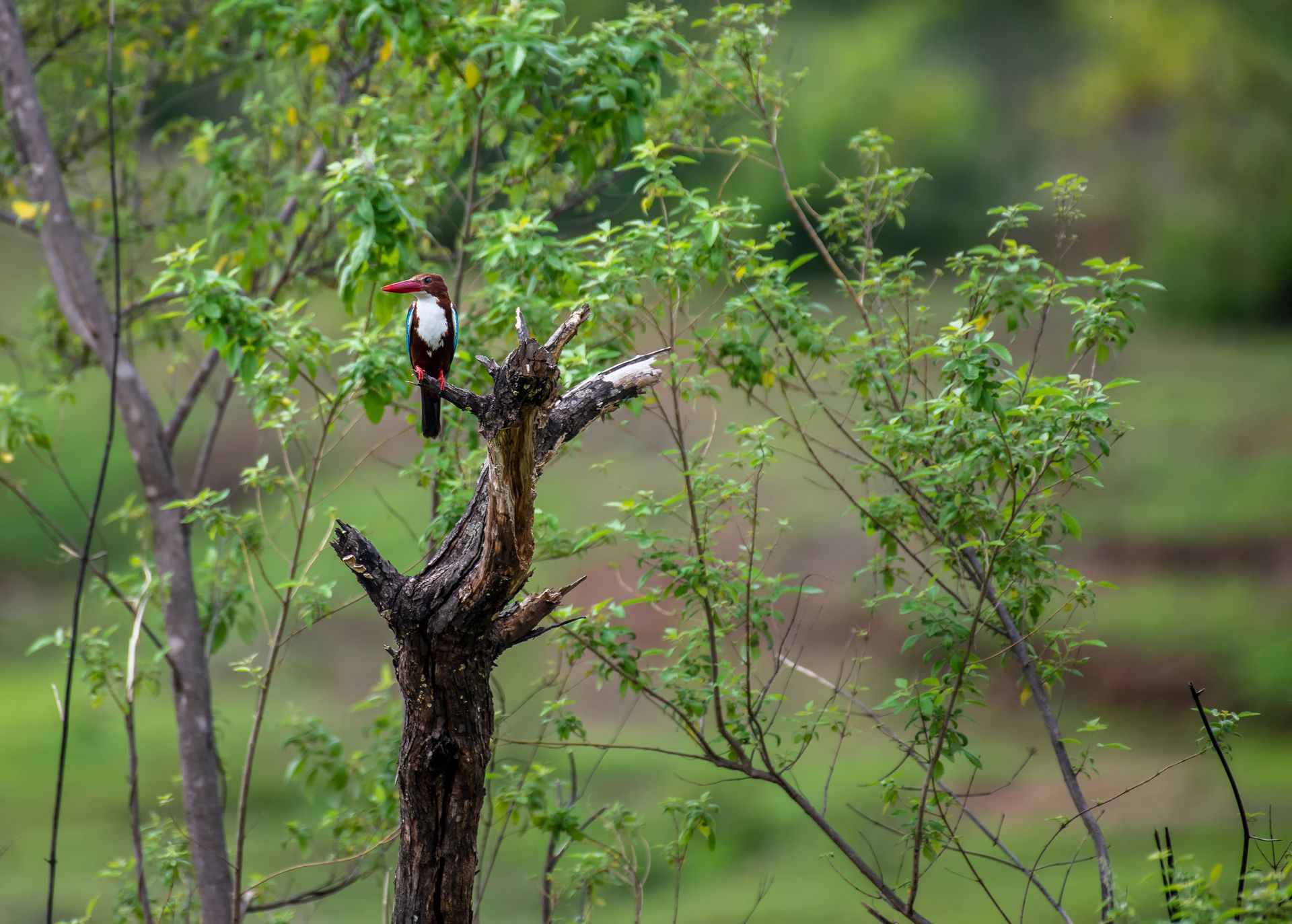
The Malheur National Wildlife Refuge is a haven for bird enthusiasts, with its primary focus on protecting birds and providing birding opportunities.
One of the most notable bird species in the refuge is the Greater Sandhill Crane.
The refuge is managed to protect birds like the Greater Sandhill Crane.
Birds like the Greater Sandhill Crane rely on the refuge's habitat for survival.
The refuge provides a crucial habitat for birds like the Greater Sandhill Crane.
The Malheur National Wildlife Refuge is a must-visit destination for birdwatchers and nature lovers.
Related reading: Giant Panda Habitat Destruction
Stewardship and Support
ONDA volunteers have been removing unneeded fences from the refuge for over 20 years, demonstrating their dedication to preserving the land.
If you're interested in supporting the refuge, consider becoming a Bird Alliance of Oregon Activist. This will allow you to contribute to legislation, funding, and policy goals that benefit the refuge.
You can also take a Bird Alliance of Oregon tour to learn about the refuge's history, wildlife, and collaborative conservation efforts. These tours provide a unique opportunity to experience the refuge firsthand.
Joining a Bird Alliance of Oregon volunteer work party is another great way to get involved. You'll have hands-on experience helping restore the refuge and the surrounding landscape.
If you're looking for a more in-depth experience, consider requesting a presentation for your group on Malheur. This will give you a deeper understanding of the refuge's importance and the efforts being made to protect it.
Here are some ways to get involved with the refuge:
- Become a Bird Alliance of Oregon Activist
- Take a Bird Alliance of Oregon tour
- Join a Bird Alliance of Oregon volunteer work party
- Request a presentation for your group on Malheur
Frequently Asked Questions
When should I visit Malheur National Wildlife Refuge?
Visit Malheur National Wildlife Refuge from March to May for optimal wildlife viewing opportunities
Did the Malheur National Wildlife Refuge take over?
No, the Malheur National Wildlife Refuge was occupied by an armed group of right-wing militants, not the other way around. The occupation lasted from January 2 to February 11, 2016.
Featured Images: pexels.com