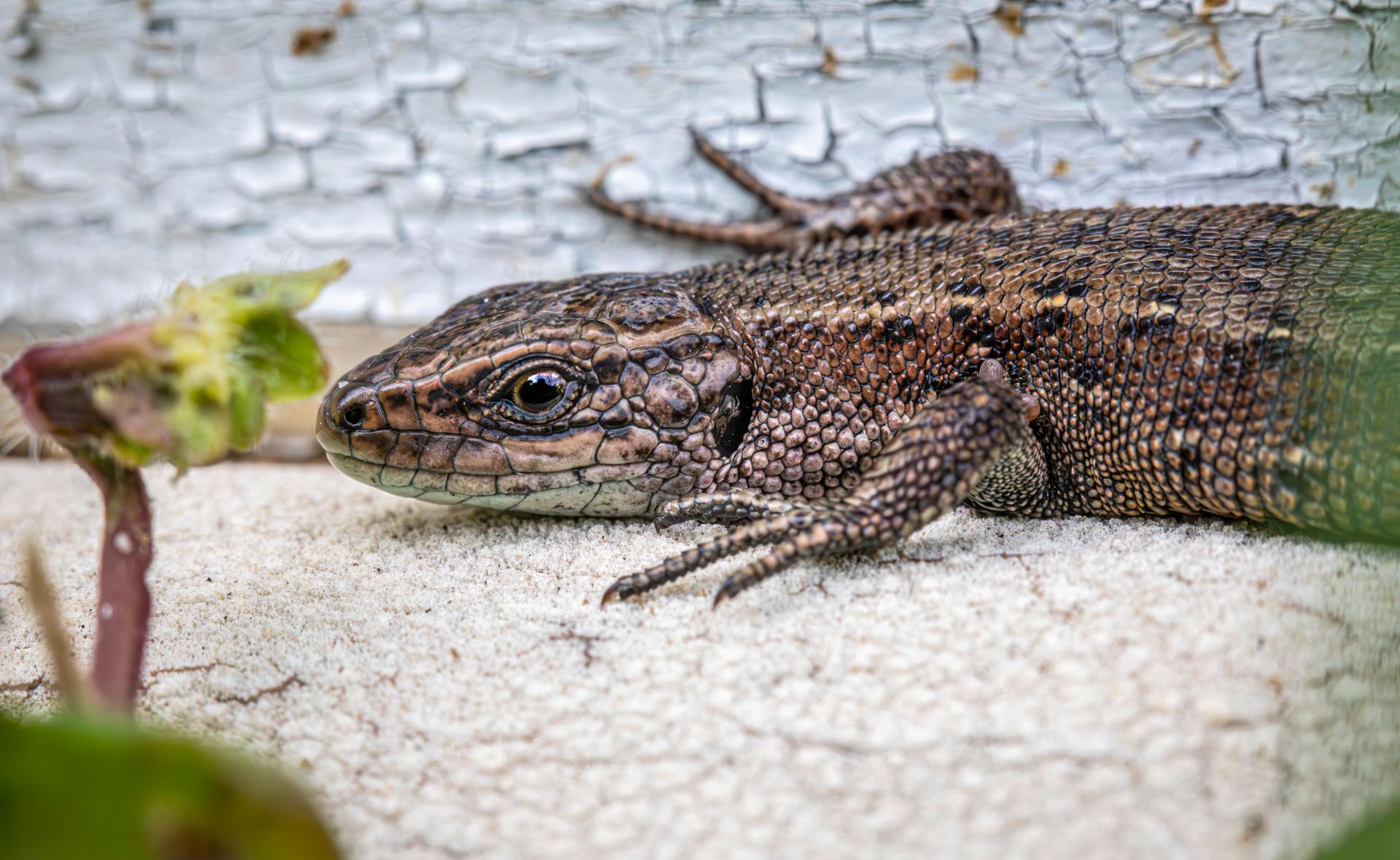
Japalura lizards are a fascinating group of reptiles, with a unique set of characteristics that set them apart from other lizards.
They are primarily found in Asia, with a range that spans from China to Japan and parts of Southeast Asia.
Japalura lizards are known for their relatively small size, with most species growing to a length of around 10-20 centimeters.
These lizards have a slender build and a pointed snout, which helps them navigate through dense vegetation.
Their diet consists mainly of insects, which they catch using their sharp, pointed tongues.
Some species of Japalura lizards are also known to eat small amounts of plant material.
In terms of behavior, Japalura lizards are generally solitary animals, only coming together during the breeding season.
They are also skilled climbers and spend a lot of time basking in the sun on tree branches.
Japalura lizards have a relatively long lifespan for their size, with some species living up to 10-15 years in captivity.
Consider reading: Legless Lizards
Care and Feeding
Baby Japaluras are easy to feed, and they'll happily munch on small termites, fruit flies, and waxworms.
As they grow, adults will start to enjoy a varied diet that includes superworms, earthworms, crickets, flies, and waxworms.
One thing to keep in mind is that crickets do bite, so it's a good idea to remove them from the terrarium after your lizard has eaten its fill.
Feeding "gut-loaded" insects is also a great idea, as they've been fed a nutritious diet and will pass those nutrients on to your lizard.
A fresh viewpoint: Philippine Sailfin Lizard
Purchasing a Splendida
Purchasing a Splendida requires careful attention to the lizard's overall health and well-being.
Look for a Japalura that appears well-fed, with a healthy body weight to size.
Make sure there are no visible skin disfigurements or wounds, such as bite marks.
The lizard's eyes should be clear and wide open, not half closed or sunken into the head.
Check for mites, which can be difficult to exterminate and tend to hide beneath the scales.
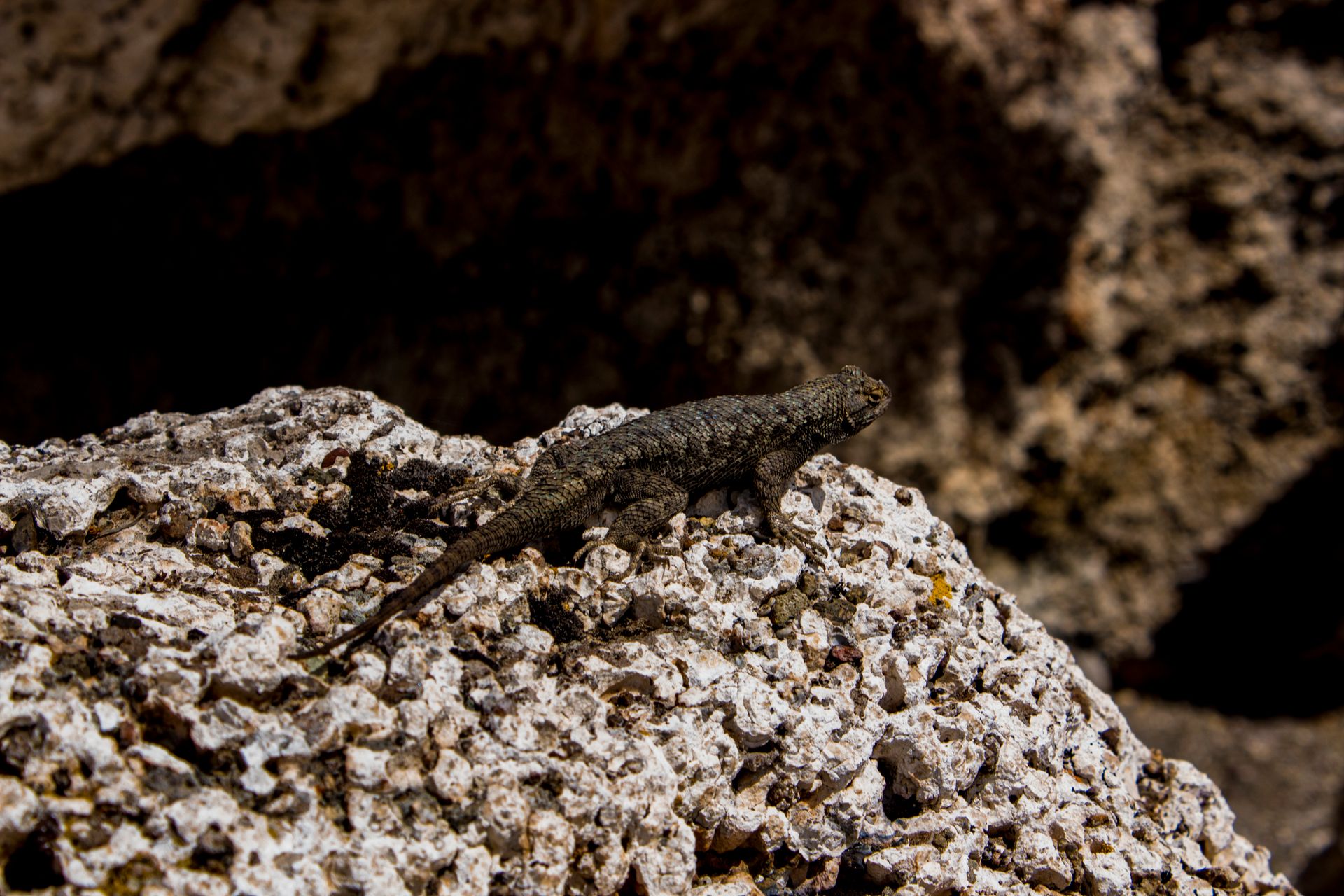
Examine the lizard's bone structure for any abnormalities in the tail, spine, or pelvis, which may indicate prior injury or a calcium deficiency.
Observe the lizard to ensure it can effectively climb and walk in its habitat.
If possible, have a fecal sample taken to a local herpetologist to check for parasites, especially if the lizard is not captive-bred.
Feeding
Feeding your Japalura lizard is a crucial part of its care. Baby Japaluras will eat small termites, fruit flies, and waxworms.
As your Japalura grows, so does its appetite. Adults will eat superworms, earthworms, crickets, flies, and waxworms.
It's essential to remove crickets from the terrarium after feeding, as they can bite.
Dusting insects with a calcium supplement is a great way to ensure your Japalura gets the nutrients it needs. Follow the guidelines on the supplement and only use a reptile-specific supplement.
Breeding and History
Japaluras lay eggs in nests in late May to June, which will hatch in mid-July to August.
These eggs are laid in shallow nests, and on average, each nest contains 5 to 7 eggs.
Due to the low price on the market, commercial breeders don't favor Japaluras, so not much is known about their breeding.
Species
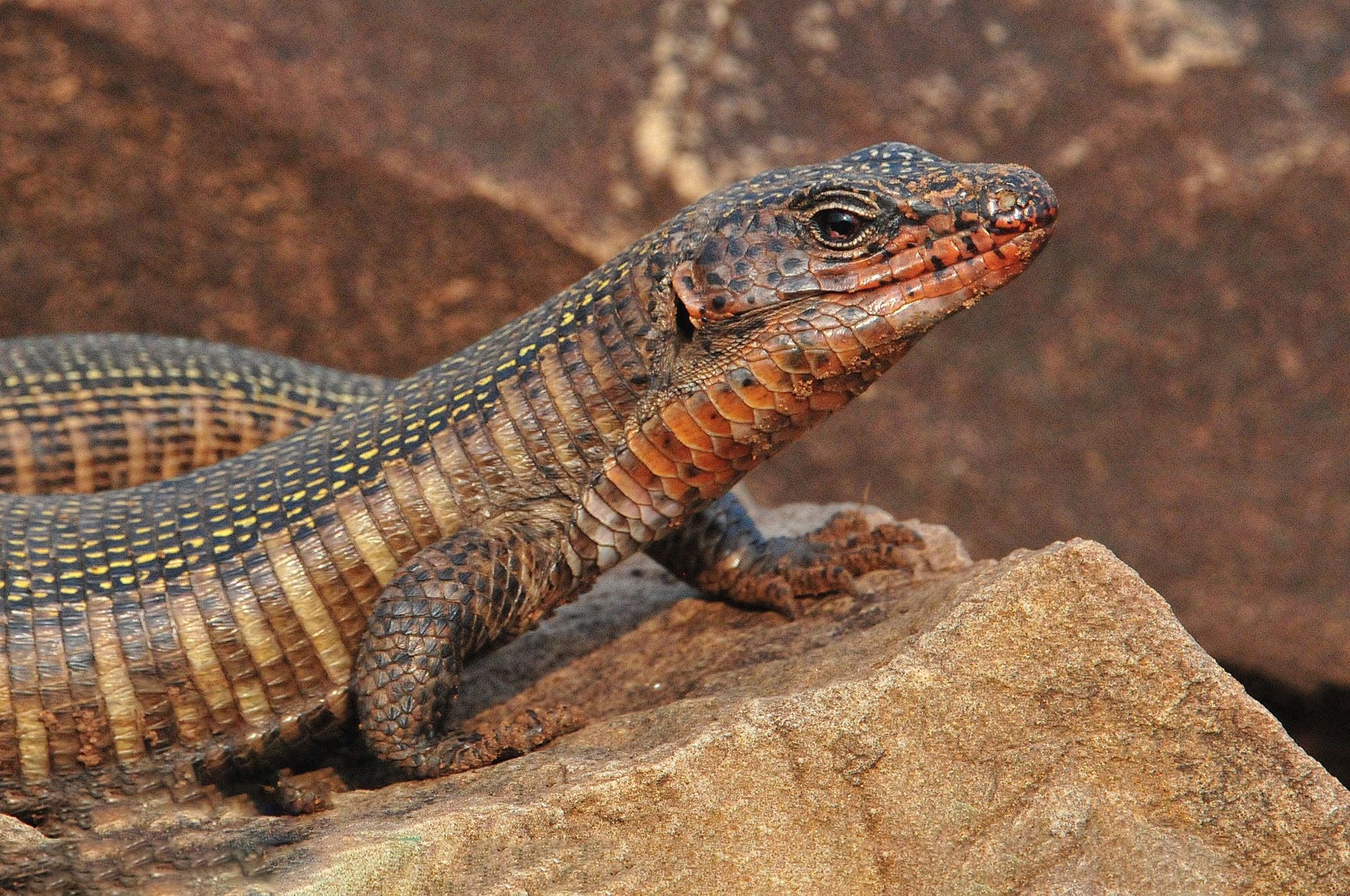
The Japalura species is a diverse group with eight recognized species. Japalura andersoniana, also known as Anderson's mountain lizard, is found in southwestern China.
One of the most widely distributed species is Japalura kumaonensis, which can be found in northern India, Pakistan, Nepal, and Tibet. This species is known by several common names, including Kumaon mountain lizard and Kumaon forest agama.
Japalura major, the large mountain lizard, is found in northern India and Nepal. Japalura sagittifera, the Burmese japalure, is exclusive to Myanmar.
The Himalayan region is home to several Japalura species, including Japalura variegata, the variegated mountain lizard, and Japalura tricarinata, the three-keeled mountain lizard. These species can be found in northern India, Bhutan, and Nepal.
Here are the eight recognized Japalura species, listed by their common and scientific names:
Japalura austeniana, the Abor Hills agama, is found in Bhutan and India, specifically in the states of Assam and Arunachal Pradesh.
Breeding
Japaluras lay eggs in nests in late May to June, which will hatch in mid-July to August in shallow nests with an average of 5 to 7 eggs per nest.
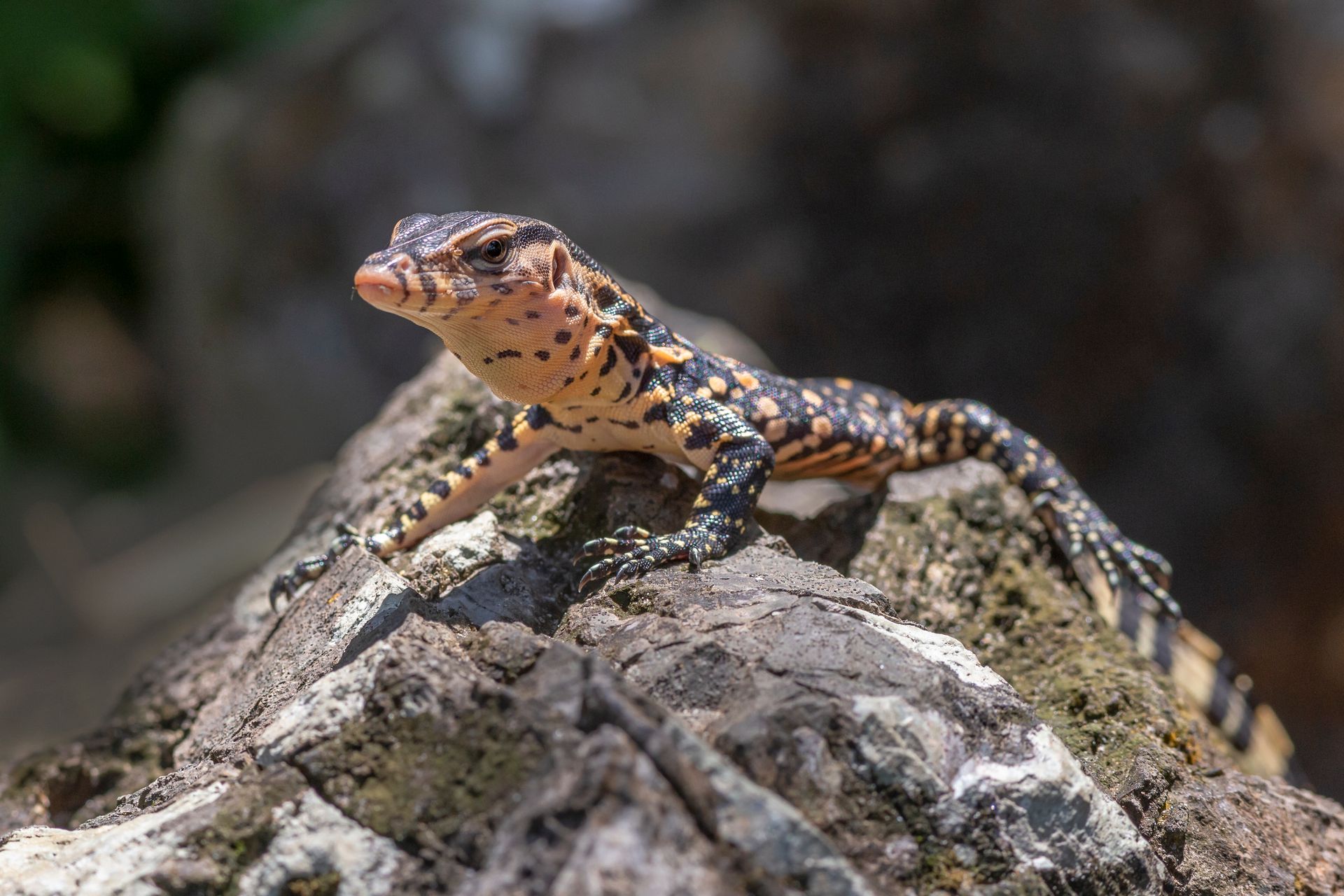
The number of eggs per nest is relatively consistent, with an average of 5 to 7 eggs.
Commercial breeders are not currently favoring Japaluras due to the low market price, which means that not much is known about their breeding habits.
Little research has been conducted on Japaluras breeding due to the lack of commercial interest.
Variations
Japalura species can be quite diverse, with some notable variations. Japalura swinhonis, for example, has a relatively small size, reaching lengths of up to 5 inches.
Some Japalura species are known to be arboreal, meaning they spend most of their time in trees. Japalura swinhonis is one such species.
Their coloration can also vary, with Japalura swinhonis having a brownish-gray color with darker spots.
Featured Images: pexels.com