As a veterinary assistant, you'll be working closely with veterinarians, technicians, and other support staff to ensure the best possible care for animals. To succeed in this role, it's essential to be prepared for common interview questions.
Most veterinary assistant interviews will include questions about your experience working with animals, so be ready to share stories about your previous roles or volunteering experiences. Some common questions might include "What experience do you have working with animals?" or "Can you tell me about a time when you helped an animal in need?"
A veterinary assistant's day can be unpredictable, so be prepared to answer questions about your ability to work under pressure and multitask. For example, you might be asked, "How would you handle a situation where multiple animals are in distress at the same time?" or "Can you describe a time when you had to prioritize tasks quickly?"
By preparing for these types of questions, you'll be well on your way to acing your veterinary assistant interview and landing your dream job.
You might enjoy: Animal Control Officer Interview Questions
Preparing for Your Interview
Research the clinic or hospital beforehand to learn about their specific needs and protocols, which can help you tailor your responses during the interview.
It's a good idea to review the common interview questions for a veterinary assistant, such as those related to animal handling, communication, and medical procedures.
A veterinary assistant should be comfortable with the idea of handling animals of all sizes and species, from cats and dogs to livestock.
To prepare, you can review your past experience with animals, including any relevant work or volunteer experience.
You should also be prepared to answer questions about your ability to work in a fast-paced environment and multitask.
Being familiar with basic medical terminology will also be helpful, such as understanding the difference between a thermometer and a stethoscope.
In addition to reviewing your skills and experience, you should also prepare questions to ask the interviewer, such as what a typical day is like in the role.
Check this out: Dog Training Questions
Handling Challenging Situations
Handling challenging situations is a crucial aspect of being a veterinary assistant. You'll encounter emotionally difficult situations, like euthanasia or severe illness, and need to manage them professionally.
To show your understanding of the emotional demands of the role, you can mention how you maintain professionalism, offer support to pet owners, and seek emotional support when needed, just like the example answer suggests.
Conflict and problems will arise, and you'll need to handle them effectively. You can prepare to answer questions like what you anticipate being the most difficult part of the position or tell a story about a time you overcame a difficult situation.
Coping with pressure is also essential in this role. You'll deal with aggressive animals, emotional pet owners, and demanding situations that test your patience. Show that you can remain calm, think clearly, and handle animals safely, even when they're distressed or aggressive.
Here are some key points to keep in mind:
- Be prepared to talk about emotionally difficult situations and how you manage them.
- Anticipate and prepare to answer questions about conflict and problems.
- Highlight your ability to remain calm under pressure and handle challenging situations.
Key Skills and Qualities
To excel as a veterinary assistant, you'll want to highlight key skills and qualities during your interview. A calm and gentle approach to handling animals is essential, so be prepared to share specific examples of your experience with animal handling and restraint techniques.
When assessing a candidate's skills, interviewers will look for knowledge of proper techniques and a willingness to work with animals in a safe and respectful manner. This includes being comfortable with administering medications to animals, which requires a good understanding of different medication administration methods and experience in safely and accurately giving medications.
To stand out as a top candidate, it's also important to highlight any experience you have assisting with surgical procedures. This might include describing your role in the process, such as understanding surgical protocols and aseptic techniques.
Key Skills for the Role
To excel in a role that involves working with animals, you need to possess a range of key skills. Communication skills are essential, as you'll be working with people and animals alike. A compassionate nature is also crucial, as you'll be dealing with animals that may be stressed or in pain.
Consider reading: Skills of a Veterinary Technician
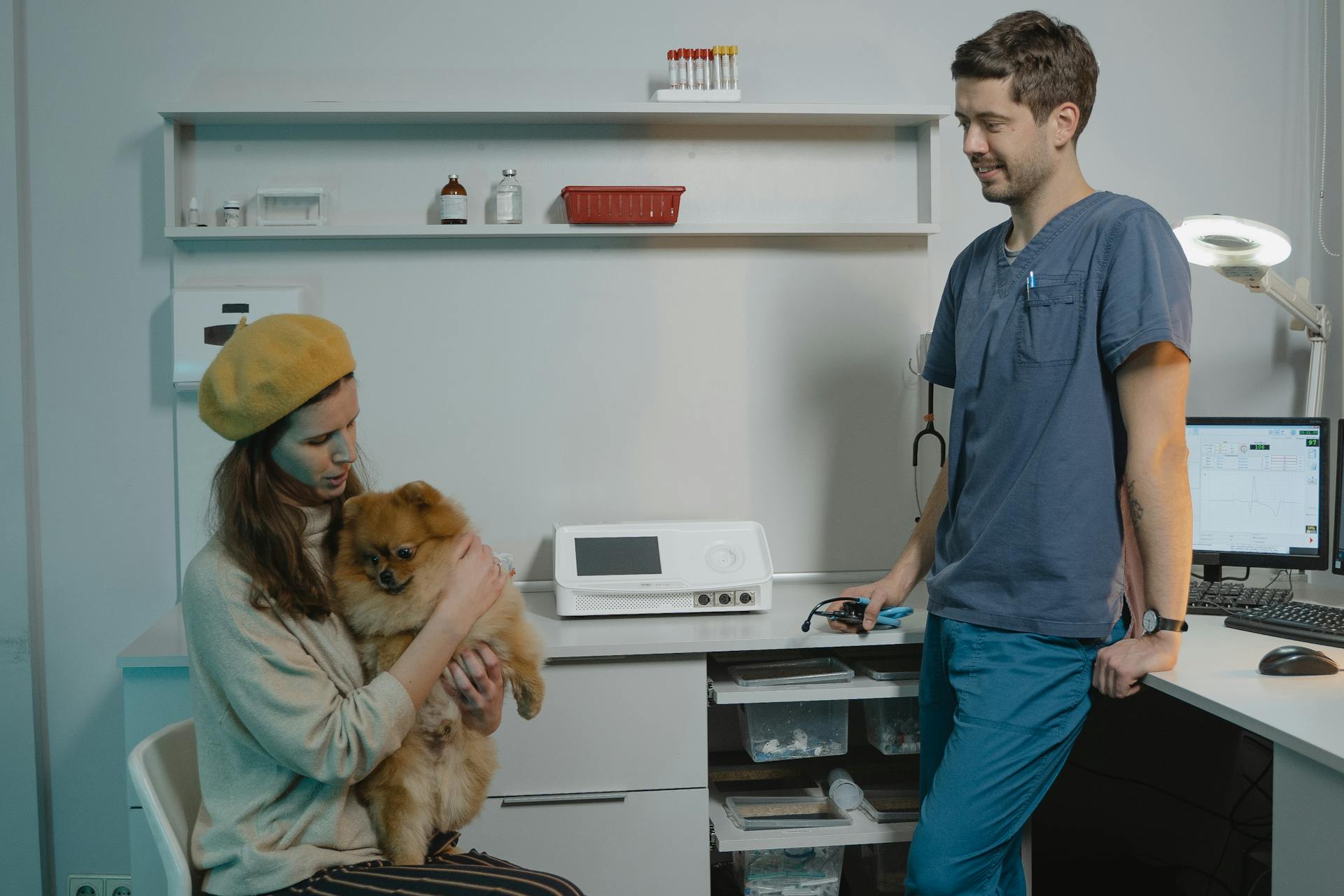
You'll need to have experience in handling various animals, and be familiar with animal handling and restraint techniques. This includes being comfortable with administering medications to animals, and having knowledge of different medication administration methods.
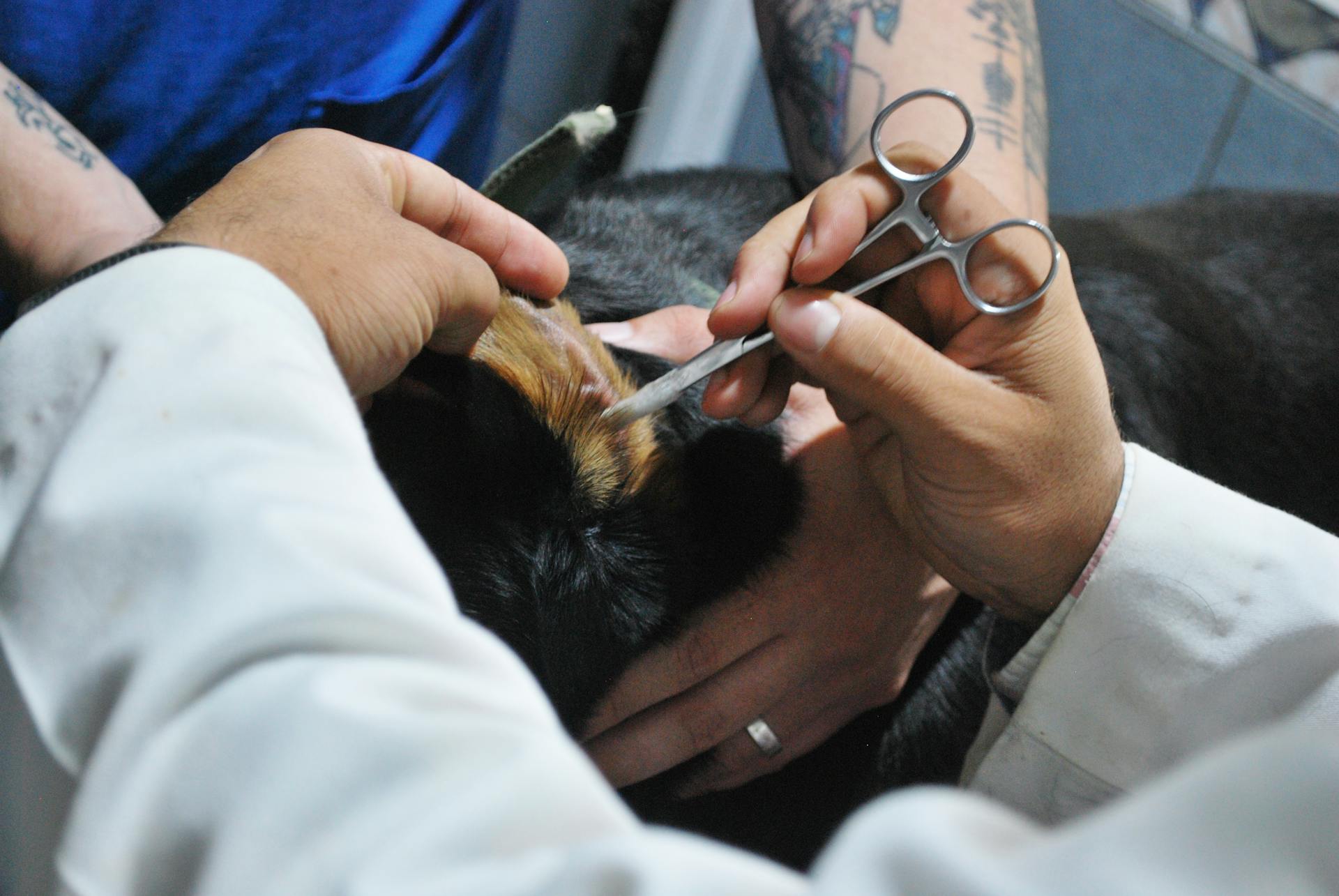
Assisting with surgical procedures is another key aspect of the role. You'll need to have prior experience in surgical procedures, and a good understanding of aseptic techniques. It's also essential to be able to describe your role in the process, and demonstrate a calm and gentle approach to handling animals.
Here are some of the key skills you'll need to succeed in this role:
- Strong communication and interpersonal skills
- Experience in animal handling and restraint techniques
- Knowledge of different medication administration methods
- Aseptic techniques and surgical protocols
- Ability to work calmly and gently with animals
By possessing these key skills, you'll be well on your way to succeeding in a role that involves working with animals.
Motivator Veterinary
Motivator Veterinary Assistant Interview Questions can help you understand what drives a candidate to do their best work. These questions are designed to determine if a candidate's motivations align with your clinic's culture.
To answer these questions effectively, consider sharing a personal story that showcases your passion and enthusiasm for veterinary work. For example, you could talk about a time when you went above and beyond to help an animal in need or when you successfully implemented a new idea that improved patient care.
Motivator questions can be tricky, but with the right approach, you can shine a light on your strengths and motivations. Here are some examples of Motivator questions and how to answer them:
Growth Veterinary Questions
Growth veterinary questions are designed to uncover a candidate's career goals and aspirations. These questions help you determine if the person will be able to grow and gain a sense of achievement in your practice.
Asking a candidate how the company or clinic can support them in their career growth is a great way to gauge their interest in professional development. This question, posed by Katie from Rarebreed, helps you understand what the candidate needs to succeed.
Some candidates may have specific tasks or procedures in mind that they'd like to work on and become more comfortable with. Katie from Rarebreed suggests asking about these areas of interest to see if the candidate has a clear vision for their role.
A mentorship situation that provides guidance and support is essential for growth. Katie from Rarebreed asks about ideal mentorship situations to understand what the candidate is looking for in a mentor.
Continuing education is crucial for growth in the veterinary field. CareVet emphasizes the importance of staying up-to-date with the latest knowledge and techniques.
Here are some key growth veterinary questions to ask during an interview:
- How can the company/clinic support you in your career growth?
- What are some different tasks or procedures in the clinic you would like to work on and become more comfortable with?
- How can the team mentor and support you in an upcoming role?
- What are your future career goals?
Asking about a candidate's special interests or areas they'd like to learn more about can provide valuable insights into their growth potential. Sarah from Western Veterinary Partners suggests asking about these areas to see if the candidate has a passion for learning.
Behavioral/Situational
Behavioral/Situational questions are designed to assess your problem-solving skills, ability to work under pressure, and how you handle difficult situations. They often involve hypothetical scenarios or past experiences that demonstrate your capabilities.
You can expect questions like "Describe a time when you had to handle a difficult or aggressive animal. How did you handle the situation?" where the interviewer looks for candidates who remained calm, followed safety protocols, and effectively managed the situation.
When answering, focus on a specific experience where you encountered a challenge, and demonstrate your problem-solving skills. Explain the situation, your approach, and the outcome or lesson learned.
For example, if you were a volunteer at an animal shelter and had to handle an aggressive dog, you could say: "In my previous role, we once had a particularly aggressive dog that was difficult to handle. I took the initiative to slowly build trust with the dog through consistent and compassionate care. Eventually, the dog became more comfortable with the staff and was successfully adopted."
Other questions might include "Tell me about a time when you had to work as part of a team in a high-pressure situation. How did you contribute to the team's success?" where the interviewer assesses your ability to work well with others, handle pressure, and contribute to a team's success.
To prepare, think about times when you had to work with a team, handle a difficult client, or resolve a conflict. Practice answering these types of questions with a friend or family member, and be sure to highlight your problem-solving skills, communication skills, and ability to remain calm under pressure.
For your interest: Veterinary Assistant Skills
Here are some additional tips to keep in mind:
- Remain calm and composed, even in difficult situations.
- Follow safety protocols and prioritize the well-being of animals and people.
- Communicate effectively with your team and clients.
- Be adaptable and flexible in high-pressure situations.
- Provide specific examples of times when you successfully handled a difficult situation.
Additional Considerations
As you prepare for your veterinary assistant interview, remember that your body language and demeanor play a significant role in making a good impression.
Presenting yourself well from the minute you enter the room is crucial, as it sets the tone for the rest of the interview. A veterinary care assistant's role demands excellent communication skills, an approachable personality and confidence in decision-making.
Your tone of voice, eye contact, and deportment all convey your confidence and approachability, so make sure to be mindful of these nonverbal cues. Confidence in decision-making is essential for a veterinary care assistant's role.
Excellent communication skills are also vital for this role, and they can be expressed through your body language and tone of voice.
Essential Veterinary
As a veterinary assistant, it's essential to have a solid understanding of common medical conditions and procedures.
You'll need to be familiar with the different types of vaccinations, such as rabies and distemper, which are required for dogs and cats.
The ability to take accurate medical histories and perform basic physical exams is also crucial.
A veterinary assistant should be able to recognize and respond to emergency situations, such as a dog choking or a cat having a seizure.
You'll need to know how to administer medications and perform basic laboratory tests, like taking a dog's temperature.
The American Animal Hospital Association (AAHA) recommends that veterinary assistants be able to perform tasks such as weighing animals, taking vital signs, and preparing animals for exams.
A veterinary assistant should be able to communicate effectively with pet owners, answering their questions and providing them with information about their pet's care.
You'll need to be able to work well under pressure and maintain a calm demeanor in high-stress situations, such as a busy clinic or emergency room.
You might like: Do Veterinary Assistants Need a Degree
Frequently Asked Questions
Why should we hire you as a veterinary assistant?
I possess the essential qualities of a reliable and compassionate veterinary assistant, with a strong willingness to learn and grow in the role. I'm confident that my skills and attitude make me an ideal candidate for this position
What questions are asked in a veterinary interview?
In a veterinary interview, common questions include your background, experience, and qualifications, as well as your knowledge of the clinic and its services, and how you can contribute to the team. Be prepared to discuss your skills, strengths, and weaknesses, and how they align with the role and clinic's goals.
What are at least 4 tasks that veterinary assistants are allowed to perform?
Veterinary assistants perform essential tasks such as animal care, facility maintenance, and equipment sterilization. These tasks include feeding, bathing, and exercising animals, as well as maintaining a clean and safe environment for both animals and staff.
Featured Images: pexels.com