The Indian vulture crisis is a pressing issue that affects not only the birds themselves but also the entire ecosystem.
In the past, vultures played a crucial role in maintaining a healthy environment by disposing of carcasses and preventing the spread of disease.
Today, their numbers have dwindled drastically, with some species facing a 99% decline in population.
This decline has a ripple effect on the ecosystem, allowing other scavengers like feral dogs and rats to thrive and spread disease.
Causes
The Indian vulture crisis was caused by a common anti-inflammatory drug called diclofenac. It was widely used in India to treat livestock beginning in the 1990s.
Diclofenac is fatal to vultures, and they are exposed to a mortal dose when eating from the carcass of an animal that had been treated with the drug recently. This led to a drastic decline in vulture populations.
A simulation model showed that if only 1% of carcasses were contaminated by diclofenac, Indian vulture populations would fall by between 60% and 90% annually.
Possible Causes: Speculation and Hypothesis
Diclofenac, a common anti-inflammatory drug, was the culprit behind the decline of vulture populations. It was widely used in India beginning in the 1990s to treat symptoms of inflammation, fevers, and pain in livestock.
The drug is fatal to vultures, and a vulture is exposed to a mortal dose of diclofenac if it eats from the carcass of an animal that had been treated with diclofenac recently. A simulation model demonstrated that even a small percentage of contaminated carcasses could lead to significant population declines.
About 10% of carcasses were found to be contaminated with diclofenac, which is a staggering number. This contamination rate is alarming, especially considering the devastating impact it has on vulture populations.
The genus Gyps was the most affected by diclofenac, with three of its species experiencing significant population declines. The white-rumped vulture saw a 99.7% decline in population between 1993 and 2002.
Diet and Feeding
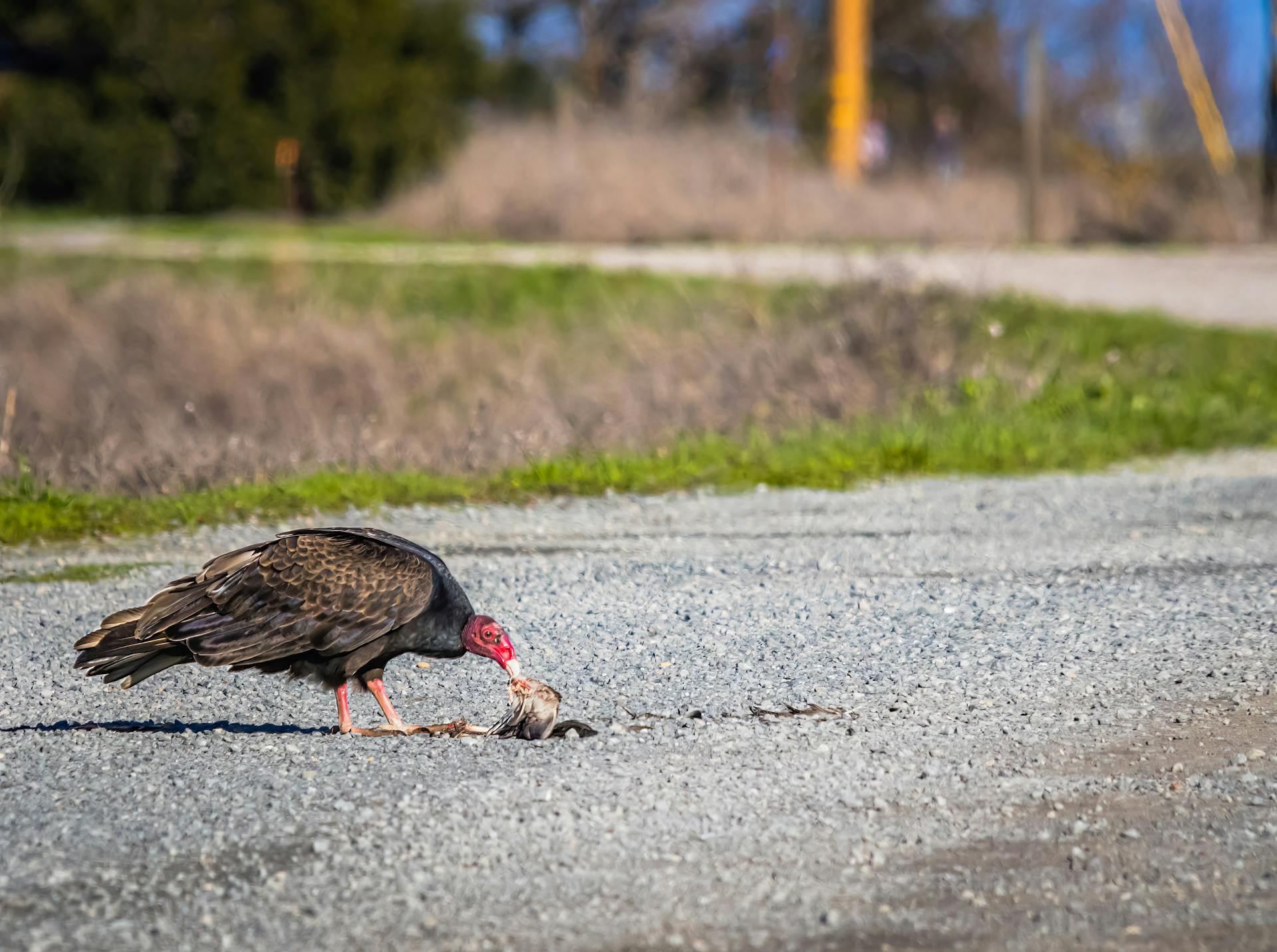
The Indian vulture's diet is primarily composed of carrion, with a focus on dead cattle and leftovers from large predators. They often feed on carcasses that would otherwise spread disease.
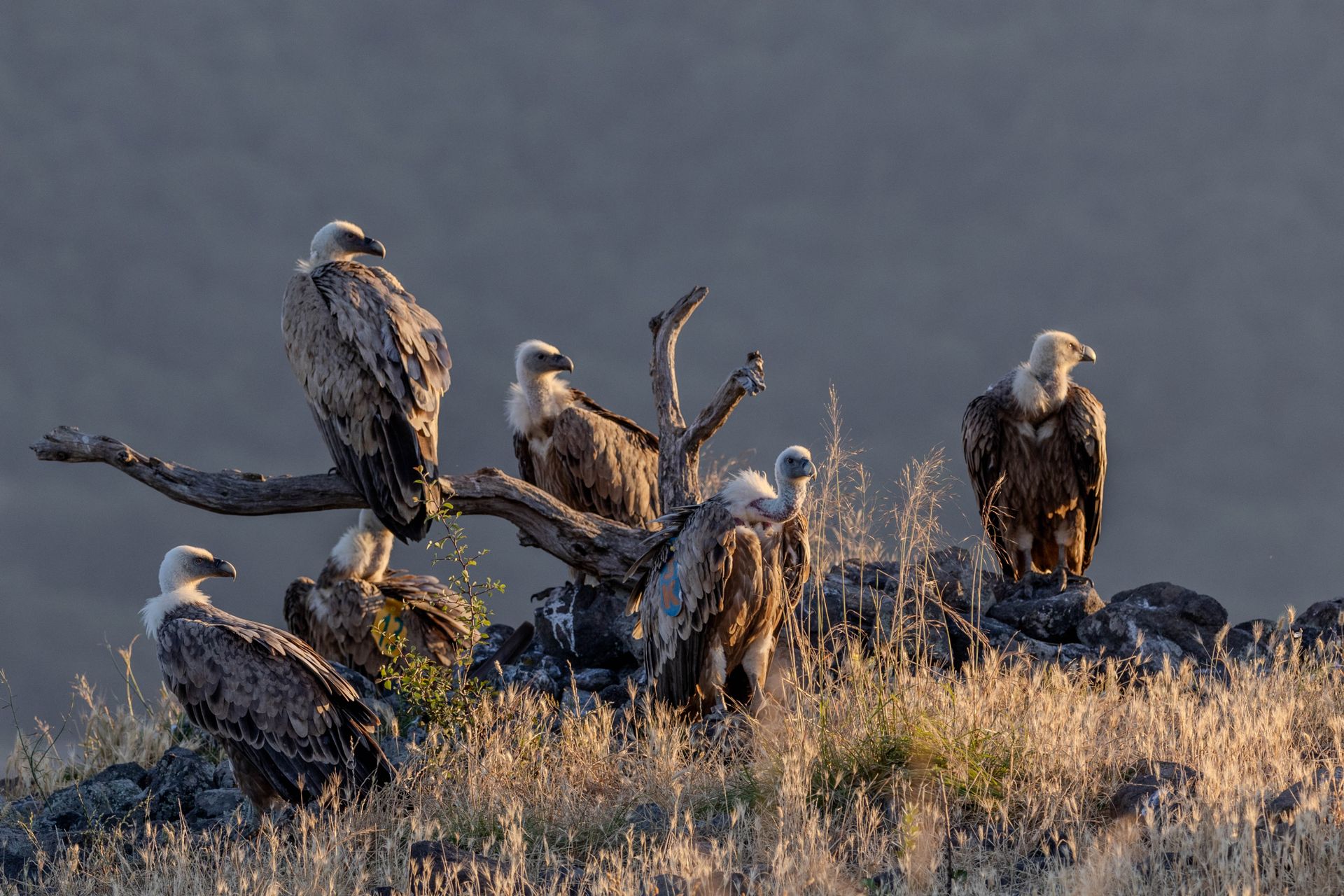
These birds cover vast areas, sometimes spanning hundreds of miles, in search of food. Their keen eyesight allows them to spot carrion from a distance.
Indian vultures are attracted to gatherings of other raptors or scavengers, as this usually indicates the presence of a carcass. They will often fight with each other to secure the best position at the food source.
As a smaller species, Indian long-billed vultures may need to back down to larger birds, giving up access to the carcass.
Related reading: Indian Star Tortoise Food
Lifespan and Mortality
Indian vultures have a lifespan of 40 to 45 years. They sexually mature at five years of age.
In the wild, vultures might live longer, but those found near human habitats face increased mortality. Road kills, electrocution, and collisions with trains and high structures are major threats.
A major cause of death in Indian vultures is NSAIDs, specifically Diclofenac, which is given to cattle to reduce joint pain. This medication is believed to be passed onto vultures through the flesh of dead cattle, causing kidney failure and death.
Vultures are increasingly found near human habitats, where they're more likely to die from human-related causes.
Discover more: Will Black Vultures Attack Dogs
Consequences
The consequences of the Indian vulture crisis are nothing short of devastating. Without vultures to clean up carcasses, a large number of animal bodies are left to rot, posing a serious risk to human health.
This has led to a substantial increase in the population of feral dogs, whose bites are the most common cause of human rabies. In fact, the feral dog population in India increased by at least 5 million.
As a result, over 38 million additional dog bites occurred, and more than 47,000 extra deaths from rabies were reported, costing $34 billion in economic impact.
The people of the Parsi community in India, who traditionally left their dead exposed for vultures to feed, have been forced to abandon this ancient custom due to the decline in vulture population. Now, bodies take six months to disappear.
The loss of vultures has also indirectly led to thousands of human deaths due to diseases carried by mammals that feed on rotting carcasses. This has resulted in a significant increase in human mortality rates, with an estimated 4% increase in mortality rates during the period of 2000 to 2005.
A different take: Indian Spitz Price in India
Conservation
Conservation efforts are underway to help recover the Indian vulture population. Captive-breeding programmes have been started to breed the vultures in controlled environments.
These programmes are expected to take a long time due to the vultures' long lifespan, slow breeding, and difficulty in breeding in captivity. The captive-bred birds will be released into the wild when the environment is clear of diclofenac.
In 2014, Saving Asia's Vultures from Extinction announced plans to start releasing captive-bred birds into the wild by 2016. This marked a significant step towards conservation.
The first vulture re-introduction program was launched in 2016 by the Jatayu Conservation Breeding Centre in Pinjore. Small numbers of birds have bred across peninsular India, in Karnataka and Tamil Nadu.
Three more breeding centers have been set up in West Bengal, Assam, and Madhya Pradesh, in addition to four smaller facilities in collaboration with zoos.
In 2020, the Ministry of Environment, Forest and Climate Change launched a Vulture Action Plan 2020-25. This plan aims to step up conservation measures and ensure that toxic drugs other than diclofenac are banned for veterinary use.
The ban on diclofenac has been partially successful in reducing the vulture population decline. However, the drug remains available in other countries, including some in Europe.
Introduction
India is home to eight species of vultures, with the white-backed vulture and long-billed vulture being the most common. These birds play a vital role in environmental health by scavenging meat from carcasses.
The white-backed vulture and long-billed vulture, in particular, have declined drastically by almost 95% in just two to three years, with some areas experiencing a 100% decline. This drastic drop in population has led to these birds being listed as critically endangered.
The absence of vultures has led to an increase in feral dog populations and crows, which pose a significant risk to animal and human health, including the spread of diseases like rabies and infections to poultry and domestic birds.
Expand your knowledge: Haliaeetus Leucogaster
Taxonomy
The Indian vulture's scientific name is Gyps indicus, which is derived from Ancient Greek and Neo-Latin words meaning "vulture" and "Indian" respectively.
The genus name Gyps comes from Ancient Greek, where it means "vulture". This is a fitting name for a bird of prey that's known for its scavenging habits.
The Indian vulture was once considered to have a sub-species called the slender-billed vulture, which was known as Gyps tenuirostris.
Here's an interesting read: Indian Pariah Dog Scientific Name
Introduction
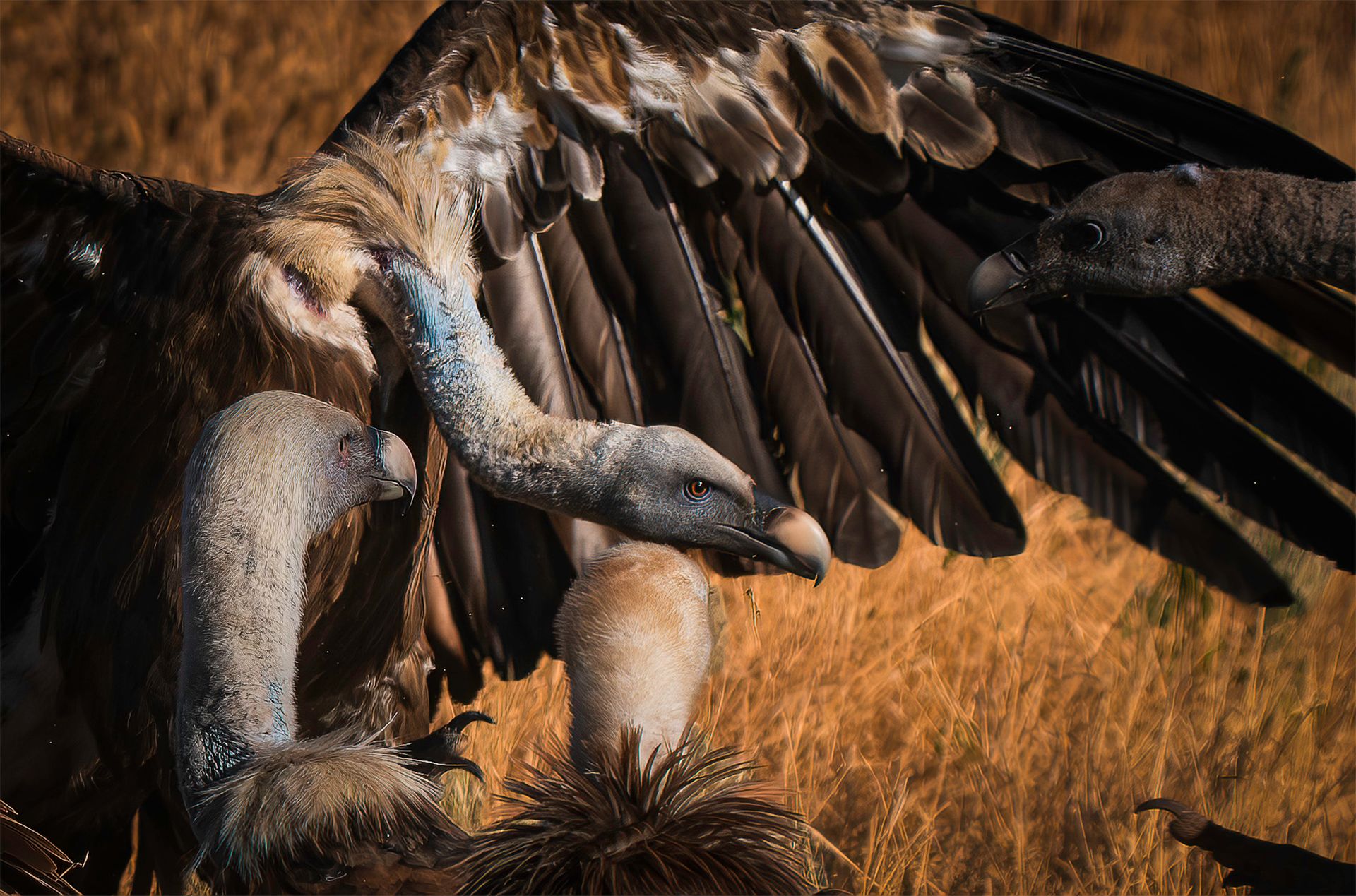
Vultures play a vital role in keeping our environment clean by scavenging meat from carcasses, particularly in Asia, especially in India. They are essential for maintaining ecological balance.
India is home to eight species of vultures, but the white-backed vulture and long-billed vulture are the most common ones. These two species have drastically declined by almost 95% in just two to three years.
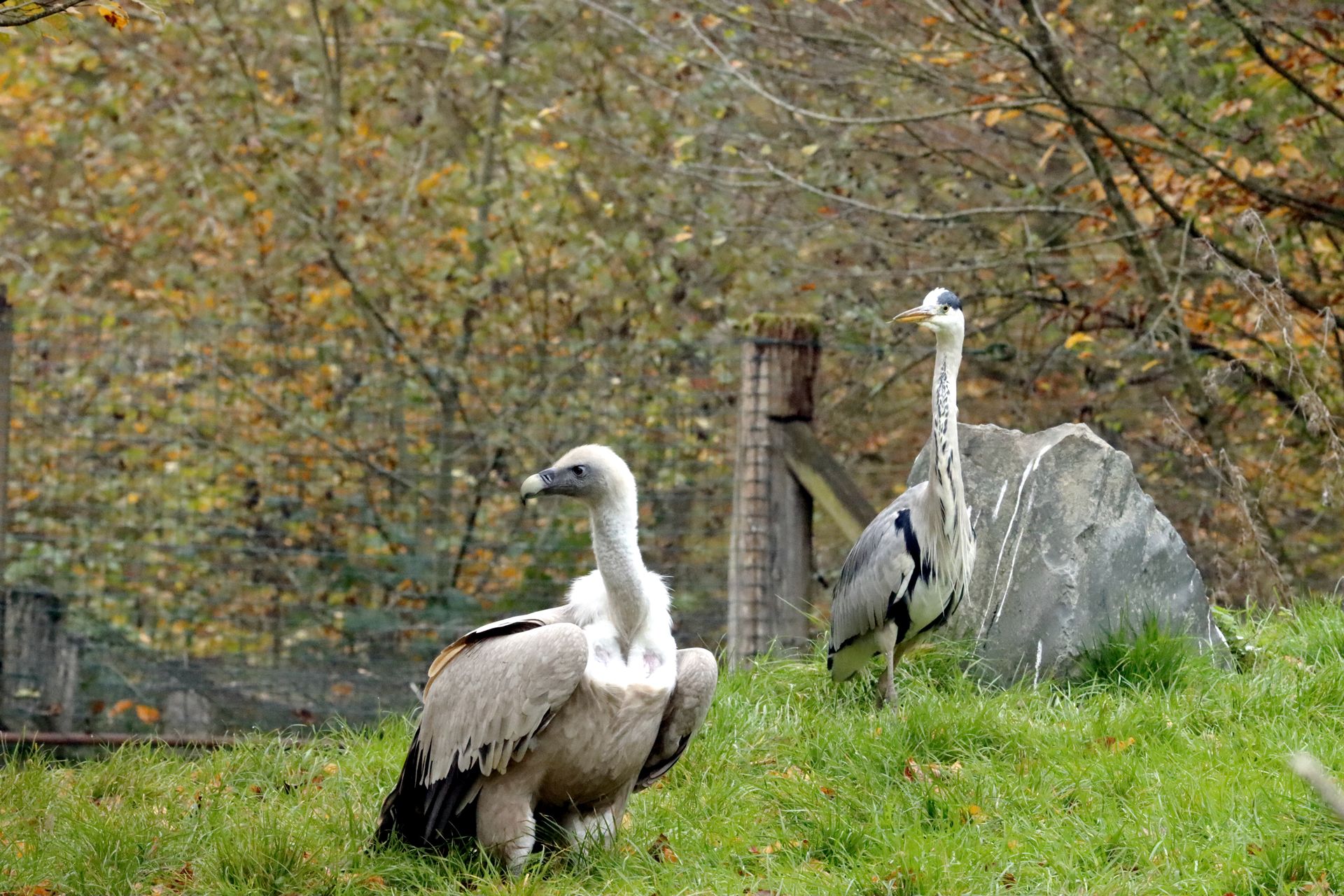
The Indian vulture, a medium-sized bird, is characterized by its pale brown body and darker flight feathers. It has a distinctive feature of having very few feathers on its head, which helps it keep its head clean while feeding on rotting carcasses.
In their absence, carcasses disposal is now at the mercy of crows, feral dogs, and maggots. This has led to several complications and associated disease risks.
The Indian vulture, weighing between 5.5-6.3 kg, is relatively smaller than the Eurasian griffon. It's also distinguished by its less bulky body and wing coverts.
Vultures have enormous capacity for scavenging dead tissue, and can rip off a carcass into pieces of bones in no time.
Decline
The decline of Indian vultures was first noted in the 1990s by Vibhu Prakash of the Bombay Natural History Society, who had monitored vulture populations at Keoladeo National Park.
By the early 1990s, Parsis in Mumbai were noticing a decrease in the number of vultures visiting the Towers of Silence.
Decline
In the 1990s, a decrease in the number of vultures was noted by Vibhu Prakash of the Bombay Natural History Society, who had monitored vulture populations at Keoladeo National Park.
Villagers in northern India started to notice the declining vulture population in the mid-1990s.
Parsis in Mumbai started to notice in the early 1990s that there were fewer birds at the Towers of Silence in Mumbai.
The decline accelerated, and the international scientific community attempted to investigate the cause of such decline.
However, it was not easy to examine this issue because vultures could not legally be killed for scientific study in India.
Scientists were "not sure" of the reason for the 95% population decline, as reported by National Geographic in 2002.
Andrew Cunningham of the Zoological Society of London found that the usual suspects of pesticide poisoning, industrial pollutants or bacteria did not show anything abnormal in the vultures he could examine.
Cunningham suspected a new type of toxin exposure.
Distribution and Habitat
The Indian vulture's habitat is quite diverse, ranging from semi-desert to dry foothills, open fields, and even cultivable lands near villages. They can also be found near garbage dumps and slaughterhouses in urban areas.
In terms of their geographical range, Indian vultures were once found in southeastern Pakistan, south India, and even Indochina and the northern Malay Peninsula in the east. However, they are now extinct in South East Asia.
Indian vultures are not migratory birds, but they do travel long distances in a day to scavenge for food. They can cover hundreds of miles in search of their next meal.

Their nesting habits are quite unique, as they often choose high places to settle, such as cliffs or high buildings. They rarely nest on trees.
Indian vultures can be found in various parts of central and peninsular India, south of the Gangetic plains. They also exist in southwest Pakistan, Bangladesh, and Nepal.
Cultural Implications
The Indian vulture crisis has significant cultural implications, particularly for the Parsee community. The ancient Parsee sectarian holds earth, air, and water as sacred, and human body as evil, leading them to use vultures as scavengers to dispose of bodies.
In Mumbai, the Parsees have been using this method for over 400 years, with vultures quickly stripping the flesh of the body in about half an hour. This method was considered sanitary and avoided polluting their sacred elements.
However, the decline of vultures has posed serious problems for the Parsees, with none visiting the Towers of Silence for about two years. To address this issue, the Parsees employ strong solar panels with huge reflectors to desiccate and hasten the decomposition of their dead.
This method reduces the remains to nearly nothing within a few days, allowing the Parsees to maintain their beliefs without relying on vultures.
Frequently Asked Questions
How did a crisis for vultures lead to a human disaster?
In areas with high livestock populations, the loss of vultures led to a significant increase in carcass dumps, resulting in an estimated 100,000 additional human deaths and $69.4 billion in damages annually. This crisis highlights the crucial role vultures play in maintaining ecosystem balance and public health.
Featured Images: pexels.com