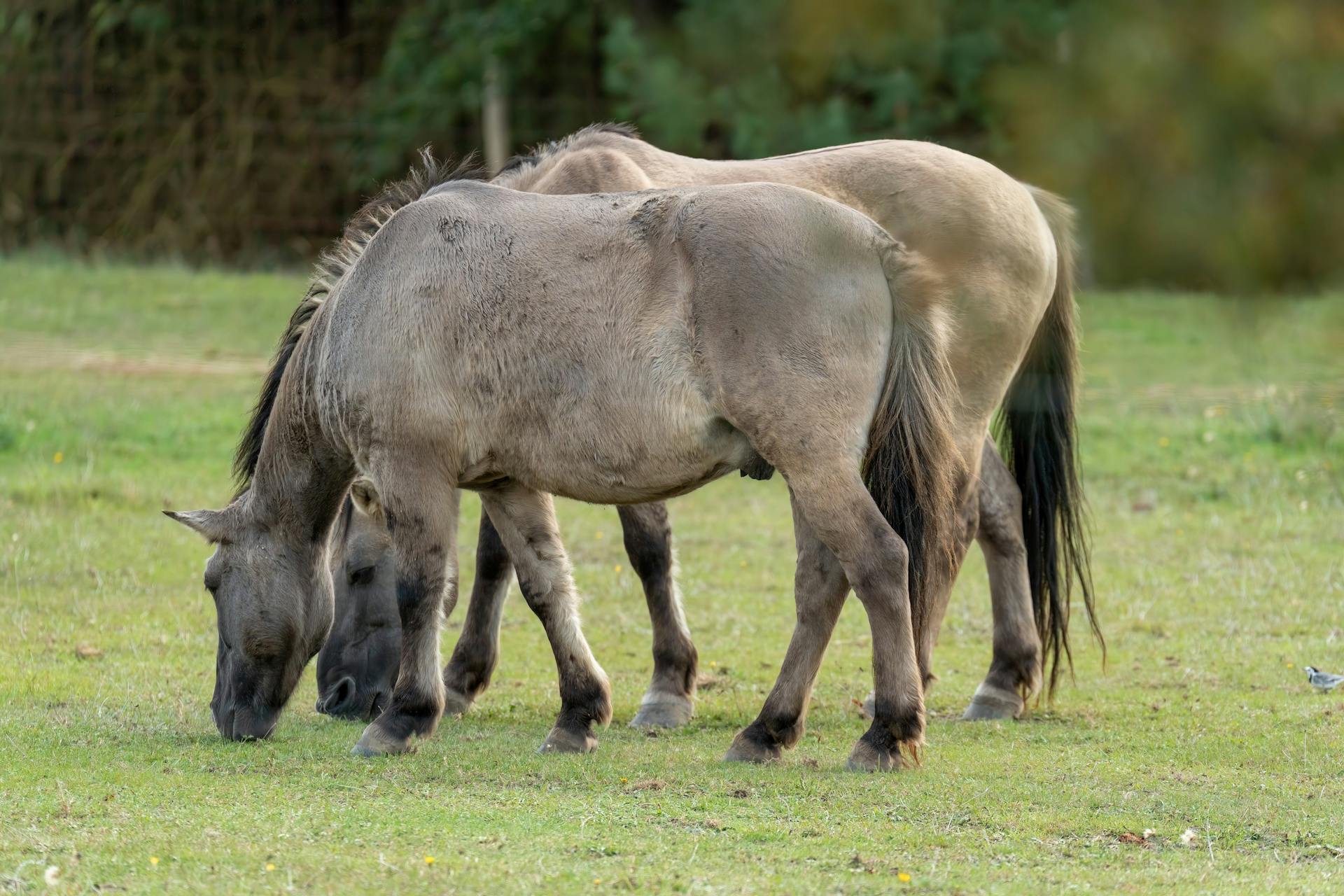
The horse skeletal system is a remarkable structure that allows horses to move, support their body weight, and perform a variety of activities.
Horses have a total of 205 bones in their skeletal system, which is less than the number of bones in a human skeleton. This is because many of their bones are fused together.
The horse's skeletal system is designed for efficiency and speed, with a unique combination of flexibility and strength. This allows them to run at high speeds and cover long distances.
The horse's skeleton also includes a number of specialized features, such as the pelvis and the sacrum, which work together to support the weight of the horse and facilitate movement.
For another approach, see: Skeletal System of a Dog
The Axial Skeleton
The axial skeleton of a horse is made up of the vertebral column and the bones of the skull. It's a complex system that provides support and protection for the horse's internal organs.
The vertebral column typically contains 54 bones, which can vary slightly between individuals. This number includes 7 cervical vertebrae, 18 thoracic vertebrae, 5-6 lumbar vertebrae, 5 sacral vertebrae that fuse together, and 15-25 caudal vertebrae.
The withers of a horse, which is the highest point of the horse's shoulder, is made up of the dorsal spinal processes of the thoracic vertebrae numbers 5 to 9. This is an important landmark for measuring a horse's height.
Some breeds, like Arabians, may have a slightly different number of lumbar vertebrae, with 5 instead of the usual 6.
The Appendicular Skeleton
The forelimb of a horse is quite unique, with no clavicle or bony connection between the thorax and the forelimbs. This allows for shock absorption during locomotion.
The forelimbs are merely attached by muscular slings, which is an adaptation that helps horses move efficiently.
The bones of the forelimb are: the scapula, humerus, radius, and ulna.
Bones and Joints
The horse's skeletal system is made up of five groups of bones: long bones, short bones, flat bones, irregular bones, and sesamoids. Long bones, like those in the horse's legs, help with movement and store minerals for bodily functions.
Check this out: How Long Should Horses Be Turned Out?
The shoulder joint, also known as the scapulohumeral joint, has an angle of 120-130 degrees when the horse is standing. This angle can extend to 145 degrees or flex to 80 degrees, depending on the horse's activity.
The horse's forelimb consists of several important bones and joints, including the scapula, humerus, radius, and ulna. The scapula is a flat bone that forms part of the withers, and the humerus lies between the scapula and the radius, making an angle of about 55 degrees down and back.
Here's a breakdown of the horse's forelimb bones and joints:
- Scapula (shoulder blade)
- Humerus
- Radius
- Ulna
- Shoulder joint (scapulohumeral joint)
- Elbow joint (humeroradial joint)
- Carpus (knee)
Core Bones and Joints of the Forelimb
The forelimb of a horse is a remarkable structure that enables them to move with such agility and power. The scapula, or shoulder blade, is a flat bone with a large area of cartilage that partially forms the withers.
The humerus, radius, and ulna are the three bones that make up the forearm of a horse. The humerus lies between the scapula and the radius, forming an angle of about 55 degrees down and back.
The shoulder joint, also known as the scapulohumeral joint, has an angle of 120-130 degrees when the horse is standing, and can extend to 145 degrees or flex to 80 degrees. This flexibility is crucial for a horse's ability to jump and move with ease.
The elbow joint, or humeroradial joint, is a hinge joint that can flex 55-60 degrees. This allows the horse to bend its elbow and move its forelimb in a variety of ways.
Here is a list of the bones and joints of the forelimb:
- Scapula (shoulder blade)
- Humerus
- Radius
- Ulna
- Shoulder joint (scapulohumeral joint)
- Elbow joint (humeroradial joint)
These bones and joints work together to enable a horse to move its forelimb in a variety of ways, from standing to running to jumping.
Bones and Joints
Bones in the lower leg, like the ones in our forelimb, are connected by joints that allow for movement. The bones, joints, tendons, and ligaments all work together to enable us to move our limbs.

Tendons, which are made of dense connective tissue, attach muscles to bones and help move our limbs through muscle contraction. They're less elastic than muscle fibre and have a poor blood supply, which can affect healing.
Ligaments, similar in structure to tendons, attach bones to each other and have a relatively poor blood supply, making healing a bit slower. The ligaments and tendons in our lower fore- and hindlimbs work together with various muscles to form the suspensory apparatus.
The suspensory apparatus helps support and suspend the limb and fetlock joint, preventing over-extension and collapse. It's made up of several ligaments that are attached to the proximal sesamoid bones.
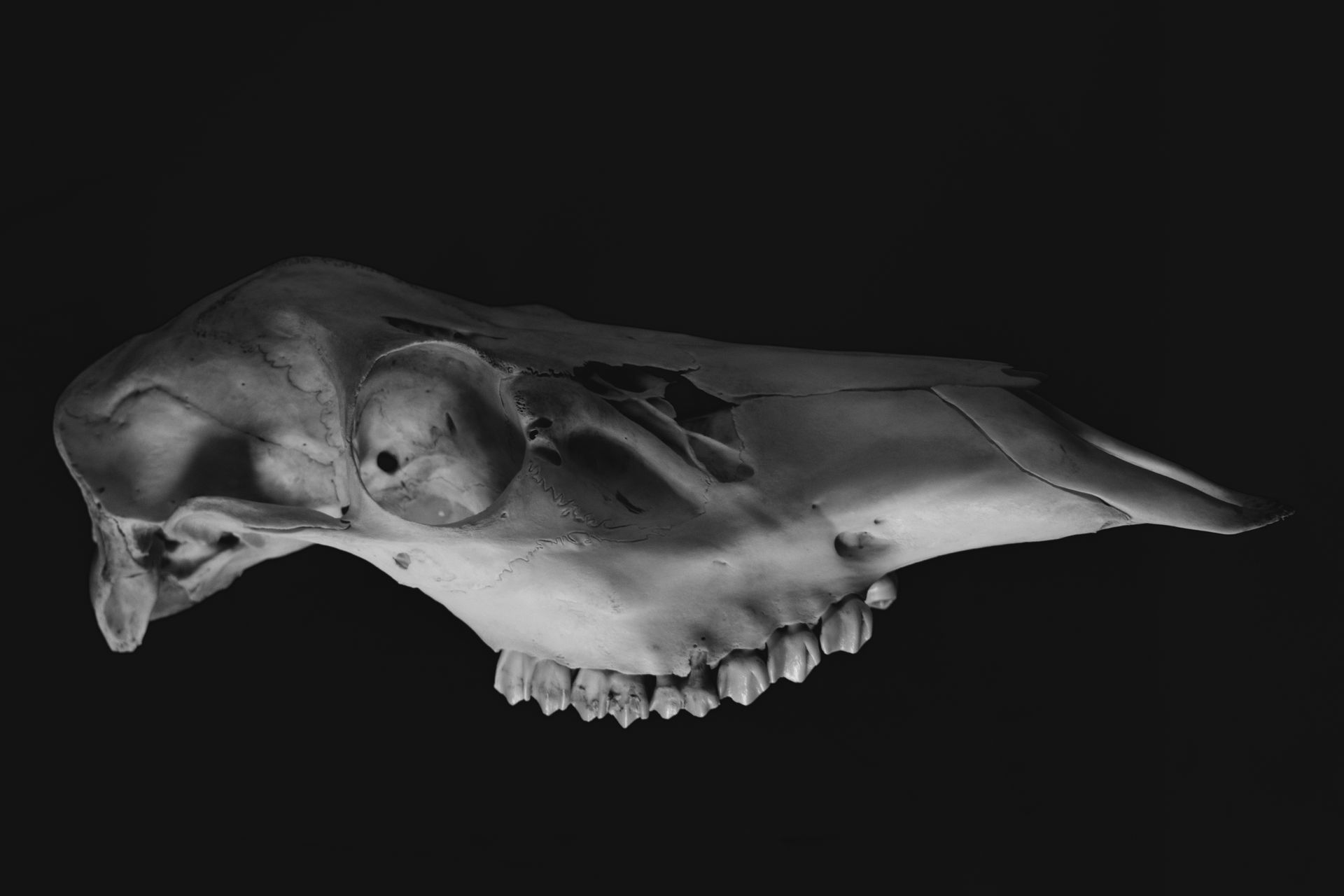
Skulls Have More Bones Than Humans
Horses have a lot more bones in their skulls than humans do. In fact, they have 34 bones compared to our 14.
This is likely due to the significant size and shape difference between horse and human heads. Horses' heads are much larger and more complex than ours.
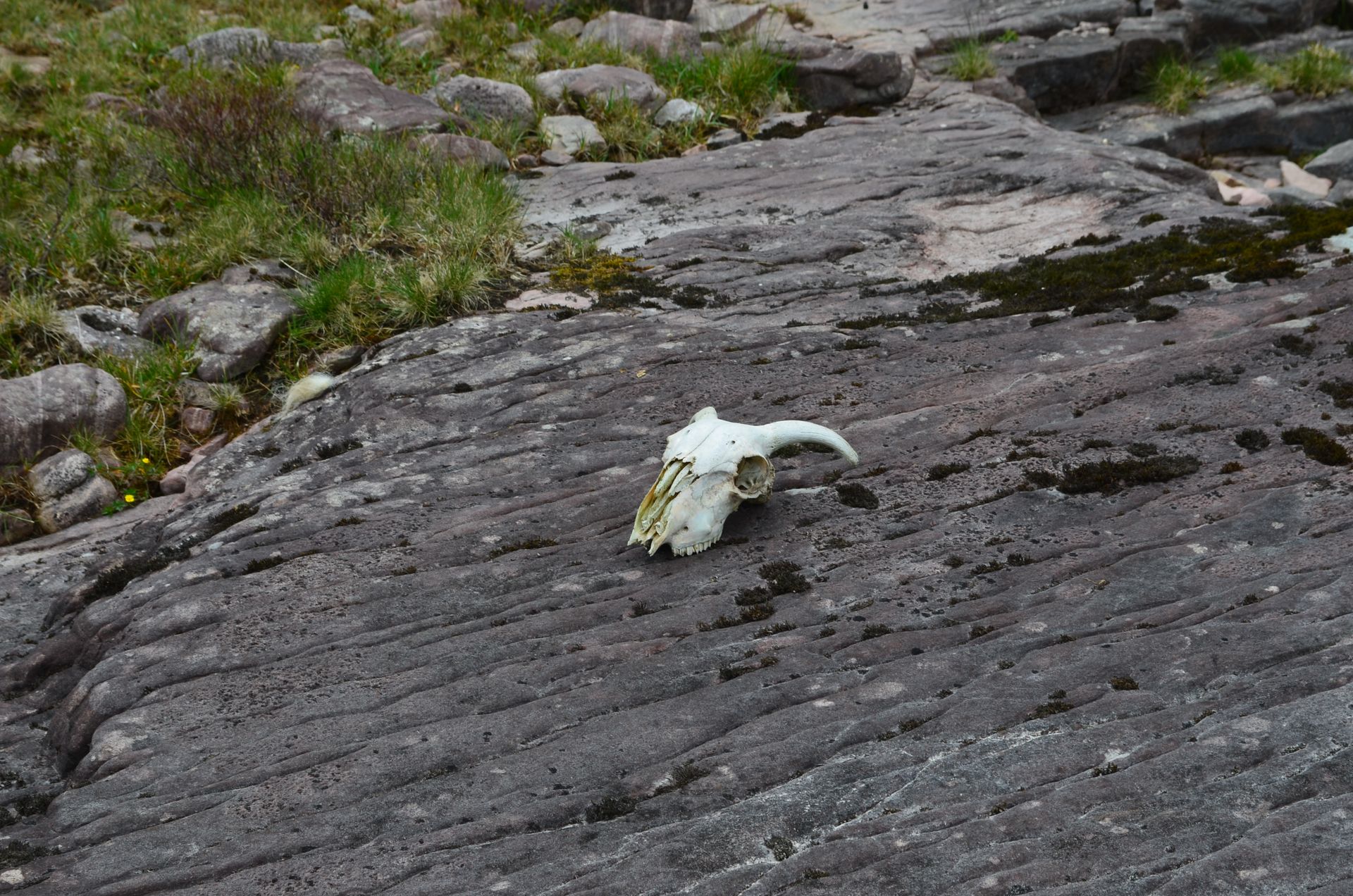
The extra bones in a horse's skull are fused together, making for a sturdy structure that protects the brain. This fusion provides stability and support.
The only part of a horse's skull that can move is the jaw, thanks to the temporo-mandibular joint. This joint allows the horse to chew its food.
The Muscular and Skeletal System
The muscular system of a horse is made up of striated muscle attached to the skeleton and is under voluntary control, bringing about movement.
The horse's limbs are superbly adapted for speed, with the forelimbs carrying about 60% of the weight and absorbing most of the shock during locomotion.
The forelimbs, which should be more or less straight, support the body at rest and are designed to handle the impact of landing from a jump.
The hindlimbs are more angled and provide the main propulsive force, allowing the horse to move forward.
The hamstring group of muscles, including biceps femoris, semitendinosus, and semimembranosus, create the well-rounded croup area of the body and are responsible for the horse's speed.
The horse's skeletal system is designed to support its body weight and facilitate movement, with the limbs being adapted for speed and agility.
The horse has evolved from a three- to four-toed, dog-like animal into the large animal taking its weight on one digit that we recognize today.
The central digit is encased in a hoof, while the outer toes are reduced to vestigial appendages that no longer reach the ground, allowing the horse to run fast.
Bones Classification
Horses' bones can be divided into five groups: long bones, short bones, flat bones, irregular bones, and sesamoids.
Long bones are found in the horse's legs, where they help with walking and provide storage for essential minerals.
Short bones are found in joints like the hock, fetlock, and knee, where they help absorb shocks as the horse moves.
Flat bones, like ribs, protect the horse's internal organs by forming a cage around the heart.
Irregular bones, such as vertebrae, protect the central nervous system.
Sesamoids are bones that sit inside a tendon, with the navicular bone being a well-known example found at the back of the hoof.
Horse Anatomy
The horse's skeletal system is made up of 205 bones, which provide support, flexibility, and movement.
The skull is composed of 1 main part, the mandible, and 7 cervical vertebrae, with the atlas and axis being the first two.
The thoracic and lumbar vertebrae make up the horse's back, with 18 thoracic and 6 lumbar vertebrae.
Everything You Ever Wanted to Know
Horses have a unique skeletal system that's adapted to their distinctive gait and body structure. The longest bone in a horse is the femur, which is also the longest bone in humans.
The femur is a vital part of the horse's hindlimb, forming a ball-and-socket joint with the pelvis to create the hip joint. This joint is incredibly stable, allowing horses to support their body weight and move with ease.
Horses have a complex skull with many more vertebrae than humans. In fact, they have 7 cervical vertebrae, 18 thoracic vertebrae, 6 lumbar vertebrae, and 5 sacral vertebrae.
The smallest bones in a horse's skeleton are found in the ears, specifically the malleus, incus, and stapes. The stapes is the smallest of the three, and its name is Latin for "stirrup".
Horses have a unique hoof structure, with the main bone being the coffin bone, also known as the third phalanx (P3). This bone is suspended inside the hoof by the laminae, a delicate substance that's a bit like Velcro.
Here's a breakdown of the bones in a horse's hoof:
- Coffin bone (third phalanx, P3): the main bone in the hoof
- Split bones: two tapered bones that sit alongside the cannon bone in the horse's leg
- Cannon bone: a long bone in the horse's leg that supports the hoof
Horses can sometimes develop arthritis, just like humans, which can cause pain and stiffness in the joints. Early diagnosis and treatment can often cure the condition, and treatment may involve rest, injections, or even surgery in severe cases.
14. Body Weight
A horse's skeleton is a significant contributor to its overall weight, making up about 40 percent of its total body weight. This is much higher than for humans, where the skeleton accounts for around 15 percent.
The weight of a horse's skeleton can vary depending on the size of the horse itself. For example, Sampson, a Shire gelding, weighed in at a massive 3,359 pounds.
That's a staggering amount of weight, and it's mostly due to the horse's bones. Sampson's bones alone weighed an astonishing 1,344 pounds, which is roughly half the weight of the average car.
Featured Images: pexels.com