Horses have a complex endocrine system that regulates various bodily functions, including growth, metabolism, and reproductive processes.
The hypothalamus, a small region in the brain, plays a crucial role in controlling the endocrine system by producing hormones that stimulate or inhibit the release of other hormones.
The pituitary gland, often referred to as the "master gland", receives signals from the hypothalamus and responds by releasing hormones that regulate various bodily functions.
Hormones like insulin and growth hormone help regulate metabolism and growth in horses.
Hormonal Control
Hormones play a crucial role in controlling various bodily functions in horses, including growth and development.
Equine hormones like insulin-like growth factor-1 (IGF-1) and growth hormone regulate growth and development in young horses.
Hormonal imbalances can lead to issues such as obesity and insulin resistance in horses.
In a study on the effects of corticosteroids on equine metabolism, researchers found that excessive corticosteroid use can lead to insulin resistance and hyperglycemia in horses.
Hormonal control is essential for maintaining reproductive health in horses.
The Pituitary and Thyroid
The pituitary gland plays a crucial role in regulating many of a horse's bodily functions, including metabolism, reproduction, and stress response.
The pituitary gland produces hormones like adrenocorticotropic hormone (ACTH) that stimulate the production of steroids, such as cortisol, in response to stress.
ACTH dysfunction is responsible for Equine Cushing's Disease, also known as Pituitary Pars Intermedia Dysfunction (PPID).
Hormones like follicle stimulating hormone (FSH) and luteinizing hormone (LH) also influence the reproductive cycle in horses, with FSH stimulating the development of follicles in mares and LH playing a major role in the production of sex hormones.
The thyroid gland, on the other hand, plays a key role in regulating growth, organ maturation, and metabolism in young horses.
Thyroid hormones like thyroxine (T4) and triiodothyronine (T3) are produced in response to thyrotropin releasing hormone (TRH) from the pituitary gland.
True thyroid dysfunction in horses is rare, but can be misdiagnosed due to the influence of other disease states, poor nutrition, or reproductive cycles on thyroid hormone levels.
A TRH stimulation test can be used to assess the function of the thyroid gland, by measuring its response to TRH administration.
Hormonal Balance
Hormonal Balance is crucial for overall health, and horses are no exception. Hormones play a vital role in regulating their reproductive cycles, growth, and development.
Equine hormones, such as estrogen, progesterone, and testosterone, work together to maintain balance. This balance is essential for the health and well-being of horses.
Horses in their breeding season experience a surge in estrogen levels, which can lead to behavioral changes like restlessness and aggression. This is a natural response to the hormonal changes.
As horses age, their hormone levels can fluctuate, leading to changes in their reproductive cycles. This is why older horses may experience irregular estrous cycles.
Maintaining hormonal balance is essential for the health and fertility of horses. This can be achieved through proper nutrition, regular exercise, and veterinary care.
Additional reading: Horse Gut Health
Endocrine System
The endocrine system is a network of glands that produce and regulate hormones in the body.
These glands include the pituitary gland, thyroid gland, adrenal glands, pancreas, and gonads.
The pituitary gland is often referred to as the "master gland" because it controls the function of the other endocrine glands.
The thyroid gland produces hormones that regulate metabolism, growth, and development.
Hormones produced by the adrenal glands, such as adrenaline, help the body respond to stress.
The pancreas produces hormones like insulin and glucagon that help regulate blood sugar levels.
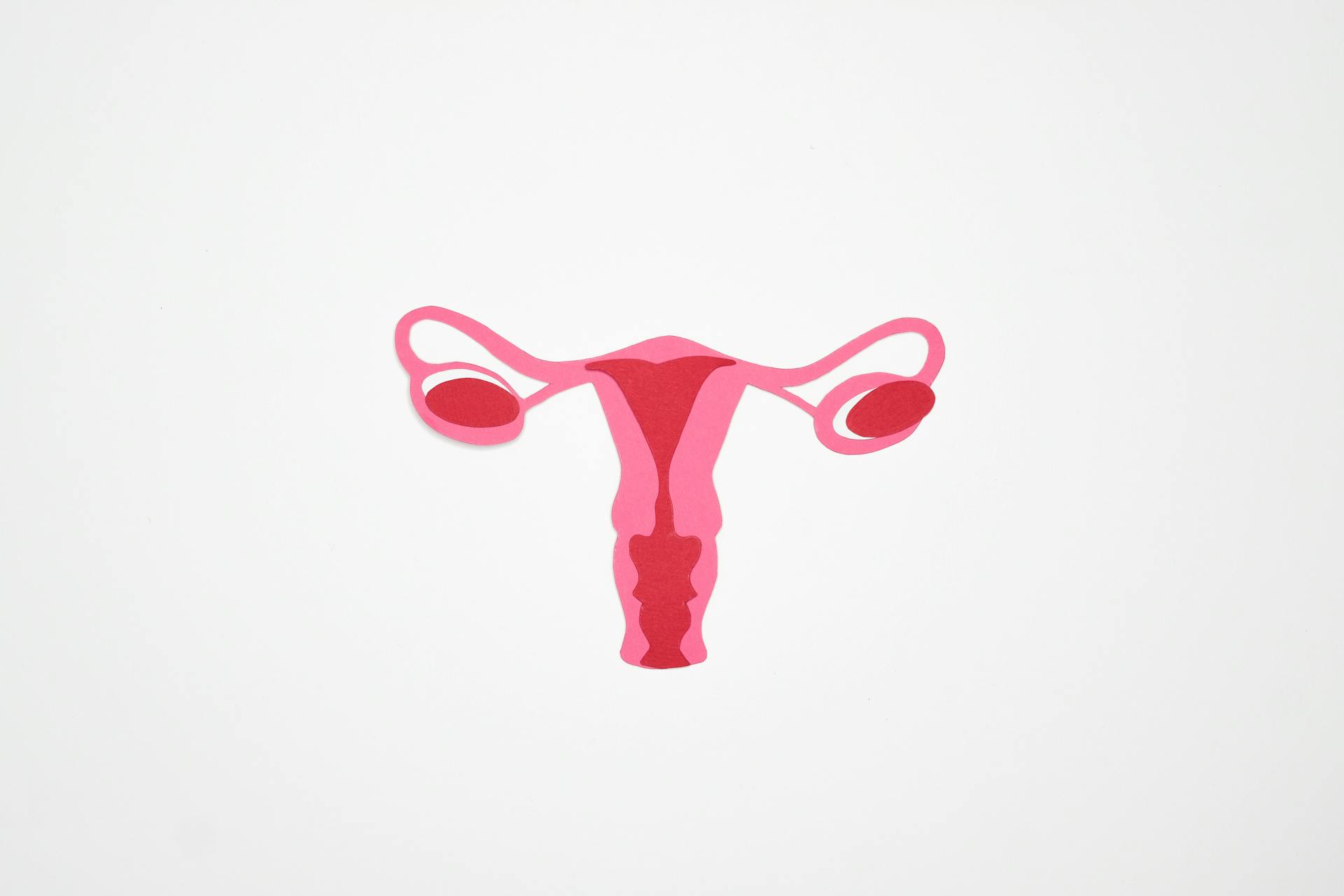
Gonads, like the ovaries and testes, produce sex hormones that control reproductive functions.
Frequently Asked Questions
How to balance a horse's hormones?
To balance a horse's hormones, ensure their diet includes a balanced mix of calcium, phosphorus, and magnesium, and consider adding prebiotics, antioxidants, and omega-3 rich linseed to their feed. This can help regulate hormonal imbalances and promote overall well-being.
What are the symptoms of hormonal issues in mares?
Mares with hormonal issues may exhibit aggressive behavior, difficulty with grooming, and poor performance under saddle. These symptoms can be distressing and impact the horse's well-being
Featured Images: pexels.com