Maintaining a healthy gut is crucial for your horse's overall well-being. A strong and healthy gut is essential for optimal digestion, absorption of nutrients, and a robust immune system.
A horse's gut is home to trillions of microorganisms, with a diverse population of bacteria, yeast, and other microorganisms. This microbiome plays a vital role in breaking down fiber, synthesizing vitamins, and protecting the horse from pathogens.
Feeding your horse a high-fiber diet can help promote a healthy gut microbiome, with some studies suggesting that a diet rich in fiber can increase the production of beneficial short-chain fatty acids.
Providing access to clean water and a balanced diet is essential for maintaining a healthy gut.
Curious to learn more? Check out: How to Paint a Horse's Mane?
Gut Microbiota and Health
The gut microbiota is a complex community of trillions of microbes that live in the horse's hindgut and play a vital role in digestion and overall health.
These microbes ferment fiber and produce volatile fatty acids, which are the primary energy source for horses. They also produce other metabolites that can impact bodily functions and organ systems, including the brain.
The gut microbiota is influenced by genetics, environment, diet, and stress, which can alter its diversity and stability. When the gut microbiota loses diversity and stability, it can lead to systemic inflammation and a cascade of issues in performance horses.
Microbial diversity is essential for mental and physical health, and a balanced gut microbiota supports normal inflammation levels and a healthy central nervous system.
Here are some key factors that affect the gut microbiota:
- Genetics
- Environment
- Diet
- Medications
- Gastric secretions
- Stress
A healthy gut microbiota has a direct impact on equine health, influencing nutrient absorption, metabolism, disease protection, immune system function, weight, pH level, and gut lining health.
The gut microbiota is a unique fingerprint for each horse, and maintaining a balanced gut microbiota is vital for overall health and well-being.
Causes and Symptoms of Dysbiosis
Dysbiosis in horses is a condition where the microbial population in their gastrointestinal tract becomes unbalanced and dominated by harmful microbes.
Several factors can influence the development of dysbiosis in horses, but the exact causes are not always clear.
Symptoms of dysbiosis can vary depending on the area of the intestine affected and the microorganisms present or missing.
Horses with dysbiosis-related disorders may display a wide range of clinical symptoms, such as poor appetite, possible food intolerances, intermittent colic, and weight loss from malabsorption.
Here are some specific symptoms associated with small intestine disorders that may involve dysbiosis:
- Poor appetite
- Possible food intolerances
- Intermittent colic
- Weight loss from malabsorption
Variable appetite, bloating, hypermotility (diarrhea), colic, and weight loss are also common symptoms of dysbiosis.
A diagnosis of dysbiosis can be made by evaluating horses for symptoms such as changes in manure, poor eating habits, and a loss of condition, as well as through blood tests that may provide information about biochemical abnormalities caused by the condition.
You might enjoy: Dog Gut Health Symptoms
Dysbiosis Diagnosis and Treatment
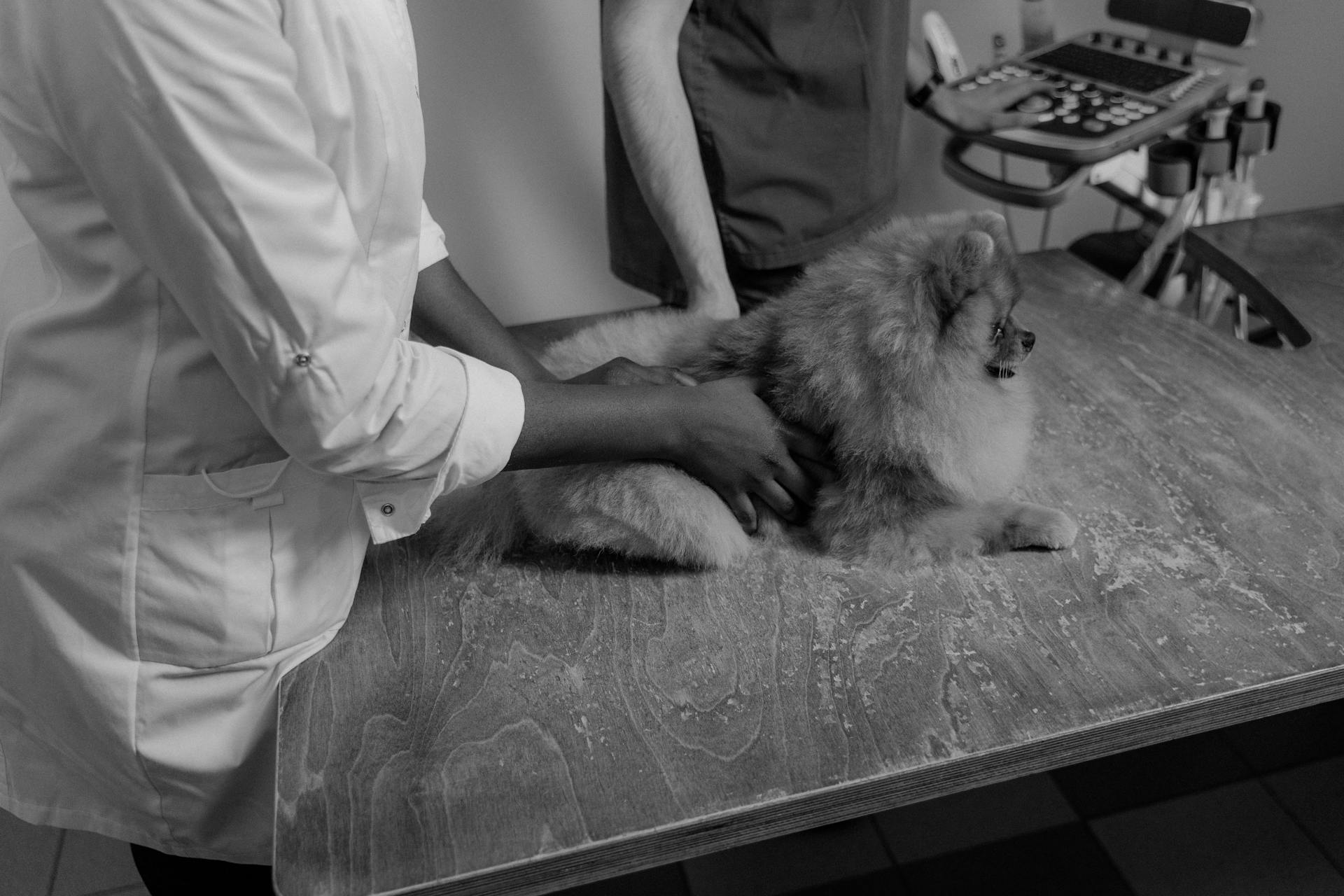
If you notice changes in your horse's appetite or manure, contact your veterinarian as soon as possible. Consulting a veterinarian to establish a plan for prompt treatment of the condition increases the prognosis for a successful recovery.
A diagnosis of dysbiosis in horses can be made by evaluating symptoms such as changes in manure, poor eating habits, and a loss of condition.
Blood tests, including a complete blood count and chemistry panel, may be helpful in diagnosing dysbiosis. These tests can provide information about biochemical abnormalities caused by the condition, the presence of additional illness, and infection due to viral, bacterial, and parasitic agents.
If left untreated, dysbiosis can potentially lead to serious secondary medical complications, including inflammatory bowel disease, colitis, colic, and systemic inflammatory response-related laminitis.
Supportive therapy is needed to restore the balance of flora residing in the equine gastrointestinal system. This can include probiotics and prebiotics to support the beneficial microbial populations in the digestive tract.
Here are some additional treatments and therapies that may be used to treat dysbiosis:
- Probiotics and prebiotics to support beneficial microbial populations
- Fecal transfaunation or microbial transplant to establish a more diverse microbiome
- Supportive therapy to restore the balance of flora in the equine gastrointestinal system
Blood tests can provide valuable information about the presence of dysbiosis, but they are not the only diagnostic tool. A veterinarian may also use physical examination and clinical history to make a diagnosis.
Preventing Dysbiosis
Preventing dysbiosis in horses requires a multi-faceted approach that includes dietary changes and the use of supplements.
Administering a probiotic during and after antibiotic treatment can help prevent the growth of abnormal intestinal flora.
Feeding a diet consisting primarily of high-quality roughage is critical for maintaining a healthy microbiome, and diet changes should always be introduced over time to allow the flora to adapt.
Some horses may require a minimal amount of grain in their diet to prevent dysbiosis, and using high-quality oils or energy-dense, easily fermented fibre like beet pulp or soy hulls can serve as an alternative energy source to grain.
Regularly feeding a probiotic or prebiotic can help support the beneficial microbial populations in the digestive tract and reduce the risk of dysbiosis.
Feeding practices can go a long way in preventing dysbiosis, and combining probiotics, prebiotics, and enzymes can provide complete GI tract coverage and combat harmful toxins in feed.
Here are some key benefits of using prebiotics, probiotics, and enzymes to support horse gut health:
- Supports hindgut development
- Combats harmful toxins in feed
- Complete GI tract coverage
Nutrition and Feeding
Offering your horse a balanced and nutritious diet is crucial for maintaining good gut health. A diet rich in fibre, such as hay or pasture grass, can help support the growth of beneficial bacteria in the hindgut.
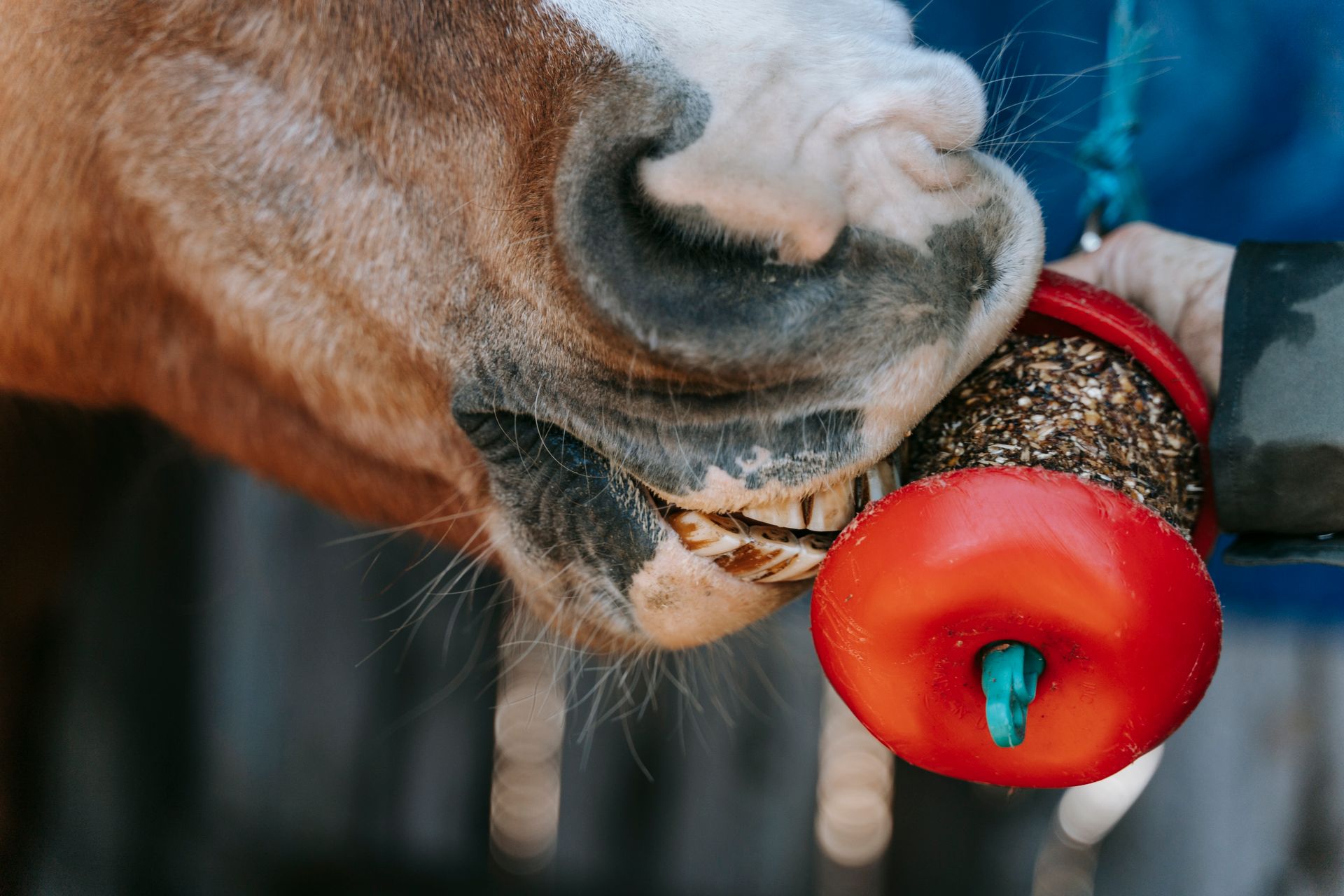
Feeding your horse high-fibre commercial feeds, like those containing beet pulp or soybean hulls, can be a great option. These feeds have lower levels of starches and sugars compared to conventional grain-based feeds, reducing the risk of digestive issues.
To prevent digestive upset, it's essential to feed your horse smaller portions more frequently. This allows for more effective digestion and nutrient absorption. Aiming for 3-4 meals a day, with each meal consisting of 1-2% of your horse's body weight in feed, can be a good starting point.
A consistent feeding schedule can also help maintain a stable environment for beneficial bacteria in the digestive system. This can be achieved by feeding your horse at the same times every day, with minimal changes to their diet.
You might like: Good Balance
Here are some tips for providing clean and good quality forage:
- Soak hay to make it softer and easier to chew.
- Use chopped hay or hay cubes for horses with poor dentition.
- Feed beet pulp, a high-fibre feed that can be soaked or fed dry.
- Offer complete feeds, which are formulated to provide all the necessary nutrients.
Reducing grains and concentrate feed can also help promote gut health. Many horses don't need as much carbohydrate as is commonly fed to them, and overloading the digestive system with energy-dense feeds can lead to digestive upset.
Probiotics & Prebiotics
Probiotics are living organisms that help replenish beneficial bacteria in the gut, protecting against toxins and lowering the pH to make it less hospitable to pathogens.
A combination of probiotics and prebiotics can aid in recovery from dysbiosis. Prebiotics, such as xylooligosaccharides (XOS), polydextrose, galactooligosaccharides (GOS), pectin, and psyllium, provide a source of food for probiotics to thrive on.
In one study involving 29 neonatal Thoroughbreds with diarrhea, the duration of the condition was shorter in the probiotics-administered group (approximately 7+ days) compared to the control group (approximately 14 +/- 3 days).
Probiotics help to replenish beneficial bacteria, combat pathogenic bacteria, stimulate immunity, and lower the pH of the gut.
A study showed that beneficial microbes help regulate intestinal function and may prevent diarrhea.
Here are some examples of prebiotics that can be used:
- Xylooligosaccharides (XOS)
- Polydextrose
- Galactooligosaccharides (GOS)
- Pectin
- Psyllium
These prebiotics can help support the growth of beneficial bacteria in the gut, promoting a healthy gut microbiome.
6. Deworm Regularly
Deworming is a crucial part of your horse's health plan.
Parasites can cause serious health issues in even the most well-cared-for horses.
An infestation can disrupt gut function and cause diarrhea, weight loss, colic, or other health issues.
Talk to your vet about a specific deworming plan for your horse, and stick with it.
Consider reading: Maltipoo Health Problems
Stress and Hydration
Stress can have a significant impact on a horse's gut health, causing dysbiosis as a natural response.
Environmental stressors like changes in living conditions, weather fluctuations, and altered feeding routines can create a chain reaction in the horse's body, leading to disruptions in the gastrointestinal system.
Exercise and heat stress can also induce alterations in the gut microbiome, making it essential to manage stress levels in horses.
To support hydration, it's crucial to keep affected horses well hydrated, especially when they're experiencing excess fluid loss due to dysbiosis.
Adding plain salt or electrolytes to water or feed can encourage horses to drink and prevent dehydration, but always offer plain water as well.
If this caught your attention, see: Water Horse Filmed
Support Hydration

Supporting your horse's hydration is crucial, especially when they're under stress. Adding plain salt or electrolytes to their water or feed can encourage them to drink and prevent dehydration.
Horses with advanced dehydration may need fluid replacement via intravenous administration, so it's essential to monitor their condition closely.
Stress
Stress can have a significant impact on a horse's digestive system, causing a chain reaction that disrupts the normal functioning of the gastrointestinal system.
Environmental stressors can include changes in living conditions, weather fluctuations, altered feeding routines, and exposure to new or unsettling situations.
Exercise and heat stress can also induce alterations in the gut microbiome, leading to dysbiosis.
Stress during competition or transport can trigger a natural response, resulting in dysbiosis.
Diet and Supplements
A balanced diet is crucial for maintaining a healthy gut in horses. Changes in diet can cause dysbiosis, so it's essential to introduce new hay sources or feeds gradually to allow the microbiome to adjust.
Excessive consumption of high-grain diets, especially those high in rapidly fermented starches and sugars, can lead to hindgut acidosis and shift microbial populations. A study showed that switching to a diet containing barley caused an increase in Lactobacilli and Streptococci in the cecum and colon of ponies.
To support gut health, consider adding a horse digestive supplement. Daily Gold Stress Relief, for example, is a natural bentonite clay digestive supplement that buffers stomach acid and binds harmful toxins, creating a friendly environment for healthy bacteria to thrive.
Here are some benefits of Daily Gold:
- Buffers acid and soothes painful ulcers
- Protects and strengthens the gut wall
- Improves nutrient absorption
- Binds harmful mycotoxins and parasites
- Resolves loose stool and diarrhea
- Reduces stress by relieving digestive issues
Additionally, yeast cultures like Saccharomyces cerevisiae can help reduce the risk of dysbiosis and maintain a healthy gastrointestinal tract.
Yeast Cultures
Yeast cultures can be beneficial in maintaining a healthy gastrointestinal tract. Research shows that Saccharomyces cerevisiae may protect the bacterial ecosystem in horses.
Reducing the consumption of lush pasture or grain may be necessary to prevent acidosis in the hindgut for horses recovering from dysbiosis.
Probiotics can help reduce the effects of high-grain diets on the gut microbiome.
Diet
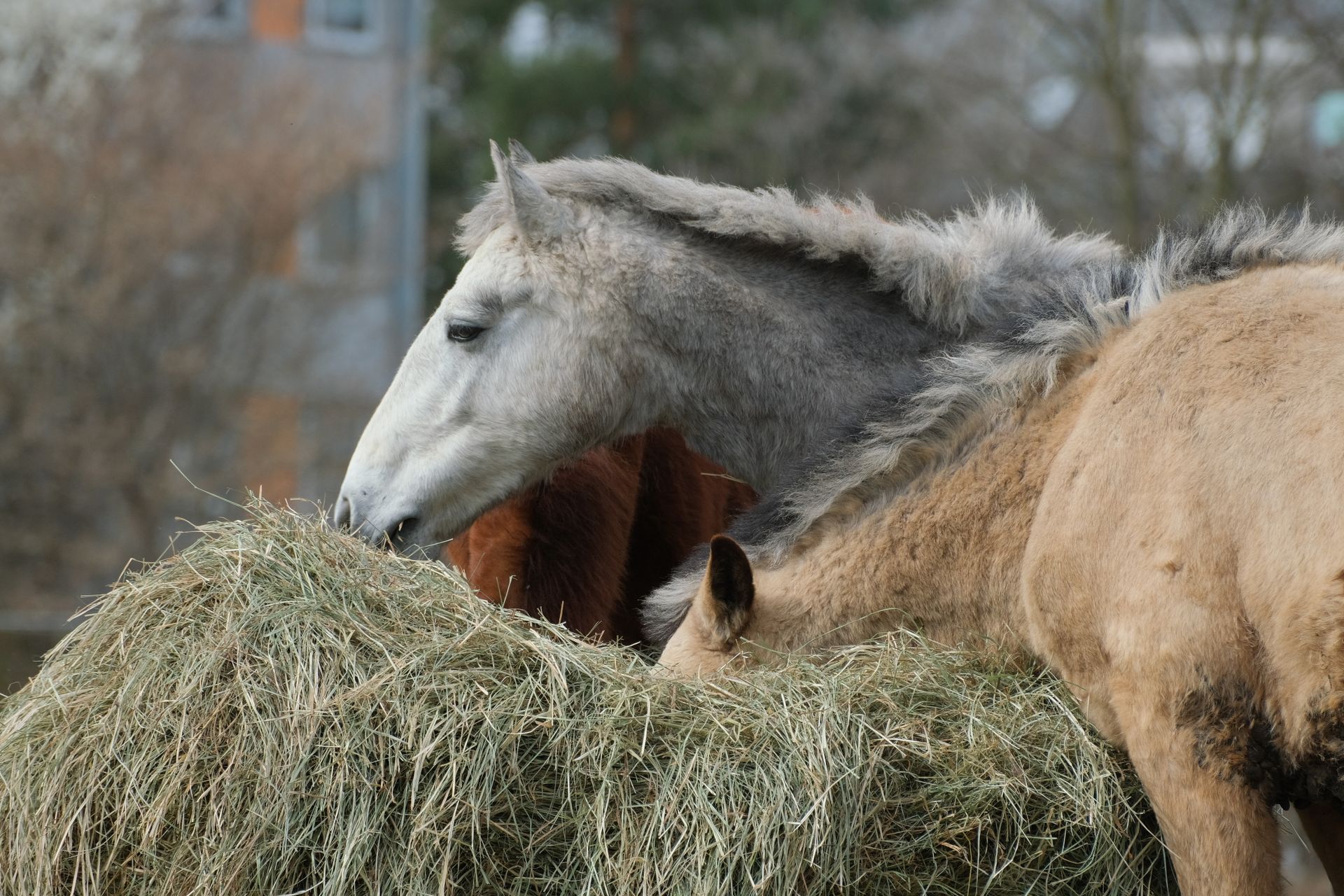
Making changes to your horse's diet can be a major cause of dysbiosis, which is an imbalance of the gut's microbial population. This often happens when you switch to a new hay source or feed.
A gradual introduction to new feed is recommended to allow the microbiome to adjust. This helps prevent sudden shifts in the microbial population.
Excessive consumption of high-grain diets, especially those high in rapidly fermented starches and sugars, can decrease hindgut pH and potentially cause hindgut acidosis. This can lead to a shift in microbial populations.
One study found that switching to a diet containing barley caused an increase in Lactobacilli and Streptococci in the cecum and colon of ponies.
8. Use Supplements
Using supplements can be a game-changer for your horse's digestive health. Daily Gold Stress Relief by Redmond is a natural digestive supplement that buffers stomach acid and binds harmful toxins, creating a friendly environment for healthy bacteria to thrive.
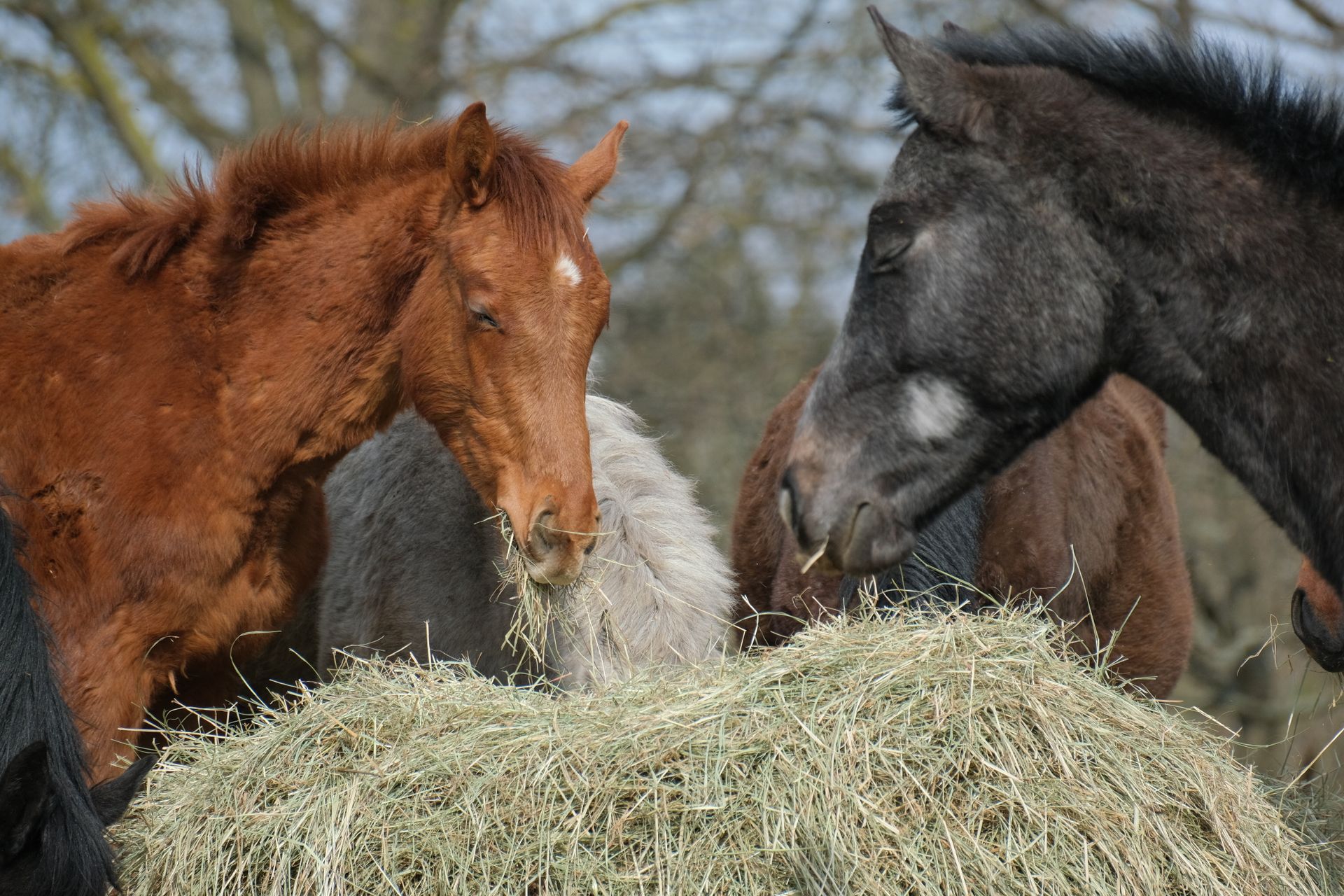
This supplement promotes normal gut function and offers valuable health benefits, including buffering acid and soothing painful ulcers, protecting and strengthening the gut wall, improving nutrient absorption, binding harmful mycotoxins and parasites, resolving loose stool and diarrhea, and reducing stress by relieving digestive issues.
You can choose from three forms: powder, pellets, or a syringe. The powder or pellets can be added to feed for daily gut protection, while the Stress Relief Syringe is recommended before stressful situations or during digestive episodes like diarrhea and acute ulcer pain.
Daily Gold is a versatile supplement that can be tailored to your horse's needs.
Gastrointestinal Tract Overview
The horse's gastrointestinal tract is a complex system that plays a crucial role in their overall health. It's divided into three functional regions: the foregut, the hindgut, and the stomach.
The foregut, which includes the stomach and small intestine, is similar to that of a monogastric animal, such as a dog or pig. The stomach of a mature horse has a capacity of approximately eight litres and contributes only eight percent to the total digestive tract weight.
The small intestine is comprised of three functional regions: the duodenum, the jejunum, and the ileum, which together account for around 30% of the total tract mass and 75% of its total length, approximately 21-25 m in a 500 kg horse.
The hindgut, which includes the caecum and the large (ascending) and small (descending) colons, is the major contributor to gastrointestinal tract volume, making up 60% of the total volume. It's proportionally the largest hindgut of any domestic animal.
Here's a breakdown of the horse's digestive tract regions:
This complex system is home to a diverse community of microorganisms that play a crucial role in digestion and nutrient assimilation.
Gastrointestinal Tract Overview
The horse's gastrointestinal tract is a fascinating and complex system. It's divided into three functional regions: the foregut and the hindgut, which together make up the majority of the digestive tract.
The foregut is similar to the digestive system of a monogastric animal, like a dog or a pig, and is comprised of the stomach and small intestine. The stomach of the horse is relatively small, with a capacity of about 2.5 gallons, and food passes through it quickly.
The hindgut, on the other hand, is specialized to digest fiber and is home to a diverse community of microbes. It's responsible for breaking down the structural polysaccharides of plants and producing volatile fatty acids (VFAs) as a byproduct of fermentation.
Here's a breakdown of the key components of the horse's gastrointestinal tract:
The horse's digestive system is designed to break down and extract nutrients from plant-based foods, and it's highly sensitive to changes in diet and management. Even small changes can have a significant impact on the microbial populations in the gut, which can lead to digestive problems and other health issues.
Laminitis
Laminitis is a painful condition that can be triggered by an overload of easily fermentable substrates in the hind gut.
This overload can lead to the proliferation of Streptococci, which can damage the intestinal lining and allow bacteria and their toxins to enter the bloodstream.
A systemic inflammatory response is triggered, which can induce laminitis.
Bacterial enzymes like thermolysin and bacterial endotoxins circulating in the blood can activate matrix metalloproteinase enzymes that damage the laminae of the hoof.
This damage is a result of the body's attempt to fight off the infection, but it can have severe consequences for the horse's hooves.
Dynamic Resource Allocation
Dynamic Resource Allocation is crucial for maintaining a healthy gastrointestinal tract. Accurately weighing both the hay and the horse is essential to promote overall health and performance.
Taking the time to assess your horse's body fat score can help prevent problems like poor gut health and laminitis. Aiming for a body fat score of 2.5 out of 5 is recommended, especially for horses prone to EMS or PPID.
Adjusting your horse's pasture time and food intake may be necessary to achieve this optimal body fat score. It's also important to keep an eye on your horse's weight, especially if they're at risk of being too heavy.
Check this out: What Is Zorro's Horse's Name?
Frequently Asked Questions
How do I know if my horse needs probiotics?
If your horse is experiencing digestive issues, such as diarrhea, bloating, or a dull coat, it may be a sign that they need probiotics to restore a healthy balance of gut bacteria. Look for these warning signs and consider supplementing with probiotics to support your horse's overall well-being.
Featured Images: pexels.com