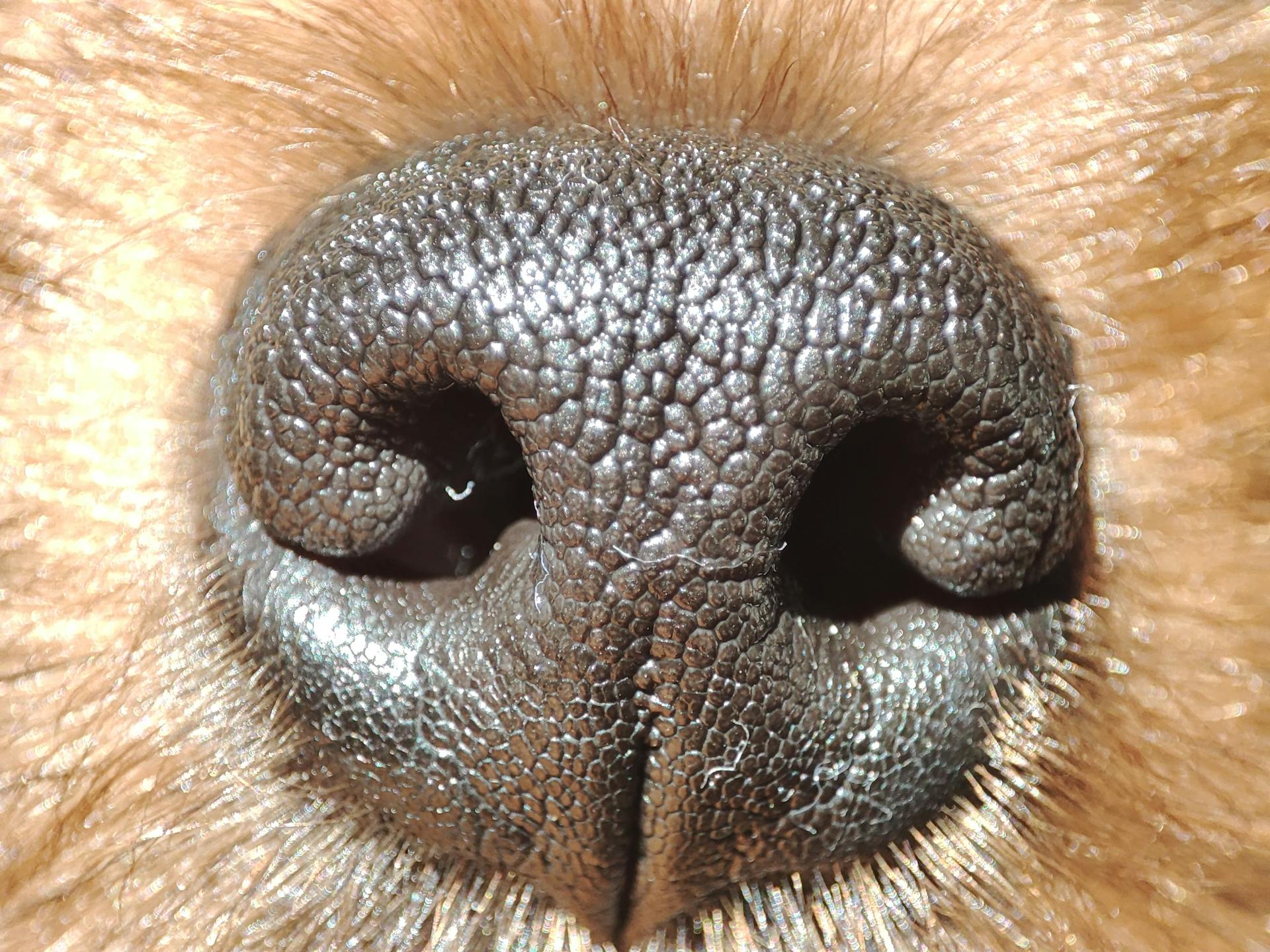
Dogs with skin allergies often suffer from chronic itching, scratching, and hair loss, which can be distressing for both the dog and its owner.
Diet plays a crucial role in managing skin allergies, and feeding a novel protein diet can be beneficial.
Many owners have reported success with a raw food diet, which can help reduce inflammation and promote healing.
In addition to diet, environmental factors such as pollen, dust mites, and flea bites can trigger skin allergies in dogs.
Treatment and Remedies
Natural remedies can be used to alleviate symptoms associated with seasonal dog allergies. However, if the condition worsens, it's recommended to seek medical advice from a veterinarian.
A holistic approach to treating allergies in dogs focuses on treating the whole individual dog and addressing overall health and immune system functioning. This can include ensuring parasites such as fleas and ticks are eradicated.
To ease skin lesions and irritations, soothing baths and medications like oatmeal baths and coconut oil can be used. Aloe vera gel, calendula, thyme, chickweed gel, apple cider vinegar, witch hazel, epsom salts, and cucumber slices can also be applied topically to relieve irritations.
To support the immune system, reducing carbohydrates in your dog's diet and avoiding artificial colors and flavors is recommended. Adding supplements like dandelion root, probiotics, and other herbal preparations to the diet can also be beneficial.
Some natural remedies that can be used to alleviate allergy symptoms include:
- Natural anti-inflammatories like licorice root or nettles
- Natural antihistamines found in edible mushrooms
- Raw local honey, which can act as an "allergy vaccine" by exposing your dog to low levels of the allergen and training their immune system not to react negatively
Calendula, a member of the sunflower family, offers several benefits to dogs with allergies, including relieving inflammation and improving the immune system when taken internally.
Procedure for Treating Skin Allergies
Treating skin allergies in dogs requires a holistic approach that addresses the whole individual, not just the symptoms. A holistic veterinarian can provide guidance and recommend specific holistic formulations to help.
To ease skin lesions and irritations, you can use soothing baths with ingredients like oatmeal, coconut oil, and herbal preparations such as lavender, chamomile, and mullein. These can be applied topically to relieve irritations.
Aloe vera gel, calendula, thyme, chickweed gel, apple cider vinegar, witch hazel, and epsom salts can also be used to reduce inflammation and soothe the skin. However, if a grain allergy is suspected, oatmeal baths should be avoided.
If this caught your attention, see: Holistic Dog Grooming
To support immune system functioning, a balanced diet is essential. Reducing carbohydrates in your dog's diet is recommended, as excess carbs can compromise immune system functioning. Avoiding artificial colors and flavors is also important.
A commercial product that meets these criteria or a diet of raw or cooked meat is recommended for allergic dogs. Supplements such as dandelion root, probiotics, and other herbal preparations may also be added to the diet to support gastrointestinal functioning.
Raw local honey can be a useful support for immune system and can act as an "allergy vaccine" by exposing your dog to low levels of the allergen and training their immune system not to react negatively to the antigen.
Here are some natural anti-inflammatory options to consider:
- Licorice root or nettles may be useful for immune system reactions.
- Natural antihistamines found in edible mushrooms can reduce immune system reaction.
Preventing exposure to allergens is also crucial. Wiping down your dog's feet and fur to remove pollens and other environmental allergens when they have been outdoors can help reduce exposure.
Natural Remedies for Seasonal Dog Allergies
Natural Remedies for Seasonal Dog Allergies can be a lifesaver for your furry friend. Natural remedies for seasonal dog allergies can be used as a preventative or as a solution to already existing allergy-related symptoms.
Using natural alternatives can help alleviate the symptoms associated with allergies. However, if the condition worsens, it is recommended to seek medical advice from a veterinarian.
A holistic approach to allergic reactions in dogs focuses on treating the whole individual dog and several approaches to address overall health and immune system functioning in your dog are recommended.
Ensuring that parasites such as fleas and ticks are eradicated is crucial. Commercial and natural preparations are available, and frequent vacuuming indoors and cleaning up areas in your yard where fleas congregate will also reduce incidence.
Easing skin lesions and irritations with soothing baths and medications is essential. Oatmeal baths and coconut oil, lavender, chamomile, and mullein preparations for irritated skin can be applied topically to relieve irritations.
Explore further: How to Calm a Hyper Dog with Herbs? Natural Solutions for Pups
Adjusting your dog's diet to support immune system functioning is vital. Reducing carbohydrates in your dog's diet is recommended, as excess carbs may compromise immune system functioning.
Immune system supplements such as ginseng, echinacea, omega 3 essential fatty acids, and vitamins may be useful. Raw local honey can be a useful support for immune system and is easy to administer as dogs readily consume it with their food.
Here are some natural remedies you can try:
- Cleavers, Spring nettle, dandelion leaf & root, parsley, burdock root, milk thistle, calendula, coconut oil in Natures Skin Tonic can be applied topically to relieve irritations.
- Calendula has natural anti-fungal and anti-yeast properties and can be made into a tea or gel to apply to your dog's skin.
- Apple Cider Vinegar can be used to relieve inflammation from allergies, but always use raw, unfiltered apple cider vinegar and test on a small patch of your dog's skin first.
These natural remedies can be a great addition to your dog's treatment plan, but always consult with a veterinarian before making any changes.
Prevention and Care
Obtaining a dog from a breeder that produces healthy, viable puppies, without known health problems will reduce the chance of your dog developing allergies later in life.
Providing a healthy diet low in carbohydrates and high in proteins, as well as regular parasite and fungal control to your dog, will also help reduce allergic reactions.
Related reading: Will Shiba Inu Hit 1 Cent
Frequent bathing and grooming, especially with soothing ingredients like oatmeal, can greatly improve your dog's condition and provide comfort for environmental allergies.
A holistic approach to your dog's allergies involves exploring diet and lifestyle as contributing factors, and considering a grain-free diet or organic, whole grains can be beneficial for overall health and allergy prevention.
Using natural products, such as Natures Skin Tonic, can help alleviate symptoms of allergies and skin complaints, and incorporating herbal blends into your dog's diet can provide variation and support the skin and liver.
Green Clay can be used to dry up wet eczema and hot spots, control infection in wounds and abscesses, and provide a protective layer over injuries, making it a must-have for your natural first aid kit.
For another approach, see: Why Does a Dog Wag His Tail
Proper Bathing & Grooming
Frequent bathing and grooming can make a big difference in managing your dog's allergies. Regular bathing can help remove allergens from their coat and skin.
For more insights, see: Bathing Dogs with Allergies
Using a mild, hypoallergenic dog shampoo can further soothe irritated skin and prevent the onset of allergy symptoms. Always rinse thoroughly to ensure no soap residue remains.
Brushing and combing can help remove dead skin and coat, promoting new growth and removing allergens on top of the skin and fur. This is especially beneficial for dogs with longer hair or those prone to matting.
Bathing once a week can greatly improve your dog's condition, especially if they suffer from environmental allergies. Soothing ingredients like oatmeal in shampoos can help your dog's skin feel softer and relieve itching.
Here's a quick guide to proper bathing and grooming for dogs with allergies:
By incorporating these simple practices into your dog's routine, you can help alleviate their allergy symptoms and keep them feeling comfortable and happy.
Cost
Time is a major cost consideration in holistic allergy treatment for dogs. Several treatments may need to be attempted before a solution is determined, which can add up in cost.
Natural remedies incur some expense, but it's usually less than traditional medicine. The cost of consultation with a holistic veterinary practitioner can range from $50 to $150.
Several treatments are usually necessary to produce an effect with acupuncture, which can cost between $50 to $100 per session.
See what others are reading: Holistic Dog Training
Understanding Allergies
Allergies in dogs can manifest in various ways, but some common symptoms include itching, licking or chewing on affected skin areas, and hair loss. Itching can occur on the face, ears, paws, base of the tail, armpits, and abdomen.
A clean living environment is crucial in reducing allergens that might affect your dog. Regularly cleaning and vacuuming, using air purifiers, and changing air filters can help minimize the presence of dust, mold, and other common allergens.
Some common symptoms of allergies in dogs include recurring ear infections, swelling of the face, mouth, ears, and/or eyes, sneezing, and difficulty breathing or wheezing.
For your interest: Breeds of Dogs with Pointy Ears
What Is Holistic Medicine for Dogs with Skin Allergies
Holistic medicine for dogs with skin allergies takes a natural approach to alleviate symptoms and address underlying issues. This approach considers the dog's overall health, lifestyle, and environment.
It's essential to explore diet and lifestyle as contributing factors to itchy skin and allergies. The herbal blends in Natures Skin Tonic are designed to provide variation in the diet throughout the year.
Each blend brings its own unique qualities, and it's recommended to use it as part of a holistic approach. The ingredients in Natures Skin Tonic include Cleavers, Spring nettle, dandelion leaf & root, parsley, burdock root, milk thistle, calendula, and coconut oil.
Dosage varies depending on the dog's size, with small dogs needing half a teaspoon, medium dogs needing one teaspoon, and large dogs needing one heaped teaspoon.
Symptoms of Allergies
Dogs can exhibit a range of symptoms when they have allergies. Itching is a common sign, often accompanied by licking or chewing on affected skin areas, which can be anywhere on the body.
Some dogs may experience hair loss due to constant scratching and chewing. Recurrent ear infections can also be a sign of an allergy, so keep an eye out for any changes in your dog's ear health.
Swelling of the face, mouth, ears, and eyes can be a sign of a more severe allergic reaction. Sneezing and difficulty breathing, including wheezing, can also indicate an allergy.
Discover more: Allergy Medicine for French Bulldogs
Here are some common symptoms of allergies in dogs:
- Itching
- Licking or chewing on affected skin areas
- Hair loss
- Recurrent ear infections
- Swelling of face, mouth, ears, and/or eyes
- Sneezing
- Difficulty breathing and/or wheezing
Keep in mind that the specific symptoms can vary depending on the type of allergy your dog has, so it's essential to keep track of any changes in their behavior or physical condition.
Evaluating Effectiveness
Evaluating the effectiveness of holistic allergy treatment for dogs requires patience and dedication from pet owners. It's not a one-size-fits-all solution, so experimentation is necessary to find what works best for each dog.
Combining traditional medications with holistic therapy may be necessary to address allergic conditions in the short term. This allows pet owners to see immediate results while still working towards long-term relief.
It may take several weeks or months to determine which treatments provide allergy relief for your dog. This is a normal part of the process and requires commitment from pet owners.
Additional reading: Shiba Inu Owner
Featured Images: pexels.com