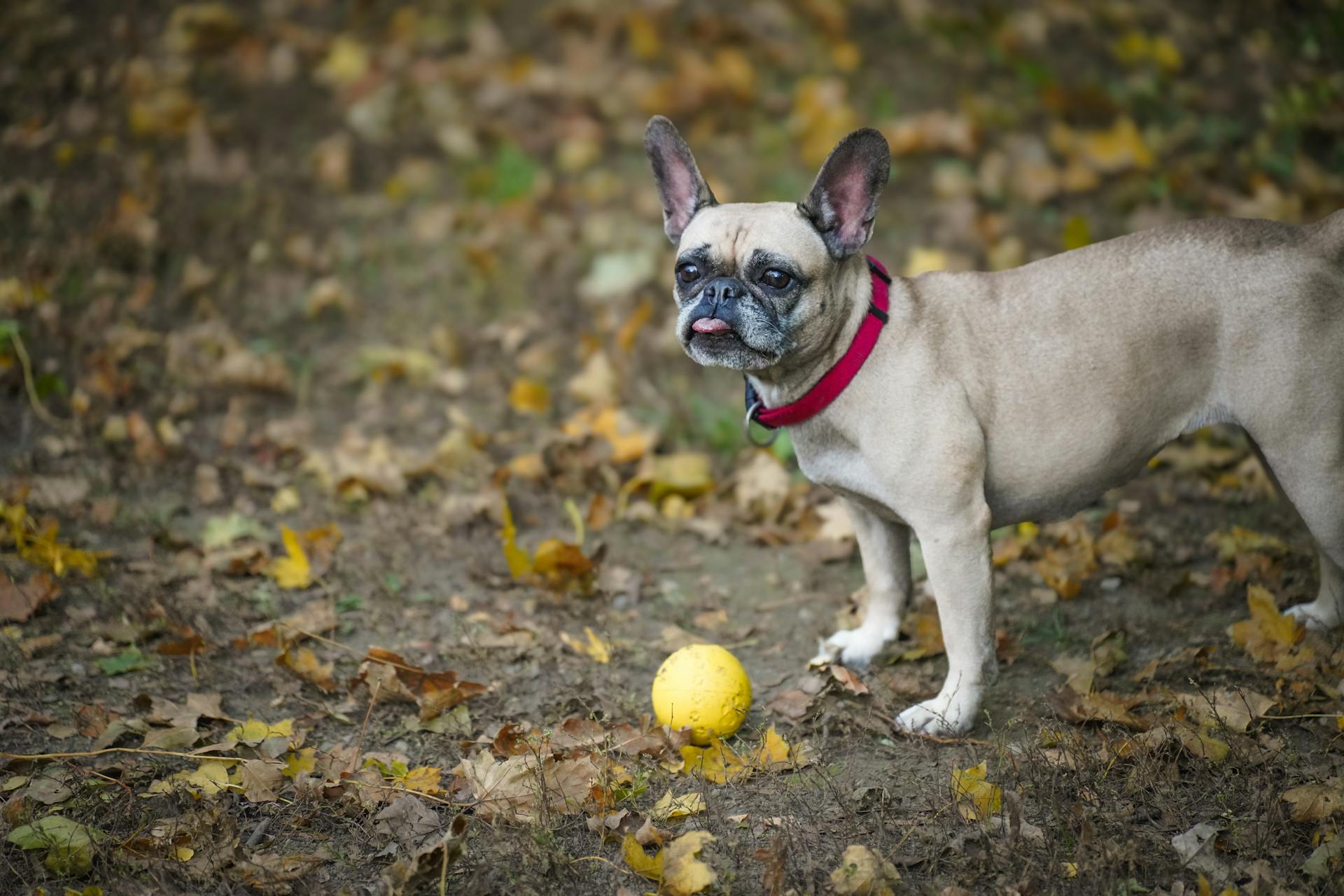
French Bulldogs are adorable companions, but their adorable wrinkles and flat faces come with a price: they're prone to allergies.
Allergies can cause skin irritation, ear infections, and even respiratory issues in French Bulldogs.
Their short, easy-to-maintain coats don't necessarily mean they're low-maintenance when it comes to allergies.
Understanding Allergies in French Bulldogs
French Bulldogs are prone to allergies, which can be caused by environmental allergens, food, and parasites.
Their stocky frames and charismatic personalities make them beloved pets, but allergies can affect their quality of life.
Itching and redness are common symptoms of allergies in French Bulldogs.
Recurrent ear infections are also a common issue, which can be painful and uncomfortable for your Frenchie.
Gastrointestinal issues can also arise from allergies, making it essential to monitor your dog's digestive health.
Recognizing these symptoms early is crucial for managing your Frenchie's comfort and health.
Identifying and Diagnosing Allergies
Identifying and diagnosing allergies in your French Bulldog is crucial to finding effective relief. A visit to the vet can help determine the root cause through allergy testing or an elimination diet.
Common allergens include pollen, dust mites, molds, certain proteins in foods, and flea saliva. Identifying the specific allergen will help you tackle the issue at its source.
Diagnostic tests such as skin scraping, blood work, skin allergy tests, and limited ingredient diet trials may be required to determine the source of your dog's allergic response. Your veterinarian will need to perform these tests before prescribing medication.
You might like: English Bulldog Skin Allergies Home Remedies
Genetic Causes
French Bulldogs are prone to skin allergies due to poor genetics, which is a result of questionable breeding practices that have become more common with the high demand for puppies.
The constant need for French Bulldog puppies has led to a rise in genetic predisposition towards atopic skin disease, skin fold dermatitis, and related skin conditions.
One in every few French Bulldogs may be more susceptible to these genetic skin allergies.
French Bulldogs have become so popular that their breeding has become less about health and more about meeting the demand for these adorable dogs.
Their genetic makeup makes them more likely to suffer from skin allergies, which can be distressing for both the dog and their owner.
Diagnostic Tests
Diagnostic tests are a crucial step in determining the source of your dog's allergic response. A visit to the vet will likely involve a range of tests to identify the allergen.
Skin scraping may be necessary to examine your dog's skin for signs of irritation or infection. Blood work can also be used to detect any underlying health issues contributing to the allergy.
A skin allergy test can help identify specific allergens that are causing the reaction. This test typically involves exposing your dog's skin to various substances to see which ones trigger a response.
Limited ingredient diet trials may be recommended to rule out food allergies. This involves feeding your dog a diet with a single protein source to see if symptoms improve.
Diagnostic testing may also involve standard protocols, which can vary depending on your dog's individual needs and health status.
Recommended read: National Dog Show French Bulldog
Treating Allergies in French Bulldogs
Medications and treatments are available to alleviate symptoms, but it's essential to follow your vet's guidance to avoid potential side effects or complications.
Antihistamines, corticosteroids, and immunotherapy are some of the medications your vet may recommend.
A limited-ingredient diet can be helpful in managing allergies, as it contains fewer allergen triggers than diets with long ingredient lists.
Grain-free diets can also help, especially if the allergen is from a plant-based protein, but be sure to source a nutritionally complete and balanced dog food.
To identify the allergen, you may need to work with your vet to perform allergy testing or eliminate certain ingredients from your dog's diet.
If the allergy symptoms are severe or persistent, your vet may prescribe medications to help alleviate the symptoms.
Here's a step-by-step guide to treating food allergies:
1. Identify the allergen: Determine what is causing the allergy by working with your vet or eliminating certain ingredients from your dog's diet.
2. Avoid the allergen: Switch to a hypoallergenic or novel protein diet, such as a lamb or duck formula.
3. Consider medication: If the allergy symptoms are severe or persistent, your vet may prescribe medications to help alleviate the symptoms.
For your interest: National Dog Show French Bulldog 2023
4. Try a limited-ingredient diet: If the allergen cannot be easily identified or avoided, your vet may recommend trying a limited-ingredient diet.
5. Keep the dog clean: Use a hypoallergenic shampoo and avoid using any products that may further irritate the skin.
By following these steps and working closely with your vet, you can help manage your French Bulldog's allergies and improve their quality of life.
Environmental Factors
French Bulldogs can be prone to allergies due to environmental factors, similar to how they can have food allergies. These allergies occur when a French Bulldog's immune system becomes overly sensitive to a particular allergen, releasing a large amount of histamine and causing an allergic reaction.
Dust mites, animal dander, pollen, and mold spores are common environmental allergens that can trigger reactions in French Bulldogs. These allergens can be found indoors and outdoors, making it essential to take steps to reduce exposure.
Here are some common environmental allergens that can affect French Bulldogs:
- Dust mites
- Animal dander
- Pollen
- Mold spores
Environmental Symptoms
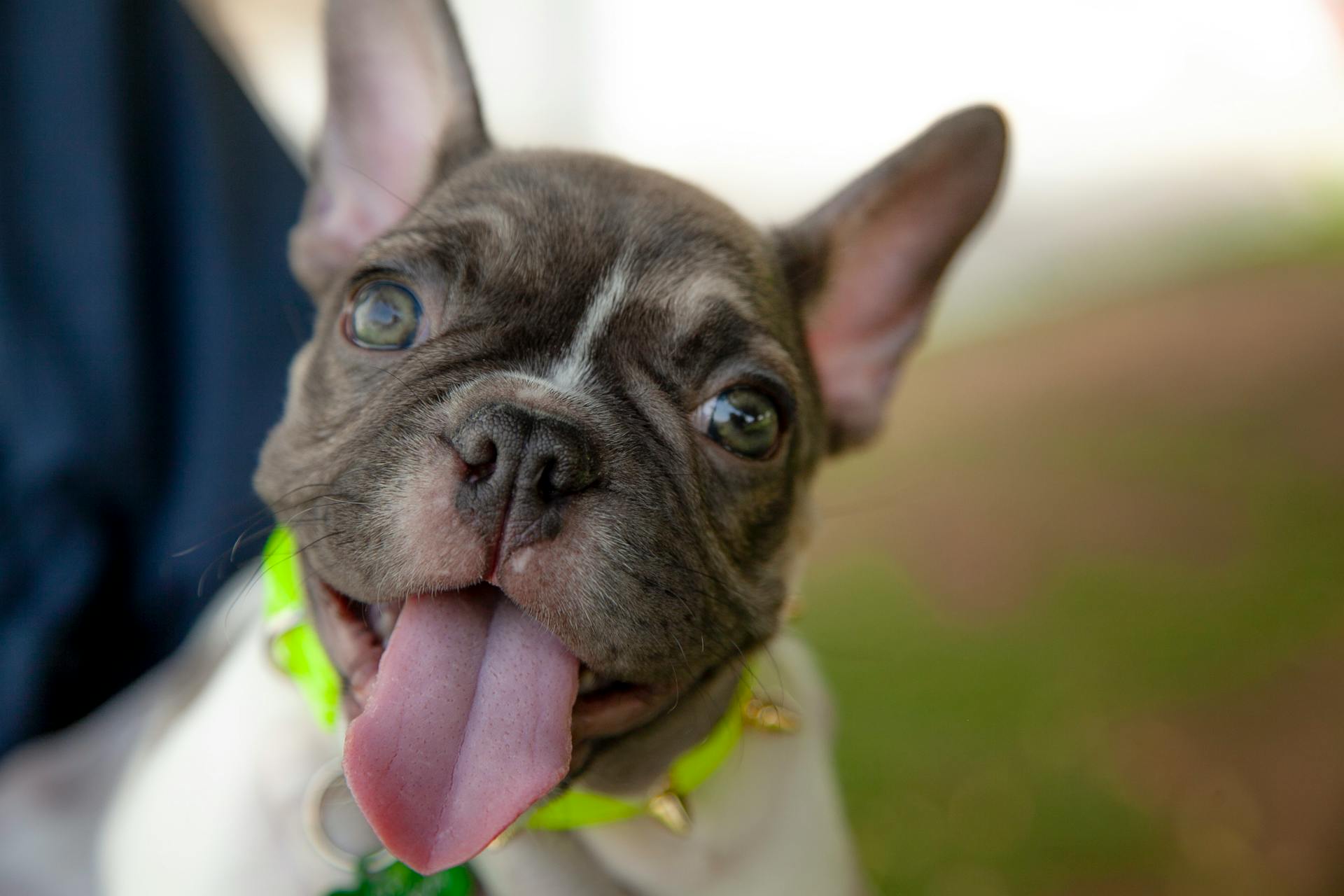
Environmental symptoms in French Bulldogs can be a real challenge to deal with. Frenchies can develop environmental allergies due to factors like dust mites, animal dander, pollen, and mold spores.
These allergens can trigger an allergic reaction, causing your Frenchie to release excess histamine, leading to symptoms like itching, scratching, and skin irritation.
Frenchies usually develop environmental allergies between the ages of three and six, and they can present themselves as atopic dermatitis, hay fever, asthma, or irritated scabbed skin, and rashes.
The most common areas affected by environmental allergies in Frenchies include the groin area or stomach, toes and feet, ears, eyes, nose, or face.
Here are some common symptoms of environmental allergies in Frenchies:
- Groin area or stomach
- Toes and feet
- Ears
- Eyes, nose, or face
It's essential to identify the root cause of your Frenchie's allergies by consulting with a vet through allergy testing or an elimination diet. Common allergens include pollen, dust mites, molds, and flea saliva.
By understanding the environmental factors that trigger your Frenchie's allergies, you can take steps to reduce their exposure and alleviate their symptoms.
Environmental Treatment

Environmental Treatment can be a bit tricky, but with the right approach, you can help your Frenchie feel better.
Corticosteroids and antihistamines are usually prescribed by your vet to prevent scratching, and the strength of the medication depends on the severity of the allergic reaction.
Topical ointments can help heal scabs or open wounds on your dog's skin, reducing irritation. These ointments can be a bit tricky if your dog loves to lick, so it's essential to apply them when your Frenchie is sleepy or distracted for 15-20 minutes.
Symptoms and Treatment of Specific Allergies
French Bulldogs can suffer from various allergies, each with distinct symptoms and treatment options. Food allergies can cause gastrointestinal responses, such as diarrhea and vomiting, as well as skin conditions like itchy hives and rashes.
Food allergies can be managed by identifying and avoiding the allergen, switching to a hypoallergenic diet, and using medication to alleviate symptoms. A limited-ingredient diet may also be recommended to reduce the risk of an allergic reaction.
Intriguing read: Dog Food for French Bulldogs with Allergies
Environmental allergies, on the other hand, can cause atopic dermatitis, leading to skin irritation and excessive scratching, rubbing, and licking. The affected areas often include the groin, toes, feet, ears, eyes, nose, and face.
Flea allergy dermatitis can be prevented by regular flea control and washing your French Bulldog's bedding. If your Frenchie is still experiencing discomfort, your vet may prescribe medication to control the allergic reaction.
Here are some common symptoms and treatment options for specific allergies in French Bulldogs:
Symptoms to Watch For
If your French Bulldog experiences diarrhea, vomiting, itching, or scratching after eating certain types of food, it may be an indication of a food allergy.
Food allergies can cause gastrointestinal symptoms like diarrhea, vomiting, and non-stop flatulence. They can also lead to skin conditions like itchy, painful hives, rashes, bumps, and sores.
Some common skin allergy symptoms in French Bulldogs include pruritis (itching), erythema (redness), skin pimples, blisters, and pustules. They may also experience inflammation and swelling, seborrhea (dandruff), and crusts or scabs on their skin.
If your Frenchie is suffering from an environmental allergy, they may scratch, rub, and lick their affected areas excessively. The most inflamed parts of the body they'll chew, lick, or scratch are the groin area, toes and feet, ears, eyes, nose, or face.
Here are some common symptoms of skin allergies in French Bulldogs:
- Pruritis (itching)
- Erythema (redness)
- Skin pimples, blisters, pustules
- Inflammation and swelling
- Seborrhea (dandruff)
- Crusts or scabs or scaly appearance/feel on the skin surface
- Alopecia (patchy coat or hair loss)
- Skin discoloration or coat staining
- “Scooting” (rubbing the hindquarters on the ground)
- Shaking the head or rubbing or pawing at the ears
- Chewing on the skin or paws
- Odor coming from the paws, ears or hindquarters
- Symptoms of pain including whining, dislike of being touched or petted
- Pyotraumatic dermatitis (sores or hot spots)
Dermatitis
Dermatitis is a common skin condition in French Bulldogs, often caused by allergies. It can manifest as atopic dermatitis, a hyper-sensitive immune system response.
Atopic dermatitis can cause intense itching, scratching, and skin eruptions. French Bulldogs with atopic dermatitis may also develop skin folds, which can trap moisture and create a warm, humid environment perfect for bacterial and fungal growth.
Skin fold dermatitis is a specific type of dermatitis that affects French Bulldogs. It occurs when the skin folds on the face, tail, lips, arm pits, and private areas become infected due to allergies to yeast, bacteria, or food ingredients.
The symptoms of skin fold dermatitis can be severe, including painful hives, rashes, bumps, sores, and hyperpigmentation. Open skin sores are prone to developing bacterial and fungal infections, which can be life-threatening if left untreated.
Here are some common areas affected by skin fold dermatitis in French Bulldogs:
- Groin area or stomach
- Toes and feet
- Ears
- Eyes, nose, or face
Flea allergy dermatitis (FAD) is another common condition caused by an allergic reaction to flea bites. To prevent FAD, regular flea control is essential, using vet-recommended treatments and washing your French Bulldog's bedding regularly.
If your Frenchie is experiencing discomfort due to FAD, your vet may prescribe medication to control the allergic reaction.
Otitis Externa
Otitis externa is an inflammation of the external canal of the ears.
French Bulldogs are particularly prone to otitis externa, with up to half of those suffering from food-related allergies developing the condition.
An acute case of otitis externa can turn chronic over time due to changes in the skin of the external ear canal.
Managing Allergies through Diet and Supplements
Managing allergies through diet and supplements can be a game-changer for your Frenchie. Supplements like omega-3 fatty acids found in fish oil can relieve itchy skin and improve coat health.
Adding probiotics to your pup's regular meals can promote a healthy gut, which can combat allergies associated with food sensitivities. Probiotics are basically food for the good gut bacteria that help your dog's stomach break down, metabolize and make use of their food.
You may need to adjust your dog's diet to treat their skin allergies, which can be linked to known breed food intolerances or outright food allergies. Switching to a fresh or raw food diet or using hybrid reconstituted complete and balanced dog food mixed together with fresh food can help limit exposure to food allergens.
Natural Remedies
French Bulldogs can benefit from natural remedies to alleviate skin allergies.
The Zesty Paws Allergy Immune Bites, a popular allergy maintenance solution, have over 1,800+ positive reviews on Amazon.
Consulting a holistic veterinary practitioner who works with herbs, essential oils, mushrooms, homeopathy, and bodywork can be a good approach to managing French Bulldog skin allergies.
You can also try using household staples like white vinegar and baking soda to help alleviate symptoms.
A naturopathic approach may involve using digestive and immune-boosting ingredients to promote a healthy response to food, skin, seasonal, and environmental allergies.
These natural remedies can be especially helpful for French Bulldog owners who want to explore non-traditional methods for managing their pet's skin allergies.
Change of Diet
Changing your French Bulldog's diet can be a major component of successfully treating skin allergies. This is because food intolerances or allergies are often linked to skin issues in the breed.
Switching to a fresh or raw food diet can help limit exposure to food allergens. This type of diet may also require adding back nutrients in the form of vitamin and mineral supplements.
Using hybrid reconstituted complete and balanced dog food mixed together with fresh food can also be an effective option. This combination can help minimize exposure to problematic ingredients.
Some owners may need to change the food they serve entirely, while others may find that a combination of different diets works best.
Supplements
Supplements can be a valuable addition to your French Bulldog's diet, helping to alleviate allergy symptoms and promote overall health. Omega-3 fatty acids found in fish oil have anti-inflammatory properties that can relieve itchy skin and improve coat health.
Probiotics can promote a healthy gut, which can combat allergies associated with food sensitivities. They work by feeding the good gut bacteria that help your dog's stomach break down and metabolize food.
Adding probiotics or other supplements to your French Bulldog's regular meals can make a big difference in their overall health and allergy symptoms. Consider using products like Neo Bites Allergy Aid Meal Topper, which is packed with prebiotics and novel proteins to help mitigate allergy issues.
French Bulldog allergy supplements often involve probiotics, which can give your dog's immune system an edge in fighting off allergy symptoms. Probiotics may not prevent food-related skin allergies, but they can definitely boost overall health.
Allergy maintenance solutions for Frenchies can include chewable allergy supplements like Zesty Paws Allergy Immune Bites. These grain-free treats contain digestive and immune-boosting ingredients to promote a healthy response to food, skin, seasonal, and environmental allergies.
Featured Images: pexels.com