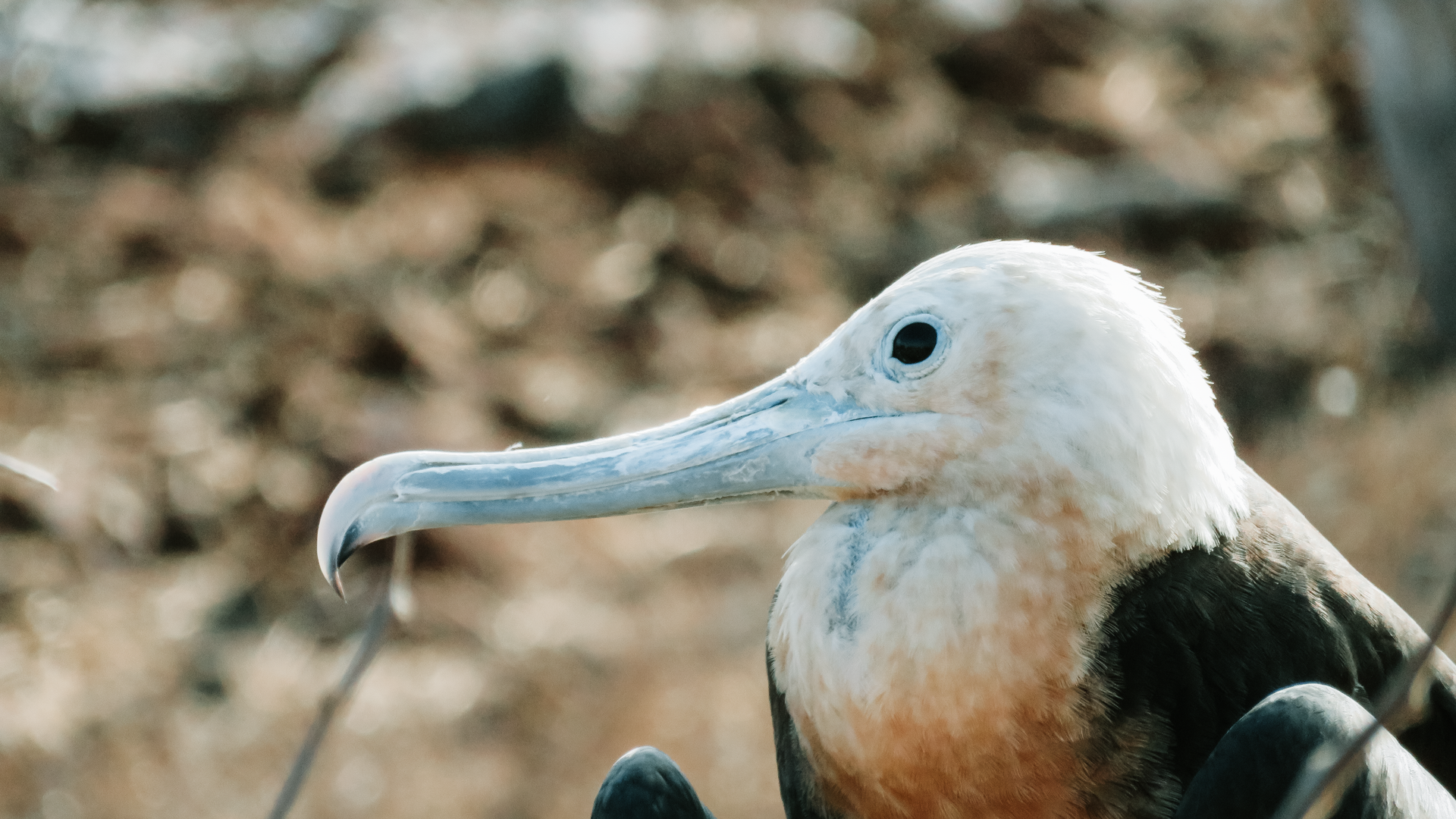
The Great Frigatebird and the Magnificent Frigatebird are two of the most impressive seabirds in the world. They share some similarities, but they also have some key differences.
The Great Frigatebird is a large bird, with a wingspan of up to 7.5 feet. Its wings are long and narrow, perfect for gliding over the ocean.
Both birds are expert gliders, able to stay aloft for hours without flapping their wings. However, the Great Frigatebird tends to be more nomadic, traveling long distances in search of food.
The Magnificent Frigatebird, on the other hand, is found in the tropical waters of the Pacific and Indian Oceans. It's known for its impressive courtship displays, where males inflate their bright red throat pouches to attract females.
Physical Characteristics
The physical characteristics of great frigatebirds and magnificent frigatebirds are quite fascinating. Both species have a unique gular pouch that turns bright red during mating season.
The males of both species have this distinctive pouch, which is balloon-like when inflated. It's used to attract females, and it's a pretty impressive sight to see.
Both varieties of frigate birds are better suited for flight than walking on land, due to their short legs and small feet. Their massive wing to body weight ratio results in an awkward gait.
The magnificent frigate bird is slightly larger than the great frigate bird, measuring 89-114 cm in length. Great frigate birds, on the other hand, average 85 to 105 cm in length.
The magnificent frigate bird also has a slightly larger wingspan, up to 244 cm, compared to the great frigate bird's 205 to 230 cm.
Size
The magnificent frigatebird is larger than the great frigatebird by roughly 2-4 in (4-9 cm) in length, 4-5 in (12-14 cm) in wingspan, and .23-.51 lb (100-140 g) in weight. In both species, the female is slightly larger than the male.
The magnificent frigatebird measures 35-45 in (89-114 cm) long with a wingspan of 85-96 in (217-244 cm), and weighs 2.43-3.51 lb (1,100-1,590 g).
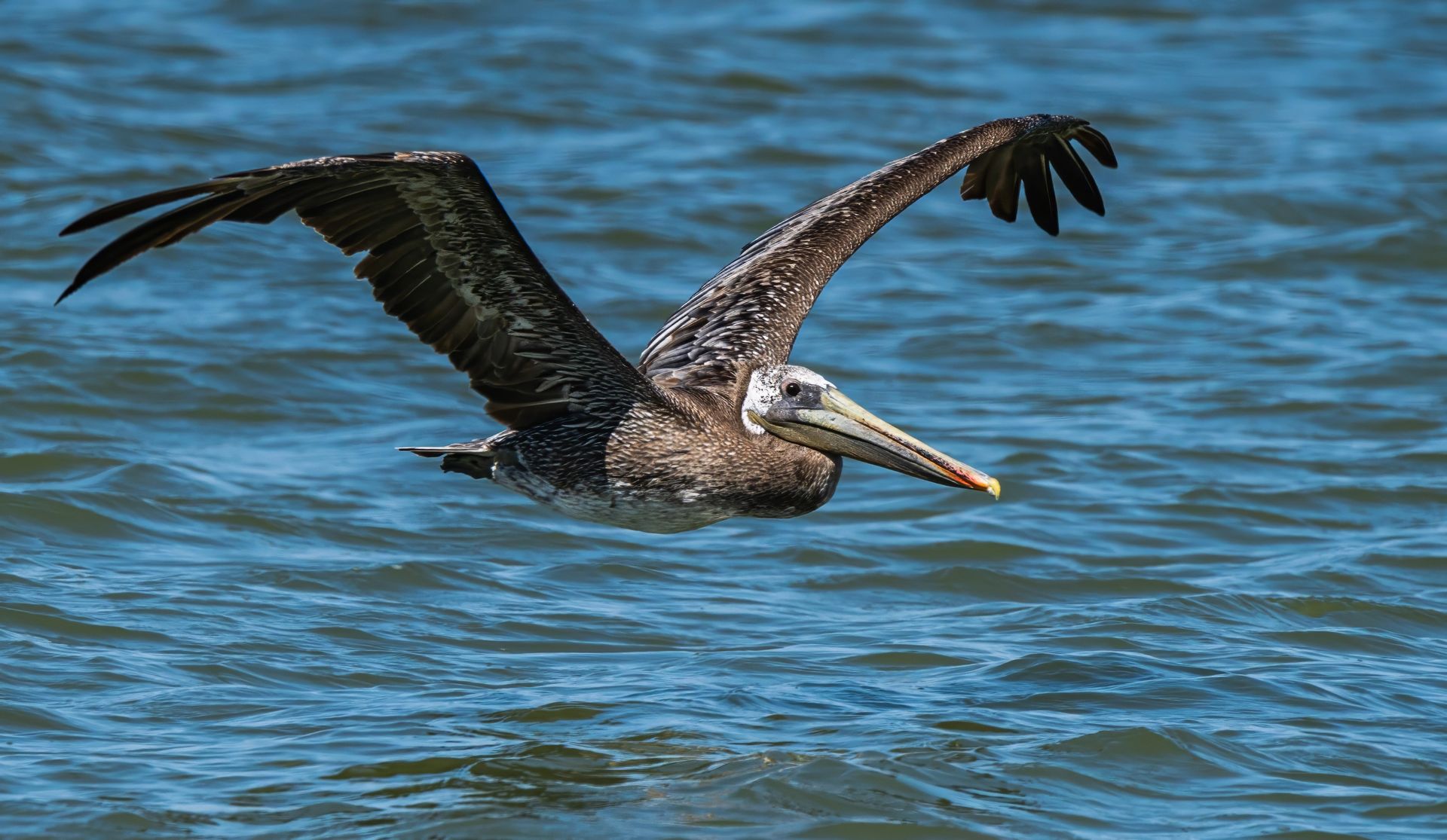
The great frigatebird is slightly smaller, measuring 33-41 in (85-105 cm) long, with a wingspan of 81-91 in (205-230 cm), and weighs 2.20-3.20 lb (1,000-1,450 g).
Here's a comparison of the two species' sizes:
- Magnificent frigatebird: 35-45 in (89-114 cm) long, 85-96 in (217-244 cm) wingspan, 2.43-3.51 lb (1,100-1,590 g) weight
- Great frigatebird: 33-41 in (85-105 cm) long, 81-91 in (205-230 cm) wingspan, 2.20-3.20 lb (1,000-1,450 g) weight
Sound/Call
The magnificent frigate and the great frigate are quite vocal birds. The magnificent frigate makes a drumming or rattling noise.
The great frigate's sound is particularly distinctive, resembling the gobbling noise of a turkey. This unusual call is a notable characteristic of this bird species.
Frequently Asked Questions
What are the different types of frigate birds?
There are five extant species of frigatebirds, with three widespread species and two endangered species that are limited to specific island habitats. The five species include the magnificent, great, lesser, Christmas Island, and Ascension Island frigatebirds.
Featured Images: pexels.com