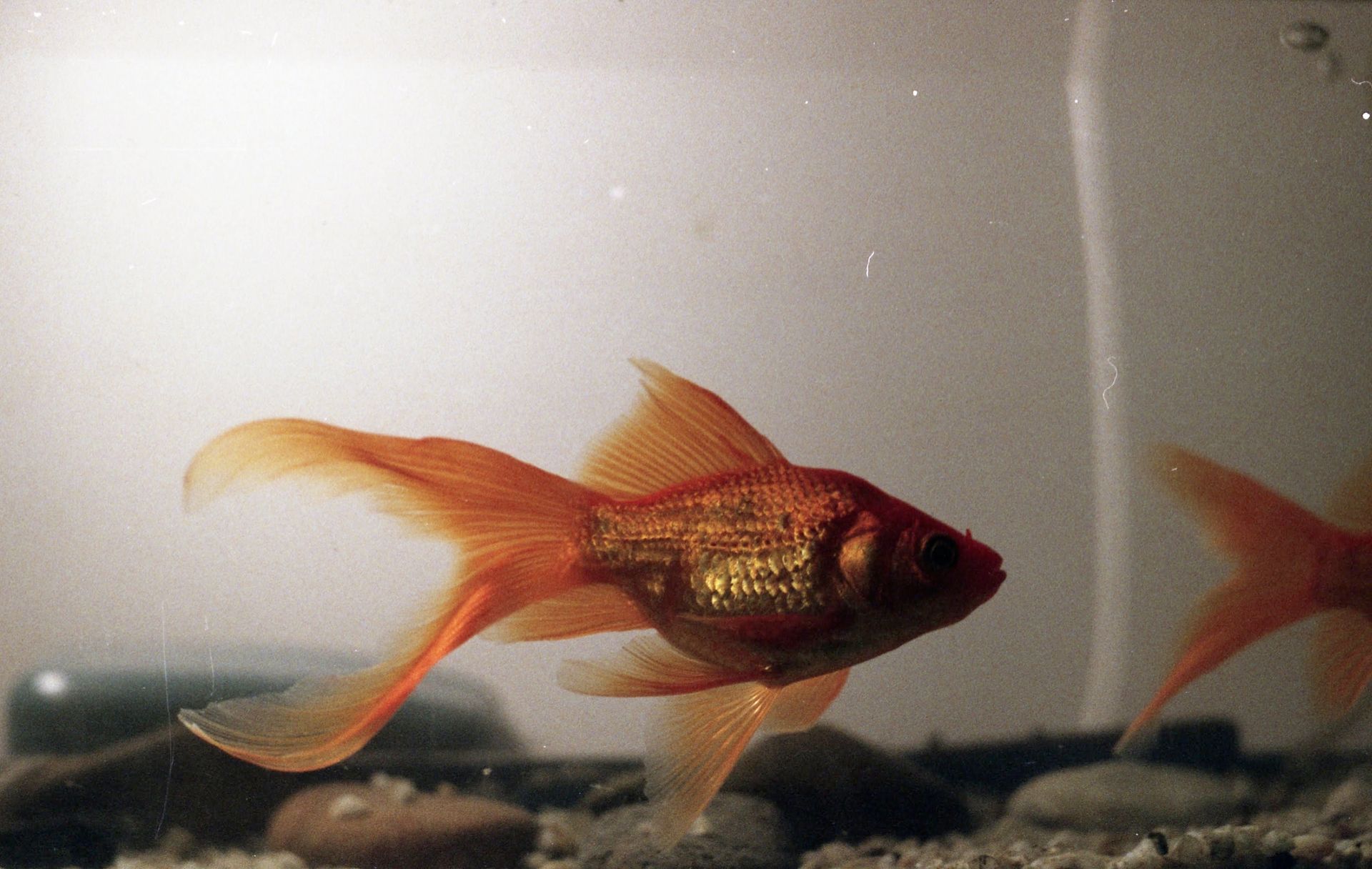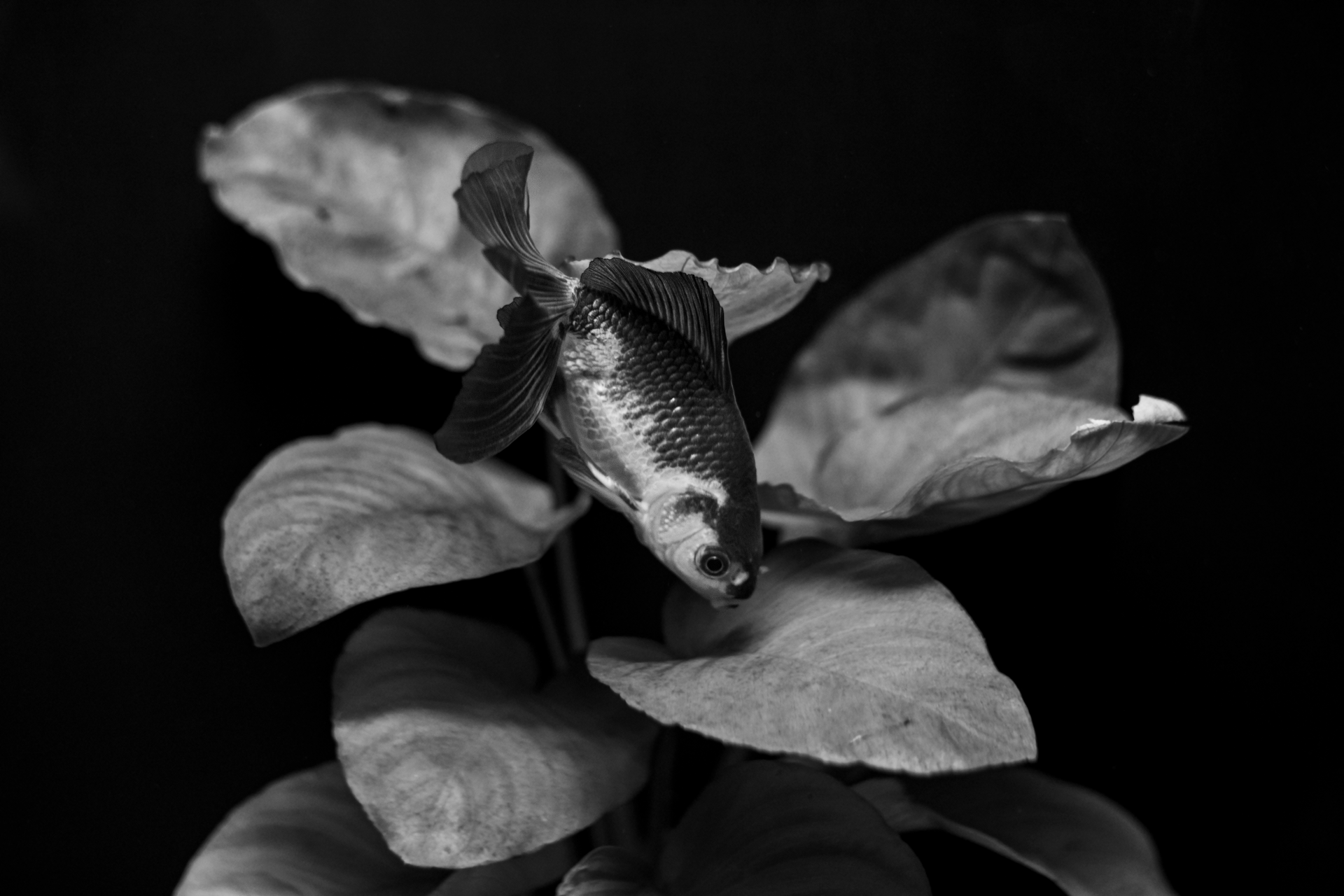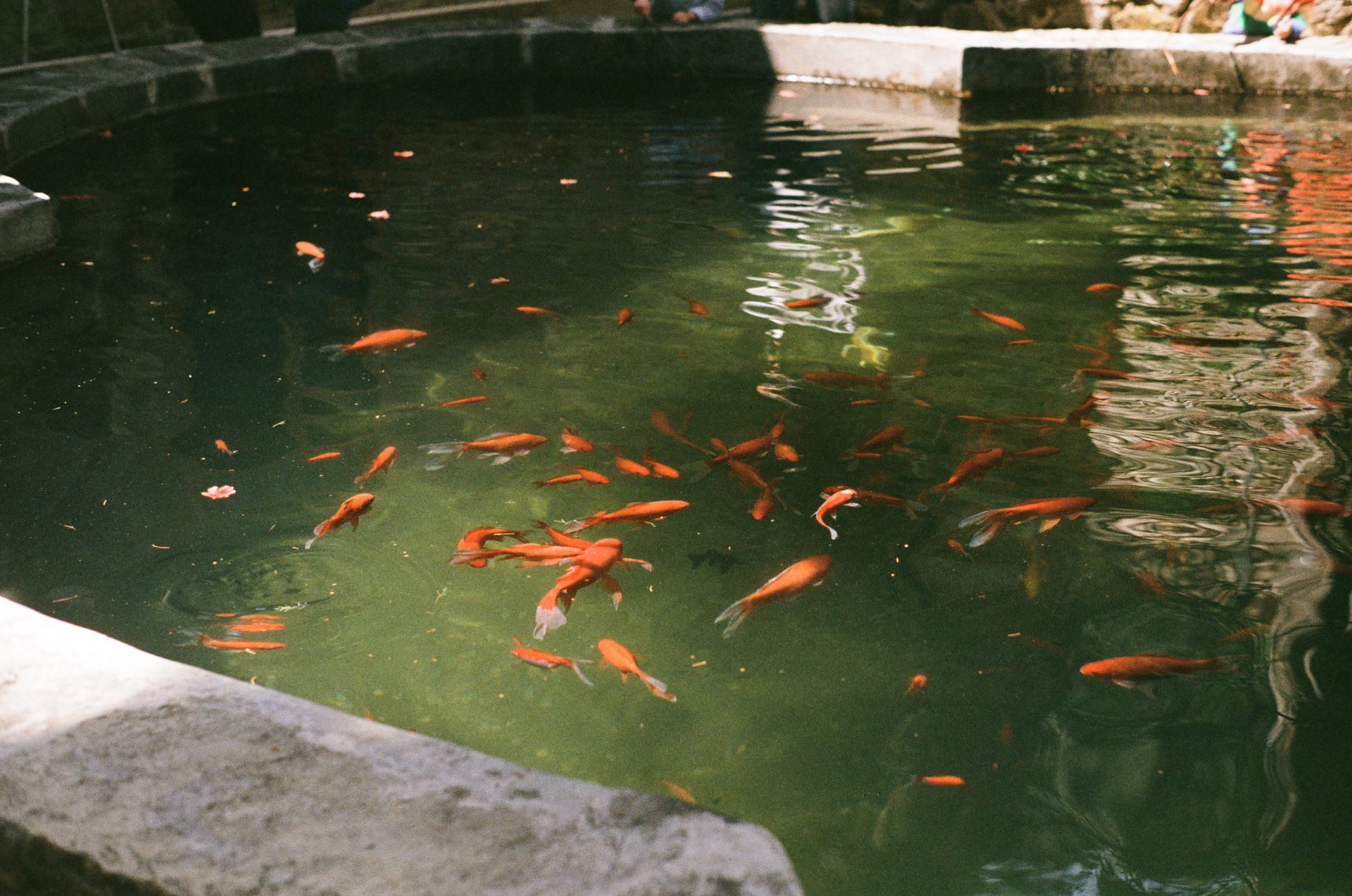
Goldfish are often thought to have extremely short memories, but the truth is more nuanced than that. Research suggests that goldfish have a memory span of around 3-5 months.
In fact, goldfish have been shown to recognize their owners and even learn tricks, such as swimming through mazes or performing on command. This suggests that their memory is more complex and capable than previously thought.
However, goldfish do have a relatively short attention span and can get distracted easily, which may contribute to the perception that they have poor memory. This is likely due to their natural instinct to respond to food and other stimuli in their environment.
Goldfish Cognition Research
In the past decade, researchers have made significant strides in understanding goldfish cognition, revealing their impressive intelligence.
A 2022 study at the University of Oxford found that goldfish can estimate distance by tracking the motion of objects around them through optic flow.
Goldfish are able to navigate their surroundings and remember visual cues, a process that's still not fully understood in humans.
Researchers trained goldfish to swim a set distance through a tank lined with vertical stripes, and tracked how their swimming pattern changed if they altered the pattern of these stripes.
The results of this study suggest that goldfish are capable of performing cognitive functions at a much higher level than previously thought.
In another 2022 study, scientists showed that goldfish can distinguish between photographs of plastic turtles and plastic frogs, indicating their ability to recognize different objects from different angles.
This process is known as object constancy, a key indicator of advanced cognitive abilities.
Recent studies have also explored the role of the pallium, a region of the brain similar to the human hippocampus, in goldfish memory and processing.
However, research has split on which part of the pallium is responsible for storing spatial memory, leaving more questions than answers.
Goldfish with lesions in the pallium performed worse on memory tasks than those without lesions, regardless of which part was altered, according to a late 2023 study.
The Reality of Goldfish Memory
Goldfish memories can last several months, not just a few seconds as many people believe. In fact, research has shown that goldfish can remember things that happened up to five months ago.
The idea that goldfish have short memories likely originated from observing them swimming in small bowls, where each turn seems like a new adventure. However, this charming image conceals a more complex reality.
Goldfish have been trained to perform tasks that require remembering specific events and objects, such as recognizing human faces and even driving a robotic car. These skills demonstrate that goldfish are able to connect events and objects at different points in time, a key indicator of explicit memory.
In a 2022 study, researchers found that goldfish were able to estimate distance by tracking the motion of objects around them, a process known as optic flow. This ability allows goldfish to navigate their surroundings and remember visual cues.
Despite their ability to form memories, the precise origin of which part of the brain goldfish use to store memory and process their surroundings is still unknown. Research has suggested that goldfish may use both parts of the pallium, a region of the brain similar to the hippocampus, for memory.
Goldfish have been shown to remember the layout of their environment, recognize other goldfish, and even adapt their behavior based on prior experiences. These advanced memory abilities redefine our understanding of their intelligence and demonstrate that their learning and retention capacities are far greater than previously believed.
How Reliable Is Memory?
Goldfish memories can last several months, not just a few seconds as many people believe. In fact, research shows that goldfish can remember things that happened as long as five months ago.
The common myth that goldfish have a three-second memory is just that – a myth. Scientists have consistently debunked this notion through various studies, including one where goldfish learned to manipulate a lever to dispense food.
Goldfish have been conditioned to perform tasks at specific times of the day, such as pushing a button for food, and they can remember to do this for weeks. This shows that they have a certain level of cognitive retention.
The key brain structure that allows mammals to form memories, the hippocampus, is absent in fish. However, this doesn't mean goldfish don't have memories at all – it just means they form them differently.
Goldfish have been trained to solve mazes and even drive a makeshift robotic car, demonstrating their ability to connect events and objects at different points in time. This is a key indicator of explicit memory.
In one study, goldfish learned to return to their original feeding spot at a specific time every day, even after being released into the wild. They were able to remember this association for up to five months.
Common Misconceptions
The three-second memory myth about goldfish is a common misconception that's been around for years. It's believed that the lack of a hippocampus in fish means they can't store memories at all.
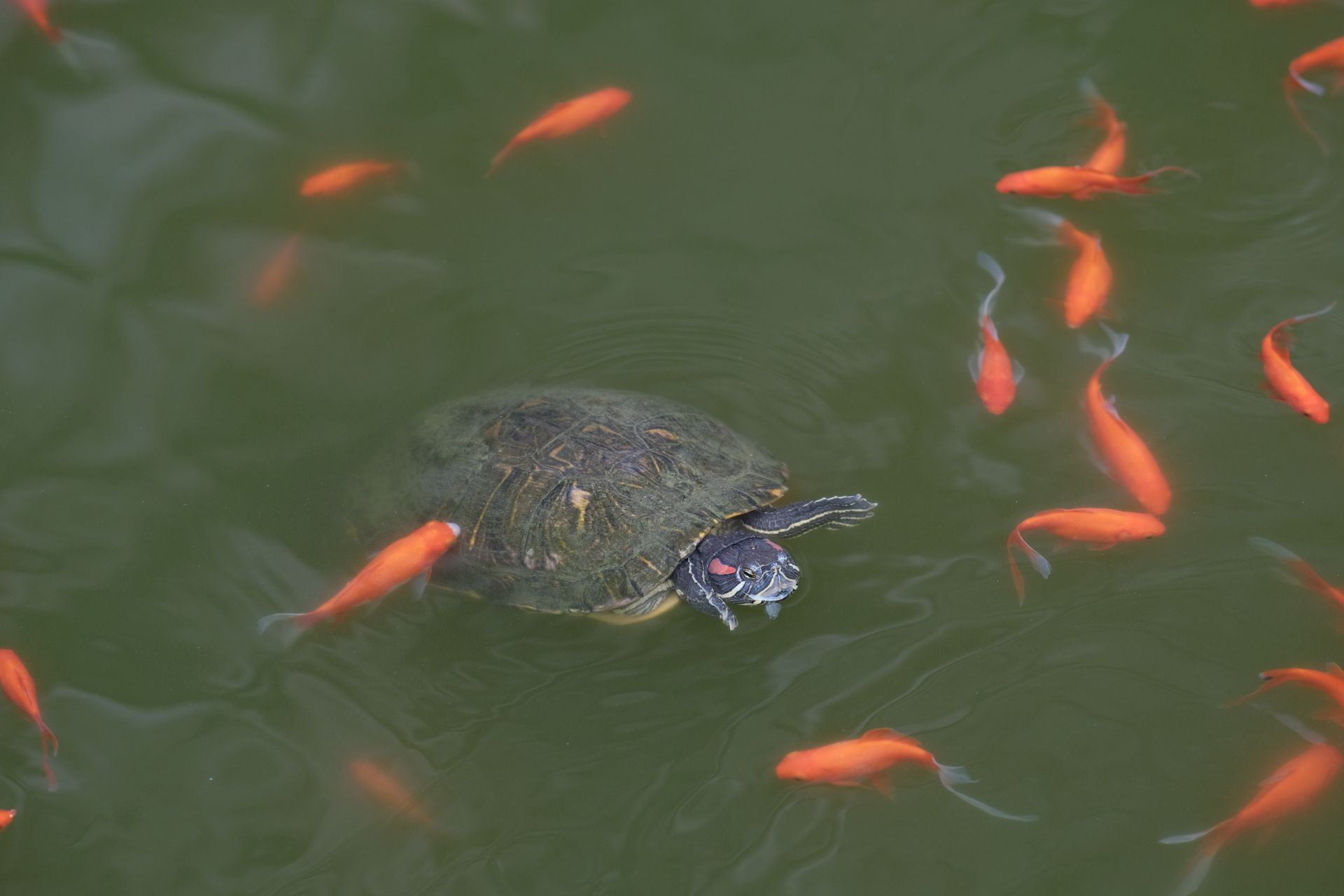
This myth likely originated from keeping goldfish in small, circular bowls that don't provide them with the opportunity to showcase their intelligence. Behavioral ecologist Adelaide Sibeaux suggests that this misconception is due to people not giving fish the chance to show off their smarts.
Goldfish have actually been shown to have much longer memories than three seconds, dating back to research in the 1960s. Scientists at the University of Michigan conducted a study that demonstrated goldfish can improve at a shock-avoidance exercise over multiple trials and days.
In fact, goldfish can remember things that happened as long as five months ago. Researchers have conducted studies that debunk the notion that goldfish are as forgetful as popularly conceived.
One study showed that goldfish can learn to manipulate a lever to dispense food, and even understand a temporal constraint of dispensing food within a one-hour timeframe. They consistently returned to the designated hour to obtain their snack.
The idea that goldfish have short memories has been disproven by multiple studies. Researchers have even trained goldfish to recognize human faces and drive a makeshift robotic car, demonstrating their ability to connect events and objects at different points in time.
Goldfish can remember specific sounds associated with food, and even return to their original feeding spot five months later when they hear the sound.
Featured Images: pexels.com