The Glaucous Winged Gull is a large and impressive bird species. They can grow up to 27 inches in length and weigh between 2.5 and 4.5 pounds.
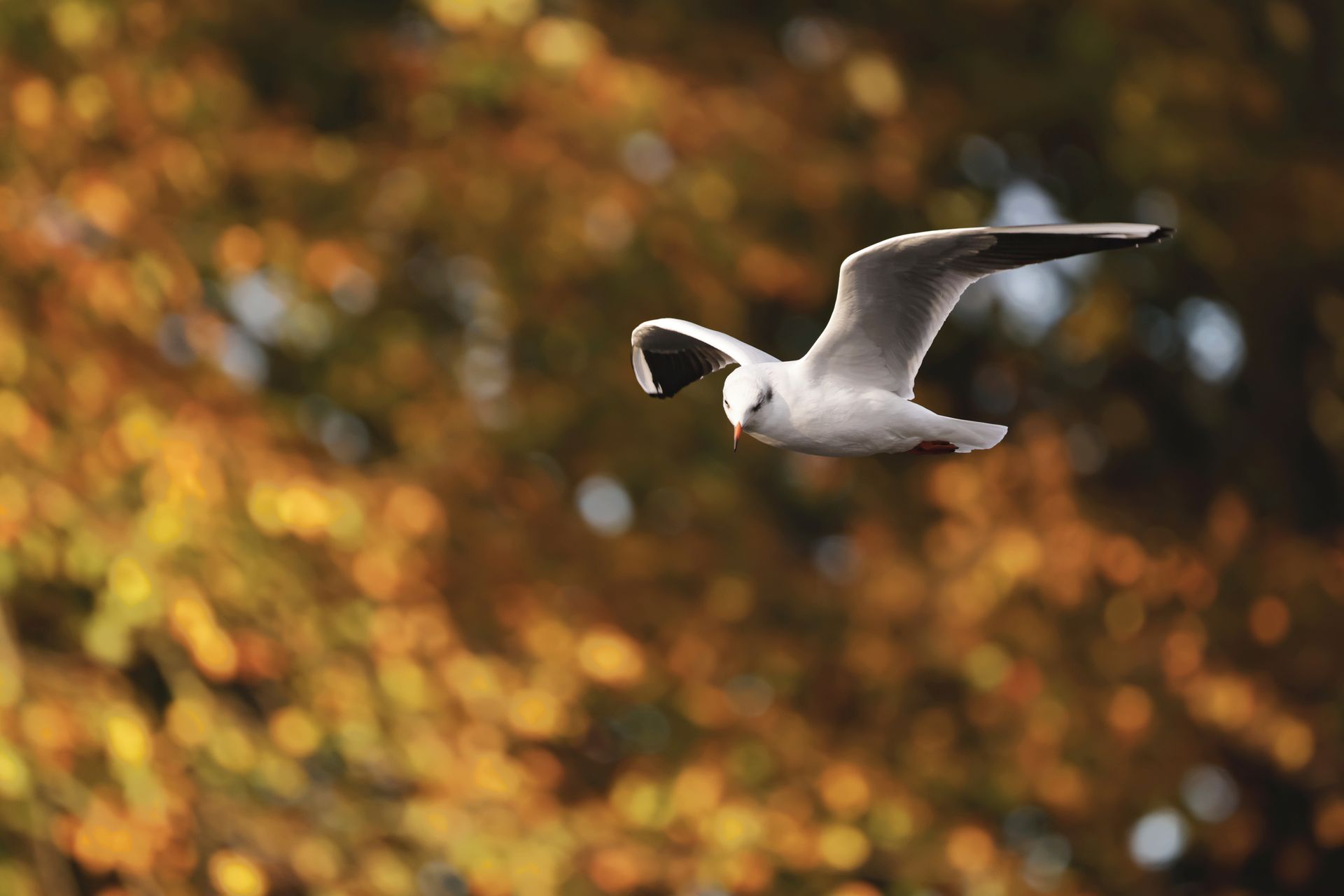
These gulls are known for their distinctive gray and white feathers, with a silvery sheen to their backs. Their wings are long and narrow, perfect for soaring and gliding through the air.
One of the most interesting things about Glaucous Winged Gulls is their diet. They are opportunistic feeders, eating everything from fish and crustaceans to insects and small animals.
Physical Characteristics
The Glaucous-winged Gull is a large bird with a distinctive appearance. Its mantle is a solid gray-blue, covering its back and wings.
In the non-breeding season, the adult Glaucous-winged Gull has a white tail. Its bill is very large and yellow with a red spot. The wingtips are gray or gray-black, not deep black like many other gull species.
The underwings are white with a band of blue-gray. The legs are pink. The eye is dark brown, or rarely yellowish.
During breeding season, the head becomes pure white. The eye also develops a fleshy pink eye-ring.
As a 'four-year gull', it takes four years to reach adult plumage. The juvenile is mottled brown with a dark eye and bill.
For your interest: Blue Winged Parakeet
Habitat and Distribution
Glaucous-winged gulls are commonly found in coastal areas, where you can spot them in bays and estuaries, on beaches and rocky shorelines.
They also frequent freshwater lakes, agricultural fields, cities, and garbage dumps in coastal areas. They're rarely found far from the ocean, and their range spans from the western coast of Alaska to the coast of Washington.
Their nesting habitats are mainly low, flat islands with sandy, rocky, or gravel substrates, but they've also been known to use building roofs in cities along Puget Sound as a nesting spot.
Habitat
Glaucous-winged Gulls are commonly found in bays and estuaries, and on beaches and rocky shorelines. They're also frequent visitors to coastal areas, where you can spot them in agricultural fields, cities, and garbage dumps.
These birds are adaptable and can be found far offshore, but they're less common far inland. They tend to stick to areas near the ocean, where they can feed and nest.
Nesting habitat is mainly low, flat islands, with sandy, rocky, or gravel substrates. Building roofs in cities along Puget Sound have also been used as nesting habitat.
Nests within Puget Sound are usually located in human-altered habitats, while nests along the coast are typically in natural settings.
Washington Locations and Times
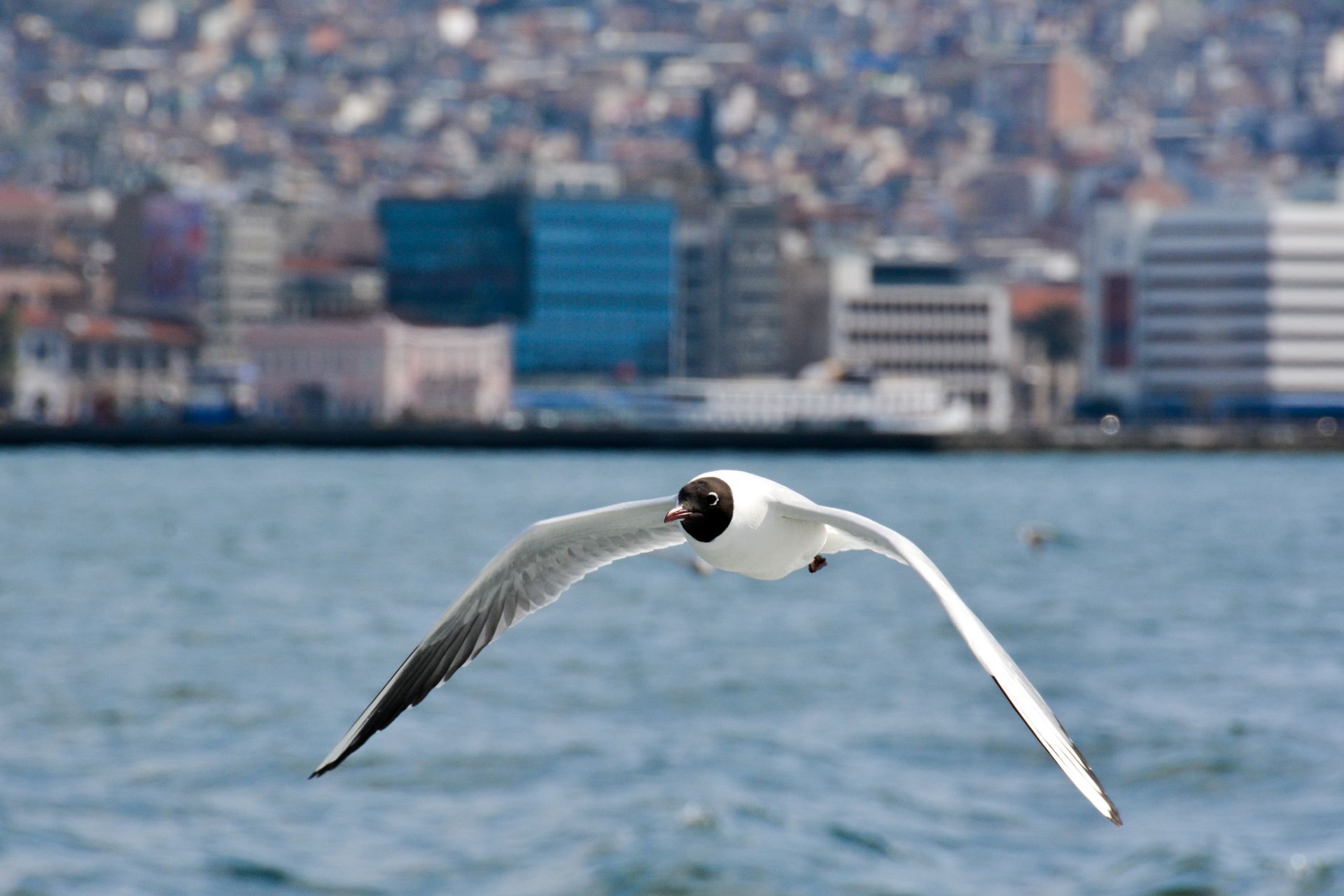
The largest breeding colonies in Washington can be found at various islands along the coast.
Protection, Tatoosh, and Carroll Islands in Clallam County are home to significant breeding colonies.
Gunpowder Island in Pacific County is another notable location for breeding colonies.
East Sand Island in the Columbia River estuary hosts a substantial breeding colony.
Colville, Smith, and Minor Islands in San Juan County are also important breeding grounds.
Destruction Island in Jefferson County is a key location for breeding colonies.
Behavior and Identification
The glaucous-winged gull is a bold bird that forages in a variety of styles, including walking, flying, and swimming.
They've been known to drop shellfish onto rocks from far above to crack them open, and will even steal food from other seabirds and prey on young birds.
In urban areas, they're notorious for approaching picnic tables and scavenging for handouts, and will even peck open unprotected garbage bags in search of edibles.
Their call is a distinctive low-pitched "kak-kak-kak" or "wow", or a more high-pitched wailing sound.
Nonbreeding Adult
The nonbreeding adult of this gull species is a large pale gray bird with distinctive features. They have gray wingtips and a heavy bill, which is a key characteristic to look out for.
One of the most noticeable things about nonbreeding adults is the variable amount of tan smudging on their head and neck. This can make them look a bit worn out.
They have pink legs, which is a great way to tell them apart from other gulls.
Explore further: Population Distribution Pattern of Eastern Gray Squirrel
Behaviour
Glaucous-winged Gulls are quite bold and will approach picnic tables and other human-occupied areas to scavenge for food and handouts.
They're also skilled thieves, stealing food from other seabirds and preying on young birds, especially those nesting nearby. This behavior is a testament to their adaptability and resourcefulness.
These gulls are known to drop shellfish onto rocks and other hard surfaces from far above in order to crack them open, a clever way to access a meal.
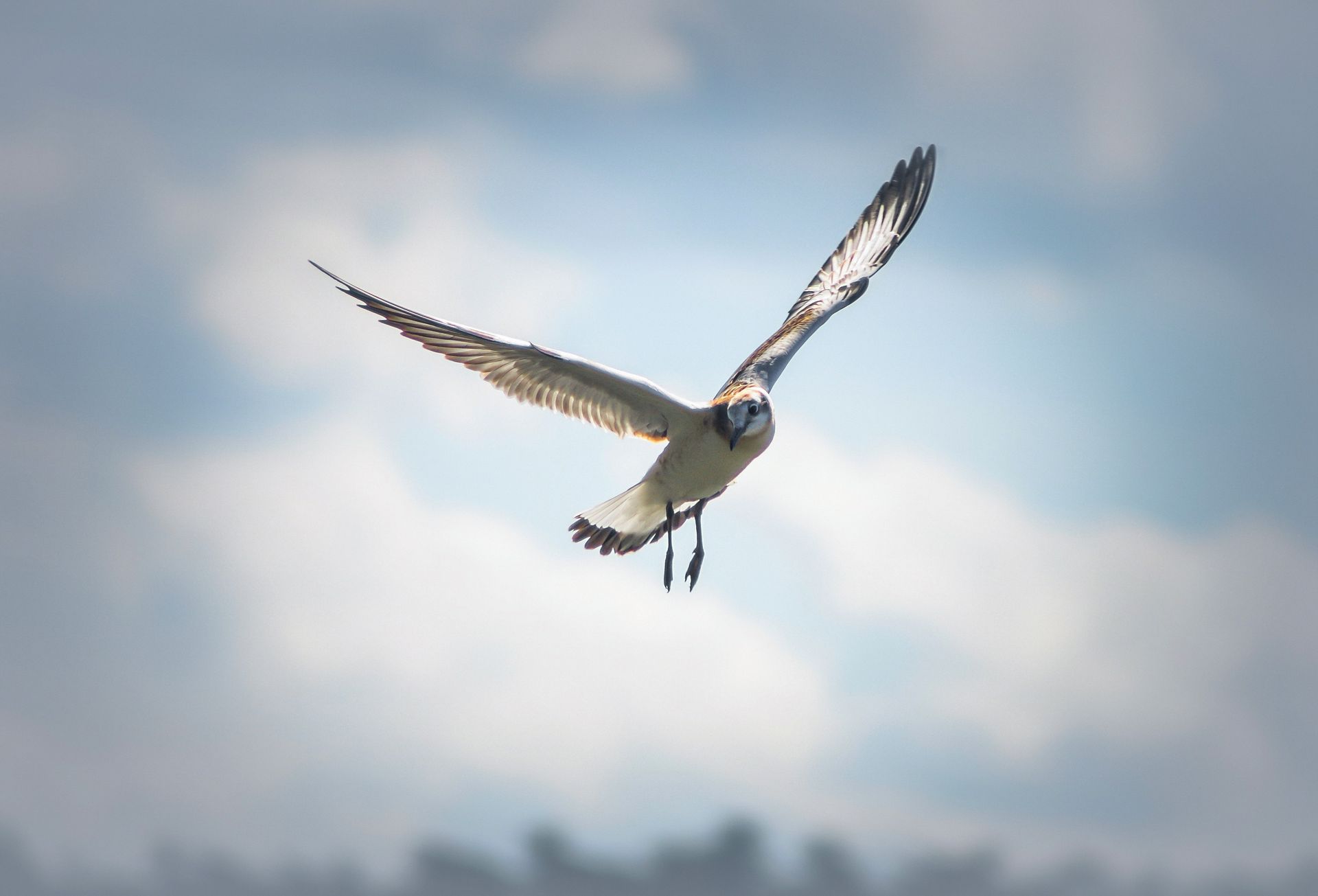
They're also skilled scavengers, feeding along the coast and snatching up dead or weak animals, fish, mussels, and scraps. In urban areas, they're notorious for pecking open unprotected garbage bags in search of edible leftovers.
Their call is a low-pitched "kak-kak-kak" or "wow", or a more high-pitched wailing. If you're trying to spot one, keep an ear out for this distinctive sound.
Here are some key behaviors to look out for:
- Dropping shellfish onto rocks to crack them open
- Stealing food from other seabirds
- Preying on young birds
- Approaching picnic tables and human-occupied areas for handouts
- Pecking open garbage bags in search of edibles
Identification
Identification is a crucial aspect of understanding behavior.
Research suggests that people often identify with groups or communities based on shared interests, values, or experiences.
For example, a study found that individuals who share similar hobbies tend to form close-knit groups, which can influence their behavior and decision-making processes.
People may also identify with certain social norms or expectations, which can shape their behavior and interactions with others.
A notable example is the concept of social identity theory, which proposes that individuals derive a sense of belonging and identity from the groups they belong to.
In many cases, people's behavior is influenced by their identification with certain groups or communities, which can impact their relationships and overall well-being.
Season
Late autumn and early winter is the best time to spot a variety of gulls in Oregon, like I experienced on a field trip to the coast.
The season brings strong storms that drive birds close to shore, making them easier to spot. However, strong east winds can also drive them back out to sea.
In the Portland area, there aren't many places to get close looks at gulls, but I was lucky to spot a mix of species, including California, Ring-billed, Herring, Iceland, Glaucous-winged, Western, and hybrids, all hanging out on a bar in the Willamette River.
Gulls are often found in groups, like the flock of Cackling Geese at Amberglen Park, where the grazing geese were stirring up worms for the gulls.
The diversity of gulls in Oregon during late autumn and early winter is a treat for birdwatchers, with many species to identify and observe.
Worth a look: Conservation-reliant Species
Conservation and Miscellaneous
The Glaucous-winged Gull population in Washington has been steadily increasing, especially in urban areas, with numbers estimated to be around 37,000 birds in 1989.
This growth is largely attributed to the availability of garbage and fish waste, which may be suppressing populations of other seabirds that Glaucous-winged Gulls prey on.
In fact, the population increase has been so significant that it may require management of Glaucous-winged Gulls in the future to ensure the balance of the ecosystem is maintained.
Conservation Status
The Glaucous-winged Gull is the most abundant and widespread gull in Washington, with an estimated population of almost 37,000 birds in 1989.
In Washington, Glaucous-winged Gulls most frequently hybridize with Western Gulls, making it difficult to determine individual species populations.
Population numbers have steadily increased around urban areas in the last few decades, primarily due to the availability of garbage and fish waste.
This increase may be suppressing populations of other seabirds that Glaucous-winged Gulls prey on, which is an issue that needs further study.
The Glaucous-winged Gull is not currently listed as endangered on the Federal Endangered Species List, but it is included on the Audubon/American Bird Conservancy Watch List.
Photos and Videos
Camera traps are an essential tool in wildlife conservation, allowing researchers to capture images of animals in their natural habitats without disrupting them.
The use of camera traps has led to the discovery of new species, such as the saola, a rare and endangered antelope found in Vietnam and Laos.
Photos and videos taken by camera traps have also helped to identify poaching hotspots and inform conservation efforts to protect endangered species.
In one instance, camera trap footage revealed a large-scale poaching operation in Africa, prompting authorities to take swift action and arrest the perpetrators.
By analyzing photos and videos from camera traps, researchers can track animal migration patterns and identify areas of high conservation value.
This information can be used to inform conservation strategies and protect habitats from human development and other threats.
The use of camera traps has also helped to monitor the impact of climate change on wildlife populations, providing valuable insights into the effects of rising temperatures and changing weather patterns.
Gull Information
Glaucous-winged Gulls are a common sight in Puget Sound, with over a dozen species present in the area. They're the only ones that breed in the Sound.
These birds come in a variety of plumages, which can be confusing to identify. Sexual maturity isn't reached until age four or five, and they change plumage every year, molting almost continuously.
Glaucous-winged Gulls are primarily fish-eaters, but they'll also scavenge for carrion and eat small sea creatures like sea stars and urchins. They've even been known to drop hard-shelled invertebrates like clams on rocks to crack them open.
Their nests are made of grass and other vegetation, and they typically lay three eggs that incubate for about four weeks.
2nd Cycle Quiz Answers
The California Gull has a long lean look and its bill is long and thin with a distinct dark band near the tip.
Its body is fairly slender and the dark wings appear very long, making it a distinctive bird to spot.
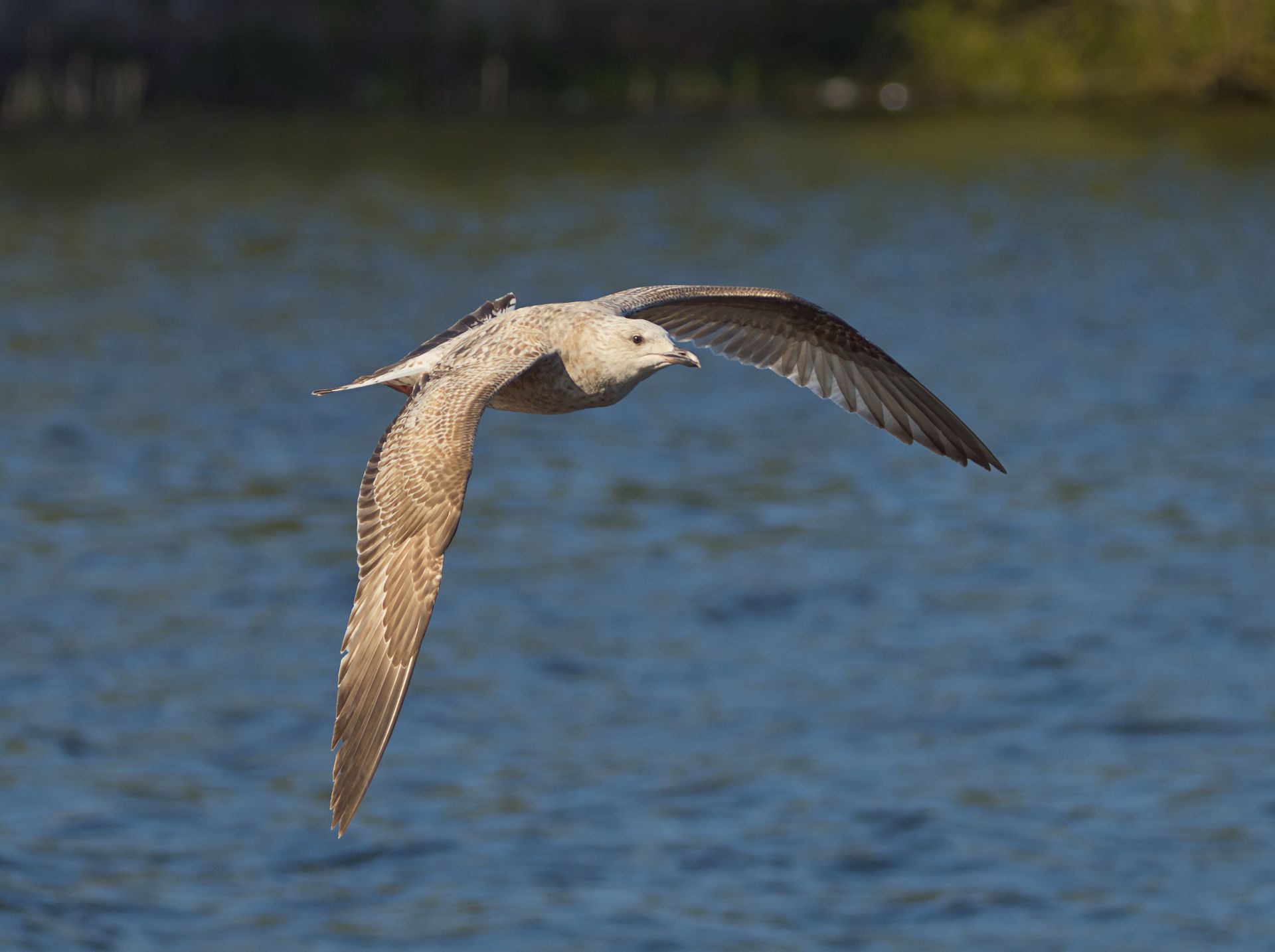
The California Gull's legs are yellowish with a bluish gray color on the joints.
The Western Gull is easily recognizable due to its bulky and dark appearance.
Its bill is very thick and the mantle color seems pretty dark, even in photos with strong light.
The tertials of the Western Gull are blackish, while the primaries and tail are also black.
This much contrast on a large pink-footed gull points toward Western Gull.
The Glaucous-winged Gull shows a general lack of contrast in its plumage.
Its mantle is a little gray, the primaries are a little brown, but everything on this bird blends together really well.
A Glaucous Gull would show lighter primaries, while a Western hybrid would show much darker plumage.
Gull
The Glaucous-winged Gull is a common sight in Puget Sound, and it's the only species of gull that breeds in the area. They can be found in a variety of plumages due to their annual molting process, which begins when they're just four or five years old.
These birds change their plumage every year, growing in more gray and white as they mature, and their bill changes from black to yellow with a red spot. The feet also change from dull to bright pink.
Glaucous-winged Gulls are primarily fish-eaters, but they'll also follow fishing boats to scavenge for food or gather at fish-processing plants for discards. They're known to feed on carrion, including beached squids, whales, and other marine animals.
During low tides, these gulls can be seen striding down the exposed beach, searching for small sea stars, urchins, chitons, limpets, and crustaceans. They've even been observed opening hard-shelled invertebrates like clams by dropping them on rocks from a height.
Glaucous-winged Gulls typically nest in large colonies on islands around Puget Sound, but they may also make do with the top of a dock or an abandoned building near the water if an island isn't available. Each pair's territory is roughly 10 square meters.
Nests are made from grass, vegetation, and flotsam, loosely pulled together, and three eggs are laid and incubated for about four weeks. The young grow quickly, leaving the nest a few days after hatching, and the adults feed them on the nesting territory.
Discover more: Buy Skate Wing Fish
Featured Images: pexels.com