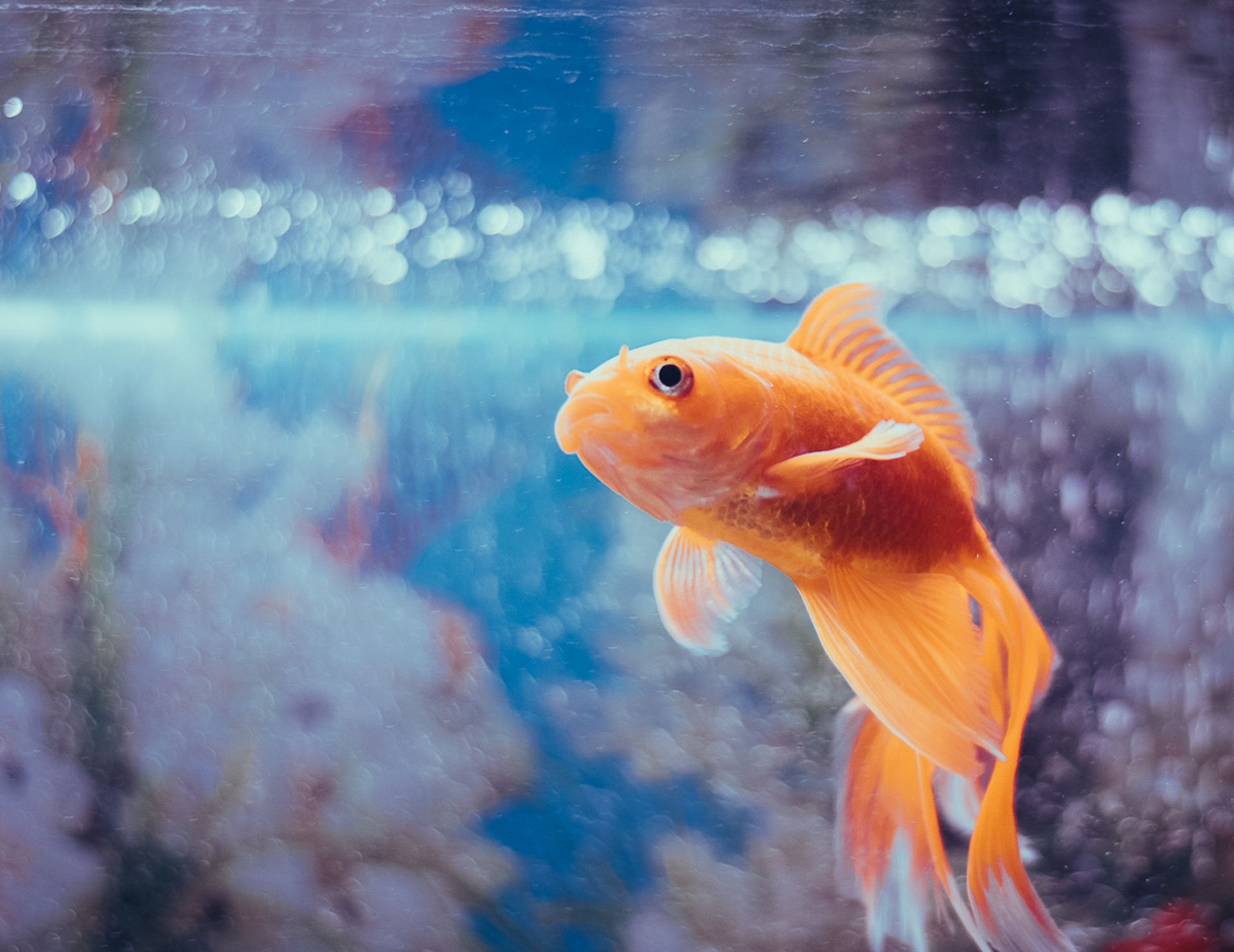
Setting up a thriving fish tank requires attention to a few key essentials. A well-maintained tank is a happy tank, and that starts with regular water changes.
You should aim to change about 25% of the tank's water every week to keep the water quality stable. This helps to remove waste products and excess nutrients that can harm your fish.
A good filter is crucial for maintaining clean water. A filter helps to remove waste and excess food particles, keeping the water clear and safe for your fish.
Proper tank size is also essential, with a minimum tank size of 20 gallons recommended for most fish species. This provides enough space for your fish to swim and thrive.
See what others are reading: How to Take Care of Chinese Fighting Fish
Getting Started
Starting small is tempting, especially with kids involved, but smaller aquariums can be more complicated to take care of. A 10 or 20-gallon tank is a better choice than a tiny desktop aquarium unless you're planning to keep just a Betta.
Larger aquariums are more stable and forgiving of beginner mistakes. They tend to be more stable and less prone to disastrous results when things go wrong.
Wider aquariums provide more surface area for gas exchange and more room for active fish to swim. This is especially beneficial for fish like cichlids and freshwater sharks.
If space is tight, a tall, narrow aquarium might be the way to go. However, they hold fewer fish per gallon and are best suited for less active fish like angelfish and gouramis.
Expand your knowledge: Chinese Fighting Fish Lifespan
Setting Up Your Tank
Setting up your tank is a crucial step in fishkeeping. Make sure to install background material by laying the aquarium face down on a carpeted or protected surface and attaching it using tape or hook and loop strips.
Position the aquarium and stand far enough from the wall to accommodate filters, hoses, and cords. A good rule of thumb is to leave about 6 inches of clearance on either side. This will give you enough room to work with and prevent any messes from getting out of hand.
Intriguing read: Freshwater Aquarium Plants Names
To ensure the stand is level and stable, use wood shims if necessary. This will prevent the tank from rocking or wobbling, which can be a real problem if you're trying to clean the tank or add new fish.
Here's a quick checklist to help you get started:
- Install background material
- Position the aquarium and stand
- Level and stabilize the stand
Remember to rinse gravel with tap water before adding it to the tank. This will help remove any debris or impurities that might affect the health of your fish. Don't use bleach or soap, as these can harm your fish and contaminate the water.
Setting Up Your
When setting up your tank, it's essential to start with a solid foundation. Install background material by laying the aquarium face down on a carpeted or protected surface and attach it using tape or hook and loop strips such as Velcro.
Make sure the stand is level and doesn't rock or wobble. You can use wood shims to level and stabilize the stand if necessary. Position the aquarium and stand far enough from the wall to accommodate filters, hoses, and cords.
On a similar theme: Aquarium Plants Live Freshwater
Rinse gravel with tap water using a colander, wire strainer, or fish net. Don't use bleach, soap, or other cleaning products. This will help prevent any harsh chemicals from harming your future aquatic friends.
Assemble and install the filter in the aquarium, positioning the outflow to provide circulation throughout the aquarium. Don't plug it in yet. This will ensure that your filter is working properly once it's up and running.
Here's a quick checklist to help you remember the steps:
- Install background material
- Level and stabilize the stand
- Rinse gravel with tap water
- Assemble and install the filter
- Position the outflow and heater
Remember to plug in your filter and heater at the right time to avoid any damage or electrical issues. A good rule of thumb is to plug in your filter first, followed by the heater after 30 minutes.
5–15 Days After Setup
Your new fish may hide at first, stressed from being moved from the store and placed in a new environment. Make sure they have plenty of cover and hiding places to make them feel safe and secure.
Feed sparingly, a good rule of thumb is to feed only what the fish can consume in 2 minutes or less. This will prevent overfeeding, which can lead to cloudy water, foaming at the surface, or an odor when you open the aquarium lid.
Test your aquarium water for ammonia and nitrite, even if you do everything right, these levels may begin to rise until the nitrifying bacteria in your filter catch up. Use Aqueon Ammonia Neutralizer or water changes to prevent them from reaching dangerous levels.
Once ammonia and nitrite levels return to zero, your aquarium has completed its first cycle, and you may now introduce additional fish.
15-30 Days After Setup:
As your tank settles in, you'll start to notice some changes. Algae may begin to grow on the glass and other objects in the aquarium, which is a normal sign that the Nitrogen Cycle is becoming established.
To keep algae under control, you can remove it from the glass using a scrub pad or algae scraper. Just be sure to use a clean one that's never been used with soap or chemicals.
Your aquarium's water quality is also crucial during this period. Make sure to test the water regularly for ammonia and nitrite levels, and use Aqueon Ammonia Neutralizer or water changes to prevent them from reaching dangerous levels.
If algae has started to appear, consider introducing algae-eating fish like plecostomus, otocinclus, snails, or other scavengers to help keep it under control.
Here are some tips for adding new fish to your tank:
Remember to test the water before purchasing new fish, and only buy a few at a time. This will help prevent stressing out your fish and ensure a smooth transition to their new home.
If you notice any aggressive behavior among your fish, try rearranging the aquarium décor and adding new decorations to eliminate territorial boundaries. This can help calm down any aggressive fish and create a more harmonious environment.
Dimension
When setting up your tank, the dimension of your aquarium is just as important as the type of fish you'll be keeping. A wider aquarium is ideal for active fish like danios and barbs, who need space to spread out and get along better.
For example, danios and barbs can thrive in wider aquariums because they have room to move around. I've seen it firsthand in my own aquarium, where a group of danios were swimming happily in a 20-gallon tank with plenty of space to dart back and forth.
On the other hand, tall, narrow aquariums are better suited for less active fish like discus, angelfish, and gouramis. These fish are happy to swim in a smaller space and can even thrive in a 10-gallon tank with a tall, narrow shape.
To give you a better idea, here are some general guidelines for aquarium dimensions:
Water Quality and Chemistry
Maintaining good water quality is crucial for the health and well-being of your aquatic pets. Regular partial water changes should be done to remove pollutants and replenish minerals that naturally buffer pH and keep it stable.
A 10% to 25% water change on a weekly basis is a good practice to follow. Changing more than 50% of the water at one time is not recommended.
Plants produce oxygen by day, which contributes to a rise in pH, and they give off carbon dioxide at night, which lowers pH. These fluctuations are more pronounced in tanks that have low buffering capacity or use supplemental CO2.
If your tap water has unusually high pH or alkalinity, consider using a Reverse Osmosis (RO) or Deionized (DI) water.
Water Chemistry
pH is the measure of whether water is acidic, neutral, or basic, and most freshwater aquarium tropical fish do best in a pH range of 6.8 to 7.6.
Regular partial water exchanges are essential to remove pollutants and replenish minerals that naturally buffer pH and keep it stable. This helps prevent pH from dropping too low and stressing aquatic pets.
Minor changes in pH occur between day and night, especially in well-planted tanks, due to plant respiration and photosynthesis. These fluctuations are more pronounced in tanks with low buffering capacity or supplemental CO2.
Tap water pH can be unusually high or low, and using products to modify pH can be stressful to aquatic creatures. Instead, natural methods for adjusting pH, such as regular water exchanges and the use of live plants, are recommended.
The ideal pH range for most fish is 6.8 to 7.6, but some species may require higher or lower levels. To avoid stressing fish, regular pH testing and monitoring are essential.
To maintain stable pH, regular partial water exchanges should be done to remove pollutants and replenish minerals. This helps prevent pH from dropping too low and stressing aquatic pets.
A pH roller coaster can be created by using liquid pH adjusters, making it necessary to keep adding more to maintain the desired pH level.
Chemicals for Problems
Chemicals for Problems can be a tempting solution, but they shouldn't be your first choice for addressing algae issues. They only provide a temporary fix and don't address the root cause of most outbreaks.
Proper filter maintenance is a more effective way to prevent algae growth than relying on chemicals. Regular water changes, suitable lighting, and sensible stocking and feeding practices are also crucial.
Chemical algaecides can be used as a last resort, but always follow product directions and remove carbon and other chemical media from your filter before using them.
Maintenance and Care
Performing basic aquarium maintenance weekly is crucial to maintain optimum conditions for fish and plants. This includes tasks such as water changes, cleaning the filter, and monitoring water parameters.
The volume of water in your tank plays a significant role in maintaining balance. Larger tanks with more water can dilute the effects of systemic shocks, making them easier to maintain. For example, the death of a single fish in a 10-litre tank causes dramatic changes, while the same event in a 400-litre tank has a minor impact.
A balanced food supply is essential to support a stable environment. Nutritional cycles such as the phosphate and nitrogen cycle allow essential elements to thrive. Consumption and waste contribute greatly to these systems, including sulfur, iron, and other micronutrients.
To maintain the nitrogen cycle, filtration is vital. Activated carbon filters absorb nitrogen compounds and other toxins, while biological filters provide a medium for colonization by nitrifying bacteria. New aquaria often have problems associated with the nitrogen cycle due to insufficient beneficial bacteria, known as "New Tank Syndrome."
To overcome this, there are three approaches: the fishless cycle, the silent cycle, and slow growth. The fishless cycle involves adding ammonia to feed the bacteria, while the silent cycle relies on plants to consume nitrogenous waste. Slow growth entails slowly increasing the fish population over 6 to 8 weeks.
Efficient filtration is crucial for maintaining a healthy aquarium. Regular cleaning of the filter is essential, but be careful not to disturb the balance by cleaning too much at once. It's recommended to flush mechanical filters using compatible water to dislodge organic materials while preserving bacteria populations.
Here are some key signs of ammonia stress to look out for:
- Lack of movement and appetite
- Inflammation and redness of the gills, fins, and body
- Gasping for air at the water's surface
By following these practical fish care tips, you can create a thriving environment for your fish and ensure their health and well-being. Regular maintenance and attention to detail are key to a successful aquarium.
Aquatic Life
Freshwater fishkeeping is the most common discipline, with small pet stores often selling a variety of freshwater fish.
Many types of fish are easily raised in captivity, including livebearing fish like mollies and guppies, as well as cichlids, catfish, characins, cyprinids, and killifish.
Creating a freshwater aquascape with a focus on aquatic plants is also a popular hobby, where fish and plants coexist in harmony.
Habitat
Aquatic animals need a suitable environment to thrive. Most fish require structure in their habitat to feel safe and establish territory. A well-decorated aquarium helps reduce stress and aggression among fish.
Territorial and semi-aggressive fish tend to quarrel less when there's ample cover. Decorations like rocks, caves, and driftwood can help define territories for cichlids and other territorial fish.
Schooling fish like tetras, barbs, danios, and rasboras enjoy swimming among plants, and choosing darker colored plants helps accent their bright colors. For surface-oriented fish like gouramis, hatchetfish, and livebearers, use plants that are taller than the aquarium to create overhangs.
Some fish, like redtails, rainbow sharks, and certain types of cichlids, loaches, catfish, and plecostomus, find refuge in hollow logs, caves, and ornaments. They'll often patrol the entrances to their lairs and ward off any fish that come too close.
Here are some popular aquarium decorations for different types of fish:
Remember to consider the needs of your fish when decorating your aquarium. With the right decorations, you can create a thriving and stress-free environment for your aquatic animals.
Nutrition and Feeding
Feeding your aquarium fish is a crucial part of their care, and understanding their natural feeding habits is key to providing them with the right food.
Most fish are either herbivores, carnivores, or omnivores, and knowing their dietary preferences will help you choose the right food for them. In nature, herbivores feed on plant matter, carnivores feed on meaty foods, and omnivores eat a mix of both.
A general rule of thumb is to feed your fish only what they can consume in 2 to 3 minutes. This will prevent uneaten food from polluting the water and causing ammonia and nitrite levels to rise.
Fish will learn to take food wherever it's available, but shy fish may wait until food drifts into their "safe zone". To ensure all fish get enough to eat, try feeding boisterous fish first and then directing food to sheltered areas where shy fish can eat in peace.
In nature, most fish feed in the early morning and at dusk, so it's best to feed your aquarium fish at these times. This will help them learn when "feeding time" is and make mealtime a more natural experience for them.
Some species, like catfish and loaches, are bottom feeders and do best on sinking tablets, wafers, and pellet foods. Others, like surface and mid-water feeders, prefer flakes and some pellet foods that linger at the surface before sinking to the bottom.
Variety is important in your fish's diet, regardless of their species. Even carnivores benefit from some plant matter, and vice versa. So, alternate feedings of meat protein and plant-based foods to keep your fish happy and healthy.
Remember, it's always best to underfeed, especially in new aquariums, and to remove any uneaten food after five minutes to prevent water pollution.
Types of
Types of aquatic life can be broadly divided into three specific disciplines: freshwater, brackish, and marine fishkeeping. Freshwater fishkeeping is the most common of the three.
Freshwater fishkeeping involves keeping fish that originate from freshwater environments, such as goldfish, guppies, and angelfish. Many hobbyists create community tanks containing a variety of compatible species.
Blue-green algae, which appear as a heavy, dark green film or "slime", are actually a form of cyanobacteria that can suffocate live plants and even cause harm to fish. They can be removed by siphoning, but often quickly return.
Filamentous algae, which come in many forms including hair, string, and thread algae, are usually caused by a build-up of phosphate in the water and can be seen clinging to plants and other decorations. Longer forms can be removed by twirling them around a toothbrush.
Green water blooms, which cause the water to turn bright green and very cloudy, are usually caused by high nitrate and phosphate levels, along with excessive light. Many hobbyists try to solve the problem by doing water changes, but the effects are temporary.
Dwarf Freshwater Shrimp
Dwarf Freshwater Shrimp are popular aquarium inhabitants used to control hair and string algae, especially in planted aquariums.
Most species of Dwarf Freshwater Shrimp are best suited to small aquariums.
Amano shrimp (Caridina multidentata) can be kept in most community aquariums.
Because of their small size, most Dwarf Freshwater Shrimp should not be kept with larger fish species.
They're great for keeping algae under control, but be sure to choose the right species for your aquarium's size.
Age
Juvenile fish are usually easy going, even if they are known to become aggressive as adults.
Juvenile fish can often be mixed with a wider selection of tank mates, which they'll accept as they grow and mature.
Oscars and other large predatory fish can coexist with feeder goldfish if they were purchased at the same size.
Both fish will live together peacefully until the predator grows larger and learns to eat other fish.
Gender
Male fish tend to be more territorial and aggressive, particularly when mating. This is especially true for cichlids.
Avoid having more than one male of the same or closely related cichlid species or other territorial species, especially if females are present.
Livebearers should be kept in ratios of 2 to 3 females per male to diffuse the persistent mating behavior of males.
Personalities
Fish personalities are unique and can't be fully predicted, even within the same species. Each fish has its own quirks and behaviors that may not fit the typical mold.
Research is key before introducing new fish to your aquarium, as it helps you prepare for the unexpected. Always leave options for relocating fish that don't get along.
Fish may behave in uncharacteristic ways due to various factors, such as their environment, diet, and social interactions.
Invasive Species
Invasive species can cause serious problems in aquatic ecosystems.
Tropical fish don't survive in temperate climates, but they can thrive in waters similar to their native habitat.
Non-native species can become established in new waters, disrupting their new homes by preying on or competing with native species.
In Florida, various cichlids have become invasive, while goldfish can be found in temperate waters around the world.
The South American suckermouth catfish has been introduced to warm waters globally, causing disruptions to local habitats.
Many marine fish have also been introduced into non-native waters, leading to similar disruptions.
Animal Welfare
Animal Welfare is a crucial aspect of aquatic life conservation. Many species are being pushed to the brink of extinction due to human activities like overfishing and pollution.
Dolphins, for instance, are highly intelligent creatures that can suffer from stress and injury in captivity. In the wild, they can live up to 50 years.
In some parts of the world, sea turtles are caught accidentally in fishing nets and left to suffocate. This can happen to all species of sea turtles, regardless of their age or size.
The impact of pollution on aquatic life is devastating. Plastic waste, in particular, is causing irreparable harm to marine ecosystems.
Coral bleaching, a result of rising water temperatures, can be fatal to coral reefs. This can have a ripple effect throughout the entire ecosystem.
Disease Prevention and Control
Maintaining proper water chemistry and good water quality is crucial to preventing health problems in your fish.
Proper water chemistry and good water quality can be achieved by regularly testing and adjusting your water parameters, and performing partial water changes.
Feeding a varied diet of high-quality fish foods is essential for keeping your fish healthy.
Aqueon PRO Revitanew Formula is a great food to feed a few times a week to maintain the immune system of your fish.
Regular observation of your fish is key to recognizing problems early on.
Look for white spots, cloudy eyes, bloody patches, a white body film, or torn, ragged fins when observing your fish.
Fish do not normally gasp at the surface, so if you notice this behavior, it's likely due to poor oxygenation, high nitrite levels, parasites, or damage to their gills.
Loss of color, shimmying, rubbing against decorations or the substrate, cowering, refusing food, or dashing erratically around the aquarium are all cause for concern.
If you notice any of these abnormal behaviors, talk to an aquarium expert as soon as possible for assistance with diagnosis and treatment.
Equipment and Supplies
To keep your aquarium healthy and thriving, you'll need some essential equipment and supplies. One of the most critical pieces of equipment is a UV sterilizer, which can help kill disease-causing organisms and keep your water crystal clear.
You can choose from a variety of UV sterilizers, such as the Coralife Turbo-Twist UV Sterilizers, which come in three sizes to accommodate aquariums up to 500 gallons. These sterilizers should be replaced every 10 months or after 7,000 hours of operation to maintain peak performance.
In addition to UV sterilizers, you'll also need a heater to maintain a stable water temperature. The Aqueon Heater Guide recommends the following wattage for different aquarium sizes: 50 watt for 5-10 gallon tanks, 100 watt for 20 gallon tanks, and 200 watt for 75 gallon tanks.
Glass vs Acrylic
Glass aquariums are a great option, they don't warp or scratch easily and are less expensive than acrylic tanks.
However, they are more vulnerable to breakage, so you'll want to choose a sturdy stand to support the weight.
Acrylic tanks, on the other hand, are lighter and less prone to breakage, but they are also more expensive.
When choosing a stand for an acrylic or frameless glass tank, make sure to support the entire bottom, not just the edges like you would with a framed glass aquarium.
Selecting Proper Equipment
When choosing the right equipment for your aquarium, it's essential to consider the size of your tank. A larger tank is more stable and forgiving of beginner mistakes, so it's better to start with a 10 or 20-gallon tank rather than a tiny desktop aquarium.
A wider aquarium provides more surface area for gas exchange and more room for active fish to swim. It's also better suited for territorial fish like cichlids and freshwater sharks.
For filtration, you'll want to choose a filter rated for a slightly larger aquarium than you have. This will ensure it can handle the bio-load in your tank, which refers to the number and size of fish and the amount of food being fed each day.
A filter's performance can be affected by the type of fish you keep and your feeding habits. For example, predatory fish produce larger amounts of waste, so you may need a larger filter. Fish that are fed three times a day create more waste than those fed once a day.
Choosing the right light is crucial for your aquarium's health. Different types of fish and plants require different lighting conditions, so make sure to research what's best for your tank.
Here's a rough guide to selecting a heater based on your aquarium's size:
Remember, the key to selecting the right equipment is to research what's best for your specific tank and its inhabitants. Don't be afraid to ask for advice from experienced aquarists or consult online resources for more information.
Lighting
Choosing the right light for your aquarium can be overwhelming, especially for beginners. Choosing the best light fixture depends on the needs of the animals and plants you'll be keeping, the size and dimensions of your aquarium, and your budget.
Light intensity and spectrum are crucial for aquariums, especially for live plants. Not all light is created equal, and intensity refers to how strong or bright a light is. Spectrum is a way of describing the mixture of different colors – or wavelengths – a light produces.
Most freshwater aquarium lights are rated between 5,500 and 8,000 Kelvin, which affects the color temperature of the light. A Kelvin rating of 5,500 to 6,500 produces a yellowish or warm effect, while a rating of 7,000 to 8,000 produces a crisp bluish-white or cool light.
Intensity and spectrum are less important in aquariums with artificial plants or in non-planted tanks. In fact, a light that's too intense can promote algae growth, especially in non-planted tanks.
Water depth is a factor to consider when choosing a light fixture, as certain wavelengths penetrate deeper into water than others. This is especially critical for live plants, as they require the right amount of light to thrive.
A good rule of thumb is to let your local dealer know your tank's height and the types of plants you want to keep when getting advice on the best light fixture for your aquarium.
Simple Web Scraper
You can use an old gift card or credit card as a simple web scraper, just like Cory used to use as an algae scraper. It's gentle enough for both glass and acrylic tanks.
This makeshift scraper works best on straight walls, not curved surfaces, and is suitable for softer algae types. Be aware that the cards will delaminate after use, so it's best to reserve them for non-important documents.
Breeding and Aquaculture
Fish breeding is a challenge that attracts many aquarists, and some species reproduce freely in community tanks, but most require special conditions, known as spawning triggers, before they will breed.
The majority of fish lay eggs, known as spawning, and the juvenile fish that emerge are very small and need tiny live food or substitutes to survive.
A fair number of popular aquarium fish are livebearers which produce a small number of relatively large offspring that usually eat fish flakes ground into an appropriate size.
Captive breeding and aquaculture have slowly improved since the Siamese fighting fish was first successfully bred in France in 1893.
Captive breeding for aquaria is concentrated in southern Florida, Singapore, Hong Kong, and Bangkok, with smaller industries in Hawaii and Sri Lanka.
Breeding programs help preserve species that have become rare or extinct in the wild, most notably the Lake Victoria cichlids.
Captive breeding has reduced prices for hobbyists, but cultured animals remain more expensive.
Some species have also become important as laboratory animals, such as cichlids, poecilids, and zebra danios, which are especially important for studies on learning, mating, and social behavior.
Fish that practice parental care, mostly cichlids, become especially defensive at breeding time and will take over and control large areas of the aquarium, pushing all other inhabitants into a far corner.
Industry and Suppliers
The fishkeeping industry is a multibillion-dollar industry worldwide, with the United States being the largest market. The US Census Bureau found that 10.6% of U.S. households owned ornamental freshwater or saltwater fish in 1993.
Southeast Asia and Japan were the top suppliers of ornamental fish to the US from 1989 to 1992, accounting for almost 79% of all U.S. imports. The top five exporting nations were Singapore, Thailand, the Philippines, Hong Kong, and Indonesia.
In 1992, approximately 200 million fish worth $44.7 million were imported into the US, with freshwater fish accounting for 96% of the total volume and 80% of the total import value. The top species imported were the guppy, neon tetra, platy, betta, Chinese algae eater, and goldfish.
The aquarium industry is expected to generate revenues over $300 million in 2012 with an annual growth rate of 14%. Southeast Asian countries continue to be the dominant force of exporters, but other regions are starting to show evidence of being able to provide a competitive market.
Here are the top five exporting nations of ornamental fish to the US from 1989 to 1992:
- Singapore
- Thailand
- Philippines
- Hong Kong
- Indonesia
Industry
The fishkeeping industry is a multibillion-dollar industry worldwide. The United States is the largest market, followed by Europe and Japan.
In 1993, 10.6% of U.S. households owned ornamental freshwater or saltwater fish. This percentage is likely to have changed over time, but it gives you an idea of the hobby's popularity back then.
Aquarium products and fishing accounted for US$684 million in 2002, according to census data.
Aquatic Suppliers
The aquatic suppliers play a crucial role in the industry, and it's fascinating to see how far they've come. In the 1990s, Southeast Asia and Japan were the top exporters, accounting for almost 79% of all U.S. ornamental fish imports.
Singapore, Thailand, the Philippines, Hong Kong, and Indonesia were the top five exporting nations, with South America being the second largest exporting region, accounting for 14% of the total annual value. Colombia, Brazil, and Peru were the major suppliers.
In 1992, approximately 200 million fish worth $44.7 million were imported into the United States, comprising 1,539 different species. Freshwater fish accounted for approximately 96% of the total volume and 80% of the total import value.
The top species were freshwater and accounted for 58% of the total imported value. The top imported species are the guppy, neon tetra, platy, betta, Chinese algae eater, and goldfish.
Interestingly, in 1990, only 9.7 million out of 91.9 million U.S. households kept fish, with an average of 8.8 fish per household. This suggests that the U.S. aquarium fish population turns over more than 2.3 times per year.
Today, the ornamental fish trade has expanded significantly, with Southeast Asian countries still being the most dominant force of exporters. However, other countries from the region and even other regions of the world are showing evidence of being able to provide a competitive market.
Here are some of the top exporting countries:
- Sri Lanka
- Malaysia
- Myanmar
- Netherlands
- Czech Republic
Tips and Advice
Visiting your fish's natural habitat can be a game-changer for advanced fishkeepers. You'll get to take temperature and pH readings, and even dig around to find their actual food.
Don't always use RO water straight from the tap. Pure RO water has been stripped of its minerals, and it can pull salts out of fish.
A digital pH tester like a pH pen can be a lifesaver for those who use lots of softwater, like discus keepers. You can even get a permanent pH read-out attached to the tank for added peace of mind.
Trends
Unconventional tank shapes are becoming increasingly popular among aquarium enthusiasts, allowing for unique and creative aquarium design layouts.
Many hobbyists enjoy incorporating live plants into their tanks, which can help purify the water and provide a natural environment for fish.
Some enthusiasts focus on creating specialized tanks for specific types of fish, such as discus, which require large tanks with brackish water to thrive.
Outdoor garden ponds are another trend, often used to keep koi or goldfish in a natural and serene setting.
Hobby: Fun vs Profit
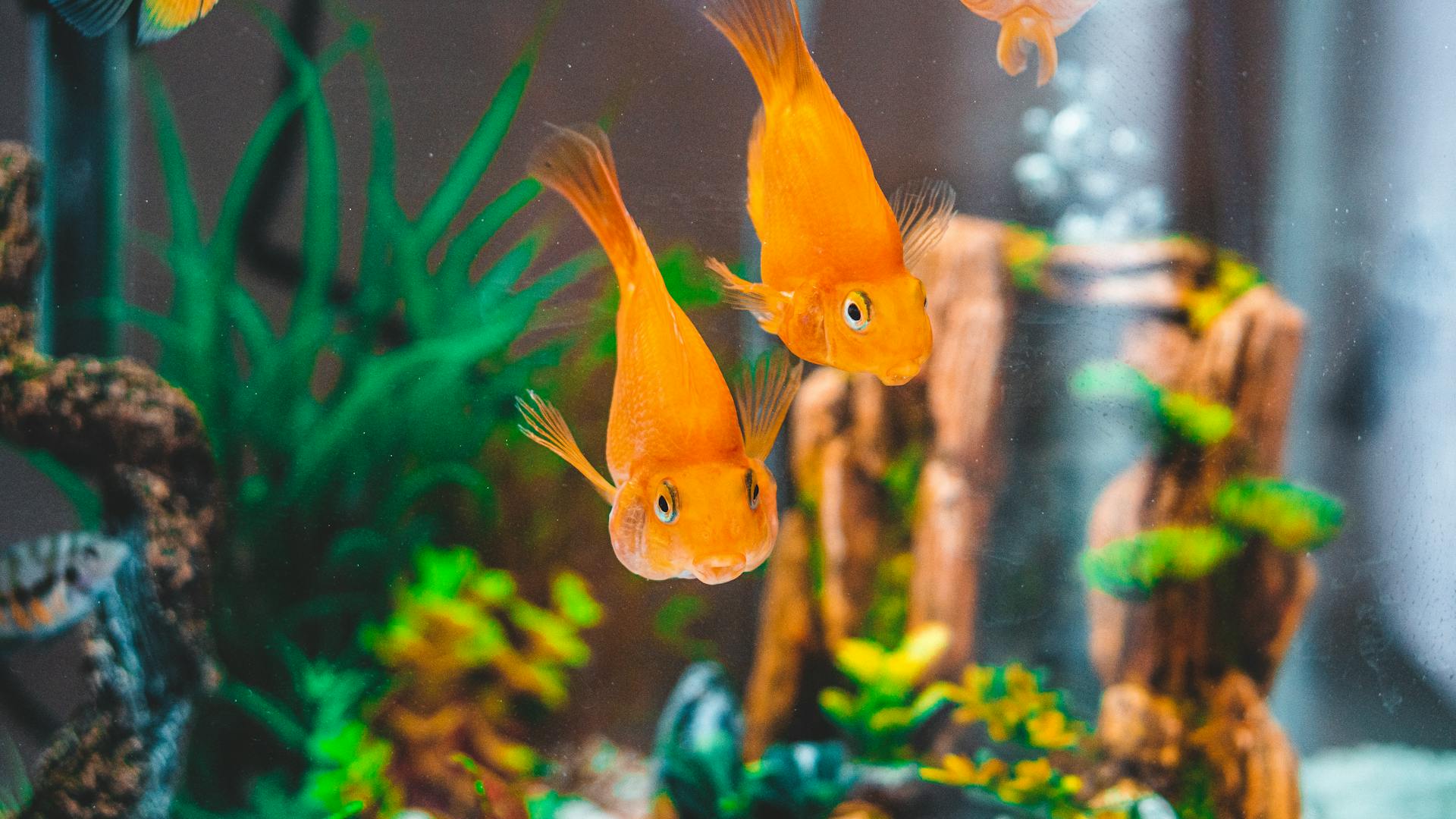
Working with aquariums can be a rewarding hobby that also opens doors to the lucrative pet care industry. Some enthusiasts sell fish or plants they've bred in their tanks, making it a fun way to turn a passion into a profit.
Aquarium maintenance for businesses and public areas is a popular service, offering a way to monetize your hobby. You can also create and sell custom tanks or aquarium accessories.
Small pet shops are a popular business, but they may struggle to compete with large chain pet stores. This highlights the importance of finding a niche or unique selling point to stand out in the market.
Selling fish or plants can be a great way to earn money from your aquarium hobby, but it requires dedication and expertise.
6 Tips for Advanced Keepers
Visiting the natural habitat of your fish can be a game-changer for advanced keepers. You can take temperature and pH readings, take photos of the habitat for aquascaping purposes, dig around and find their actual food, and even catch some fish yourself.
The benefits of using RO water are numerous, but it shouldn't be used neat. Pure RO water has been stripped of its minerals to the point where it is vacuous.
A digital pH tester like a pH pen or a permanent pH read-out attached to the tank is essential for keeping track of pH levels, especially if you're using lots of softwater. This will help you catch any pH crashes before they become a problem.
Chloramine doesn't vent off like chlorine, so letting your water stand is a waste of time. Always use a tapwater treatment that treats chloramine and chlorine when adding new water.
5 On Buying
Buying an aquarium can be a significant investment, but it's essential to consider the costs and benefits. Some enthusiasts may sell fish or plants they've bred in their tanks, which can help offset the expenses.
Aquariums can be a lucrative venture, especially for those with a passion for breeding and selling fish or plants. However, small pet shops may struggle to compete with large chain pet stores.
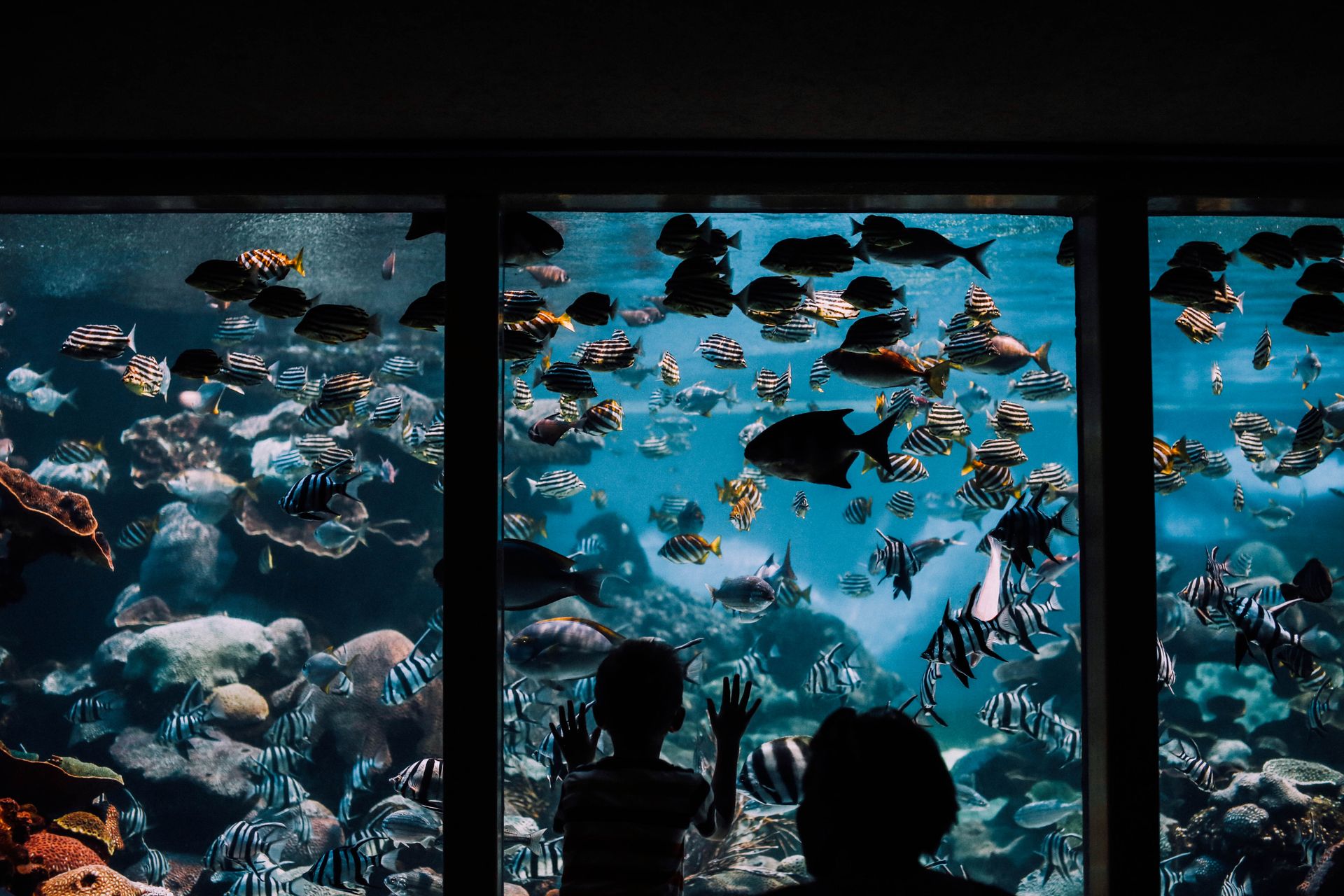
Before making a purchase, it's crucial to research different types of aquariums and their maintenance requirements. Aquarium maintenance for businesses and public areas can be a profitable service, but it also requires a significant amount of expertise and resources.
Small pet shops can thrive by offering custom tanks or aquarium accessories that cater to specific customer needs. By focusing on unique services and products, small businesses can differentiate themselves from larger competitors.
Frequently Asked Questions
What is the meaning of fishkeeping?
Fishkeeping is the practice of caring for fish in aquariums, a hobby with a rich history dating back thousands of years. It involves maintaining a healthy environment for fish to thrive in.
Is fishkeeping an expensive hobby?
While fishkeeping can be costly, especially at the start, it's possible to enjoy aquarium fish on a smaller budget with some smart planning. Learn how to get the best value for your money with our top money-saving hacks.
Featured Images: pexels.com