Feline Hyperesthesia Syndrome in cats is a condition that causes intense sensitivity to touch or stimuli, often leading to frantic behavior. This can be a challenging issue for cat owners to deal with.
Cats with Feline Hyperesthesia Syndrome may exhibit unusual behavior such as rapid breathing, rapid heartbeat, and restlessness.
Hyperesthesia is a Greek word meaning "abnormal sensitivity", which accurately describes the intense reaction cats experience.
The exact cause of Feline Hyperesthesia Syndrome is not yet fully understood, but research suggests it may be related to neurological or genetic factors.
What Is Feline Hyperesthesia Syndrome?
Feline hyperesthesia syndrome is a condition that affects cats, causing them to behave compulsively due to extreme skin sensitivity. This sensitivity can be triggered by a variety of health conditions.
Hyperesthesia is a symptom that can be caused by allergic skin disease, ectoparasites like fleas, neurologic conditions, and psychological issues or behavioral disorders. It's not an emergency or life-threatening condition, but it can negatively affect a cat's quality of life.
Cats with hyperesthesia syndrome may react suddenly and disproportionately when petted, which can be a sign that something is wrong. This reaction can be a red flag for owners to take their cat to the vet.
The causes of hyperesthesia syndrome are diverse, and it's essential to identify the underlying condition that's triggering the sensitivity. Treatment can then be focused on addressing that underlying issue.
Causes and Diagnosis
Feline hyperesthesia syndrome can affect any cat, but it's more common in certain breeds such as Abyssinian, Burmese, Persian, and Siamese cats. FHS is also more frequently seen in younger cats.
The exact cause of feline hyperesthesia syndrome is unknown, but it's thought to be related to dermatological, neurological, or psychological conditions. These may include allergies, immune-system-related disease, seizures, neuropathic pain, and intervertebral disc disease/extrusions.
Veterinary professionals may perform a dermatological workup to identify possible flea allergies or other skin problems. They may also conduct blood work to rule out hyperthyroidism, which can cause increased arousal and overgrooming.
A behavioral evaluation may be necessary to rule out conditions like obsessive-compulsive disorder (OCD). In some cases, medication trials may be used to help diagnose the condition.
The following conditions may be related to feline hyperesthesia syndrome: tail trauma, brain disorders such as epilepsy, spinal disease, muscle problems, and fungal infections.
Common diagnostic tests for feline hyperesthesia syndrome include:
- Physical exam, including a full neurologic examination
- Skin scrapings and skin cytology
- Diagnostic imaging, such as X-rays
- Blood tests
- Urinalysis
- Fecal test
It's essential to rule out other conditions that may cause similar symptoms, such as skin disorders, spinal problems, and forebrain issues. A behavioral history can be a useful diagnostic tool, and information on a cat's tendency towards obsessive-compulsive disorders, anxiety, fear, and over-attachment to its owner can be highly advantageous for diagnosis and treatment.
Physical and Behavioral Signs
Cats with feline hyperesthesia syndrome may exhibit dramatic skin twitching primarily along the back. This can be a distressing sight for owners.
During episodes, cats may suddenly start grooming excessively, often focusing on the affected area. They may also bite at their back, tail, or flank.
Suggestion: Cats Hind Legs Not Working
Some cats may vocalize loudly, while others may appear to be hallucinating. These behaviors can be confusing and concerning for owners.
Cats with hyperesthesia syndrome may also exhibit episodes of hyperactivity, running around the house or jumping suddenly. These bursts of activity can be intense and short-lived.
Here are some common physical and behavioral signs of feline hyperesthesia syndrome:
- Drastic skin twitching along the back
- Excessive grooming, often focusing on the affected area
- Biting at the back, tail, or flank
- Vocalization, including loud meowing and screaming
- Hallucinations or apparent confusion
- Episodes of hyperactivity, including running and jumping
These signs can occur spontaneously, without any apparent trigger. They can also be triggered by touch or other stimuli, which can make them more challenging to manage.
Diagnosis and Testing
Diagnosing feline hyperesthesia syndrome can be a complex and time-consuming process, as it often requires ruling out other possible causes of clinical signs. Your vet may perform a series of tests to identify underlying conditions, such as skin allergies, flea infestations, or spinal problems.
A dermatological workup, including skin scrapings and skin cytology, may be necessary to identify skin conditions that could be contributing to the symptoms. Diagnostic imaging, such as X-rays, may also be recommended to rule out spinal problems or other underlying conditions.
The goal of testing is to identify the underlying cause of the symptoms, which can then be treated accordingly. A treatment plan may include avoiding touching or grooming along the back, environmental modification to manage stress, and medication to address pain, anxiety, or other underlying conditions.
Here are some common tests that may be used to diagnose feline hyperesthesia syndrome:
- Physical exam, including a full neurologic examination
- Skin scrapings and skin cytology
- Diagnostic imaging, such as X-rays
- Blood tests
- Urinalysis
- Fecal test
Keep in mind that every cat is different, and the testing process may vary depending on the individual cat's needs and symptoms.
Diagnostic Approaches
Diagnosing feline hyperesthesia syndrome can be a complex and time-consuming process. Your vet may start by ruling out other possible causes of your cat's behavior, such as skin problems like allergies and parasites.
They may perform a full neurologic examination to check for underlying medical conditions like arthritis of the spine. This is especially important if your cat's tail is the site of self-mutilation.
A series of tests may be recommended to rule out other conditions that could cause similar symptoms. These might include blood tests, skin scrapings, or neurological assessments. Your vet may also check for injuries such as old tail fractures that may be causing nerve or muscle spasms.
On a similar theme: Can Cats Have Turkey Tail Mushrooms
To determine the likelihood that your cat has feline hyperesthesia syndrome, your vet may consider factors such as your cat's age, breed, and sex. For example, if your cat is under a year old and has not reached maturity, it's less likely to have the syndrome.
Here are some diagnostic tests that your vet may perform:
- Physical exam, including a full neurologic examination
- Skin scrapings and skin cytology
- Diagnostic imaging, such as X-rays
- Blood tests
- Urinalysis
- Fecal test
Keep in mind that feline hyperesthesia syndrome can occur in conjunction with other skin, neurologic, or behavioral disorders. Your vet may need to perform a combination of tests to rule out these other conditions.
Cat Diagnosis and Treatment
Diagnosing feline hyperesthesia syndrome can be a complex process, as it often requires ruling out other conditions that may be causing similar symptoms. Your vet may perform a series of tests to identify the underlying cause, including blood tests, skin scrapings, and neurological assessments.
A physical exam, including a full neurologic examination, is often the first step in diagnosing feline hyperesthesia syndrome. This can help identify any underlying medical conditions that may be contributing to the symptoms.
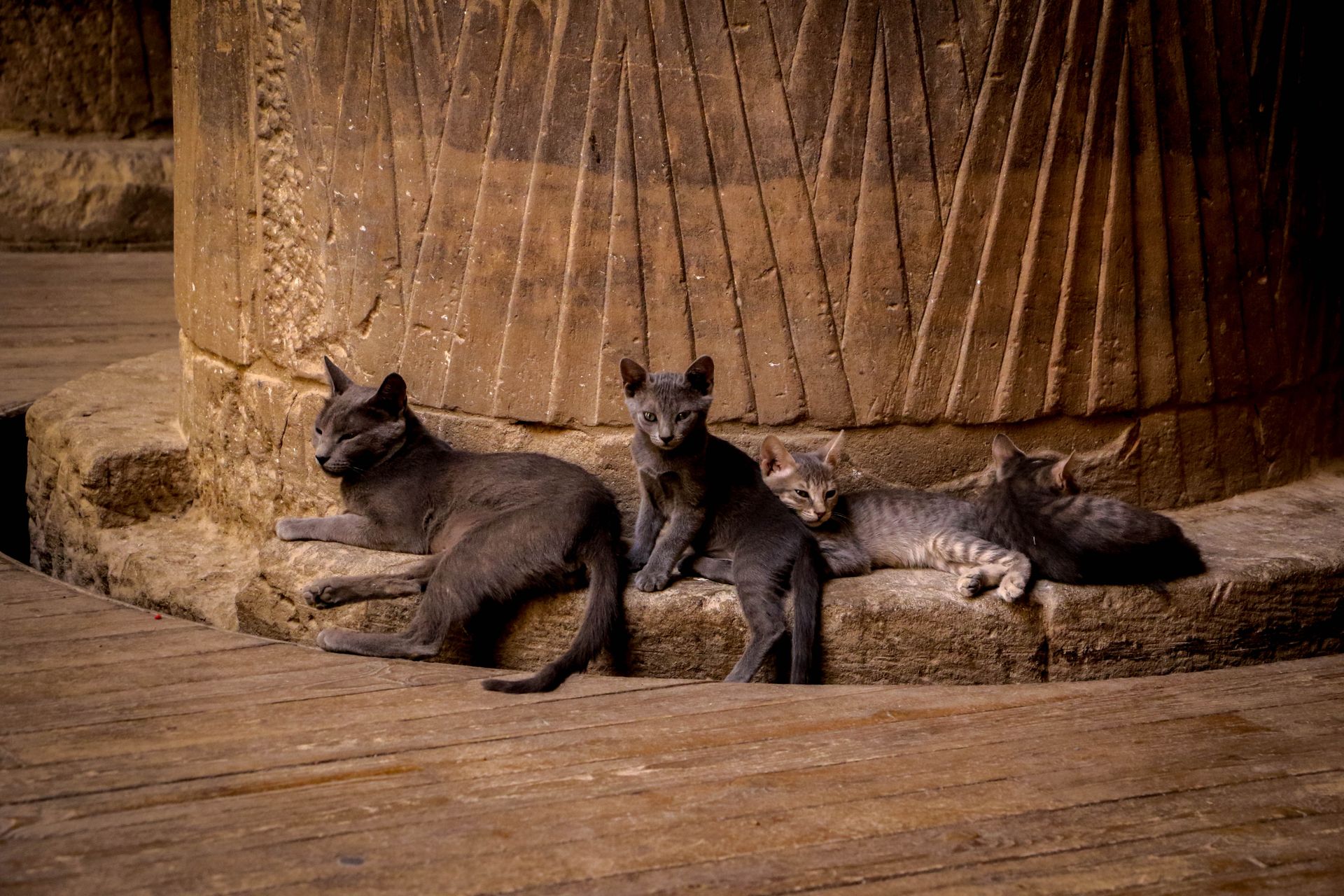
To diagnose feline hyperesthesia, veterinarians may recommend a series of tests to rule out other conditions that could cause similar symptoms. These might include blood tests, skin scrapings, or neurological assessments.
Medication trials may be part of the workup process, as cats can be good at hiding signs of pain or discomfort when they're under stress. If your cat is experiencing a severe episode, it's essential to take them to an emergency vet as soon as possible.
Here are some common diagnostic tests used to diagnose feline hyperesthesia syndrome:
- Physical exam, including a full neurologic examination
- Skin scrapings and skin cytology
- Diagnostic imaging, such as X-rays
- Blood tests
- Urinalysis
- Fecal test
The goal of treatment for hyperesthesia syndrome is to improve quality of life and reduce discomfort. Treatment options may include avoiding touching or grooming along the back, environmental modification to manage stress, and medication to reduce anxiety and pain.
Some common medications used to treat feline hyperesthesia include anti-inflammatory drugs, antiepileptic drugs, and behavior-modifying drugs. Your vet may also recommend a combination of different treatments to help manage your cat's symptoms.
Here are some ways to help manage your cat's anxiety and reduce the frequency of hyperesthesia episodes:
- Establish a regular routine for feeding and playtime
- Provide a safe and comfortable environment for your cat
- Minimize stress and anxiety by separating your cat from other cats
- Use behavior-modifying medications, such as clomipramine and fluoxetine
While there is no cure for feline hyperesthesia, various medical treatments can help manage symptoms. Medications such as anti-seizure drugs, anti-anxiety options, or corticosteroids might be prescribed depending on the cat's condition.
Treatment and Management
Treatment for feline hyperesthesia syndrome often involves a combination of changes to the environment, medication, and behavior modification.
Your veterinarian may recommend changes to the environment to alleviate your cat's anxiety, such as making changes to the home slowly over time.
Medications like gabapentin, which can reduce nerve pain and anxiety, may be prescribed for cats with feline hyperesthesia syndrome.
Behavior modification techniques, such as desensitizing your cat to specific stimuli, may be used to shape behavior and reduce episodes of hyperesthesia.
For cats whose episodes are triggered by stress or anxiety, management will include keeping a low-stress home.
Cats on anti-anxiety medications may require their medications for life.
Preventing hyperesthesia brought on by parasites involves keeping your cat on year-round parasite preventives.
Here are some common treatment options for feline hyperesthesia syndrome:
Establishing routines and minimizing stress in your cat's life can also help manage anxiety and reduce episodes of hyperesthesia.
Some ways to reduce your cat's anxiety include separating them from other cats if they don't get along well, feeding them separately, and closing curtains if the outdoors stress them out.
Treatment for feline hyperesthesia syndrome is variable and will require investigation and diagnostics to determine what is most likely attributing to the condition in each individual cat.
Symptoms may wax and wane over time based on the underlying cause, and hyperesthesia syndrome requires long-term management that may change over time.
Prevention of
Unfortunately, not all cases of Feline Hyperesthesia Syndrome can be prevented, as in many cases, no underlying predisposing cause is found.
While we can't always prevent FHS, being aware of the condition and its potential triggers can help reduce the risk of developing it.
Medical Conditions with Similar Signs
Feline hyperesthesia syndrome can manifest in a variety of ways, making it essential to rule out other medical conditions that may cause similar symptoms. Cats with skin infections may exhibit excessive grooming, twitchy or rolling skin, and signs of discomfort when touched.
Some common conditions that can cause similar clinical signs include skin infections, environmental or food allergies, external parasites, musculoskeletal conditions like arthritis or disc disease, other neurologic conditions, trauma, infectious disease, and epilepsy.
These conditions can cause cats to display symptoms such as compulsive grooming, twitchy or rolling skin, and signs of discomfort when touched. For example, a cat with a skin infection may exhibit excessive grooming due to discomfort or irritation.
Here are some conditions that can cause similar symptoms to feline hyperesthesia syndrome:
- Skin infections
- Environmental or food allergies
- External parasites
- Musculoskeletal conditions, such as arthritis or disc disease
- Other neurologic conditions
- Trauma
- Infectious disease
- Epilepsy
It's crucial to get an accurate diagnosis from a veterinarian to determine the underlying cause of the symptoms, as treatment methods vary between diagnoses.
Breeds and Risk Factors
Any breed of cat can develop hyperesthesia syndrome, but some breeds are more commonly diagnosed with the condition.
The Burmese, Siamese, Abyssinian, and Persian breeds are among those more likely to develop hyperesthesia syndrome.
Most cats diagnosed with hyperesthesia syndrome are typically one to two years old when symptoms first appear, regardless of their breed.
See what others are reading: Types of Cat Breeds with Pictures
When to Seek Veterinary Help
If you notice any of the symptoms of feline hyperesthesia syndrome persisting or worsening, it's time to seek veterinary help. Early diagnosis and intervention can significantly enhance the quality of life for a cat suffering from this condition.
The longer you wait, the more challenging it may be to manage the symptoms and improve your cat's quality of life.
Medical Treatments
Medical Treatments can be a crucial part of managing feline hyperesthesia syndrome. Various medications can help reduce symptoms, but it's essential to work with a veterinarian to determine the best course of treatment.
Gabapentin is a common medical recommendation for cats with FHS, as it can reduce nerve pain and anxiety. Anti-inflammatory drugs, such as prednisolone, may be used if dermatitis or other skin conditions are suspected.
Behavioral modification is also a key component of treatment, which may involve desensitizing your cat to specific stimuli over time. Your veterinarian may recommend different treatment methods based on their personal scientific beliefs and the clinical signs present.
Expand your knowledge: Cost of Chemotherapy for Cats Lymphoma
If behavioral modification doesn't work, pharmacological solutions may be necessary, such as anti-anxiety medications or selective serotonin reuptake inhibitors.
Here are some common types of medications used to treat feline hyperesthesia syndrome:
It's essential to note that treatment for feline hyperesthesia syndrome is often a trial-and-error process, and what works for one cat may not work for another. Regular follow-up appointments with your veterinarian will help determine the most effective treatment plan for your cat.
Frequently Asked Questions
What triggers hyperesthesia in cats?
Hyperesthesia in cats is often triggered by itchy skin conditions, stress, and conflict, which can cause a range of symptoms including sensitivity to touch. This can lead to compulsive behaviors and even seizures in some cases.
How do you fix hyperesthesia in cats?
Treatment for hyperesthesia in cats typically involves addressing the underlying cause and managing symptoms with medications such as anti-seizure, corticosteroid, or anti-anxiety agents. Consult with a veterinarian for a proper diagnosis and treatment plan.
Featured Images: pexels.com