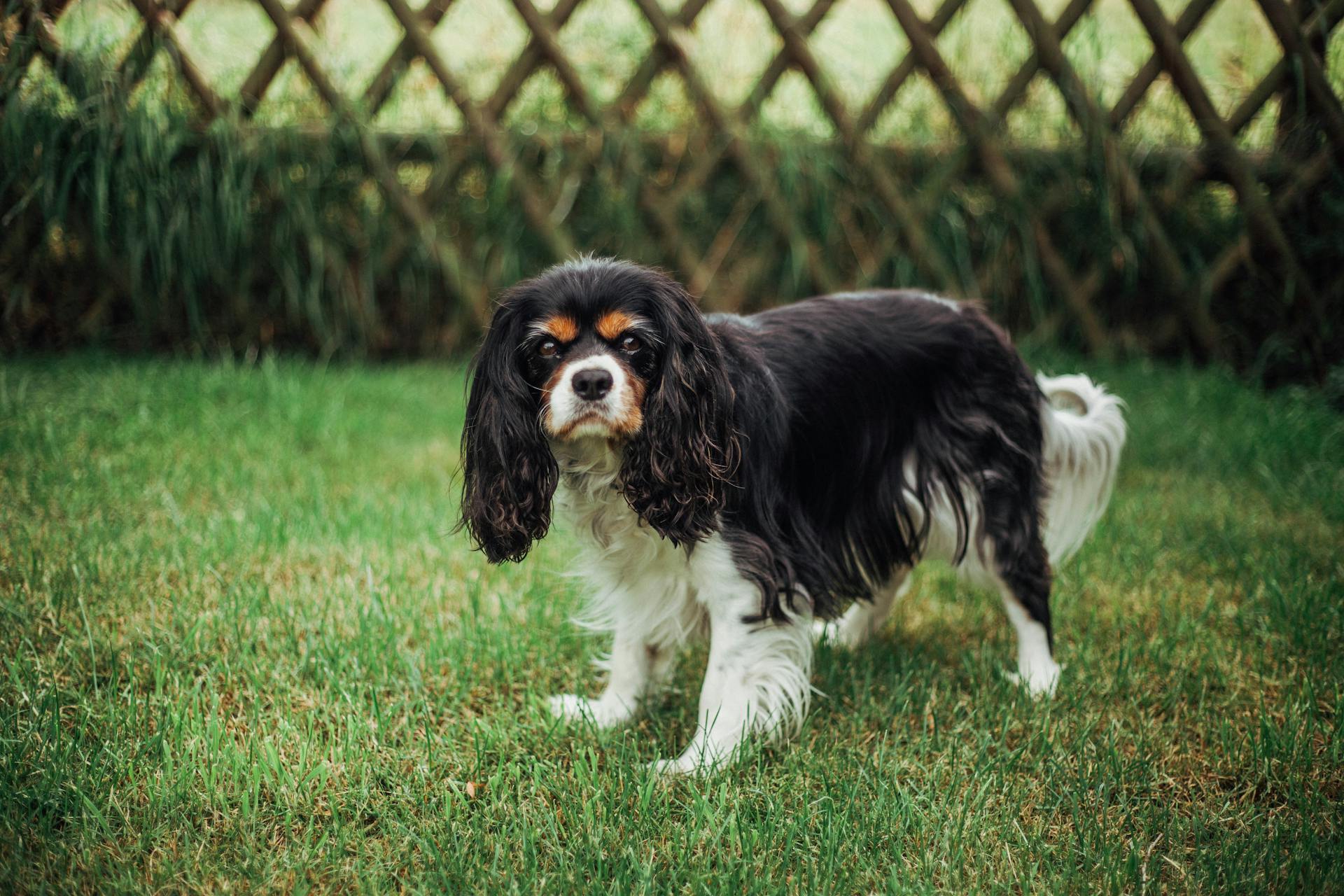
Cavalier King Charles Spaniels are prone to putting on weight, especially as they age. This can lead to a range of health problems.
Their love of food and tendency to overeat are significant contributors to their weight gain. This is often due to their friendly nature and desire to please their owners.
Regular exercise is essential to maintain a healthy weight. Aim for at least 30 minutes of moderate exercise per day.
Their short stature and compact build make them more susceptible to weight-related health issues.
For more insights, see: How Much Exercise Does a Cavalier King Charles Spaniel Need
Causes of Excess Weight
Carrying too much weight can be life-threatening for dogs, reducing their lifespan by up to two years. An overweight dog is more likely to suffer from a disabling medical condition.
78% of vets have reported an increase in overweight pets in the last 3 years, with 46% of dogs seen in their practices each week being overweight. Obesity is a main concern for dogs in many veterinary practices.
Overfeeding is a significant factor contributing to excess weight in dogs. Precision portion management is crucial in keeping a Cavalier King Charles Spaniel at a healthy weight.
Here are some common causes of excess weight in Cavalier King Charles Spaniels:
- Overfeeding, which can lead to unwanted weight gain and obesity
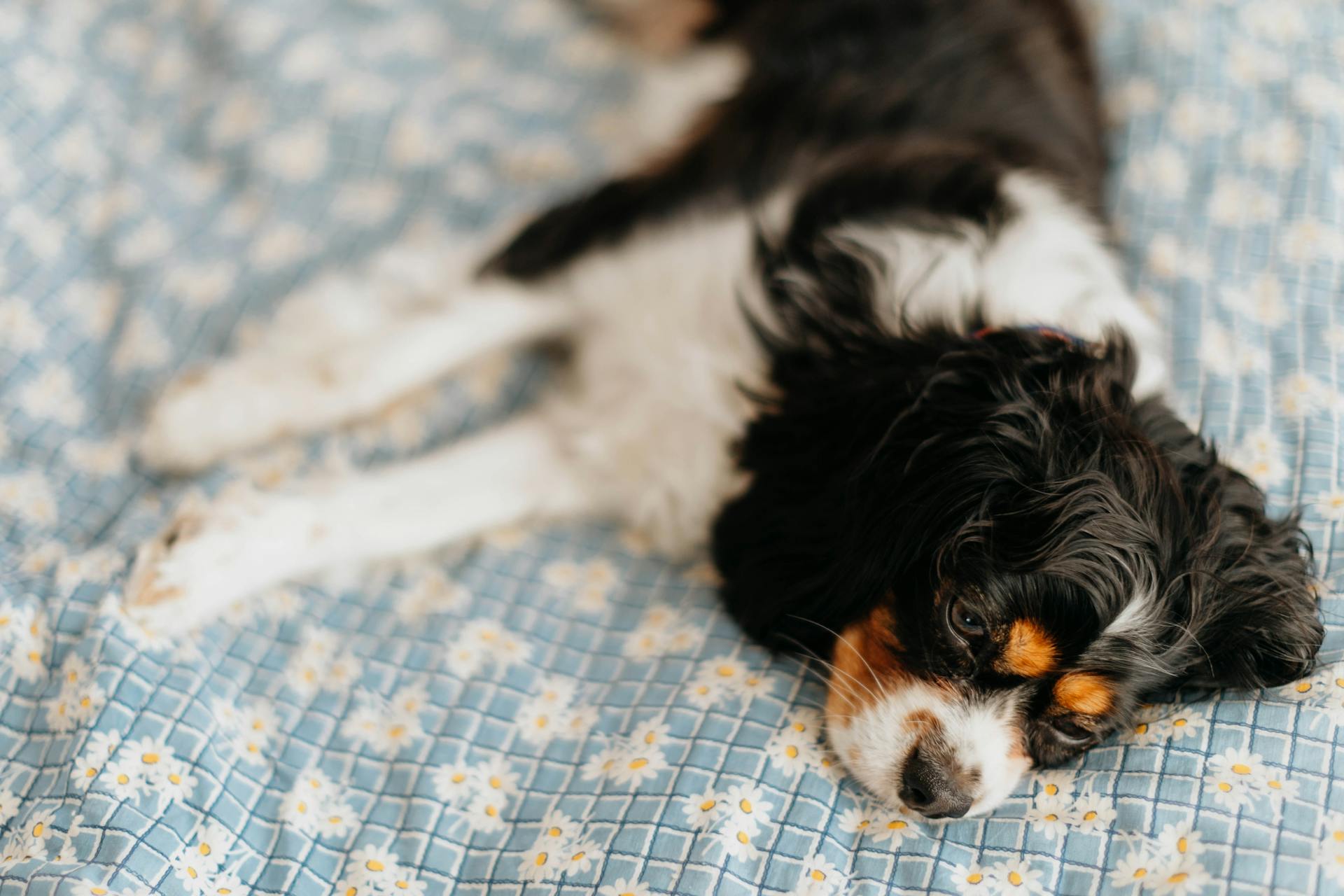
- A sedentary lifestyle, which can be a result of their affectionate nature and love for comfort
- A decrease in activity or reluctance to exercise, which can be a sign of being overweight
A defined waist and visible ribs are indicators of a healthy weight in Cavalier King Charles Spaniels. If your Cavalier lacks a defined waist or has a rounded abdomen, it may be a sign of excess weight.
Related reading: Cavalier King Charles Spaniel Weight Chart by Age
Health Risks and Concerns
Cavaliers are prone to a range of health issues that can be exacerbated by excess weight. A staggering 90% of Cavaliers will have a heart murmur by the age of 10 due to Mitral Valve Disease, and being overweight makes their heart work even harder.
Brachycaphalic Cavaliers already have breathing issues, and extra weight can make breathing and exercising even harder. Up to 70% of Cavaliers suffer from Chiari Malformation/Syringomyelia, and being overweight affects both conditions significantly.
For another approach, see: Cavalier King Charles Spaniel Health Problems
Luxating knees and hip dysplasia are common issues in Cavaliers, and excess weight can cause faster deterioration and pain. Hypothyroidism and Cushing's disease are two significant disorders that can lead to weight gain, upsetting a dog's hormonal balance and impacting metabolism and appetite control.
Regular veterinary check-ups are essential to detect and address potential problems early on. Your veterinarian can monitor your Cavalier's health, discover any underlying medical concerns, and provide prompt interventions.
Here are some common health issues that can be impacted by excess weight in Cavaliers:
- Mitral Valve Disease
- Brachycaphalic breathing issues
- Chiari Malformation/Syringomyelia
- Luxating knees
- Hip dysplasia
- Hypothyroidism
- Cushing's disease
Obesity can lead to reduced mobility, fatigue, and less physical activity, which is vital for a dog's mental stimulation and overall happiness. This can result in changes in behavior, such as increased irritability or anxiety, and may lead to feelings of loneliness and depression.
Recognizing Excess Weight in Cavaliers
An overweight Cavalier may lack a defined waist and have a rounded abdomen, making it harder to tell if they're carrying extra pounds.
The rib test is another method to check for excess weight. Ideally, you should be able to feel your Cavalier's ribs with a slight fat covering, but if the ribs are hard to distinguish, it might indicate excess weight.
A decrease in activity or reluctance to exercise can also be a sign of being overweight. This is because excess weight can lead to joint pain and discomfort, making it harder for your Cavalier to move around.
Here are some key signs to look out for:
Regular vet check-ups are essential for monitoring your Cavalier's weight loss progress and overall health. Your veterinarian can provide personalized advice based on your dog's specific needs and identify any underlying health issues contributing to weight gain.
Maintaining a Healthy Weight
Maintaining a healthy weight is crucial for Cavalier King Charles Spaniels, as excess weight can lead to health issues. Regular veterinary check-ups are essential for monitoring your Cavalier's weight loss progress and overall health.
A veterinarian can provide a professional perspective on your dog's ideal weight, considering their age and overall health. They can also help identify any underlying issues contributing to weight gain and suggest dietary adjustments or exercise regimens.
To assess your Cavalier's diet and exercise routine, evaluate their calorie intake and physical activity level. Excess calorie intake, especially from treats and human food, combined with insufficient exercise, often leads to weight gain.
A good guide for feeding your Cavalier is to feed 8g of dry food per kilo of target weight per day, split between 2 meals for a non-active dog and 10g per kilo of target weight for an active dog. Weigh your dog weekly to track their progress.
Regular exercise, such as daily walks and playtime, can help burn off extra calories and reduce inflammation. Interactive play can keep your dog mentally stimulated and happy, and provide opportunities for social interaction with other dogs and people.
Here are some general guidelines for feeding your Cavalier:
Remember to consult with your vet to create an appropriate exercise and diet plan for your Cavalier's weight loss journey.
Diet and Nutrition
A Cavalier King Charles Spaniel's diet plays a huge role in their weight management. Excess calorie intake, especially from treats and human food, can lead to weight gain.
Evaluating your Cavalier's diet is crucial to ensure they're not consuming too many calories. Regularly reviewing their diet and making adjustments as needed can help maintain a healthy weight.
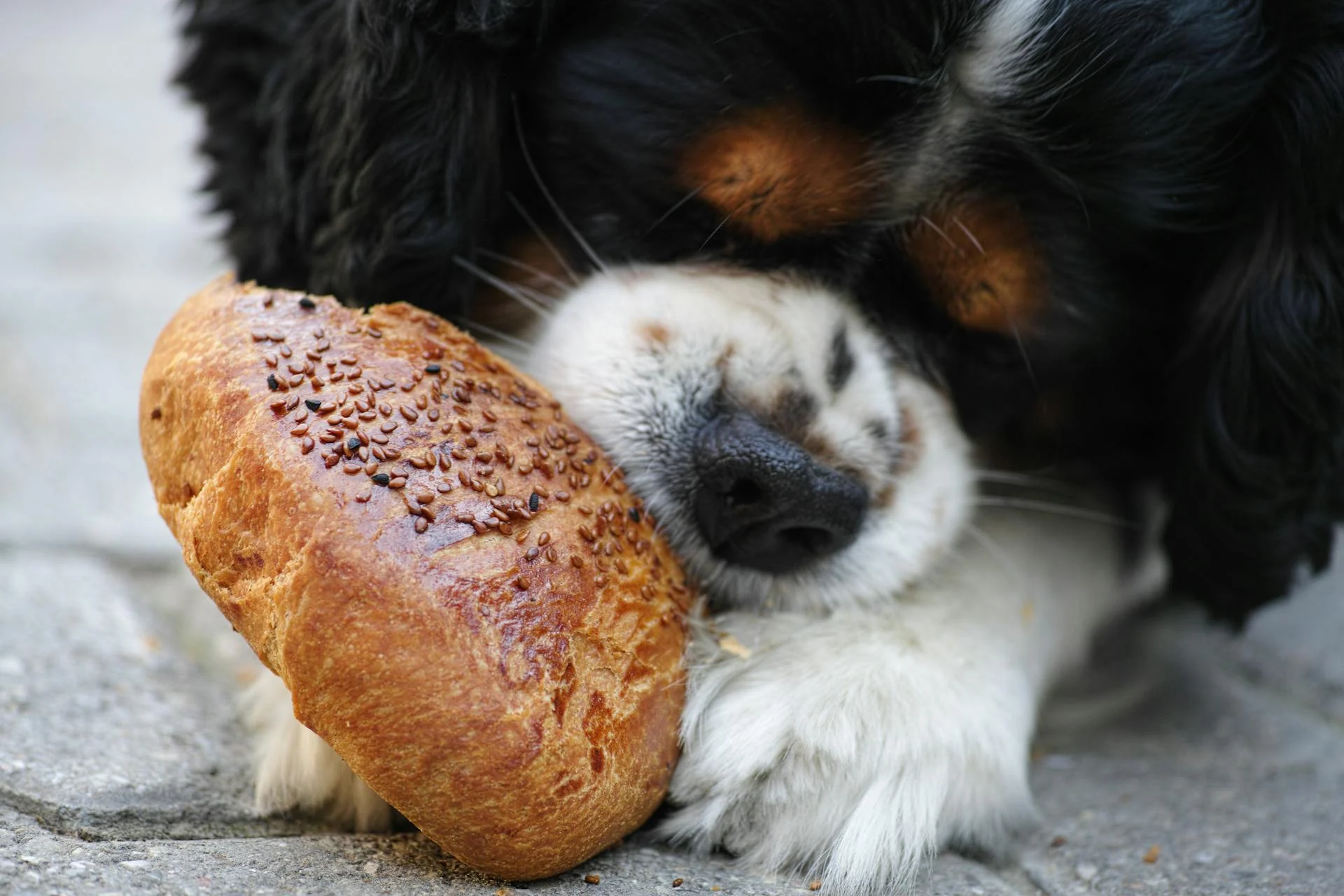
Treats and human food can be a significant contributor to weight gain in Cavalier King Charles Spaniels. It's essential to limit or avoid giving them table scraps altogether.
Monitoring your Cavalier's exercise routine is also vital for weight management. Insufficient exercise can contribute to weight gain, so regular walks and playtime are a must.
Regularly reviewing and adjusting your Cavalier's diet and exercise habits can aid in maintaining a healthy weight.
On a similar theme: Cavalier King Charles Spaniel Food
Frequently Asked Questions
What is the bigger version of the King Charles Spaniel?
The Cavalier Spaniel is the larger version of the King Charles Spaniel breed. It has a distinctive flat head and longer nose compared to the King Charles Spaniel.
What is the maximum weight for a Cavalier King Charles Spaniel?
The maximum weight for a Cavalier King Charles Spaniel is 8.2 kg (18 lbs). This weight range is considered desirable for a well-balanced and healthy dog.
Featured Images: pexels.com