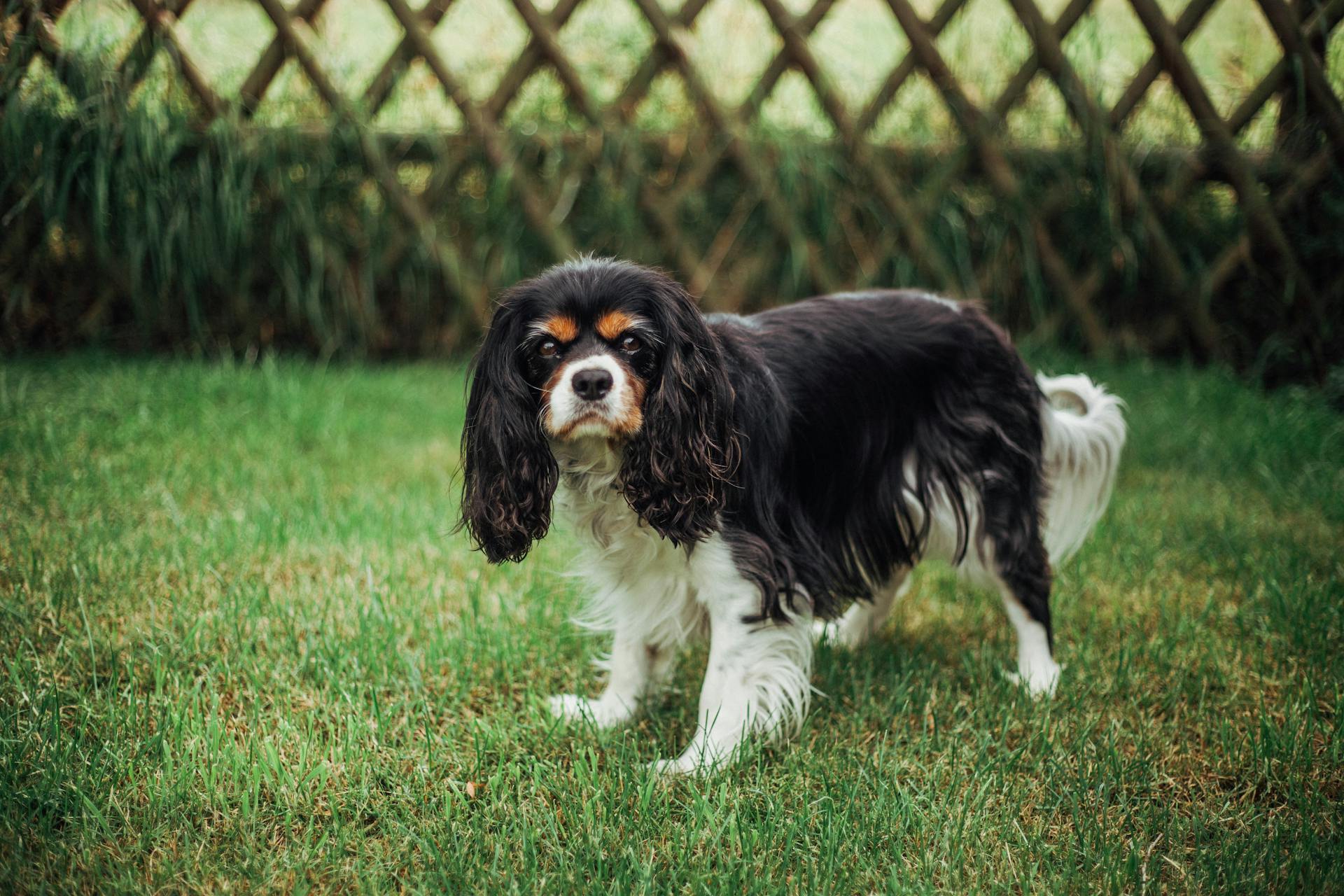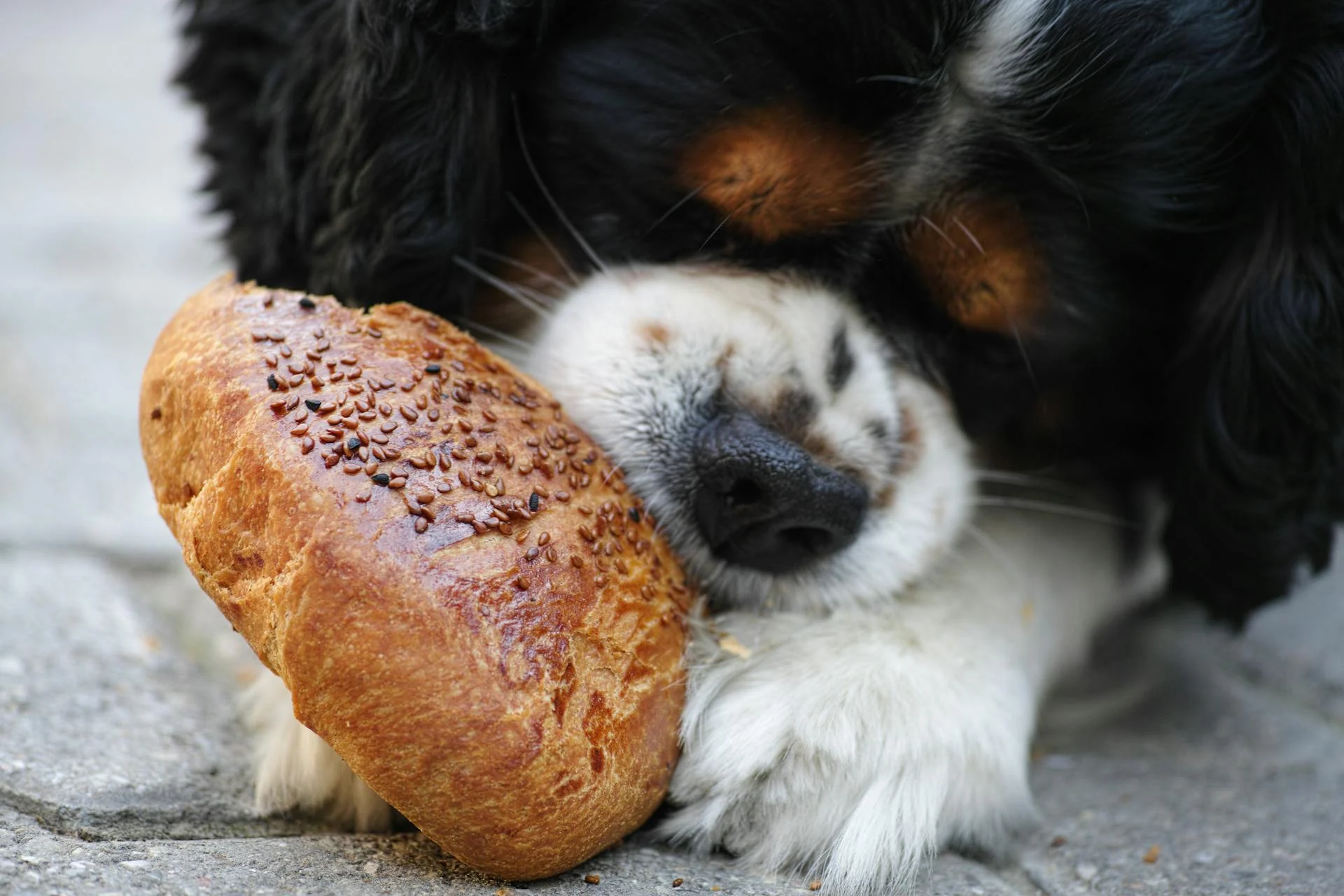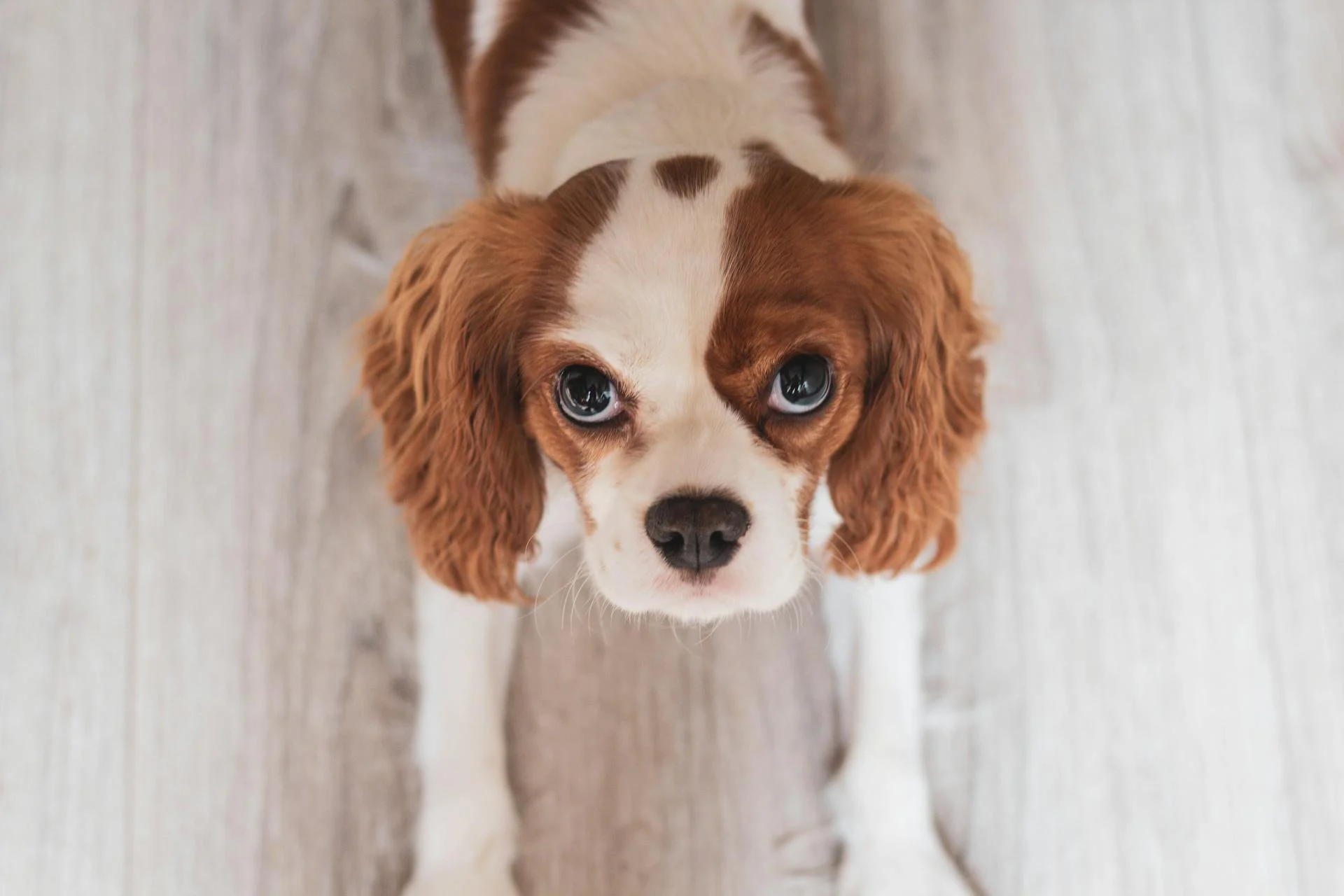
Cavalier King Charles Spaniels need regular exercise to stay happy and healthy. They require at least 30 minutes of exercise per day, which can be divided into shorter sessions.
Their energy levels are moderate, making them suitable for families with children or for owners who enjoy outdoor activities. However, they can get overweight if they don't get enough physical activity.
A daily walk is essential, but it's not enough on its own. They also need playtime and mental stimulation to prevent boredom and destructive behavior.
According to their breed standard, they should be able to run freely and play without getting too tired.
Exercise Needs
Cavalier King Charles Spaniels thrive on regular physical activity to maintain their overall health and well-being. They are energetic and enjoy being active, despite their small stature.
To meet their exercise needs, it's essential to understand their daily requirements. A good target for an adult Cavalier is two moderate walks of about 30 minutes, along with an extended "play period", per day.
Their exercise needs may vary depending on factors such as age, health, and individual energy levels. Younger puppies have still-growing bones and joints, so they shouldn't undertake activities that include a lot of running and jumping.
As a general guideline, the optimal walking duration for a Cavalier King Charles Spaniel is around 30 minutes to an hour, depending on their age, overall health, and fitness level.
Here are some exercise ideas for your Cavalier:
- Walking: Two 30-minute walks daily is a good average
- Fetch: Can be done indoors or out
- Agility trials: These athletic little dogs excel in canine competitions
- Tug-of-war: Good indoor activity; a rope or old towel works
- Hiking: Great bonding activity; be sure the hike isn't overly long or strenuous
Regular playtime sessions are crucial for keeping your pup active. Cavaliers enjoy games of fetch, tug-of-war, and chasing toys.
Mental Stimulation and Bonding
Engaging in physical activities and playtime provides crucial mental stimulation for your Cavalier, keeping their minds sharp and preventing boredom.
Exercise and playtime are excellent opportunities for bonding with your dog, as Cavaliers thrive on companionship and cherish the time spent with you during these activities.
Regular veterinary check-ups are essential to monitor your dog's overall health and catch any potential issues early.
Mental stimulation is just as important as physical exercise for your Cavalier, and playtime is a great way to provide both.
Safety and Health
Cavalier King Charles Spaniels are prone to certain health issues that can impact their exercise abilities, such as mitral valve disease and syringomyelia.
Be mindful of your dog's energy level and avoid overexerting them, especially in extreme heat.
It's essential to recognize signs of fatigue and overexertion during walks, such as excessive panting, lagging behind, or reluctance to continue walking.
Common Health Concerns
Cavalier King Charles Spaniels are prone to certain health issues that can impact their exercise abilities.
Mitral valve disease affects the heart's function, leading to fatigue and reduced stamina.
Syringomyelia is a neurological condition that can cause pain and discomfort, making it difficult for the dog to engage in prolonged physical activities.
Some breeds may be more susceptible to these health concerns due to their genetic makeup.
Regular veterinary check-ups can help identify these issues early on, allowing for prompt treatment and management.
Avoid Overexertion
Cavalier King Charles Spaniels are sensitive dogs, so it's essential to avoid overexerting them, especially in extreme heat.
Their small to medium size and compact body structure can impact their stamina, making it necessary to avoid excessive or prolonged physical activity.
A general guideline for the optimal walking duration is around 30 minutes to an hour, depending on their age, overall health, and fitness level.
Be mindful of your dog's energy level and watch for signs of fatigue, such as excessive panting, lagging behind, or reluctance to continue walking.
Continuing to push your dog beyond their limits can lead to overexertion and potential health risks, especially with conditions like mitral valve disease and syringomyelia.
If your dog is excessively panting or showing signs of distress, it's crucial to stop immediately, find a shady spot, and offer water.
It's also essential to consider the terrain and weather conditions when planning walks, choosing routes that are suitable for their comfort and safety.
Understanding Cavalier King Charles Spaniel Needs
Cavalier King Charles Spaniels are energetic dogs that require regular physical activity to maintain their overall health and well-being. They thrive on regular exercise, which is essential for their emotional balance and happiness.
Their daily exercise requirements are moderate compared to other breeds, but it's essential to understand their individual needs and preferences. You should consider their age, energy level, and overall health condition when planning their exercise routine.
Some Cavaliers may require more frequent or longer walks, while others may prefer shorter, more leisurely strolls. Observing your dog's behavior and response during walks will provide important insights into their preferences and comfort.
It's also crucial to consider any potential physical limitations or health concerns that may affect your Cavalier's walking ability. If your dog has a history of joint issues, you may need to adjust the walking distance to avoid discomfort or excessive strain.
Here are some general guidelines for exercising your Cavalier:
Remember, every Cavalier is unique, and their exercise needs may vary depending on their individual characteristics. By understanding their needs and preferences, you can provide them with the right amount of exercise to keep them happy and healthy.
Walking and Living Environment
Aim for at least one 30-minute walk per day, as this will keep your Cavalier King Charles Spaniel happy and healthy.
Cavaliers enjoy leisurely strolls and will happily accompany you on short hikes or adventures.
Make sure to provide your Cavalier with some daily outdoor exercise, especially if you live in an apartment, as they need regular physical activity to stay happy and healthy.
A small- or medium-sized yard will be fine for exercise or playtime, but make sure it's fenced, as Cavaliers like to chase and wander.
Cavaliers are extremely social and love their people, so they'll be miserable if left in the yard alone.
They'll be okay in colder temperatures, but due to their short noses, they'll overheat easily in hot weather, so be sure to keep them indoors on warm days.
For another approach, see: Healthy Bull Terrier
Puppy and Adult Needs
Cavalier King Charles Spaniel puppies can start exercising at about three months of age with short 10-15 minute walks.
It's essential to keep their exercise sessions short to avoid putting too much strain on their still-growing bones and joints.
Adult Cavaliers need at least an hour of physical activity each day, which can be split into multiple sessions to accommodate their energy levels and preferences.
A good target for an adult Cavalier is two moderate walks of about 30 minutes, along with an extended "play period", per day.
Here are the recommended daily exercise routines for Cavalier King Charles Spaniels:
Remember, individual Cavaliers may have unique exercise needs, so it's essential to monitor their behavior and adjust accordingly.
Training and Improvement
To get your Cavalier King Charles spaniel moving, consider setting up a mini agility course in your backyard or a local park. This will challenge your dog and provide a fun way to exercise.
You can also provide a secure and safe garden for your dog to run around in, along with space inside the home to scamper up and down stairs or jump on and off furniture. This will help keep your dog active and engaged.
Providing a variety of toys will also encourage your dog to get exercise when they need it, whether it's playing with you or independently.
Improving Levels
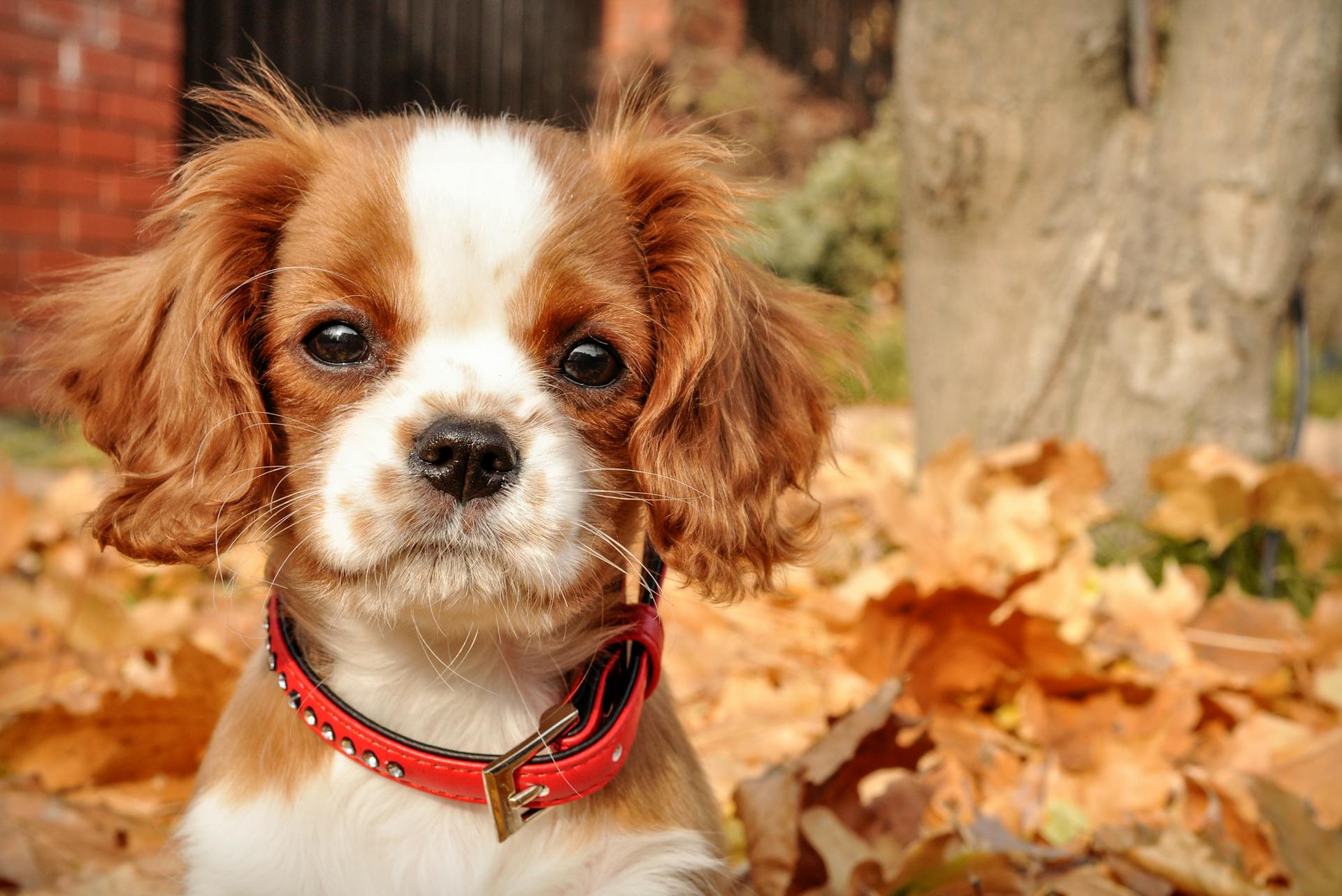
Improving your Cavalier's exercise levels is crucial for their physical and mental well-being. You should provide your Cavalier King Charles with a suitable environment and opportunities to exercise and play outside of the walks.
A secure and safe garden is a great place for them to run around, just like a mini agility course set up in your backyard or a local park, which can include activities like weaving through poles and jumping over small hurdles.
Providing space inside the home where they can scamper up and down stairs or jump on and off the furniture can also help them get some exercise. This can be especially helpful on days when going outside isn't an option.
Encourage your Cavalier to explore their surroundings by providing a variety of toys, both for you to play with and for them to play with independently.
Leash Training
Leash training is a crucial aspect of your Cavalier's development, and it's essential to start early. Teach your Cavalier to walk on a leash from a young age to keep them safe during walks and prevent them from running into dangerous situations.
Cavaliers are social dogs and love human interaction, so they should be introduced to the leash in a positive and gentle manner. This will help them associate the leash with pleasant experiences.
Leash training is not a one-time task, but rather an ongoing process that requires patience, consistency, and positive reinforcement. By starting early, you can help your Cavalier become a well-behaved and obedient companion.
Frequently Asked Questions
Can you over exercise a Cavalier King Charles Spaniel?
While Cavalier King Charles Spaniels can be energetic, overexertion can be a concern, especially for puppies. Puppies typically calm down around 2 years old, but regular exercise is still essential for their overall health and well-being.
Featured Images: pexels.com