Equine Assisted Psychotherapy (EAP) is a unique approach to therapy that combines the emotional support of horses with the guidance of a trained therapist. This approach has been shown to be effective in helping individuals work through trauma, anxiety, and other mental health issues.
EAP typically involves a team of two therapists, one who is a licensed therapist and the other who is an equine specialist, working together to create a safe and supportive environment for the client. The horses are not just passive observers, but play an active role in the therapeutic process, responding to the client's emotions and energy.
By interacting with the horses, clients can develop a greater sense of empathy and self-awareness, which can be a powerful tool in the healing process.
What Is Equine Assisted Psychotherapy?
Equine-assisted psychotherapy is a form of therapy that incorporates horses. It's an experiential treatment in which participants partner with horses in mental health treatment.
A licensed mental health therapist and an equine specialist collaborate to supervise and lead these sessions, making it a unique and effective approach to therapy.
Consider reading: Equine Hoof Health
History of Therapy
Horses have been used for therapeutic purposes since the time of the ancient Greeks. The Greek physician Hippocrates, known as the "Father of Medicine", wrote about the therapeutic potential of horseback riding.
Riding became a popular therapy tool in the mid-20th century, with the formation of the North American Riding for Handicapped Association in 1969. This organization later became the Professional Association of Therapeutic Horsemanship (PATH) International.
Hippocrates' writings about horseback riding as therapy laid the groundwork for its use as a treatment tool in the centuries that followed.
What Is Psychotherapy?
Psychotherapy is a type of treatment that helps people deal with mental health issues.
It's led by a licensed mental health therapist who works with the individual to address their specific needs.
In psychotherapy, a therapist helps people understand and manage their thoughts, feelings, and behaviors.
This can involve talking, sharing feelings, and exploring ways to cope with challenges.
A licensed therapist is essential in providing effective psychotherapy, just like in equine-assisted psychotherapy where a licensed mental health therapist collaborates with an equine specialist.
Psychotherapy can be a powerful tool for personal growth and healing, helping individuals develop healthier habits and relationships.
Benefits
Equine-assisted psychotherapy offers a unique set of benefits that can be life-changing for those who participate. Horses bring a sense of calm and trust to the therapy process, making it easier for individuals to open up and work through their issues.
According to anxiety expert Dr. Robin Zasio, horses offer a range of unique traits that make them an ideal choice for animal-assisted therapies. These traits include their ability to sense and respond to human emotions.
Some other potential benefits of equine therapy include increased adaptability, distress tolerance, emotional awareness, independence, impulse control, self-esteem, social awareness, and social relationships. These benefits can be achieved through a combination of horse care and therapy sessions.
Providing care for horses can be a therapeutic experience in itself, helping to establish routines and structure. It also allows individuals to build empathy and develop a sense of responsibility.
Here are some of the benefits of equine-assisted psychotherapy:
- Greater confidence, self-awareness, and social skills
- Reductions in anxiety, fear, depression, and social isolation
- Ability to express emotions without fear
- Mutually beneficial, with benefits for both humans and animals
By participating in equine-assisted psychotherapy, individuals can experience a range of positive outcomes that can improve their overall well-being.
Children and Teens
Equine-assisted psychotherapy can be just as effective with children and teens as it is with adult clients. Children can experience challenges such as trauma, anxiety, depression, PTSD, and more.
Equine therapy offers them a therapeutic environment that can feel less threatening and more inviting than a traditional talk therapy office. The majority of children participating in EAP are between the ages of 6 to 18 years old.
Children often find it difficult to open up and process painful emotions and experiences. Equine-assisted psychotherapy allows youth to work on issues such as assertiveness, confidence, developing and maintaining relationships, emotional awareness, empathy, impulse control, problem-solving skills, social skills, trust in others, and trust in self.
Here are some specific benefits of equine-assisted psychotherapy for children and teens:
- Assertiveness
- Confidence
- Developing and maintaining relationships
- Emotional awareness
- Empathy
- Impulse control
- Problem-solving skills
- Social skills
- Trust in others
- Trust in self
Equine-assisted psychotherapy can be a particularly effective treatment for children and teens with ADHD, as it offers them an active, fun, and hands-on experience.
How It Works
Equine-assisted psychotherapy involves interacting and connecting with horses through various activities, such as grooming, petting, and feeding them. These activities can be done individually or in a group, and are often designed to be goal-oriented.
In the most standardized approach, developed by the Equine Assisted Growth and Learning Association (EAGALA), activities are unmounted and take place on the ground, without horse riding. This allows for a safe and controlled environment.
Horses are usually unsaddled and free to move around, allowing for a sense of freedom and flexibility in the interactions. This self-distancing approach helps model boundaries and connections that we see in human-to-human interactions.
Horses are keen observers and can mirror a client's behavior or emotions, conveying understanding and connection. This allows clients to feel safe and maintain a sense of self-awareness.
A therapist may use the SPUD framework, which involves reflective listening and observation, to capture the behaviors and activities of both the client and the horse. This can include asking questions, making observational statements, and inviting clients to share their story if they feel comfortable.
For your interest: Horse Equine Artists
Horse Partnership
In equine-assisted psychotherapy, horses play a unique role as partners in the therapeutic process. They are unsaddled and free to move closer or farther away from the client, allowing for a sense of self-distancing and modeling of boundaries and connections.
Horses are keen observers and can mirror a client's behavior or emotions, conveying understanding and connection that allows the client to feel safe. This can be a powerful tool for clients to maintain a sense of self-awareness.
Therapists help provide safety training and observations about the behavior of horses, ensuring a safe and supportive environment for the client. They also incorporate cognitive-behavioral techniques that allow clients to talk more freely about their emotions or anxiety.
The SPUD framework is used in equine-assisted psychotherapy to capture the behaviors, activities, and movements of both the client and the horse. This involves a therapist asking questions, making observational statements, and inviting the client to tell their story.
Here are some ways that horses can interact with clients in equine-assisted psychotherapy:
- Grooming and petting the horse
- Bathing the horse
- Leading the horse to designated areas
- Feeding the horse
- Recreational and goal-oriented activities, either individually or in a group
These interactions can help clients feel more connected and at ease, allowing them to open up and share their thoughts and feelings.
Models We Use
We use a variety of models to create personalized care plans for each client. Our approach is tailored to meet the unique needs of each individual.
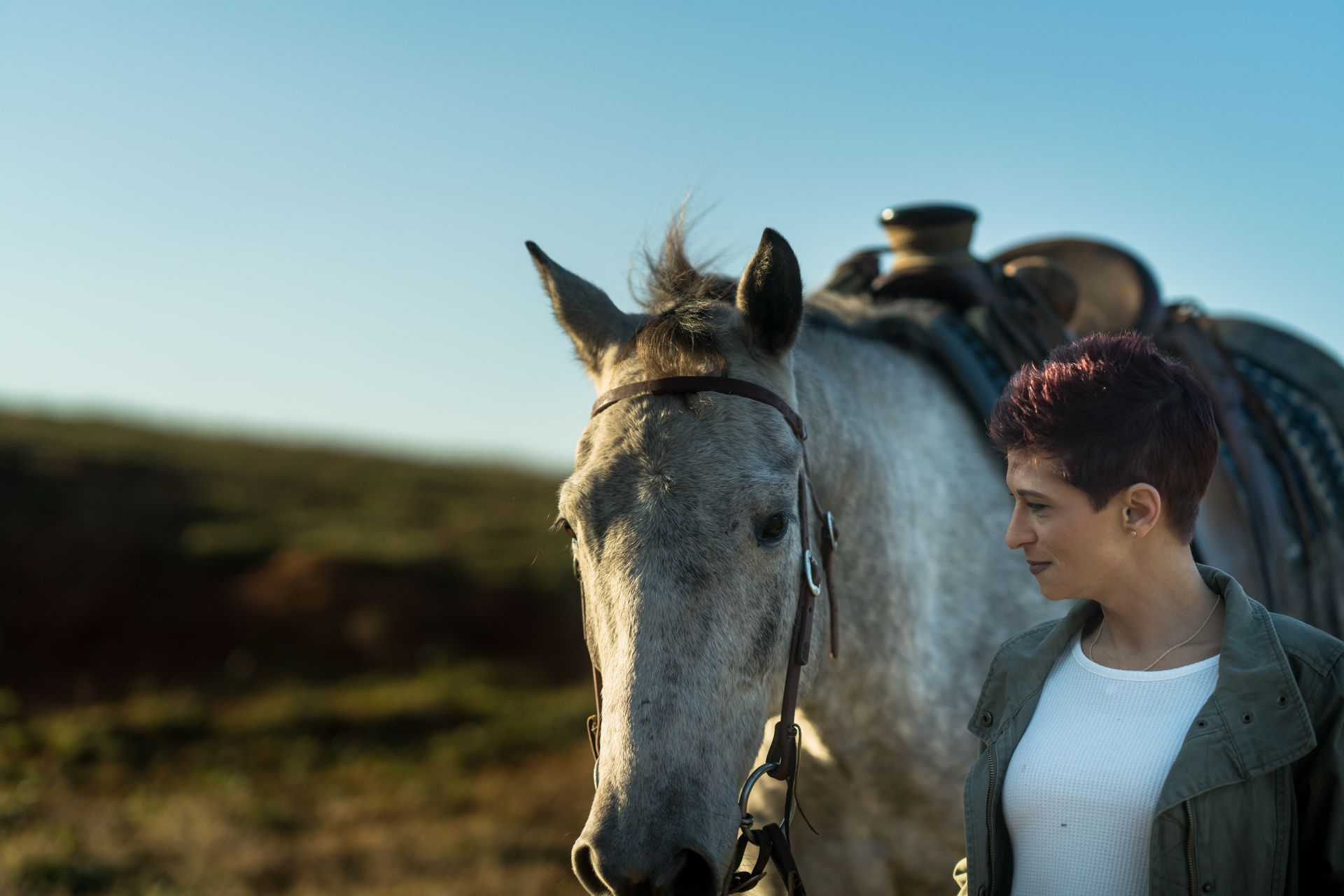
The EAGALA Model is particularly helpful for people who prefer a non-traditional approach to therapy, often using creative problem solving through metaphorical experiences.
This model can be especially beneficial for those who have difficulty with traditional talk therapy, allowing them to express themselves in a more expressive and engaging way.
The Natural Lifemanship Model focuses on building connected relationships, which is particularly helpful for those in recovery from trauma or seeking meaningful, healthy relationships.
Timing
Timing is everything in EAP. Depending on the client's challenges, it may not be the right time to incorporate equine-assisted therapy services.
Addiction requires proper time to detox and establish compliance with a treatment program before incorporating EAP. This allows the client to stabilize and prepare for the emotional and physical demands of therapy.
Each client's situation is unique, and timing is crucial to ensure the best possible outcome.
Equine Therapists and Therapy
Equine Assisted Therapists require specialized training and certification to work with clients in a therapeutic setting.
The Equine Assisted Growth and Learning Association (EAGALA) is a non-profit organization that sets the standard for professionals working with horses in a therapeutic setting.
They offer training and a certification process for those wishing to become a recognized, trained equine-assisted therapy professional.
Equine-assisted therapy is a particular style and specialization within the field of psychotherapy, with clinicians seeking and earning special training and certification related to the practice of EAP.
Worth a look: Financial Assistance for Dog Training
Registration
Registration for equine-assisted therapy is a straightforward process. You can find a certified equine therapist or facility by searching online or checking with your local equine association.
The PATH model is a registered equine-assisted therapy program that focuses on personal growth through horsemanship. It's particularly helpful for children, people with cognitive disorders, or physical disabilities.
If you already have a therapist, you can discuss equine-assisted therapy as an additional tool to support your treatment plan.
Recommended read: Equine Assisted Psychotherapy Certification
Equine Therapists
Equine-assisted therapy is a style of psychotherapy that requires special training and certification. This specialized approach is recognized by organizations like the Equine Assisted Growth and Learning Association (EAGALA), which sets the standard for professionals working with horses in a therapeutic setting.
EAGALA offers training and a certification process for those who want to become recognized, trained equine-assisted therapy professionals. This training is a must for those who want to work with clients in this field.
There are other programs dedicated to proper training and maintenance of standards for those working with clients in the field of equine-assisted psychotherapy.
Limitations and Considerations
Equine-assisted psychotherapy is a powerful tool, but it's not without its limitations. Costs and accessibility can be a significant barrier, as equine-based therapy may be expensive and not readily available in all areas.
The welfare of both humans and animals must be carefully considered. Animals who are traumatized, fearful, or avoidant should not be further exploited in equine-assisted psychotherapy.
Research suggests that equine-based therapy should not be used as a stand-alone treatment. While it can be an effective complementary treatment, it's essential to maintain your personal psychotherapy.
Conditions of Use
Equine-based psychotherapy can be used for a variety of mental health conditions in both children and adults.
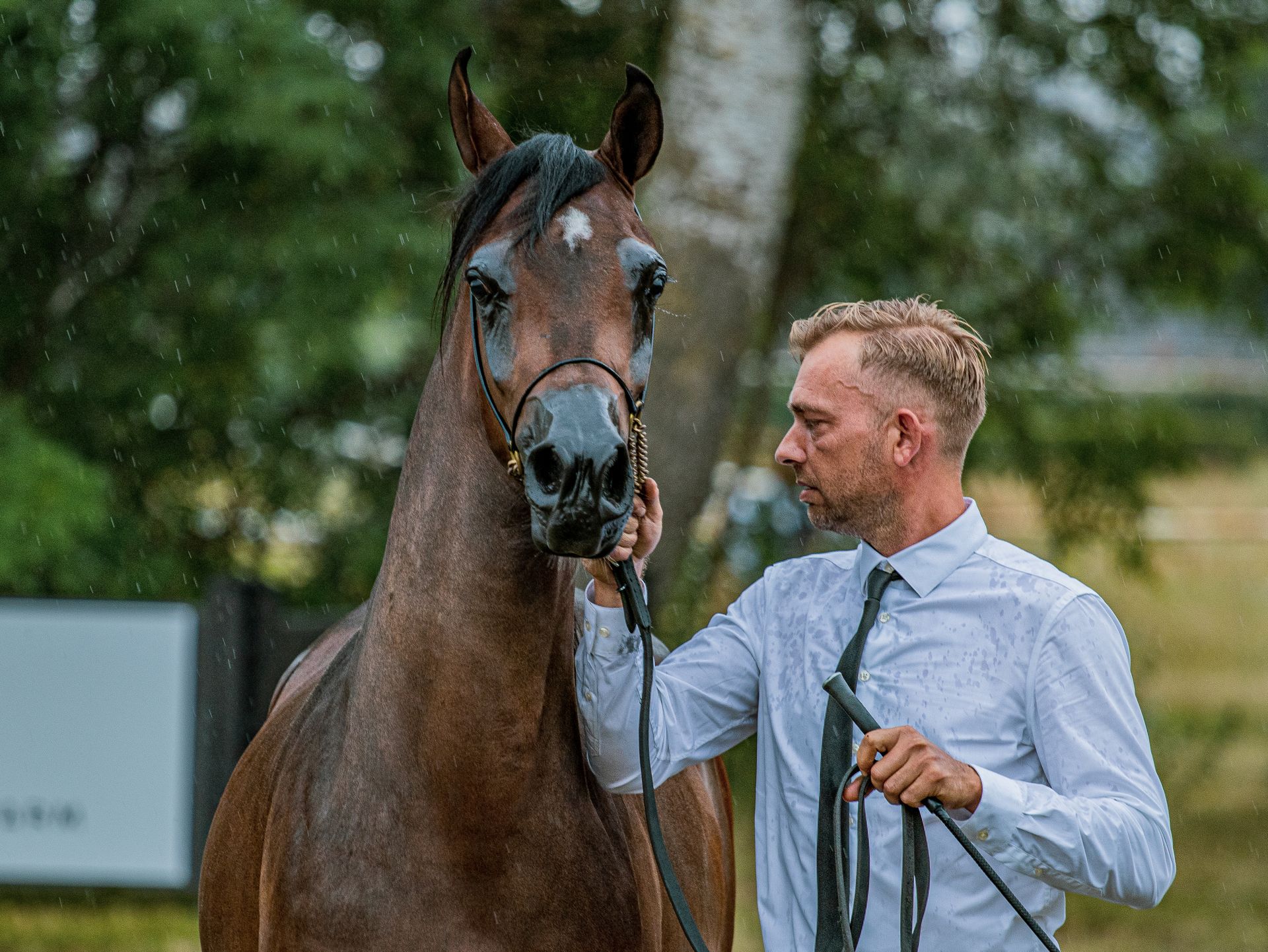
Some of these conditions include ADHD, autism, depression, and PTSD.
Equine-based therapies may also help with other medical conditions like cerebral palsy, dementia, and Down syndrome.
The SPUD framework by the EAGALA is often used in sessions to identify shifts, patterns, unique aspects, and discrepancies.
Here are some of the conditions that equine-based psychotherapy can be used for:
- ADHD
- Autism
- Depression
- Eating disorders
- Generalized anxiety disorder (GAD)
- PTSD
- Social anxiety disorder
- Substance misuse
And here are some other medical conditions that equine-based therapies may help with:
- Cerebral palsy
- Dementia
- Down syndrome
- Stroke recovery
- Traumatic brain injury
Limitations Can Include
Costs and accessibility can be significant hurdles, with equine-based therapy often being out of reach due to high costs and limited geographic availability.
The welfare of both animals and humans must be prioritized, ensuring that traumatized, fearful, or avoidant animals aren't further exploited in equine-assisted psychotherapy.
Research indicates that equine-based therapy may not be effective as a standalone treatment, and its use as such should be approached with caution.
In fact, studies suggest that equine-based therapy is most effective when used as a complementary treatment, not a replacement for traditional therapy.
Here are some key limitations to consider:
- Costs and accessibility can limit access to equine-based therapy.
- The welfare of both animals and humans must be carefully considered.
- Equine-based therapy may not be effective as a standalone treatment.
Frequently Asked Questions
How much does equine-assisted psychotherapy cost?
Equine-assisted psychotherapy sessions typically cost between $115 and $300 per hour. Learn more about the benefits and costs of this unique therapy approach.
What is the difference between EAP and EAL?
EAP focuses on therapeutic goals, while EAL prioritizes educational objectives, both utilizing a horse professional and a licensed therapist. This dual approach offers unique benefits for individuals seeking personal growth and learning.
Does insurance cover equine assisted therapy?
Insurance coverage for equine-assisted therapy varies, but it may be covered under mental health and addiction treatment provisions, especially for Medicaid recipients whose state policies differ. Check your plan for specifics on equine therapy coverage.
Featured Images: pexels.com