
The Corgi breed has a rich history that dates back to the 10th century in Wales. They were originally bred to herd cattle and horses.
One of the most distinctive characteristics of Corgis is their short stature, with most adults reaching between 10-12 inches in height.
Their short legs belie their energetic and agile nature, making them well-suited for herding work. They are also known for their intelligence and loyalty.
Corgis are prone to certain health issues, including hip dysplasia and obesity, which can be managed with regular exercise and a balanced diet.
Suggestion: Are Corgis Good Guard Dogs
Caring for Your Corgi
Caring for Your Corgi is a big responsibility, but with the right approach, it can be a breeze. Pembrokes are highly adaptable and can thrive in a variety of environments, making them a great choice for many families.
They do require regular brushing to maintain their coat health and reduce shedding, so be prepared to spend some time each day brushing their fur. Daily brushing with a slicker brush or comb is essential to prevent matting and tangling.
Corgis are relatively low maintenance compared to other dog breeds, but they still need regular walks and dedicated playtime to keep them happy and healthy. Aim for at least one 30-minute walk per day, and don't forget to give them plenty of breaks to rest and recharge.
Socialization is key when it comes to Corgis, so start training and socializing them as early as possible to help them become confident and well-behaved around others. Give them plenty of praise and rewards for good behavior, and be patient with them as they learn and grow.
In terms of grooming, Corgis have a short, easy-to-maintain coat that requires minimal upkeep. However, they do shed a lot, especially during certain times of the year, so be prepared to vacuum frequently and give them regular baths to keep them clean and fresh.
Health Issues
Pembroke Welsh Corgis are generally healthy dogs, but like all breeds, they can be prone to certain health issues. Their average life expectancy is 12-13 years, and regular veterinarian visits are crucial to address any health issues as soon as possible.
Some common health problems in Corgis include hip dysplasia, dental issues, obesity, allergies, and back problems. These issues can be caused by genetic reasons, so it's essential to keep an eye out for them.
Here are some specific health issues to be aware of:
- Hip dysplasia: This orthopedic condition affects the development of the hip joint.
- Eye issues: Conditions like cataracts, glaucoma, retinal dysplasia, and progressive retinal atrophy can impact vision.
- Degenerative myelopathy: This condition causes the white matter of the spinal cord to degenerate.
- Back issues: Corgis can be affected by back problems, such as intervertebral disc disease (IVDD).
- Von Willebrand disease: This condition impacts the blood’s clotting ability.
Genetic testing is available for Pembroke Welsh Corgis to avoid these issues and enhance the genetic health pool.
Health Problems
Pembroke Welsh Corgis are generally healthy dogs, but they can be prone to certain health issues.
Hip dysplasia is a common problem in Corgis, causing hip pain, limping, and unusual gait. Regular exercise and a healthy diet can help prevent this condition.
Degenerative myelopathy, a condition that causes the spinal cord to degenerate, can lead to paralysis in older dogs. It's essential to keep an eye out for symptoms like wobbling and difficulty walking.
Eye issues, such as progressive retinal atrophy, can cause blindness in Corgis. Regular eye exams can help detect these problems early on.
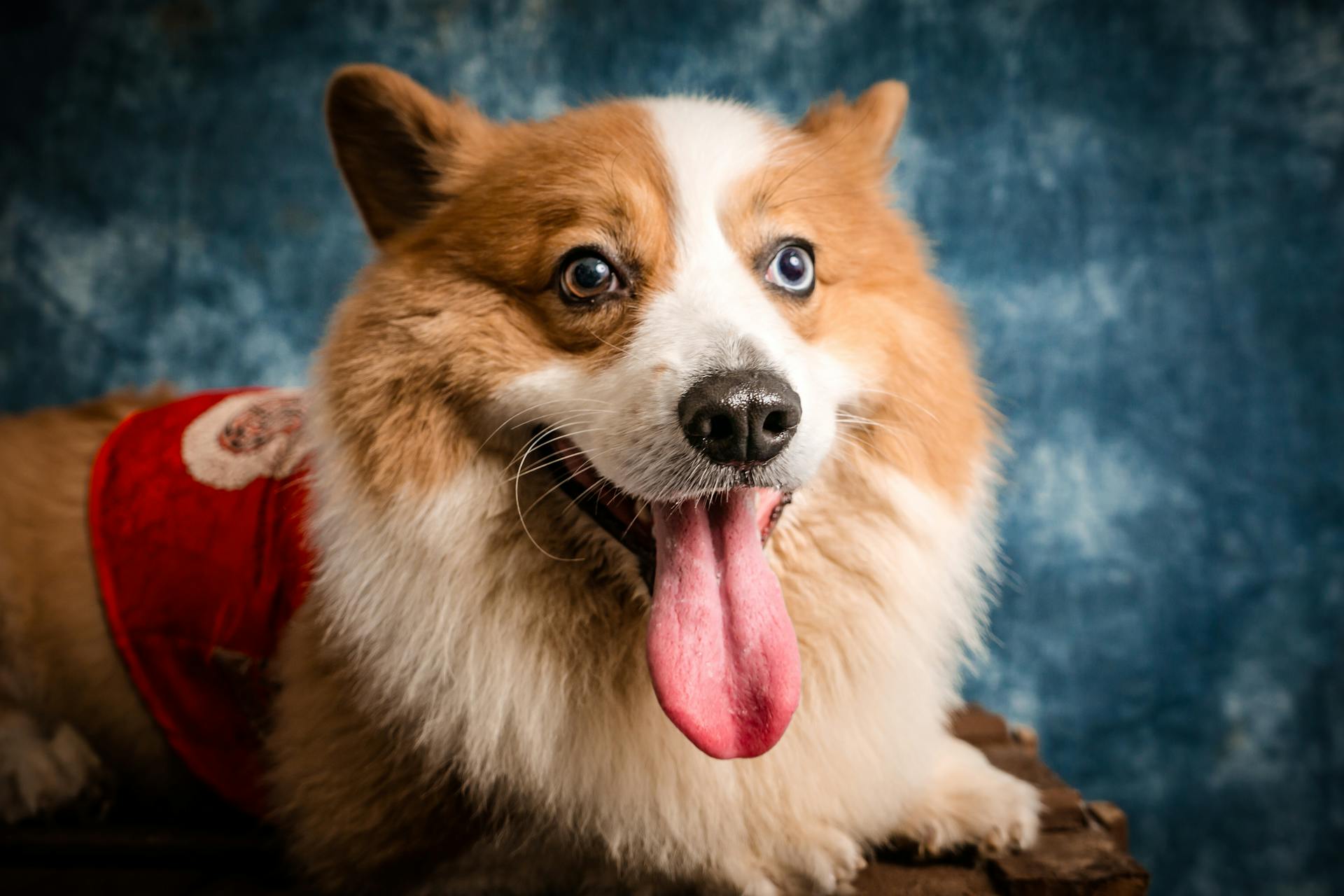
Von Willebrand disease, a blood disorder, can cause excessive bleeding in Corgis. Genetic testing can help identify this condition in breeding dogs.
Pembroke Welsh Corgis are also prone to obesity due to their robust appetite. Feeding a balanced diet and monitoring their weight can help prevent this problem.
Here are some common health issues in Corgis:
- Hip dysplasia
- Degenerative myelopathy
- Eye issues (progressive retinal atrophy, cataracts, glaucoma, retinal dysplasia)
- Von Willebrand disease
- Patent ductus arteriosus (PDA)
- Back problems (intervertebral disc disease, IVDD)
Regular veterinary check-ups and genetic testing can help identify these health issues early on, ensuring your Corgi lives a long and healthy life.
Average Lifespan
The average lifespan of a Corgi is 12 to 13 years, with females typically living one or two years longer than males.
Cancer and old age are the main causes of death in the breed.
With proper care, your Corgi can live longer than the average lifespan.
Feeding Your Corgi
Pembroke Welsh Corgis thrive on a high-quality, complete, and balanced diet approved by the Association of American Feed Control Officials (AAFCO).
To prevent obesity, keep an eye on your Corgi's food intake and adjust as needed. A reduced-calorie diet, along with minimal treats or human food, is recommended if your Corgi gains pounds.

Fresh vegetables and fruit, such as carrots, blueberries, cucumbers, and apples, make great low-calorie snacks for Pembrokes, especially during training.
Your Corgi will need two meals a day, with the amount depending on their size, activity level, age, and other factors. On average, they might eat up to 2 cups of food per day, split into at least two feedings.
To prevent weight gain, it's best not to leave food out for free-feeding throughout the day. Obesity can shorten your Corgi's life and predispose them to other health conditions.
Puppies should be fed 3-4 times per day, while adult dogs should be fed twice a day. The specific amount will depend on the food your Corgi eats and your veterinarian's recommendation.
Here are some guidelines for feeding your Corgi at different life stages:
Your veterinarian can also recommend nutritional supplements, such as omega-3 fatty acids or joint supplements, to support your Corgi's health.
Behavior
Corgis are naturally herding dogs and will often try to herd people, children, and other animals, so it's essential to curb this behavior with early socialization and training.
They are energetic dogs that require regular exercise to burn off their energy and prevent bad behaviors, such as destructive chewing and barking.
Pembrokes have a pack mentality and will fiercely protect their family, making them great guard dogs.
Consistent training with positive reinforcement and rewards is key to teaching basic commands and new tasks to your corgi.
Corgis are intelligent dogs that can learn complex tricks and tasks, but they may have a stubborn streak and require high-value treats and praise to motivate them.
Pembroke Welsh Corgis are naturally reserved around strangers, but proper training and socialization can help them become confident and friendly dogs.
Early socialization is crucial for corgis, as it helps them interact positively with other dogs and animals, and reduces the risk of fearfulness and aggression.
Corgis have a tendency to herd by nipping at the ankles, which can be challenging for young children, so proper training and socialization are essential to manage this behavior.
Pembroke Welsh Corgis are highly intelligent dogs that can easily learn patterns and tricks, but they may use their intelligence to cause trouble if they don't receive adequate exercise and mental stimulation.
Personality and Temperament
Pembroke Welsh Corgis are known to be very friendly and energetic dogs, with a large-dog mentality in a medium-sized body. They are very eager to please, so they enjoy training and learning new things.
One of the key things to remember about Pembrokes is that they require significant mental stimulation. This can be achieved through activities such as herding, training, or simply providing them with a job to do. Exercise and stimulation will also help decrease their propensity to dig and chew if they’re left alone too long or get bored.
Pembrokes are generally great with children if they are raised together, but they may nip at their heels due to their herding instincts. They can also be very vocal, which can make them an excellent guard dog.
Despite their size, Pembrokes are active dogs with active minds. They were ranked as the eleventh most intelligent dog in Stanley Coren's The Intelligence of Dogs, making them eager to learn and train.
Here's a summary of the key personality traits of Pembroke Welsh Corgis:
Pembrokes love to be involved in the family and tend to follow their owners wherever they go. They have a great desire to please their owners, which makes them eager to learn and train. However, their working background and intelligence can also make them challenging to train.
Overall, Pembrokes are a fun-loving breed that thrive on interaction and encouragement. They are loyal and affectionate, and they make great companions for active families.
Grooming Requirements
Corgis have a thick, weatherproof coat that needs regular grooming, especially in late spring or early summer when they shed heavily.
Brushing your corgi once or twice a week can help remove loose hair and prevent some shedding. Regular bathing can also help loosen dead hairs during shedding season.
Their nails should be trimmed regularly to prevent tears and foot problems. Their ears should be checked weekly for signs of infection, and their teeth should be brushed to prevent dental disease.
Daily brushing with a slicker brush or comb is important to maintain a healthy coat and strip the undercoat to help reduce shedding. If your corgi has been out in the mud, it will be easier to remove the dirt once the coat has dried.
Here are some essential grooming tasks to keep your corgi clean and healthy:
- Brush their coat once or twice a week, and daily during shedding seasons
- Bathe them as needed to control shedding
- Trim their nails regularly
- Check their ears weekly for signs of infection
- Brush their teeth daily or at least a couple of times per week
History and Overview
The Pembroke Welsh corgi originated in Pembrokeshire, Wales, and is believed to have descended from Swedish cattle dogs, specifically the Vallhund breed.
They were developed in Wales for herding and guarding, and were also kept as companions. Today, corgis hold a special place at Buckingham Palace as pets of Queen Elizabeth II.
Corgis have a unique saddle marking on their shoulders, which adds to their fairytale history. This breed was officially recognized by the American Kennel Club and the English Kennel Club as separate breeds in 1934.
Their medium-length double coat comes in various colors, including black and tan, red, sable, and fawn, often with white markings. On average, corgis weigh between 24 to 30 pounds and live for about 12 to 13 years.
History of
The Pembroke Welsh corgi originated in Pembrokeshire, Wales, and has a unique fairytale history that's supported by saddle markings on their shoulders.
Corgis are believed to be descended from Vallhunds, Swedish cattle dogs, which were introduced to Wales by Vikings around the 9th and 10th centuries.
The Pembroke Welsh corgi's popularity grew over the years as a herding dog, and their tails were docked to avoid being stepped on due to their low-to-the-ground stature.
In the 1920s, the corgi breed was registered by the UK Kennel Club, and in 1934, the American Kennel Club officially recognized the breed.
Today, corgis are recognized as separate breeds, with the Pembroke Welsh corgi being the smaller of the two, and are known for their playful nature and strong bonds with their owners.
You might like: Pembroke Welsh Corgi Dog Breeds
History of Wales
Wales has a rich history that spans over 1,000 years, with the Pembroke Welsh corgi being a part of it since around 1107 A.D.
The corgi breed was likely introduced to Wales by Flemish weavers or Swedish Vallhunds, with the exact origin still debated among experts.
In the 10th century, these dogs were developed in Wales for herding, guarding, and companionship, showcasing the country's strong connection to its canine heritage.
The Pembroke Welsh corgi, in particular, was used as a working dog, with its tail often docked to avoid injury and to exempt it from taxation as a pet dog.

The breed's popularity grew over the centuries, and today, it's a beloved companion of many, including the British royal family, who have kept Pembrokes as pets at Buckingham Palace since the 1930s.
The corgi's unique appearance, with its short legs and saddle markings, has become an iconic symbol of Wales, reflecting the country's rich history and cultural heritage.
Breed Overview
The Pembroke Welsh corgi is a beloved breed, and for good reason. They originated in Pembrokeshire, Wales, and their unique appearance is steeped in history and myth.
These dogs are relatively small, weighing between 24 to 30 pounds, and standing 10 to 12 inches tall. They have a medium-length double coat that sheds, so regular grooming is a must.
Their lifespan is impressive, ranging from 12 to 15 years, making them a long-term companion. Corgis are known for their friendly, outgoing, and playful nature, which makes them a great addition to any family.

Here's a breakdown of their key characteristics:
Overall, the Pembroke Welsh corgi is a wonderful breed that makes a great companion for active families or individuals.
Royal
The Queen's love for corgis started with her father, King George VI, who brought home their first royal corgi, Dookie.
The Queen's passion for corgis was evident throughout her life, and she had many beloved pets over the years.
Care and Maintenance
To keep your Pembroke Welsh Corgi happy and healthy, regular brushing is essential. Daily brushing with a slicker brush or comb will help maintain a healthy coat and reduce shedding.
Pembrokes have a double coat, which means they shed a lot. Regular brushing will also help remove dirt and tangles, making it easier to keep them clean. If your Corgi has been out in the mud, brushing will make it easier to remove the dirt once the coat has dried.
Pembrokes are low maintenance when it comes to grooming, but they do need regular exercise to stay happy and healthy. Daily walks and playtime are a must, and they'll benefit from outdoor adventures when possible.
Check this out: Food Alternatives for Dogs
Care Tips

Pembroke Welsh Corgis need regular walks and playtime to stay happy and healthy.
Their high energy level means they require daily physical activity to prevent problematic behaviors.
Daily brushing with a slicker brush or comb is essential to maintain a healthy coat and reduce shedding.
Regular grooming also helps to remove dirt and tangles from their double coat.
A balanced diet is crucial for your Pembroke, and feeding them a high-quality wet or dry dog food can help prevent obesity.
You'll need to monitor their food intake carefully to ensure they don't overeat.
Socialization is key, so start training and socializing your Pembroke as early as possible.
Give your corgi their own space in your home with a bed, toys, and other comforts.
To keep their coat in good shape, brush your Pembroke once or twice a week.
Trim their nails or clean their teeth as necessary to prevent health issues.

To support their joint health, consider adding glucosamine, chondroitin, and MSM supplements to their diet.
You can also give them essential fatty acids like omega-3 fatty acids to promote eye and heart health.
Probiotics can help improve their digestive health and boost their immunity.
Here's a quick rundown of the supplements your Pembroke might benefit from:
Remember to always consult with your veterinarian before adding any supplements to your Pembroke's diet.
How Long Do They Live?
Corgis can live up to 15 years old with proper care. Regular vet visits are crucial to ensure your corgi stays healthy.
By taking your corgi to the vet at least once or twice a year, you can encourage a longer lifespan.
Consider reading: Vets Dog Treats
Getting a Pet
If you're interested in bringing a Corgi into your family, the first step is to find a reputable breeder or adoption option. The Pembroke Welsh Corgi Club of America is a great resource for finding breeder contacts and adoption information.
Pembroke Welsh Corgis can be expensive, with prices ranging from $1,000 to $2,000 or more from a reputable breeder. This is because they're a popular breed in high demand.
Before bringing a Corgi home, it's essential to have experience with handling a strong-willed and independent pup. They require patience and gentle handling, especially when they're young.
If you're looking to adopt a Corgi, it may be tough to find one in a shelter. However, there are breeders located around the country, and you can also contact a national organization for rescue information.
Here are some resources to help you get started:
- The Pembroke Welsh Corgi Club of America has branches of regional clubs, rescue and adoption information, and breeder contacts.
- Rescue groups can be found in many states, and some regional rescue organizations cover large areas and can help you with locating a pet.
Frequently Asked Questions
Is Corgi a good house dog?
Yes, Corgis can make great house dogs, especially for apartment dwellers, as long as they receive regular walks and playtime. With proper care, a Corgi can thrive in a small space and become a loving companion.
Is Corgi an expensive dog?
Yes, Pembroke Welsh Corgis can be expensive, with prices ranging from $1,000 to $2,000 depending on their pedigree and breeder.
Is Corgi a smart dog?
Yes, Corgis are highly intelligent dogs, ranking 11th in Stanley Coren's book The Intelligence of Dogs. They excel in various dog sports and activities, making them a great breed for active owners.
Featured Images: pexels.com