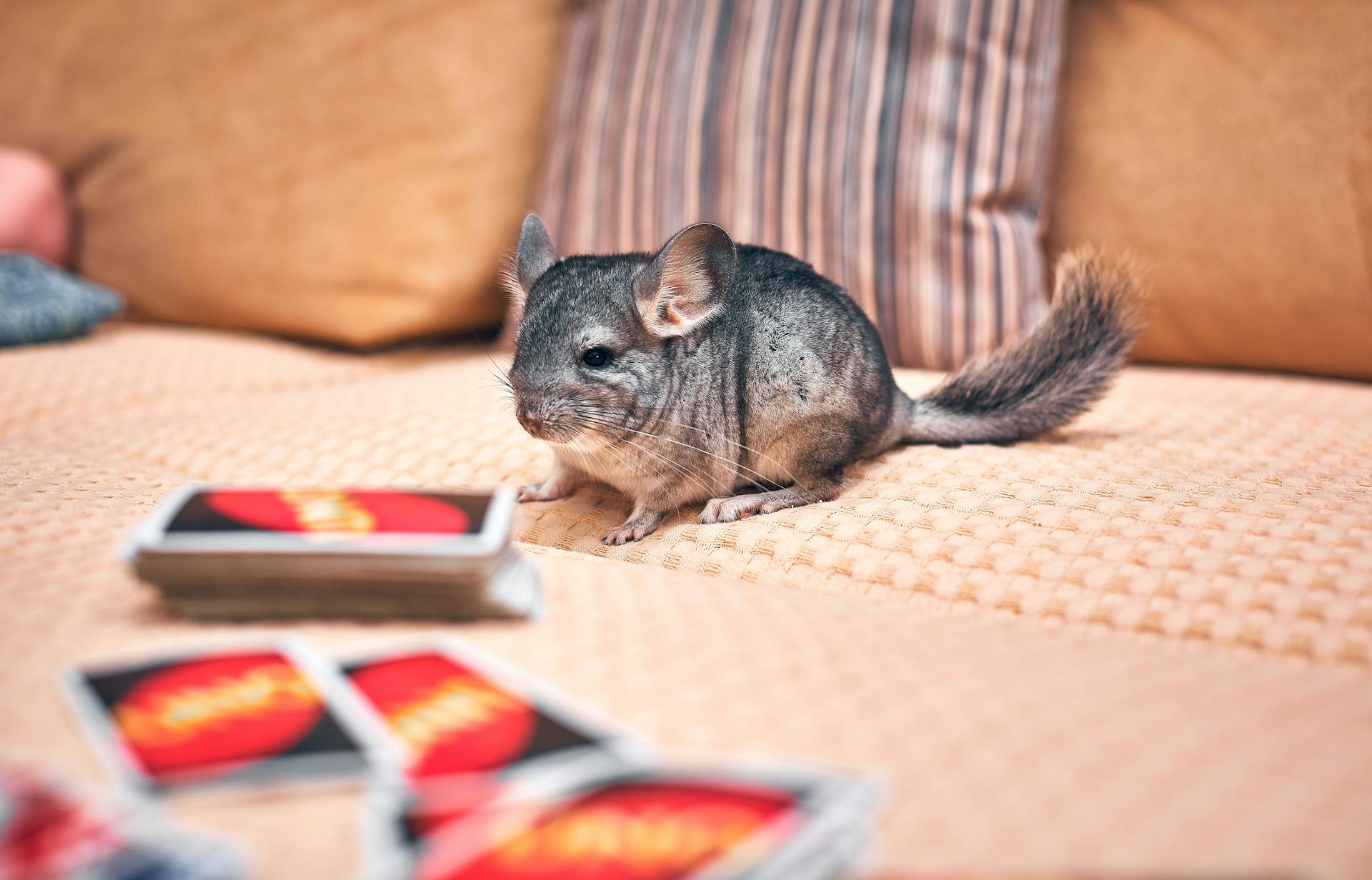
Chinchillas can be quite feisty, and their bites can be painful. Chinchillas are naturally territorial and may bite if they feel threatened or scared.
To minimize the risk of a chinchilla bite, it's essential to handle them gently and carefully, especially when they're young. Chinchillas are most likely to bite when they're in pain or feeling stressed.
If you're new to chinchilla ownership, it's a good idea to start with a younger chinchilla, as they're more likely to be socialized to human interaction. Chinchillas typically start to calm down and become more docile around 6-8 months old.
Additional reading: When Do Cane Corsos Become Protective
Why Chinchillas Bite
Chinchillas bite for a variety of reasons, but the main cause is their natural instinct to defend themselves when they feel threatened or scared. This can be due to their prey animal nature, where they would run away from predators in the wild.
In a domestic setting, chinchillas may feel threatened when they're being over-handled or forced to interact with a stranger. They may also bite due to anxiety caused by being left in a small cage for long hours.
To understand why chinchillas bite, it's essential to consider their natural behavior in the wild. As prey animals, they have strong hind legs, small bodies, and great hearing senses that help them escape difficult situations and outrun predators.
A chinchilla will always try to escape a dangerous situation by running away, but when this fails, they will resort to biting as hard as they can to get the predator to let go. Their fur also helps them slip out of a predator's mouth and run to safety.
Here are some reasons why chinchillas bite, summarized in a table:
By understanding these reasons, you can take steps to prevent chinchilla bites and create a safe and comfortable environment for your pet.
How to Prevent
Chinchillas are generally quite gentle, calm pets, but they can occasionally bite due to fear, stress, or simply not wanting to be handled at that moment. Their bites rarely break skin, but they can still give a nasty pinch.
To prevent chinchilla bites, it's essential to provide them with a suitable environment. A large enough cage for your chinchilla not to feel trapped is crucial.
Chinchillas need plenty of exercise outside of their cage, so make sure to give them regular time out of their enclosure. This will help reduce stress and anxiety.
Don't over-handle your chinchilla, as this can cause them to feel overwhelmed and lead to biting. Instead, sit down on the floor and allow them to come to you.
Providing a safe place for your chinchilla to hide and feel secure is vital. This can be achieved by including multiple safe spots inside the cage, such as a nest box.
Here are some key tips to prevent chinchilla bites:
- Make sure your chinchilla has plenty of exercise outside of their cage
- Their cage must be large enough for your chinchilla not to feel trapped
- Each chinchilla should have their own cage
- Don't over-handle your chinchilla
- Don't lift your chinchilla into the air, instead, sit down on the floor and allow them to come to you
- Give them time to trust you
- Don't let strangers handle them as you will probably frighten your chinchilla
- Make sure all their needs are met
Consequences of Biting
Chinchillas can draw blood if they bite hard enough, so it's essential to handle them gently and avoid startling them. Their sharp teeth can puncture the skin, causing minor bleeding and tiny scabs.
Bites on sensitive areas like the face, neck, and genitals will hurt worse than bites on the extremities. Chinchilla bites can also be more painful on thin-skinned areas like fingers and hands.
The amount of pain from a chinchilla bite depends on the location and force of the bite. Here's a rough guide to help you understand the potential pain levels:
Chinchillas are not aggressive animals, and their bites are usually in self-defense. Even if they do bite, their bite won't be big enough to cause life-threatening harm.
Damage Depends on Location and Force
Fingers, hands, and other thin-skinned areas will likely feel more painful than areas with thicker skin and padding, like the arms or calves.
Bites on sensitive areas like the face, neck, and genitals will hurt worse than bites on the extremities.
Quick warning nips won’t be as painful as a hard chomp from an aggravated chinchilla.
The pain from a chinchilla bite can vary greatly depending on the location and force of the bite. For example, bites on the fingers or hands can be particularly painful due to the thin skin.
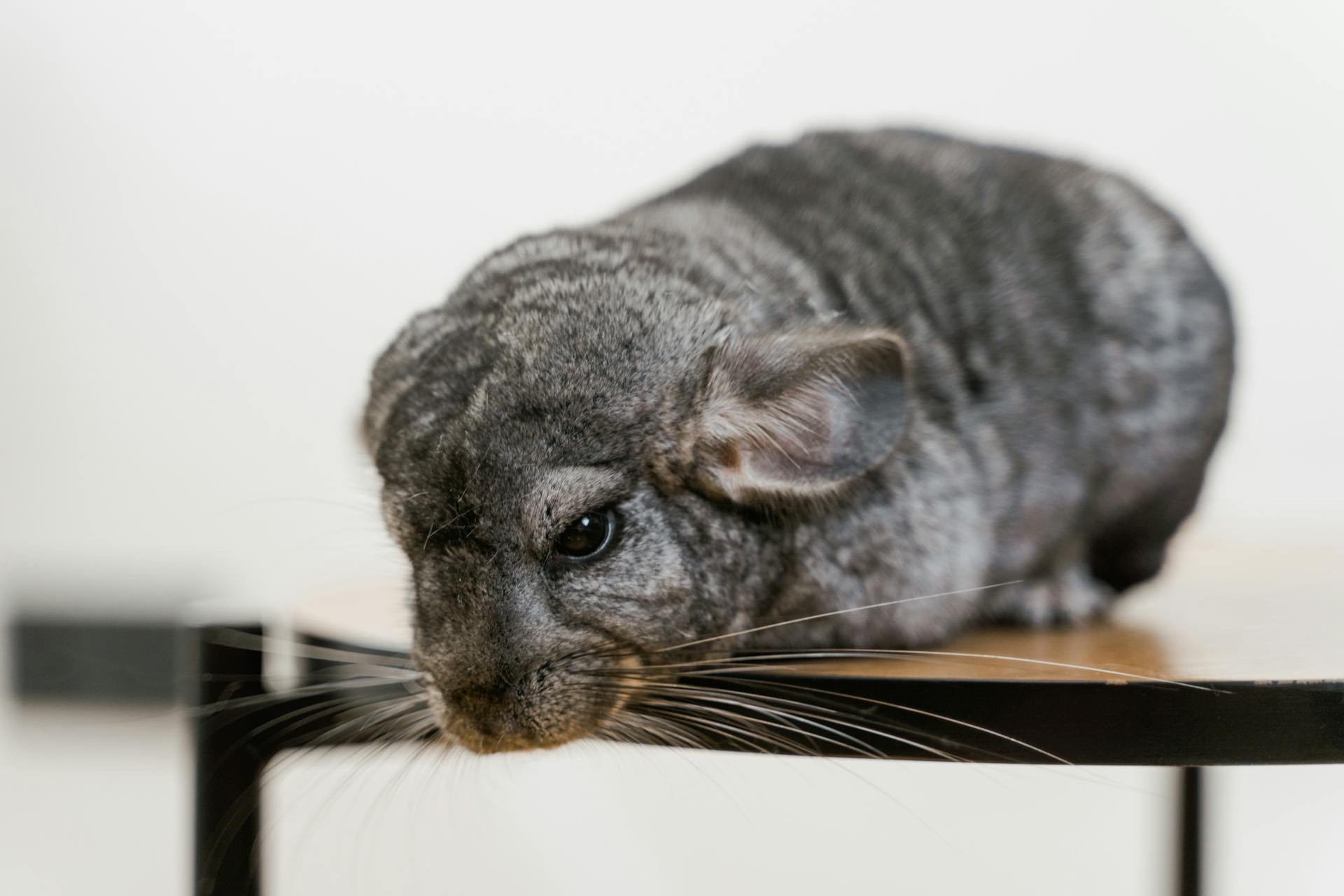
If you're unsure about how to handle your chinchilla, it's always a good idea to err on the side of caution and let it sniff and get comfortable with you before interacting.
Here's a rough guide to help you understand the potential pain levels of a chinchilla bite:
Remember, even though chinchilla bites can hurt, they rarely cause serious damage. With proper handling techniques, most chinchilla bites can be avoided.
Child Abuse
A child's natural instinct is to cuddle and hug their pet, but chinchillas don't like being cuddled closely unless they really trust you.
Chinchillas have delicate bodies with bones that can be easily broken, making it essential to teach children how to handle them gently.
Children can get overexcited easily and run around, wave their arms, and scare the chinchilla they're holding, which can cause the chinchilla to become defensive.
This can lead to the chinchilla biting or scratching the child in self-defense.
To avoid this, it's crucial to supervise children when they're handling chinchillas and teach them how to handle and care for them correctly.
If a child has trouble remaining calm, it might not be a good idea to let them handle a chinchilla.
Identifying Biting Behavior
Chinchillas may not notice how hard they nibble due to their long and sharp teeth, which is why they're not recommended as pets for children.
A chinchilla nibble is usually a sign of playfulness or a request for a treat, as they may smell a treat on you. If they're being handled, they may squeal or nibble to indicate they want to be put down.
It's essential to remember that chinchillas don't like being handled as much as other domesticated rodents, so it's best to let them come to you and climb surfaces instead of lifting them up.
A legitimate bite is noticeable and much more forceful than a nibble, often occurring when no trust exists and the chinchilla feels frightened.
An accidental bite can happen when a chinchilla hasn't yet learned how hard it can bite down without hurting you, and this can be prevented through gentle nibbling and socializing.
Chinchillas are docile and skittish by nature, preferring to avoid confrontation, and will only seem aggressive when they feel like they need to defend themselves.
A fresh viewpoint: Training Your Dog Not to Bite
Handling Chinchillas
Handling chinchillas requires a gentle and patient approach. They can be startled by sudden movements, so it's essential to move slowly and deliberately.
To pick up your chinchilla, allow them to sniff your hand first, giving them a chance to recognize you. Scoop them up securely but delicately, as sudden grabs can make them defensive.
If your chinchilla struggles, set them back down and give them a minute before trying again. Persistence paired with tender hands keeps handling stress-free.
Handle with Gloves
Handling chinchillas can be a delicate matter, especially if you're new to owning one. Chinchillas are quite sensitive to sudden movements, so it's essential to be slow and gentle when reaching into their cage.
Chinchillas are known to bite in certain circumstances, such as when they feel threatened or scared. It's not a behavior you'll likely encounter with a new chinchilla, but it's good to be aware of it nonetheless.
Wearing gloves can be a good idea if you're concerned about getting bitten. A basic pair of leather gloves will suffice, and you'll likely only need them for a short period, such as a week or two.
If your chinchilla does struggle when you try to pick them up, it's best to set them back down and give them some space. Persistence paired with tender hands is key to keeping handling stress-free.
How to Capture Objects
Catching objects from a chinchilla requires close contact, which is the same way viruses, bacteria, and fungal infections are passed from animal to man or vice versa.
You can pick up a bug if you handle your chinchilla and don't wash your hands afterwards, then touch your face or eat food with your hands.
Washing your hands before handling your pet is a good practice, regardless of whether you're sick or not, just like with chinchillas.
You should wash your hands after handling one chinchilla and before handling another if you have multiple chinchillas to avoid passing anything on to the next pet.
If this caught your attention, see: Chinchilla Pet
Understanding Chinchilla Behavior
Chinchillas are naturally friendly animals, but they can bite in certain circumstances. They need to be able to defend themselves from predators in the wild, and biting is one of their tactics for escaping a dangerous situation.
As chinchillas are quite passive animals, it may surprise you to know that they can bite. However, it's essential to understand that biting is not typical chinchilla behavior, but it can occur for various reasons.
Chinchillas can become aggressive towards their caregiver or cage mate, especially if they feel trapped or don't receive enough exercise. Providing a larger cage and giving them more time outside of their cage can help reduce aggressive behavior.
Some chinchillas may bite due to health problems or stress, such as malocclusion (misaligned teeth) or dental discomfort. Others may bite due to boredom, loneliness, or a lack of exercise and mental stimulation.
If your chinchilla is nibbling on your fingers, it's likely a sign of affection and trust. Chinchillas often nibble on their owners' fingers as a way of playing and showing love.
Expand your knowledge: Pack Hunting Animals
However, if your chinchilla is biting due to fear or feeling threatened, it's essential to address the underlying issue. Loud noises, unusual handling, or perceiving potential predators can trigger biting in some chinchillas.
A chinchilla's whiskers play a crucial role in navigating and making sense of their environment. Brushing their whiskers accidentally can trigger a defensive bite, so it's essential to handle them gently.
To reduce chinchilla biting, it's crucial to provide a safe and comfortable environment. This includes giving them plenty of exercise outside of their cage, providing a large enough cage, and ensuring each chinchilla has its own cage.
Here are some tips to help you build trust with your chinchilla and reduce biting:
- Provide a place for your chinchilla to hide and feel safe
- Give them plenty of toys to chew on
- Offer regular dust baths and playtime outside of the cage
- Handle them gently and avoid sudden movements
- Educate friends and family on how to handle your chinchilla properly
By following these tips and understanding chinchilla behavior, you can build a strong bond with your pet and reduce the likelihood of biting.
Featured Images: pexels.com