Cutting horses have been around for centuries, with evidence of their use dating back to the 16th century in Spain.
The first recorded cutting horse competition was held in 1883 in Texas, USA, and it was a huge success, attracting over 1,000 spectators.
Cutting horses are trained to cut cattle from a herd, and their unique ability to do so is a result of their breed's history as working horses on ranches.
They are highly intelligent and athletic, with a strong instinct to herd and respond to commands from their rider.
History of Cutting Horses
Cutting horses have deep roots, initially developed as a necessary task for working cattle. The first organized cutting horse competition was held in 1898 in Texas.
Cowboys from nearby ranches often held informal competitions to test their skills and determine who had the best cutting horse. These competitions helped identify horses with a unique awareness of cattle, known as "cow sense."
Horses with this "cow sense" helped separate one or more cows from a herd, allowing cowboys to finish their work quicker and easier. This skill became essential on ranches, where cowhands kept a remuda of horses with specialized skills.
The American Quarter Horse became the breed of choice for cutting, known for its agility and quick reflexes. The introduction of formal competitions further refined the art of cutting, transforming it from a cowboy necessity to a valued sport.
In the late 19th century, cattle trading became an industry, making cutting horses an indispensable tool of the trade. Cattle roundups became an annual or semi-annual routine, and cowhands held informal competitions to see who had the best horse.
Mechanical devices, such as squeeze chutes, eventually eliminated the need for cowboys on cutting horses for routine maintenance tasks. However, some ranches continue to use horses for various reasons.
Cutting Horse Sport
Cutting horses are known for their quick reactions when facing off cattle as they try to return to the herd. This instinctual behavior is a result of their breeding and training.
In a cutting competition, horses and riders work together in unison to anticipate the cows' actions and demonstrate their cattle working skills. The speed and accuracy with which a horse and rider team can separate and manage the cow define their success.
Effective riders in cutting competitions balance control and trust, enabling the horse to showcase its instincts and agility. This partnership is crucial to the success of the competition.
Judging
Judging in cutting horse sport is a crucial aspect that requires a keen eye for detail. Judges assess the horse's performance based on several key factors.
The horse's degree of difficulty is one of the main considerations, but it's not the only thing that matters. Judges also evaluate the horse's confidence and ability to handle difficult cows.
A clean cut from the herd is essential, and judges look for horses that can make a smooth transition. Containing the cow close to the center of the working area is also a key factor.
Worth a look: How to Cut a Horse's Mane?
Faults that can lead to score deductions include causing excessive disturbance to the herd, not making a deep cut, and relying on the back fence to turn a cow. These mistakes can significantly impact the horse's overall score.
Here are some common faults that can result in deductions:
- Causing excessive disturbance to the herd
- Not making a deep cut
- Relying on the back fence to turn a cow
- Quitting a cow while it is still in motion and facing the horse
- Allowing cows to return to herd
- Rider cueing while the horse is working the cow
Sport Organizations
The National Cutting Horse Association (NCHA) is the official sports organization for cutting in the USA, founded in 1946. It promotes cutting horses and establishes rules for cutting horse shows.
The NCHA has a long history of supporting the cutting horse community. Founded in 1946, it has been a driving force in the development of the sport.
The Canadian Cutting Horse Association (CCHA) governs cutting in Canada and is committed to promoting ethical, fair, and competitive horsemanship. It advocates for education and financial sustainability in the sport, helping to ensure the long-term success of cutting horse enthusiasts.
These organizations play a crucial role in shaping the cutting horse sport and providing a framework for competitions and events.
Defining the Sport
Cutting involves isolating a single cow from a herd and preventing it from returning to the group. This unique aspect of the sport requires incredible agility and responsiveness from the horse.
A cutting horse uses quick movements to mirror the cow's attempts to get back to the herd. This dynamic interaction is what makes competitions so engaging for spectators.
The speed and accuracy with which a horse and rider team can separate and manage the cow define their success. It's a true test of their partnership.
Competitions are intense, with the horse, rider, and cattle working together in a delicate dance. The crowd is on the edge of their seats, cheering on their favorite team.
Training
Developing a champion cutting horse takes years of training and excellent riding skills.
Riders must stay centered in the saddle to follow the horse's movements when riding a cutting horse.
Horses run to place themselves between the cow and the herd, but a cutting horse will drop low, pivot, and change directions quickly in response to the cow's movements.
Trainers often use flags or mechanical cows to simulate a real cow in training and teach a horse how to react before introducing cow work.
Riders hold the reins in one hand with the reins loose, and horses are trained to react to the seat and leg aids.
Horses with more innate cow sense and natural reactions tend to perform better in cutting competitions.
Riders must avoid pushing off the saddle horn and pulling themselves forward to stay locked in the saddle.
A fresh viewpoint: Measure Horse Reins
Cutting Horse Care
Cutting horses require a balanced diet to support their strenuous work, and high-starch grains can increase the risk of metabolic and digestive health problems.
A forage-based diet is a great option, as it supports digestive health and provides the necessary nutrients. If your cutting horse needs additional energy, consider adding fat as a safe source of concentrated calories.
Quarter Horses dominate cutting competitions due to their natural cow sense, agility, and strong hindquarters, but they can be prone to stifle and hock problems.
A unique perspective: Horse Health
Regular vet care, conditioning, and turnout can help prevent common health issues in cutting horses, such as lameness and proud flesh.
Here are some common health issues to watch out for:
- Lameness, primarily due to joint problems or soft tissue injuries
- Proud flesh, which can complicate healing if not managed promptly
Feeding
Cutting horses need a diet that's tailored to their specific needs. A balanced, forage-based diet is key to supporting digestive health and providing the nutrients they need.
High-starch grains can be problematic, as they're high in calories but can lead to metabolic and digestive health issues. Excess sugar can cause gastric ulcers, which are prevalent in performance horses, including cutting horses.
If your cutting horse needs additional energy, consider adding fat as a safe source of concentrated calories. Research has shown that horses adapt well to high-fat diets, which can increase glycogen storage and use.
A study of eight Quarter Horses in simulated cutting horse training found that horses on high-fat diets performed well and adapted quickly. This suggests that high-fat diets can be a good option for cutting horses.
The best diet for your cutting horse depends on several factors, including breed, age, competition schedule, training program, and health history. A qualified equine nutritionist can help you develop a customized feeding plan.
To identify potential gaps in your horse's nutrition program, consider the following:
- Is your horse getting enough forage in their diet?
- Are they consuming high-starch grains that could be causing digestive issues?
- Have you considered adding fat as a source of concentrated calories?
By addressing these questions and working with a qualified equine nutritionist, you can help ensure your cutting horse is getting the nutrients they need to perform at their best.
Veterinary Care
Regular veterinary check-ups are essential for spotting issues early in cutting horses. These veterinarians have the expertise to diagnose potential health problems, ensuring timely intervention.
Routine health exams typically include vaccinations, deworming, and dental care. This is crucial for the overall health of cutting horses.
A balanced diet is critical for maintaining strength and stamina in cutting horses. Nutritional requirements must align with their activity level to prevent deficiencies.
Regular hoof trimming and shoeing are also essential for preventing foot problems and ensuring smooth movement. This regular maintenance keeps cutting horses in top condition and enhances their performance levels.
By maintaining proper hoof care, you can help prevent lameness in your cutting horse.
Equipment
Cutting horses require specialized equipment to perform at their best.
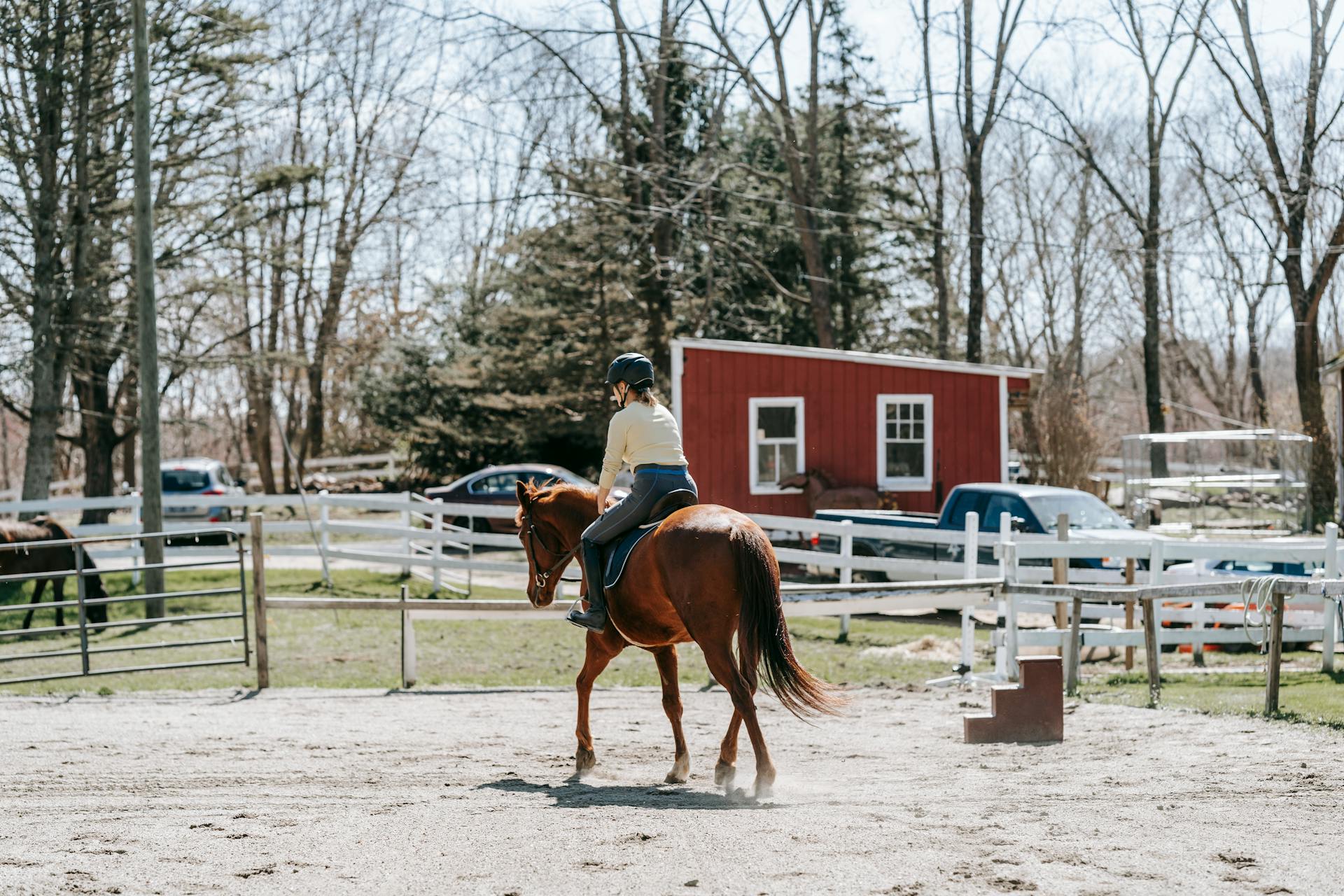
A Western saddle is the only type of saddle allowed in competition, designed to help riders stay balanced during quick turns and changes in direction.
Some horses wear breast collars and back cinches to stabilize the saddle.
Horses often wear boots to protect themselves from impact injuries caused by tight turns and rapid direction changes.
Hackamores and snaffle bits are permitted, but bridles with curb bits are the most popular choice for cutting horses.
Cutting Horse Breeds and Conformation
Cutting horses are often associated with the American Quarter Horse breed due to their agility and speed. Their muscular build and short, powerful legs help them make quick turns needed in cutting events.
These horses require a strong neck, sloping shoulder, and sturdy hindquarters to ensure balance and prevent lameness. Breeding programs focus on maintaining these traits for optimal performance.
Stock horse breeds, such as the American Quarter Horse, American Paint Horse, and Appaloosa, share several traits that make them suitable for cutting competitions.
Here are some of the top stock horse breeds for cutting:
- American Quarter Horse
- American Paint Horse
- Appaloosa
Horses that excel at the sport's top level are almost exclusively Quarter Horses, known for their cow sense, trainability, and athleticism.
Cutting Horse Competitions
Cutting horse competitions have become a popular and prestigious event in the equestrian world, attracting skilled riders and well-trained horses from around the globe.
These competitions involve teams of horses and riders working against the clock to separate a single cow from a herd and keep it isolated for a short period. The first recorded cutting horse exhibition was held in 1919 at the Southwestern Exposition and Fat Stock Show in Fort Worth, Texas.
The rules and scoring of these events are standardized, emphasizing precision and the horse's ability to anticipate and react to a cow's moves. Successful competitors exhibit exceptional communication and trust between horse and rider.
Cutting events are often part of larger rodeo shows and can include significant prize money and prestige, highlighting not only the horse's training but also the rider's skills. The National Cutting Horse Association (NCHA) was founded in 1946 by a group of 13 cutting horse owners who wanted to establish a set of rules and procedures for the sport.
Judges evaluate a cutting horse's performance based on its ability to anticipate and react to a cow's movements, as well as its control, style, and ability to maintain contact with the cow.
Check this out: How to Paint a Horse's Mane?
Cutting Horse Industry and Welfare
The cutting horse industry has its fair share of concerns regarding animal welfare.
Horses are not overworked in cutting events, as long as their training methods prioritize their well-being.
Misuse of training equipment like round-pens can compromise horse welfare, and studies have discussed this issue.
A different take: Training Cutting Horses
Frequently Asked Questions
What's the point of cutting horses?
The point of cutting horses is to separate a cow from its herd and prevent it from returning. This requires a skilled rider to expertly navigate the horse and cow in a controlled environment.
How much does a cutting horse cost?
A cutting horse can cost between $50,000 to $60,000, including purchase and training costs. This investment can lead to a valuable partner for competitive events and ranch work.
What are the rules of cutting horses?
Cutting horses must make at least two cuts from the herd, including one from the center, and keep the selected animal separated from the rest. The horse appears to work independently of the rider, showcasing its skill and training.
Featured Images: pexels.com