Let's dive into the wonderful world of cross breeds of dogs. These unique canines have captured the hearts of many pet owners, and for good reason - they often inherit the best traits from their parent breeds.
Some cross breeds, like the Labradoodle, are specifically designed to be low-shedding and hypoallergenic, making them perfect for families with allergies. This is due to the Poodle's genetic makeup, which reduces shedding.
Cross breeds can also offer improved health compared to purebred dogs. For example, the Cockapoo, a cross between a Cocker Spaniel and a Poodle, is often healthier than its purebred counterparts due to the genetic diversity introduced by the Poodle.
As a result, many cross breeds live longer and healthier lives, bringing joy to their families for years to come.
Benefits and Considerations
Mixed-breed dogs are less likely to develop health issues from genetic disorders, thanks to their diverse gene pool. They're a healthier option compared to purebred dogs.
Research shows that mixed-breed dogs are less prone to developing health issues from certain genetic disorders. Purebred dogs, on the other hand, can be predisposed to a range of hereditary and congenital diseases.
Mixed breeds have something called hybrid vigor, which means that the recessive genes carrying health problems are buried. This results in a healthier animal overall.
As a general rule, mixed-breed dogs are temperamentally sound and less extreme than purebred dogs. They're less likely to exhibit aggressive or nervous tendencies.
With the pet overpopulation tragedy still unsolved, adopting a mixed-breed dog from a shelter is a responsible choice. By doing so, you're giving a loving home to a dog that needs it.
Mixed-breed dogs are often cheaper and more reliable than purebred dogs. They're also what nature intended in the first place, as noted by syndicated animal columnist Mike Capuzzo.
Readers also liked: Papillon Poodle Mix Dog
Cross Breeds by Type
Crossbreeds can be produced by breeding dogs from two distinct breeds, or from several generations of dogs that were originally made up from two breeds.
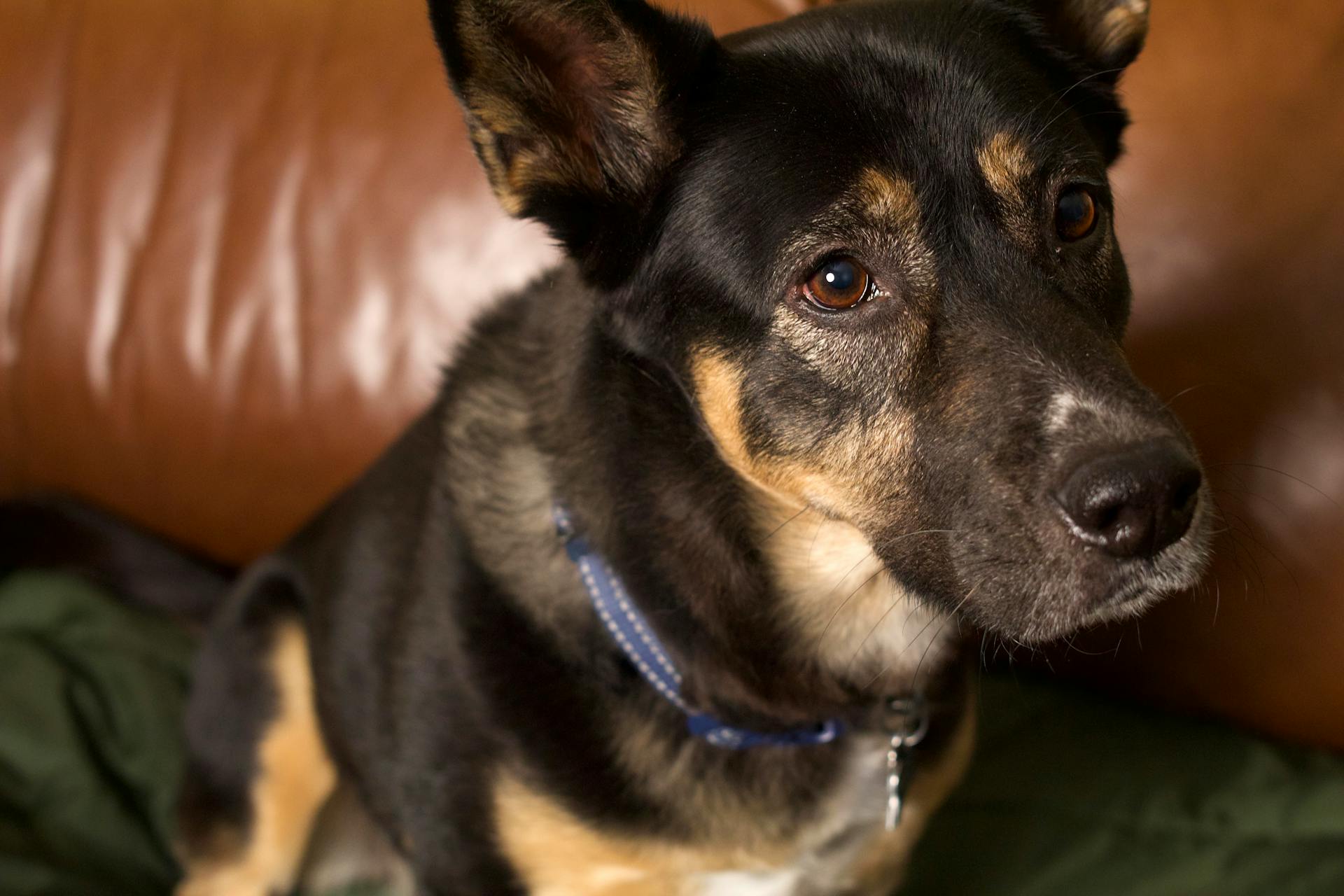
Some crossbreeds have nicknames that combine the names of their parents' breeds, such as 'Labradoodle' or 'Cockerpoo'.
Crossbreeds with these nicknames are often referred to as 'designer dogs'.
The 'F' in F1, F1b, and F2 stands for 'filial', which means the offspring of a cross.
If two separate breeds are bred, such as a Pug and a Jack Russell, then the puppies are known as an F1 cross.
Mixed-bred dogs don't usually have a pedigree or a known family tree and are either made up of three or more breeds, or they may come from parents whose breed combinations are unknown.
The Puggle is a cross between a Pug and Beagle.
The Pug may have traits of being affectionate and loyal, whereas the medium-sized Beagle is more likely to get on well with other dogs.
The Pug breed can often have respiratory issues, as the breed is brachycephalic.
The Puggle is likely to have fewer respiratory concerns as it is crossed with a Beagle, which often means this crossbreed has less shortening of the muzzle and potentially larger nostrils.
Puggles can come in different sizes, ranging from under 15 inches and less than 20 pounds to 13 to 15 inches and 20 to 30 pounds.
Intriguing read: Bichon Beagle Mix Dogs
Doodle Breeds
The term "Doodle Breeds" refers to crossbreeds that combine a Poodle with another breed. These dogs often inherit the Poodle's intelligence, trainability, and low-shedding coat. You might have heard of the Goldendoodle, a mix between a Golden Retriever and a Standard Poodle.
The Goldendoodle is a popular crossbreed, known for being easy to train and lovable. They can weigh anywhere from 10 to 90 pounds, depending on the size of the parent Poodle. Their curly hair is dominant, and they often have the friendly "puppy eyes" of their Golden Retriever parent.
Labradoodles are another type of Doodle Breed, combining a Labrador Retriever with a Standard Poodle. They can be quite energetic, but they tend to get along well with other dogs. Labradoodles often inherit the trainability and intelligence of their Poodle parent.
Some Doodle Breeds, like the Bernedoodle, combine a Bernese Mountain Dog with a Poodle. They are known for being intelligent, calm, and easy to train. Bernedoodles can weigh anywhere from 10 to 90 pounds, depending on the size of the parent Poodle.
Curious to learn more? Check out: Golden Breeds of Dogs
The Cockapoo is also a popular Doodle Breed, combining a Cocker Spaniel with a Poodle. They are often low-shedding and easy to train, making them a great choice for families. Cockapoos are usually around 30 pounds, small enough for sofa snuggling but big enough to play in the backyard.
The Yorkipoo, a mix between a Yorkshire Terrier and a Toy Poodle, is another example of a Doodle Breed. They are often hypoallergenic and playful, weighing in at 15 pounds or less.
Related reading: Dogs Similar to Goldendoodles
Other Breeds
The cockapoo is a great example of a cross breed that's perfect for families with kids. It's a mix of a cocker spaniel and a poodle, often referred to as a spoodle in Australia.
This adorable combination of wavy poodle hair and dreamy cocker spaniel eyes typically weighs around 30 pounds, making it small enough for sofa snuggling but big enough for backyard playtime.
These happy-go-lucky dogs love to frolic and play with the entire family, making them one of the best breeds for kids and families.
A unique perspective: Clumber Spaniel Mix
Toy and Small Breeds
Toy and small breeds are a delight, and for good reason. They're often perfect for families with kids or for those who live in smaller spaces.
The cockapoo, a cross between a cocker spaniel and a poodle, is usually around 30 pounds, making it a great size for snuggling on the sofa or playing in the backyard.
Morkies, a combination of a Maltese and a Yorkshire terrier, are small but certainly not timid - they love attention and will stay protective of their families.
The Maltese breed is known for being very sociable and strongly attached to their owners, which is lovely for families who want a furry friend to be part of the gang.
Yorkshire terriers, on the other hand, can be lively and attentive, making them a great match for families who want a playful companion.
27 Zuchon
The Zuchon is a mix of the Shih Tzu and the Bichon Frise, making it a lively and sociable breed. Both parents are known for being companions, so it's no surprise that the Zuchon is also affectionate and playful.
This breed is likely to have fewer respiratory concerns than the Shih Tzu, as it's crossed with a Bichon Frise, which means it may have a less shortened muzzle and potentially larger nostrils.
Expand your knowledge: Bichon Frise Miniature Poodle Mix
Breeding and Genetics
Crossbreed dogs can come from two distinctive breeds, or several generations of dogs that were originally made up from two breeds. This mix of traits and characteristics can affect the puppies, so it's essential to consider how this mix could impact them.
The 'F' in F1, F1b, and F2 stands for 'filial', which means the offspring of a cross. F1 crossbreeds are the result of breeding two separate breeds, such as a Pug and a Jack Russell.
Inbreeding can be an issue for crossbred dogs, especially when breeding dogs that are closely related. This can lead to reduced genetic diversity and increased risks associated with inbreeding.
Not knowing which breed combinations make up a dog can make it difficult to predict how the puppies will look, their temperament, and if they will be at risk of health problems.
Related reading: F1 Wolfdog
Are Dogs Always Healthier?
Dogs, like people, can inherit diseases from their parents. Some health conditions are more common in certain breeds.
Puppies produced from two unrelated parents tend to be healthier. This is because they don't inherit as many genetic problems from their parents.
However, breeding two dogs from different breeds that both have health issues can still produce puppies with those problems. For example, breeding a Labrador Retriever with a Standard Poodle could still result in puppies with joint problems.
The shape of a dog's head can also be a factor in health issues. Breeding two flat-faced breeds, like a Pug and a Bulldog, can produce puppies prone to breathing problems and eye conditions.
In general, it's not a guarantee that crossbreed dogs will be healthier. Their health depends on the health and genetics of their parents.
Producing Puppies from Multiple Breeds
Dogs from two different breeds can naturally breed, but it's essential to consider the health and welfare of the puppies you produce and the dogs you use for breeding.
In general, puppies that are produced from two unrelated parents tend to be healthier, but this very much depends on the health and genetics of the parents.

Crossbreeds often have a mix of their parent's traits and characteristics, so it's crucial to think about how this mix could affect the puppies.
Some popular crossbreeds have nicknames that combine the names of their parents' breeds, such as 'Labradoodle' (Labrador Retriever and Poodle) or 'Cockerpoo' (Cocker Spaniel and Poodle).
Crossbreeds with these nicknames are often referred to as 'designer dogs.
The 'F' in F1, F1b, and F2 stands for 'filial', which means the offspring of a cross.
If two separate breeds are bred, such as a Pug and a Jack Russell, then the puppies are known as an F1 cross.
Mixed-bred dogs don't usually have a pedigree or a known family tree and are either made up of three or more breeds, or they may come from parents whose breed combinations are unknown.
The breeding of dogs from two varieties of a breed is also a way to improve genetic diversity while keeping the predictability of the look and temperament of the puppies, as seen in breeding a Toy Poodle with a Miniature Poodle or a Long-Coated Chihuahua with a Smooth Coated Chihuahua.
Broaden your view: Chihuahua Mix Dogs
Registering Puppies with The Kennel Club
The Kennel Club offers registration for crossbreed and mixed breed puppies. You can register your crossbreed or mixed breed puppies with The Kennel Club.
The registration process has restrictions, however. The registration of crossbreed and mixed breed dogs has been restricted to The Kennel Club's Activity Register.
This registration will allow you to enter licensed Kennel Club events, such as Agility. The dog must be registered in the owner's name to participate in these activities.
The Activity Register is open to all dogs that are not eligible for registration on The Kennel Club's Breed Register.
You might like: Alaskan Malamute Mixed with Timber Wolf
Frequently Asked Questions
What is the best cross-breed dog?
Unfortunately, there is no single "best" cross-breed dog, as the ideal breed depends on individual preferences and needs, but popular options like the Beaglier, Bernadoodle, and Cavachon are often sought after for their unique characteristics and temperaments.
What does F1, F2, f3 mean in dogs?
F1, F2, and F3 refer to the generation of a dog's ancestry, with F1 being the first cross between two breeds, F2 being the offspring of two F1 dogs, and F3 being the offspring of two F2 dogs
Featured Images: pexels.com