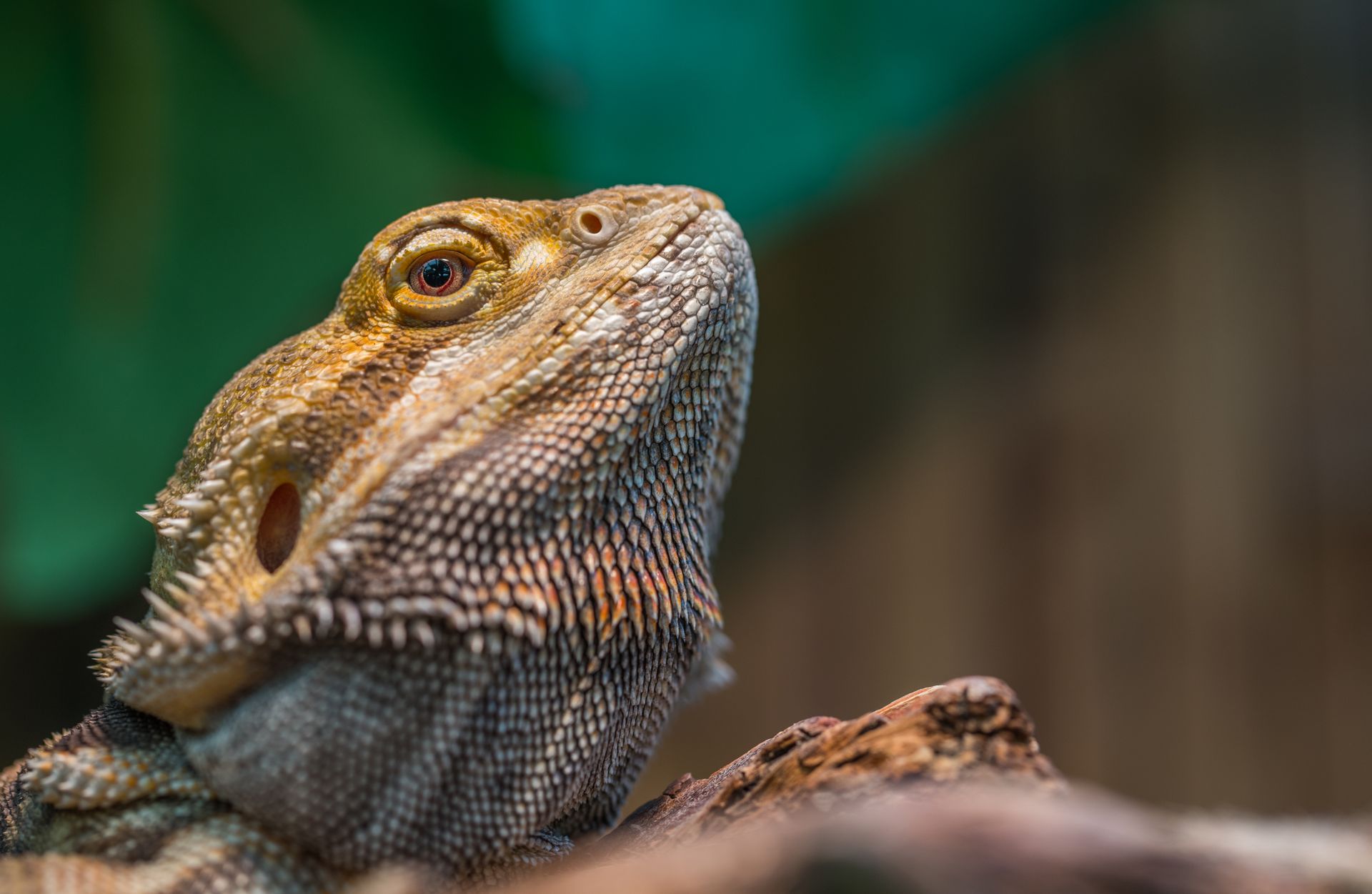
As a bearded dragon owner, it's essential to be aware of the common diseases that can affect your pet. Metabolic bone disease is one of the most common issues, caused by a lack of calcium, vitamin D3, or UVB lighting.
This disease can lead to softening of the bones, causing a range of symptoms including swollen limbs, lethargy, and a decrease in appetite.
Impaction is another common problem, where food or substrate becomes stuck in the digestive tract. This can be caused by feeding your bearded dragon too many large or hard foods.
Impaction can be a serious issue, leading to dehydration, weight loss, and even death if left untreated.
Common Bearded Dragon Diseases
Bearded dragons are generally hardy animals, but they can be prone to certain health issues if not properly cared for. One of the most common diseases in pet bearded dragons is metabolic bone disease (MBD).
MBD is often seen in juvenile bearded dragons under two years old and is caused by a diet high in phosphorus and low in calcium and/or Vitamin D3. This can lead to swelling of the lower jaw, softening of the bones, and tremors in the legs.
Parasites are another common issue in bearded dragons, with pinworms, motile protozoa, and coccidia being common culprits. These parasites can be found in the intestinal tracts of bearded dragons and can cause a range of symptoms from mild loose stool to foul-smelling feces and weight loss.
Infectious stomatitis, also known as "mouth rot", is a bacterial infection that can cause swelling and discharge in the mouth and throat. Respiratory infections can also occur in bearded dragons, leading to symptoms such as sneezing, coughing, and difficulty breathing.
Common signs of MBD include swelling of the lower jaw, softening of the bones, and tremors in the legs. Legs may also tremor as the lizard tries to walk, and many bearded dragons with MBD are too weak to walk or push themselves up in a normal stance.
Parasites can be diagnosed by a veterinarian through a microscopic examination of the fecal material. If left untreated, parasites can cause a range of serious health problems in bearded dragons.
You might enjoy: Ear Parasites in Cats
External Signs and Symptoms
Bearded dragons often don't show signs of pain or discomfort, so it can be tricky to tell if something's wrong. But, if you notice any unusual behavior, it's always better to err on the side of caution and consult your vet.
Some common external signs of illness in bearded dragons include swelling or puffiness in the eyes, which can be caused by a variety of factors such as malnourishment or an eye infection. Swollen eyes can also be a sign of shedding, an overdose of Vitamin A, or parasites.
Lethargy and lack of appetite are also common signs of illness in bearded dragons, and can be caused by a range of diseases, including metabolic bone disease (MBD). If you notice your bearded dragon is lethargic or not eating, it's essential to get them checked out by a vet ASAP.
Here are some common signs of MBD in bearded dragons:
- Lack of appetite
- Lethargy and weakness
- Stress
- Constipation
In more severe cases of MBD, you may notice receded lower jaws, swollen limbs and jaw, bumps along the spine or bones, and soft jaw and facial bones.
Take a look at this: Teeth Grinding in Animals Such as Dogs on Bones
Swollen Puffed-Out Eyes

Swollen eyes can be a sign of malnourishment in bearded dragons, often caused by an improper diet or inadequate UV exposure.
Bearded dragons can easily become malnourished, which can lead to a range of health problems.
Shedding can also cause swollen eyes in bearded dragons, but it's usually a normal process.
However, if your bearded dragon's swollen eyes persist or are accompanied by other symptoms, it's best to consult with a veterinarian to rule out any underlying issues.
Hypervitaminosis A, or an overdose of Vitamin A, can also cause swollen eyes in bearded dragons.
Parasites or eye infections are less likely to cause swollen eyes, but it's still possible, especially if your bearded dragon's environment is not clean and well-maintained.
If you suspect that your bearded dragon's swollen eyes are caused by malnourishment, make sure to adjust their diet and UV exposure accordingly.
Readers also liked: Pug Dog Eyes Pop Out
Signs of Discomfort
If you notice any unusual behavior in your bearded dragon, it's essential to investigate further. Bearded dragons may not show or complain of pain, as it can make them a target for predators in the wild.
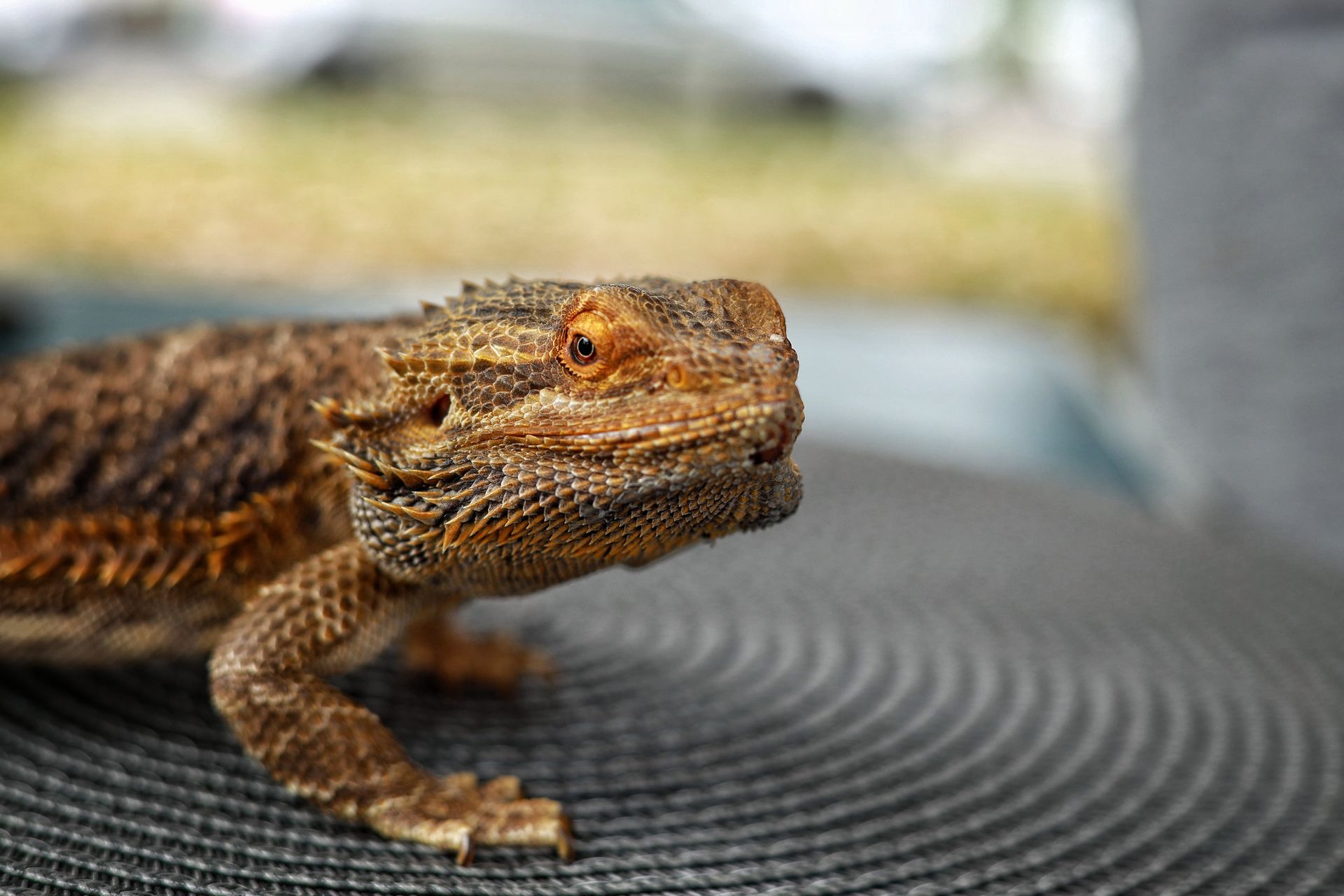
Lack of appetite, lethargy, and stress are common signs of discomfort in bearded dragons. These symptoms can be caused by various issues, so it's crucial to consult your vet if you observe any of these signs.
Some bearded dragons may exhibit non-specific symptoms, such as anorexia, depression, and lethargy, which can be seen with many diseases. These symptoms alone may not indicate a specific disease, so it's always best to err on the side of caution and consult your vet.
If your bearded dragon is shedding or breeding, they may display unusual behavior. However, if these are not the case, look out for signs of discomfort, such as:
- Lack of appetite
- Lethargy and weakness
- Stress
- Constipation
These symptoms can be indicative of various health issues, including metabolic bone disease, parasites, or other conditions. If you're unsure about your bearded dragon's behavior or health, it's always best to consult your vet for professional advice.
In some cases, bearded dragons may display more pronounced symptoms, such as receded lower jaw, swollen limbs and jaw, and bumps along the spine or bones. These symptoms are often indicative of more severe health issues, such as metabolic bone disease, and require immediate veterinary attention.
Suggestion: Dog Metabolic Diseases
Parasites and Infections
Parasites and Infections can be a serious concern for bearded dragons. Respiratory infections, especially pneumonia, can occur in stressed, improperly fed, or poorly cared for bearded dragons.
Mites and parasites can suck the blood from your bearded dragon and transmit diseases. They tend to attack sensitive areas where the scales are thinner, such as the eyes and ears.
Bearded dragons can also have good parasites that help with digestion, but unfortunately, it's hard to tell if they have unhealthy parasites without a stool sample from an experienced vet.
Consider reading: Types of Cat Eye Infections
Respiratory Infections
Respiratory infections can occur in bearded dragons that are stressed, improperly fed, or kept in poor, cold, or dirty conditions.
Respiratory infections can be caused by bacteria, viruses, fungi, or parasites, which can weaken a bearded dragon's immune system and allow bacteria to invade the respiratory tract.
Bearded dragons with respiratory infections may sneeze, have discharge from their eyes or nose, bubbles from the mouth or nose, unnaturally rapid or shallow breathing, open-mouthed breathing, decreased appetite, and lethargy.
It's essential to seek immediate attention and aggressive therapy from a veterinarian if you suspect your bearded dragon has a respiratory infection.
These symptoms can be a sign of a serious underlying issue, so don't hesitate to reach out to a professional for help.
Expand your knowledge: Pug Dog Breathing Problems
Mites
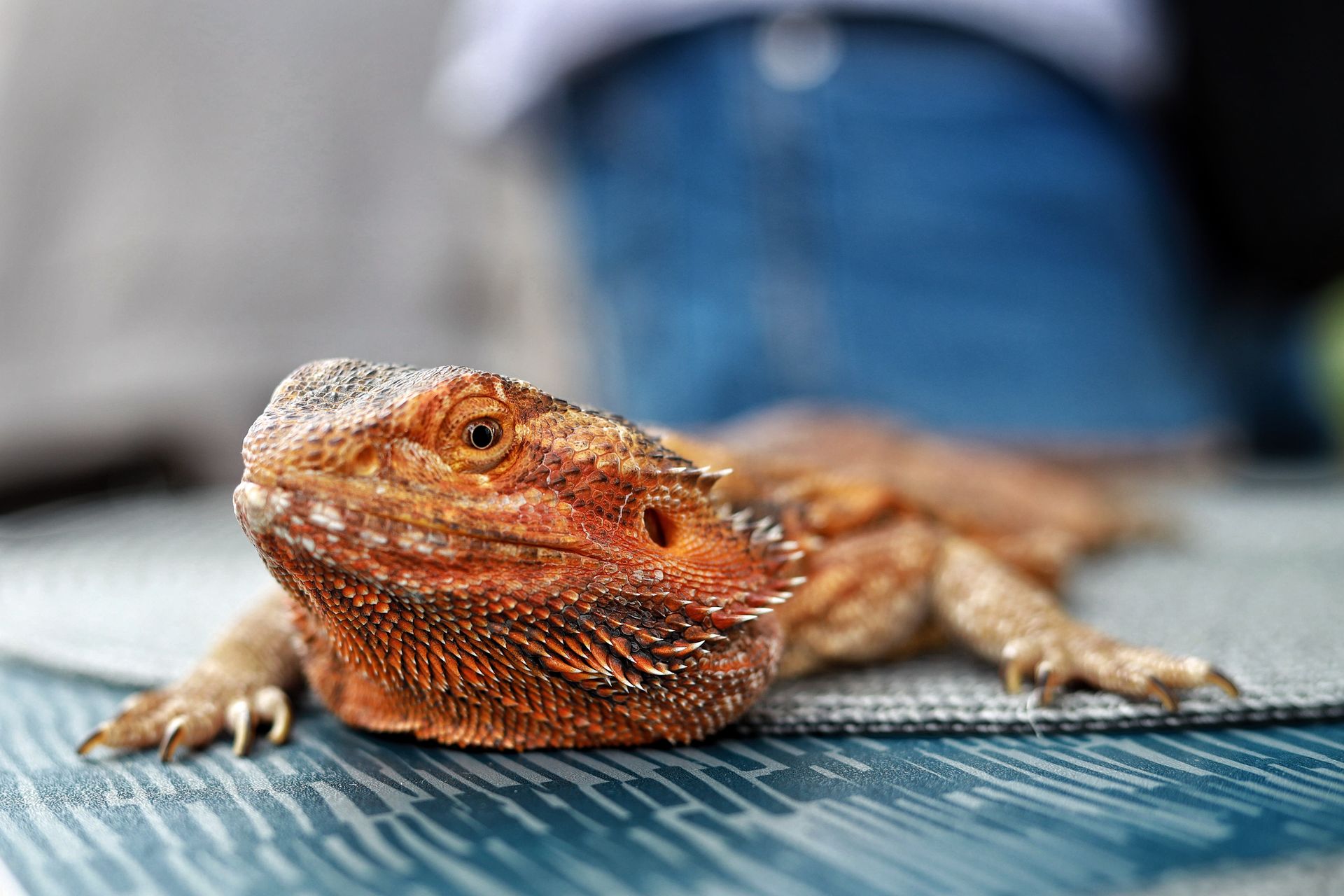
Mites are organisms that suck the blood from your bearded dragon and can transmit diseases and illnesses among dragons.
Mites typically target sensitive areas like the eyes, ears, and other areas on the body where your dragon's scales are thinner.
Bearded dragons' scales are usually tough enough to prevent mites from penetrating, but these sensitive areas provide an entry point for the mites.
There's no way to tell if your bearded dragon has unhealthy parasites without doing a stool sample, which should be done by an experienced vet.
Recommended read: Homemade Dog Food for Dogs with Sensitive Stomachs
Atadenovirus Symptoms
A bearded dragon with atadenovirus typically won't survive past three months of age and will struggle to grow.
It's often described as a "wasting disease" or "stargazing disease" due to the symptoms, which can be quite non-specific.
A young bearded dragon with ADV will be lethargic, lose weight, and not want to eat.
The virus weakens the immune system, making it harder for the bearded dragon to fight off other issues like intestinal parasites such as coccidia.
Curious to learn more? Check out: Will a Hearing Aid Battery Kill a Dog
Some bearded dragons with ADV may experience neurological symptoms like body twitching and seizures.
They may also arch their neck and look up at the sky due to the virus's effect on their nervous system.
As adults, bearded dragons with atadenovirus can develop liver and kidney disease, encephalitis, gastroenteritis, stomatitis, and other conditions.
Unfortunately, these findings are often only discovered after the bearded dragon has passed away and a necropsy is performed.
Some bearded dragons never show any symptoms and can be lifelong carriers of the virus.
Yellow Fungus
Yellow fungus is one of the more severe illnesses that is common among bearded dragons.
Bearded dragons are prone to yellow fungus, a serious health issue that requires prompt attention. It's essential to recognize the symptoms early on to prevent it from spreading.
The symptoms of yellow fungus include a yellowish growth on the skin, often accompanied by a foul odor. This fungus can appear on the bearded dragon's face, legs, or belly.
Expand your knowledge: Dog Vomiting Yellow Bile
If left untreated, yellow fungus can lead to severe skin lesions and even death. In some cases, it can also cause the bearded dragon to stop eating.
Part of owning a bearded dragon means staying knowledgeable about potential health issues, and recognizing the signs of yellow fungus is crucial to preventing its spread.
A fresh viewpoint: Rabbit Fungus
Dental and Skin Issues
Mouth rot is a serious issue that can cause a yellowish/white substance to appear in and around your bearded dragon's mouth, often accompanied by swollen cheeks and loose teeth.
A decrease in appetite is a common symptom of mouth rot, making it essential to monitor your dragon's eating habits closely.
If you suspect mouth rot, take your bearded dragon to the vet immediately for proper treatment.
For your interest: Black Mouth Cur Health Issues
Impaction
Impaction can be a serious issue in bearded dragons, and it's essential to recognize the signs. If your bearded dragon has stopped defecating for several days, yet is still eating daily, it could be an issue.
Recommended read: Free-ranging Dog Issue of Kerala
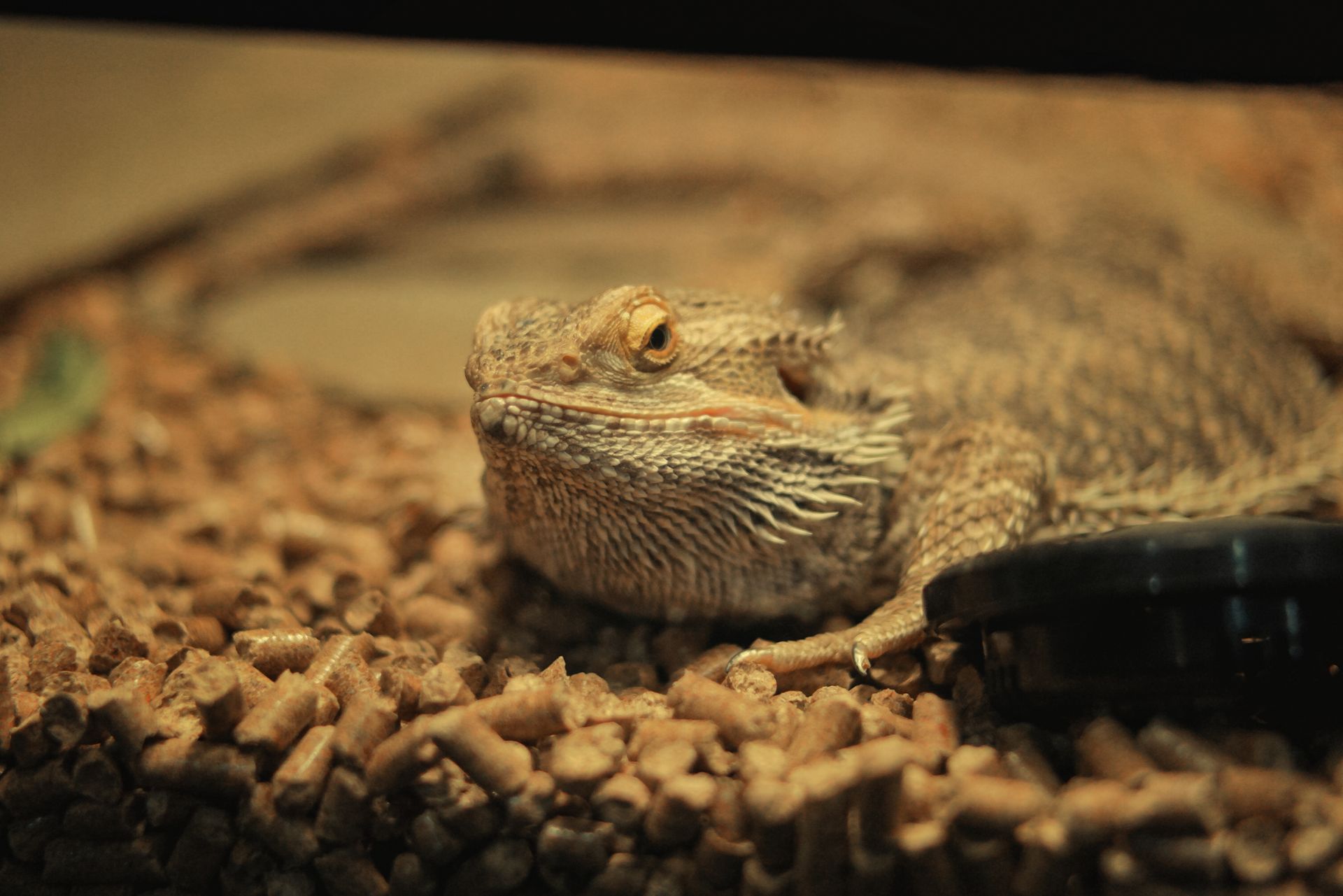
A bearded dragon's bathroom schedule should be fairly regular, and any deviation from this can be a cause for concern. Normally, you can solve the problem by giving your dragon a bath in warm water (95-100°F) for 10-15 minutes.
Gently massaging your dragon's stomach while it's in the water for a few minutes can help stimulate a bowel movement within 24 hours. This is especially helpful if your dragon's constipation is due to being too cold, a minor blockage, or intestinal parasites.
If your bearded dragon still continues to be constipated after a warm bath, it's crucial to see a vet as soon as possible. Blockages can cause long-term health issues if not dealt with, so prompt attention is necessary.
Tail Rot
Tail rot is a serious condition that can affect your bearded dragon, causing the end of its tail to turn black, appear shriveled, and feel mushy.
This condition is often caused by an injury to the tail and its tissues becoming infected.
In severe cases, surgical amputation of the affected tissue is necessary to treat tail rot.
If you suspect your bearded dragon has tail rot, it's essential to seek veterinary attention immediately.
Tail rot requires aggressive treatment, which is why prompt action is crucial in preventing further complications.
Mouth Rot
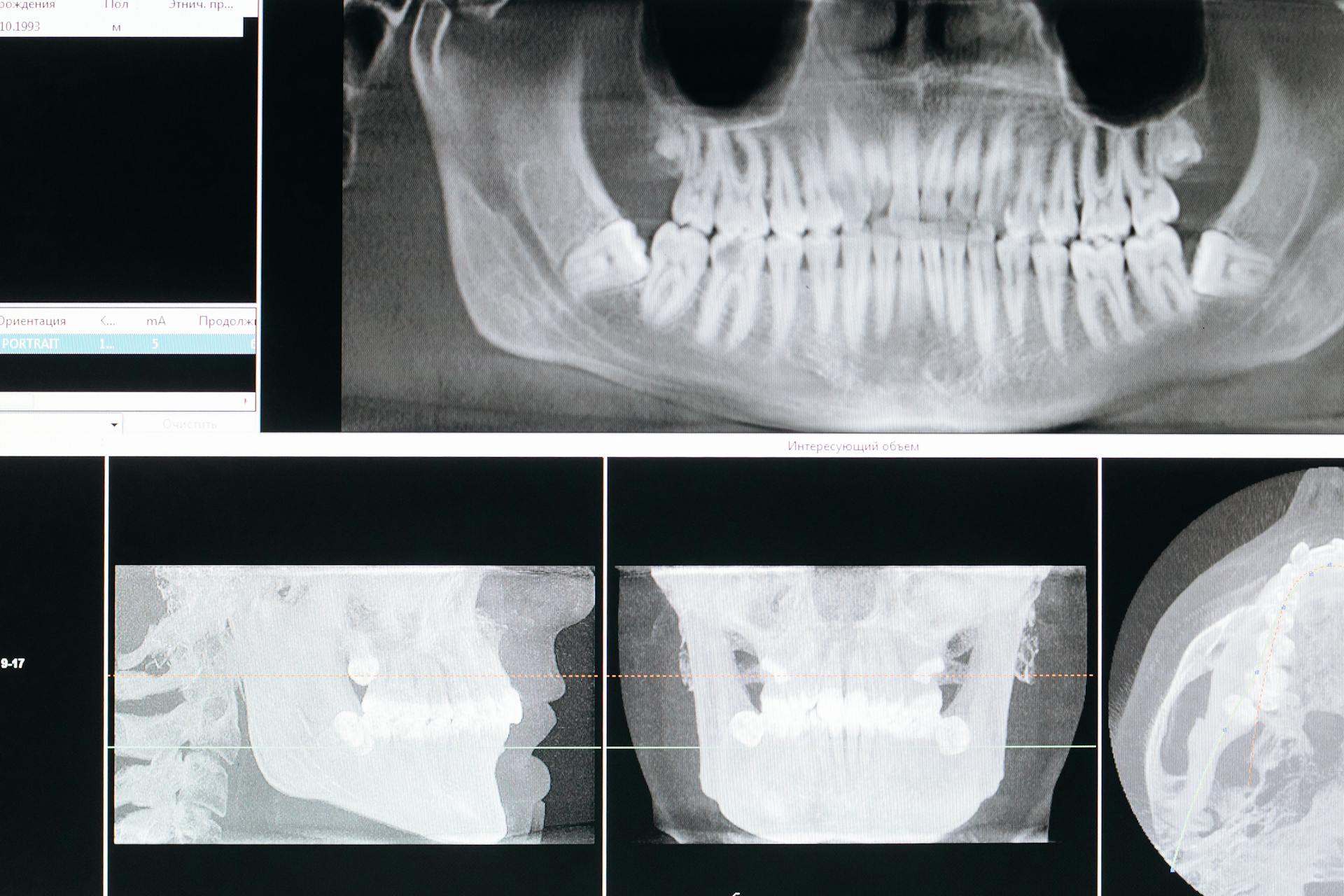
Mouth rot is a serious issue that can affect your bearded dragon's overall health.
Mouth rot is characterized by a yellowish/white substance appearing in and around the mouth of your bearded dragon.
Sometimes, a dragon's mouth can be swollen and their teeth can be loose due to mouth rot.
If you suspect your bearded dragon has mouth rot, it's essential to take them to the vet for proper treatment.
Mouth rot can lead to a decreased appetite in bearded dragons, making it crucial to address the issue promptly.
If left untreated, mouth rot can have severe consequences for your bearded dragon's health and well-being.
Expand your knowledge: Bone Loss in Mouth
Abscesses
Abscesses can be a common issue in bearded dragons, appearing as hard tumor-like swellings anywhere on the body.
These swellings are actually infected areas within body tissue containing an accumulation of pus.
Reptilian pus is usually caseous, resembling cottage cheese.
Abscesses can occur in any reptile and often go unnoticed until they are large and prominent.
Explore further: Boston Terrier Body
They can be caused by bacteria or fungi introduced into the tissue through trauma, such as a bite wound or penetration from a foreign object.
Subcutaneous abscesses are frequently encountered in reptiles.
Abscesses of the upper or lower jaw may occur from trauma to the mouth or from an infected tooth.
To diagnose an abscess, a veterinarian may use appearance, palpation, fine needle aspiration, or surgical exploration.
Treatment usually involves surgical excision or lancing and flushing the abscess.
It's essential to culture the material within the abscess to identify the causative organism and determine the appropriate medication to treat any remaining infection.
General Health and Wellness
Bearded dragons are generally hardy animals, but they can still develop health issues if not properly cared for. If you're a bearded dragon owner, it's essential to know the common health conditions that can affect your pet.
Common health conditions include CANV, atadenovirus, metabolic bone disease, parasites, infectious stomatitis ('mouth rot'), and respiratory infections. These conditions can be caused by various factors, such as poor diet, inadequate husbandry, and lack of proper care.
A fresh viewpoint: Doberman Pinscher Skin Problems
Here are some signs of discomfort in your bearded dragon: lethargy and weakness, lack of appetite, stress, constipation, receded lower jaw, swollen limbs and jaw, bumps along the spine or bones, soft jaw and facial bones, bowed limbs and arched spine, fractures and broken bones, greenstick fractures, trembling and twitching limbs, tremors and seizures, and paralysis or difficulty moving. If you notice any of these signs, it's crucial to consult your vet immediately.
Early signs of metabolic bone disease in bearded dragons include lack of appetite, lethargy and weakness, stress, and constipation. However, these symptoms can be caused by other issues, so it's essential to consult your vet to determine the underlying cause.
Suggestion: Pitbull Dog Signs
Metabolic Bone Disease
Metabolic bone disease (MBD) is a common health issue in pet bearded dragons. It's caused by a lack of calcium, vitamin D3, and/or phosphorus in their diet, which can be due to a poor diet or lack of supplementation.
A diet too high in phosphorus or oxalates can also contribute to MBD. UVB lighting is essential for digestion and absorption of nutrients, and improper lighting can lead to MBD.
Common signs of MBD include bumps in the legs, twitches, ticks, spasms, or tremors, bumps in the vertical columns of the back and tail, and a swollen bottom jaw.
Here are some early signs of MBD to look out for:
- Lack of appetite
- Lethargy and weakness
- Stress
- Constipation
If you suspect your bearded dragon has MBD, it's essential to consult a vet as soon as possible. They can perform tests to determine the severity of the condition and provide proper treatment.
In moderate to severe cases of MBD, symptoms can be more pronounced and devastating, including receded lower jaw, swollen limbs and jaw, bumps along the spine or bones, and soft jaw and facial bones.
Radiographs (X-rays) can reveal thin bone tissue, widening and thickening bone shafts, and possibly fractures that appear to have occurred in the absence of any trauma. Blood tests may show a low calcium level or an imbalance of calcium and phosphorus blood values.
Recommended read: Dog Blood Work Cost near Me
Dehydration
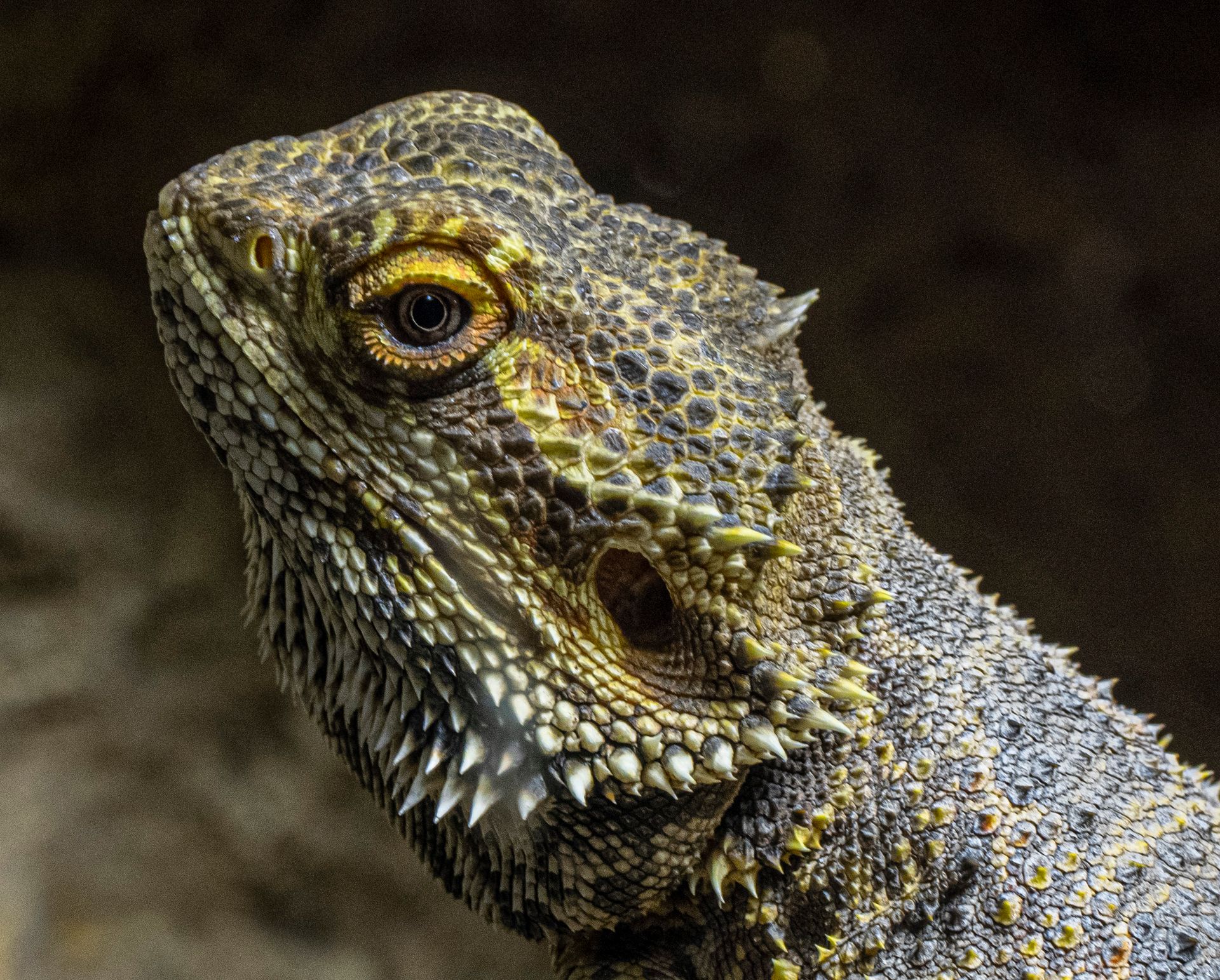
Dehydration is a serious issue for bearded dragons, and it's essential to recognize the signs early on. If you suspect your bearded dragon is ill, hydration becomes even more important.
Sunken eyes are a clear sign of dehydration, and if your dragon perks up after drinking, it's a good indication that they were indeed dehydrated. Wrinkled skin is another warning sign, and a lack of appetite or energy can also be symptoms.
One way to test for dehydration is by gently pinching your bearded dragon's skin with your fingers. If the skin holds its shape after you let go for a few moments, it's a sign that your bearded dragon is dehydrated.
If you suspect dehydration, try to coax your bearded dragon into drinking water, Pedialyte, or diluted sports drinks like Powerade. Fresh water is a good starting point, but if that doesn't work, you can try using an eye dropper or a small syringe without the needle.
Here are the signs of dehydration to look out for:
- Sunken eyes
- Your dragon perks up after drinking
- Wrinkled skin
- Lack of appetite
- Lack of energy
Abnormal Behavior
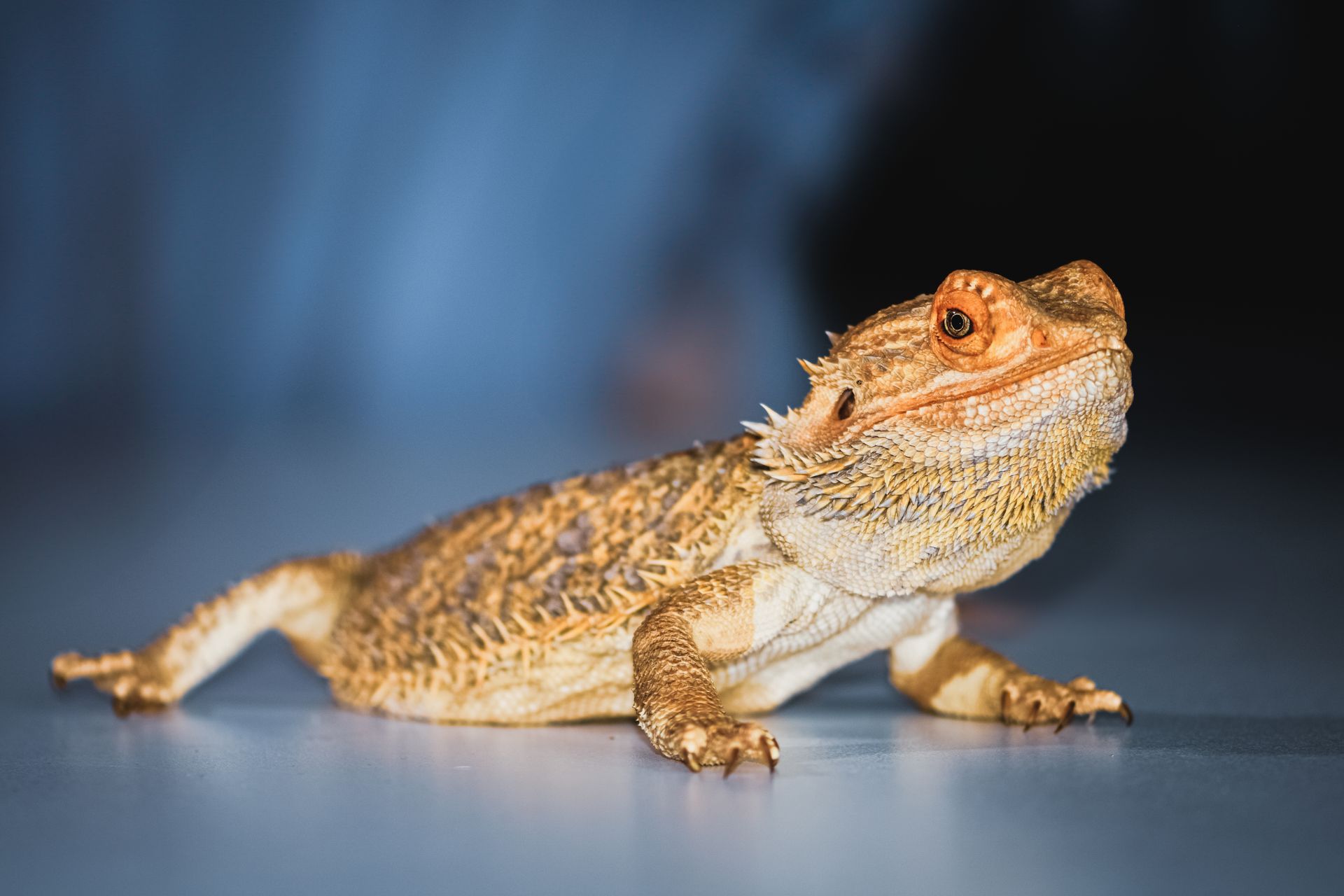
If your bearded dragon is behaving abnormally, it's likely that they have an issue that needs to be addressed. Sometimes, it can be as simple as making sure the lighting is right.
Bearded dragons can be quite subtle with their behavior, so it's essential to pay attention to even the smallest changes. If you notice any of the following signs, consult your vet: lack of appetite, lethargy and weakness, stress, and constipation.
Early detection is key when it comes to preventing more severe problems. If you're familiar with your bearded dragon and you feel something is not quite right, it's always safer to consult your vet.
Here are some common signs of discomfort in bearded dragons:
- Lack of appetite
- Lethargy and weakness
- Stress
- Constipation
These symptoms can be caused by many problems, so it's crucial to consult your vet to determine the underlying issue.
Signs of a Healthy
Most of the time bearded dragons will only act different if they are feeling ill.
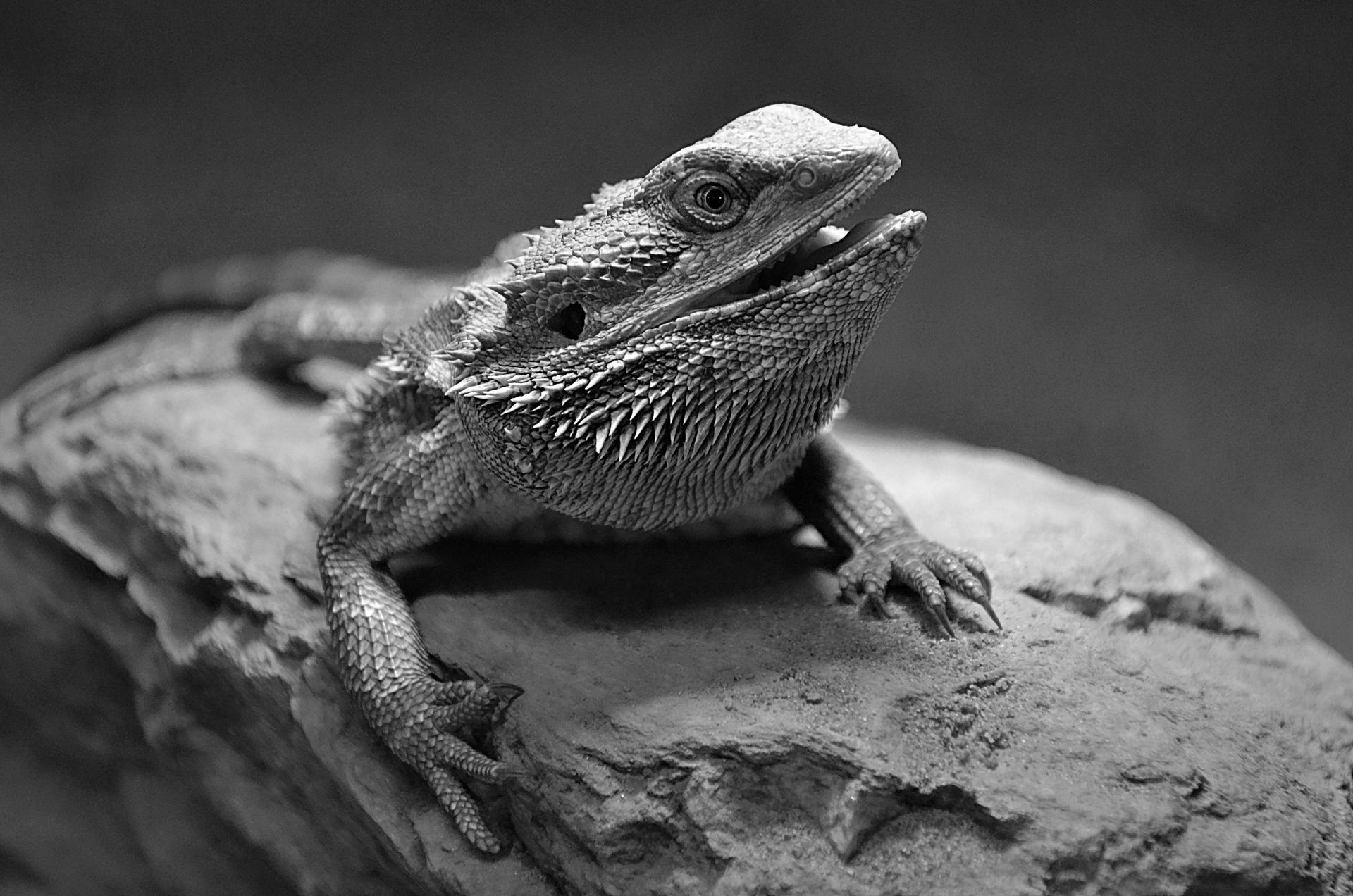
A healthy bearded dragon will have a shiny, clear scales.
They should have a good appetite and eat regularly.
Their stool should be firm and well-formed.
They should be active and move around easily.
They should have a strong, clear gaze.
If a bearded dragon is feeling stressed or threatened, it will puff out its throat skin, also known as a "beard".
Treatment and Prevention
Treatment for metabolic bone disease involves a multi-pronged approach, including oral calcium supplementation, phosphorus-lowering medication, and rehydration with fluids.
Providing full-spectrum lighting, including UV-B, is crucial for bearded dragons to make vitamin D3 in their skin.
Injectable vitamin D3 and/or calcitonin injections may also be necessary to help re-deposit calcium back into the bearded dragon's bones.
Infectious stomatitis requires injectable antibiotics as well as antiseptic mouth rinses to treat the infection.
Supplemental feedings may be necessary for dragons who are too painful to eat due to mouth rot.
Respiratory infections can be diagnosed using radiographs, blood tests, and cultures of eye/nose/oral discharges.
Affected dragons are typically treated with oral or injectable antibiotics, and in severe cases, hospitalization may be necessary for more aggressive therapy and supportive treatments.
Frequently Asked Questions
What is the most common cause of death in bearded dragons?
Bearded dragons are often killed by impaction, a condition that can cause paralysis of one or more legs and severely limit mobility
How do I know if my bearded dragon has MBD?
Look for signs like soft or bowed limbs, misshapen jaw or spine, and difficulty walking or climbing in your bearded dragon, which could indicate Metabolic Bone Disease
Featured Images: pexels.com