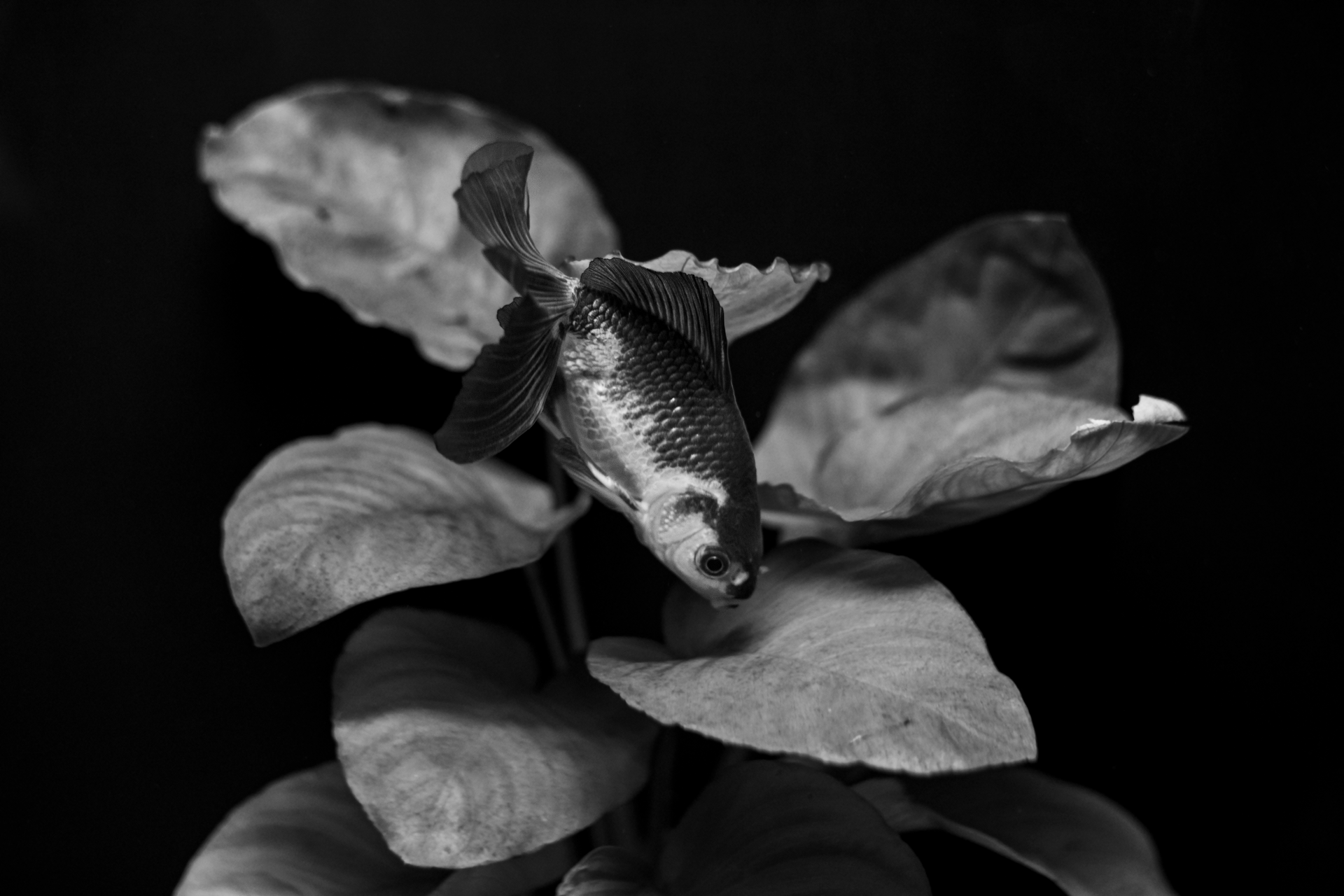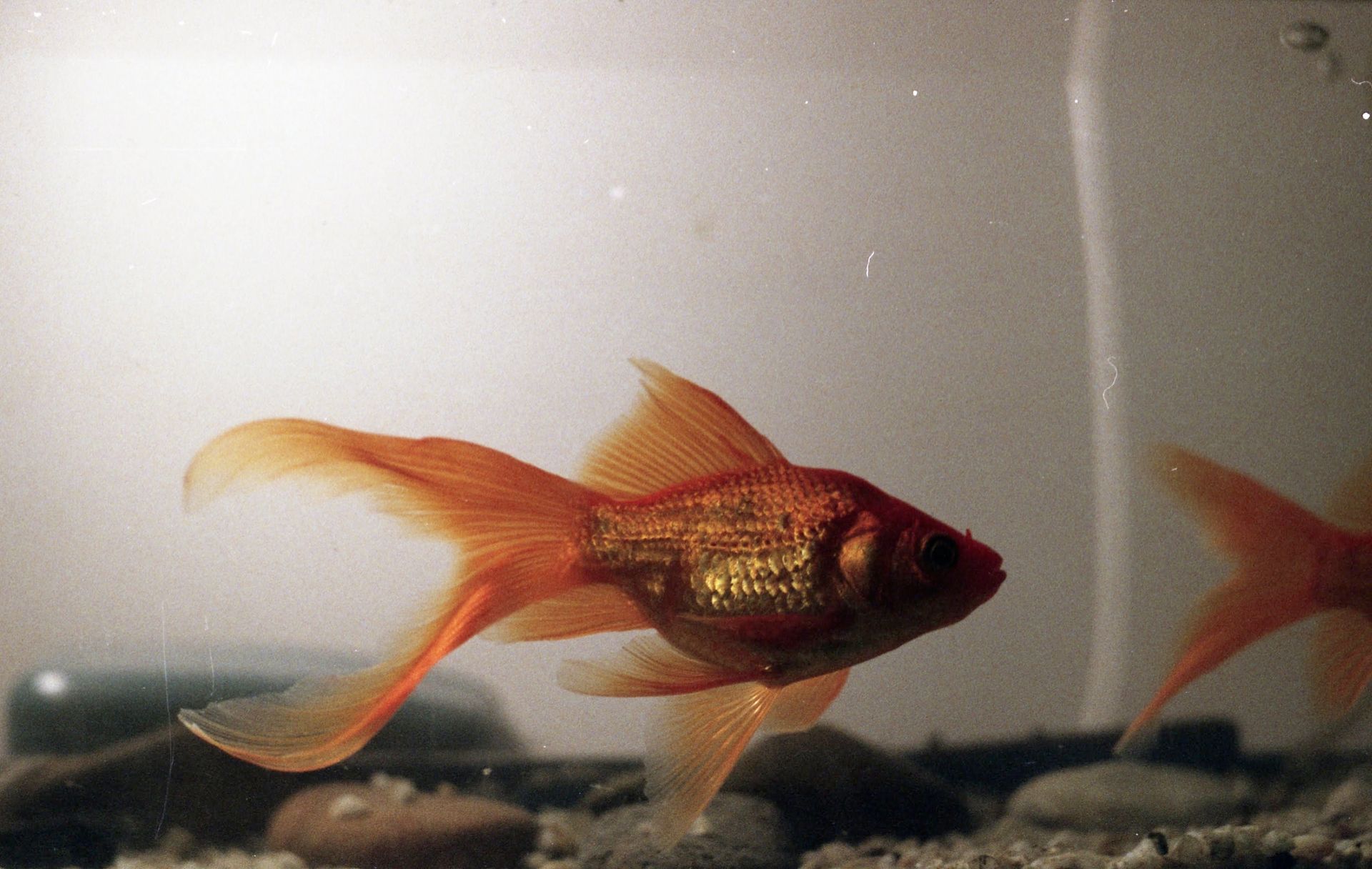
Setting up a comet goldfish pond requires some planning and preparation. A minimum pond size of 20 gallons per fish is recommended to ensure a healthy environment.
Comet goldfish can grow quite large, up to 6-8 inches in length, so you'll want to make sure your pond is spacious enough to accommodate them.
A good rule of thumb for pond depth is to have it at least 12-18 inches deep to prevent fish from freezing in cold weather and to provide enough room for them to swim.
Regular water changes are crucial to keep your comet goldfish pond clean and healthy.
Additional reading: Vetcheck Pet Urgent Care Center - Fishers in
Goldfish Care
Comet goldfish are prone to ich, or white spot disease, so regular water changes are crucial. Perform 25% water changes weekly to maintain water quality.
Regularly cleaning out debris such as leaves daily is also essential. This will help prevent water quality issues and keep your pond healthy.
To prevent the spread of illness, quarantine any new fish for a few days before introducing them to your pond. This will give you a chance to observe for any health issues.
Comet goldfish prefer slightly hard, alkaline water, with a pH of 7.5-8.5. They're happiest in water between 10°C/50°F and 20°C/68°F.
Goldfish are messy, so an external filter is the best option. This will help keep your pond clean and healthy.
Males develop breeding tubercles, white spots on the gill covers, and ridges on their pectoral fins, while females become plump with eggs and become lopsided when viewed from above.
Pond Setup
Comet goldfish love plants that double as oxygenators, so include anacharis, hornwort, and water sprite in your pond setup.
These plants are not only great for your fish's habitat, but they're also a tasty snack for comets.
You can place emergent plants on pond shelves that are too shallow for fish to swim to, and use rocks that are too heavy for fish to move as a base for the plants.
Duckweed, on the other hand, is a bit of a challenge - comets just can't resist it, so be prepared for some nibbling on leaves.
It's a good thing duckweed is easy to spread and replenish, and it will also provide your comets with a renewable source of nutrients.
Goldfish Health
Comet goldfish are prone to ich, or white spot disease, as well as swim bladder issues, fin rot, and fungal infections, which are often caused by poor water quality and/or improper nutrition. Regular water changes can help prevent these problems.
Performing 25% water changes weekly is a good starting point. Cleaning out any debris daily is also essential. Water quality tests should be conducted at least once daily to ensure your pond is healthy for your comets.
Quarantining new fish for a few days before introducing them to your pond can greatly minimize the risk of spreading illness to your other fish.
Common Fish Diseases
Comets are somewhat prone to ich, or white spot disease, as well as swim bladder issues, fin rot, and fungal infections.
These issues are often caused by poor water quality and/or improper nutrition. Regular water changes can help prevent this.
Be sure to perform 25% water changes weekly to maintain water quality. Daily cleaning of debris such as leaves is also crucial.
Quarantining new fish for a few days can greatly minimize the chances of spreading illness to your other fish.
This is especially important if you're purchasing fish from aquariums and nurseries, as they often come from overstocked fish farms that are prime habitats for illness and disease.
Keep your pond within comet's preferred parameters, clean it regularly, and check water quality daily to keep your comets healthy.
Curious to learn more? Check out: How to Keep Cats Out of Pond?
You might like: Pond Goldfish Diseases Pictures
Breeding Behaviour Requirements
To stimulate breeding behavior in your comets, you'll need to lower the pond water temperature to around 58-60° F (14.5-15.5° C) for two weeks to a month.
Decreasing light to 6 to 8 hours per day can also help trigger spawning, but this may be difficult if your comets are in a pond. You can try shading the pond for part of the day if needed.
Gradually raising the temperature by no more than 2° F (~1° C) per day until it reaches 70° F (21° C) will simulate winter passing and spring beginning, which is breeding season.
Take a look at this: Syrian Hamster Breeding
Increasing light back up to 12 hours or more per day will also help signal the start of spring and encourage breeding behavior.
To spot spawning behavior, look for males chasing females and gently pushing against their bellies to stimulate them to release eggs.
Females can release as many as 1,000 eggs, which will then attach to any plants and substrate in the pond.
Take a look at this: Goldfish Behavior
Maximum Lifespan Size
Comet Goldfish can live up to 15 years, but their lifespan is significantly shorter in aquariums with limited space and resources.
A foot in length is a common size for Comet Goldfish, although genetics, pond size, and diet can affect their growth.
In the first month of life, Comet Goldfish can increase their size by 50 to 100% each week.
Growth rates vary significantly after the first month, depending on water quality, space, and diet.
Some Comet Goldfish may grow half an inch per month, while others may grow an inch or only a quarter of an inch.
Expand your knowledge: Domesticated Hedgehog Diet
Feeding and Nutrition
Comet goldfish in a pond require a balanced diet to thrive. Protein should make up between 35 and 40% of their diet.
During the first year or so of their life, comet goldfish need a little extra protein to support their rapid growth. Increase protein to around 45% during this time.
For the first month when growth is most rapid, comet goldfish can have as much as 60-70% protein in their diet. This will help them grow strong and healthy.
Carbohydrates like shelled peas and plain Cheerios should make up 10 to 20% of their diet. Too many carbohydrates can lead to liver degeneration, so be careful not to overdo it.
Lipids, or fats, should constitute 5-10% of their diet to prevent stunted growth or deformities. This is especially important for comet goldfish.
Fiber should make up around 15% of their diet, but no more. Too much fiber can inhibit their digestive system's ability to absorb and utilize vitamins and minerals.
Ash should constitute approximately 6% of their diet.
Pond Maintenance
A well-maintained pond is essential for the health and happiness of your Comet goldfish.
The ideal water temperature for Comet goldfish is between 65°F and 75°F.
Regular water changes are crucial to prevent water quality issues.
Change about 25% of the pond water every week to keep your Comet goldfish healthy.
Discover more: What Kind of Dog Is Comet
Winter Water Quality
Winter Water Quality is crucial for your comet goldfish's health and survival. To maintain healthy water quality, ensure the pH is between 7.2 to 7.6 and the water temperature is within the range of 50 to 75° F (10-24° C).
Comet goldfish can survive temperatures as low as 40° F (~ 4.5° C) and as high as 86° F (30° C), but it's best to keep them within the recommended range. This will help prevent health issues caused by extreme temperatures.
Dissolved oxygen levels need to be kept at a minimum of 5 ppm to prevent health issues in comet goldfish. Aim to keep oxygen levels between 6 and 7 ppm, as more oxygen doesn't hurt.
Additional reading: Horse Health Insurance
A filter, aerator, and plants can help maintain water quality and reduce oxygen use. The more fish and critters in your pond, the more rapidly oxygen depletion will occur, so it's essential to incorporate these features.
If your pond temperatures dip below 50° F (10° C) during winter, you can transfer your comet goldfish and plants into an indoor tank. Always install a de-icer if you're keeping fish outside to ensure they're getting enough oxygen when the pond freezes over.
Here are some key water quality tips to keep in mind:
- Monitor pH levels between 7.2 to 7.6.
- Keep water temperature between 50 to 75° F (10-24° C).
- Maintain dissolved oxygen levels between 6 and 7 ppm.
- Use a filter, aerator, and plants to maintain water quality.
Empty
When it comes to choosing the right fish for your pond, consider the space and maintenance level you're willing to commit to. Goldfish are a great option for smaller ponds and water gardens because they're relatively low maintenance.
Goldfish can grow up to 14 inches in length, making them a great choice for smaller spaces. They're also quite active and enjoy swimming through water movement, making them perfect for ponds with fountains or waterfalls.
Explore further: Good Algae Eaters for Ponds
Comet and Shubunkin goldfish are two of the most common and hardy varieties, tolerating waterfalls and fountains with ease. They're also long-lived, making them a great investment for your pond.
Fancy goldfish like Ryukin, Wakin, and Fantail goldfish can also thrive in outdoor ponds, but they require more delicate care. They should be kept away from waterfalls and aggressive fish species to protect their delicate fins.
Frequently Asked Questions
Are comets good pond fish?
Yes, Comets are a good choice for pond fish due to their hardiness, beauty, and low maintenance requirements. They thrive in ponds year-round and add vibrant colors to your water garden.
How many comet goldfish can you have in a 100 gallon pond?
For a 100-gallon pond, you can have 1 comet goldfish, as the recommended minimum is 100 gallons for 1-2 fish. However, adding more fish may lead to water quality issues, so consider upgrading to a larger pond for multiple fish.
Featured Images: pexels.com