Cats are known for their unique personalities, which can be influenced by their breed, upbringing, and individual characteristics. Some cats are naturally more affectionate and playful, while others are more independent and aloof.
One of the most common personality types in cats is the "Velcro cat", which is characterized by their strong attachment to their owners. These cats love to be close to their people and often demand attention and affection.
Cats can also be divided into different personality types based on their energy levels, with some being extremely playful and others being more sedentary. For example, the "Bengal" breed is known for its high energy levels and love of play.
Some cats are naturally more curious and exploratory, while others are more cautious and reserved. This can be influenced by their breed and upbringing, with some cats being more prone to exploring their surroundings.
Cat Personality Types
Cat personality types are a fascinating topic, and research suggests that cats can be categorized into five distinct types: skittish, outgoing, dominant, spontaneous, and friendly. These types are influenced by a combination of genetics, environment, and developmental upbringing.
Each cat's personality has unique needs that, when met, can reduce stress and improve overall well-being. For example, skittish cats thrive in environments where they can retreat and feel secure, while outgoing cats require mental stimulation and physical activity.
Here's a breakdown of the five cat personality types:
By understanding your cat's personality type, you can tailor their environment and interactions to meet their unique needs, leading to a more harmonious and happy home.
Dominance
Dominance is a trait that can make or break the harmony in a multi-cat household. Dominant cats like to be in charge, often bullying other pets or claiming their favorite spots on the couch as their own.
They may display assertive behaviors such as guarding food bowls or blocking other animals from getting attention from their owners. In multi-cat households, dominant cats may need extra management to prevent conflicts.
Giving each pet their own space for eating and resting can reduce tension and ensure harmony in the home. This means providing more resources, such as food and water bowls, and litter trays, to prevent hogging.
Here are some tips to manage a dominant cat effectively:
- Provide more resources (food and water bowls, litter trays).
- Ensure each cat has her own resources placed at a distance to prevent hogging.
- Play with the dominant cat regularly to reduce energy levels.
- Engage all cats in play to ensure a balanced environment.
By understanding and respecting a dominant cat's assertive nature, you can build a strong bond with them and create a peaceful coexistence with other pets in the household.
The Spontaneous
The Spontaneous cat type is a unique breed, often characterized by their unpredictable behavior and tendency to react differently to the same situation on different occasions. They may not have fully learned to cope with life, which can lead to erratic behavior.
To support a Spontaneous cat, it's essential to establish set routines, such as regular feedings and playtimes, to prepare the cat for upcoming events. This can help the cat feel more secure and behave appropriately.
One of the biggest challenges for Spontaneous cat owners is managing their cat's high energy and anxiety levels. Never shout at the cat, as it raises anxiety levels and increases erratic behavior.
Here are some tips to help you support your Spontaneous cat:
- Establish set routines, such as regular feedings and playtimes.
- Provide a stable environment to help the cat feel more secure.
- Never shout at the cat, as it raises anxiety levels.
By understanding and embracing your Spontaneous cat's nature, you can build a stronger bond and create a more harmonious living environment for both you and your cat.
The Outgoing Animal
Outgoing cats are naturally curious and love to explore their surroundings.
These cats thrive on mental and physical stimulation, which can be provided through a variety of toys, scratching posts, and interactive play sessions.
To keep outgoing cats engaged and prevent destructive behavior, it's essential to ensure they have enough to do. This can include activities like chasing a laser or a feather-on-a-string to express their natural behaviors.
Providing plenty of toys is also crucial, as it helps to satisfy their curiosity and need for exploration.
By actively playing with outgoing cats, you can vent their energy and help them stay happy and healthy.
Here are some tips for managing outgoing cats effectively:
- Provide plenty of toys.
- Actively play with them to vent their energy.
- Use activities like chasing a laser or a feather-on-a-string to express natural behaviors.
- Ensure they have enough mental stimulation to prevent destructive behavior.
The Friendly
The Friendly Cat is a joy to be around, and with the right care, they can thrive in any household. These cats are usually well-adjusted, often as a result of superb socialization when they were kittens.
To support a friendly cat, it's essential to ensure they have plenty of social interaction. Regularly engaging with them will maintain their socialization and strengthen your bond. Monitor any changes in behavior and consult a veterinarian if necessary.
Friendly cats are everyone's dream and most likely to live in harmony in a multi-cat household. If your friendly cat changes character, be sure to see a veterinarian, as many common conditions can induce irritability or pain that can change a cat's personality.
The Skittish
The Skittish cat is a distinct personality type, characterized by anxiety and a tendency to dart away from unfamiliar situations. They often prefer to hide underground rather than face something new.
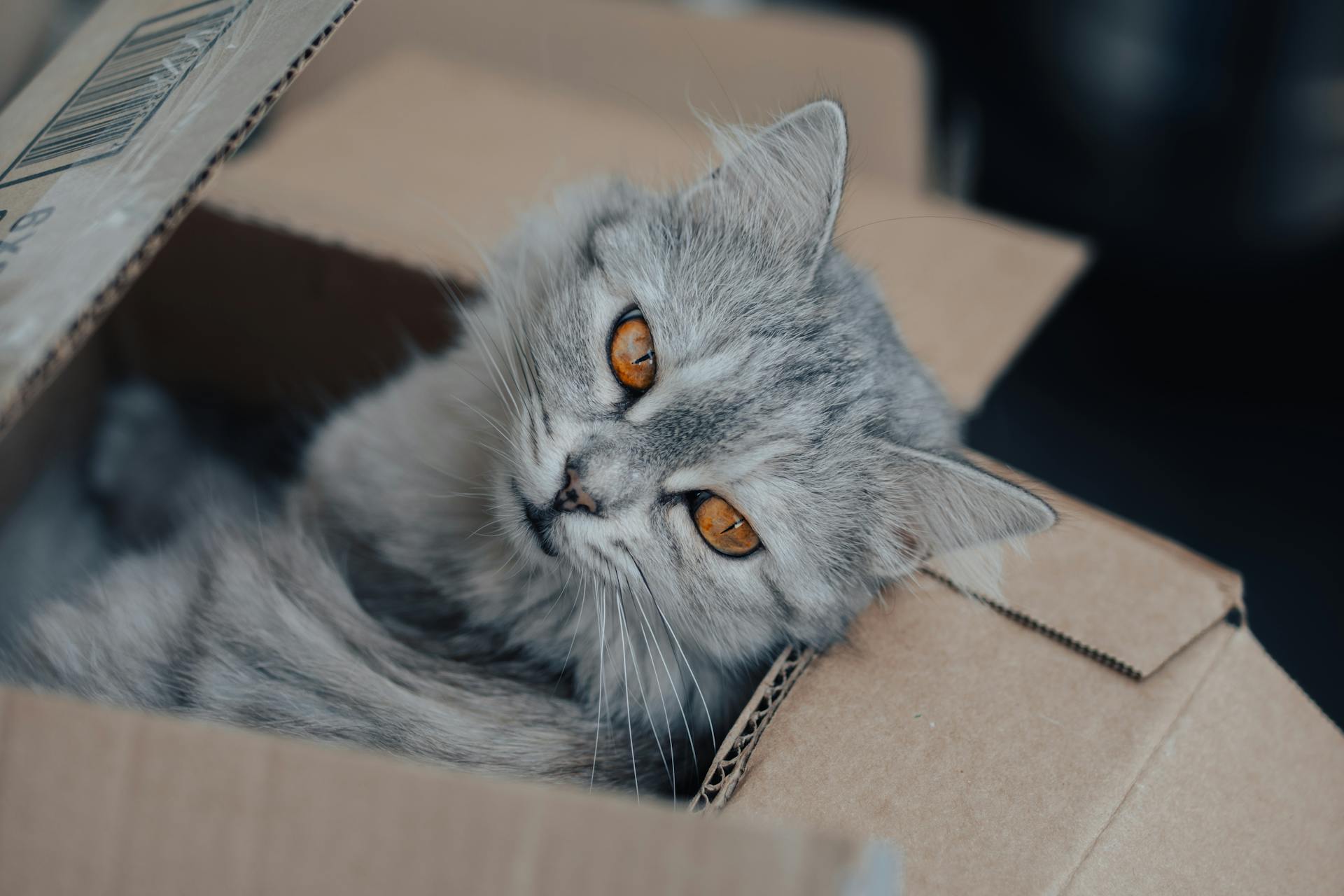
These cats typically don't take well to visitors and would rather avoid facing their fears altogether. That's why it's essential to provide plenty of hiding opportunities, like cardboard boxes, to help them feel secure.
Forcing a skittish cat to face their fears can actually traumatize them, so it's crucial to let them cope with situations in their own way. This means avoiding fearful situations and allowing them to gradually build their self-confidence.
A skittish cat's self-confidence can be built by gradually exposing them to new situations, but only if they feel safe. This can be done by providing a safe environment and allowing them to explore at their own pace.
Here are some key tips for working with a skittish cat:
- Provide plenty of hiding opportunities (cardboard boxes work fine).
- Never force these cats to face their fears—this only traumatizes them.
- Allow them to cope by avoiding fearful situations.
- Gradually build their self-confidence as they learn they are safe.
Personality Traits
Cats have unique personality traits that can be described as skittish, outgoing, dominant, spontaneous, or friendly. These traits reflect their individual behaviors and interactions with their environment.
Research suggests that cats will have one of five personality types, influenced by genetics, environment, and developmental upbringing. Dr. Lauren Finka's study found that these types are shaped by these factors.
Dominant cats, for example, are assertive and confident, often taking charge of their environment and leading interactions. They can also exhibit a deep sense of affection and loyalty towards their human companions when their assertive nature is respected.
Neuroticism
Neuroticism is a personality trait that can manifest in cats as anxiety or shyness. Neurotic cats might hide under the bed when you have guests or jump at sudden noises.
These cats tend to be insecure and cautious around new people or situations. For example, a neurotic cat might take weeks to warm up to a new home or owner.
To help neurotic cats feel safe, owners can provide quiet spaces and hiding spots, like cozy cat trees or covered beds. This can help them feel more secure and relaxed.
Here are some key characteristics of neurotic cats:
- Insecure and cautious around new people or situations
- Might hide under the bed when you have guests or jump at sudden noises
- May take weeks to warm up to a new home or owner
By understanding and addressing these needs, you can help your neurotic cat feel more comfortable and confident in their environment.
Agreeableness
Agreeable cats are affectionate, friendly, and gentle by nature, making them ideal companions for families with children or other pets. They love cuddles and head scratches and often greet strangers.
Their relaxed demeanor is a result of their natural tendency to be cooperative and less likely to engage in aggressive or destructive behavior. Agreeable cats are often sociable and easily form close bonds with their human companions.
These cats are highly responsive to their owner's emotions and are often found offering comfort during stressful times. They tend to be friendly and outgoing, initiating cuddles and being seldom shy around strangers.
Agreeable cats are great companions for families with children or other pets because they are generally cooperative and less likely to engage in aggressive or destructive behavior.
Readers also liked: Cats Are Better Pets than Dogs
Personality Assessments
Cat personality assessments consider the cat's behaviors and emotional expressions, which are constant across time and in various contexts. These assessments are usually conducted and measured across short vs. long-term observations, across distinct tests, in addition to behavioral plus personality questionnaires, and by monitoring cats during their habitual life situations to produce personality types.
To determine your cat's personality type, researchers have identified five distinct categories, influenced by genetics, environment, and developmental upbringing. This information can be helpful in understanding your cat's behavior and needs.
Cat personality assessments can also be used to improve cat management and welfare. For example, socially compatible enclosure groupings can be created for cats with similar personality types, such as Scottish wildcats.
Measuring cat personality involves systematic observation of cat behavior and coding methods, which can be time-consuming and subjective. A more reliable approach is to use a rating method, where carers rate the cat's personality traits on a Likert scale.
By understanding your cat's personality type, you can provide them with a more suitable environment and improve their overall welfare.
Readers also liked: How Many Types of Bulldog Breeds Are There
Understanding and Managing
Every cat is a unique individual with its own distinct personality, shaped by a combination of genetics and life experiences.
Cats can exhibit a range of personality traits, including neuroticism, extraversion, dominance, impulsiveness, and agreeableness, which can help explain their behavior and preferences.
Some cats are naturally more impulsive and spontaneous, and may require more stimulation and variety in their environment to keep them engaged.
To nurture an impulsive cat's nature, consider providing a variety of toys and establishing a flexible routine that allows for sudden changes in behavior.
Impulsive cats may also benefit from a safe environment that allows for spontaneous exploration and sudden bursts of energy.
Here are some key considerations for managing impulsive cats:
- Provide a variety of toys to keep them engaged.
- Establish a flexible routine.
- Ensure their environment is safe for spontaneous exploration.
By understanding and accommodating our cat's personality traits, we can create a more harmonious and stress-free household for both cats and humans.
Balancing
Cats are unique individuals, and their personalities can be influenced by their genetics and environment. Recent studies have identified five primary personality traits in cats: neuroticism, extraversion, dominance, impulsiveness, and agreeableness.

Understanding these traits can help you tailor your approach to your cat's needs. For example, if your cat is highly dominant, you may need to provide more space and resources to avoid conflicts.
Every cat is a blend of different personalities, just as people are. By being alert to your cat's personality traits, you can help him live with less stress and increased contentment.
Some cats are naturally more social and outgoing, while others are shy and prefer to be alone. If you have multiple cats, it's essential to consider their individual personalities and needs to create a harmonious household.
The Oxytocin Receptor Gene (OXTR) can also influence a cat's sociability or roughness. Domestic cats are generally approachable, less fearful, and more exploratory, while feral cats are more vigilant to danger.
By understanding and balancing your cat's personality traits, you can create a more inclusive and stress-free home for both you and your cat.
Tips for Managing Impulsivity
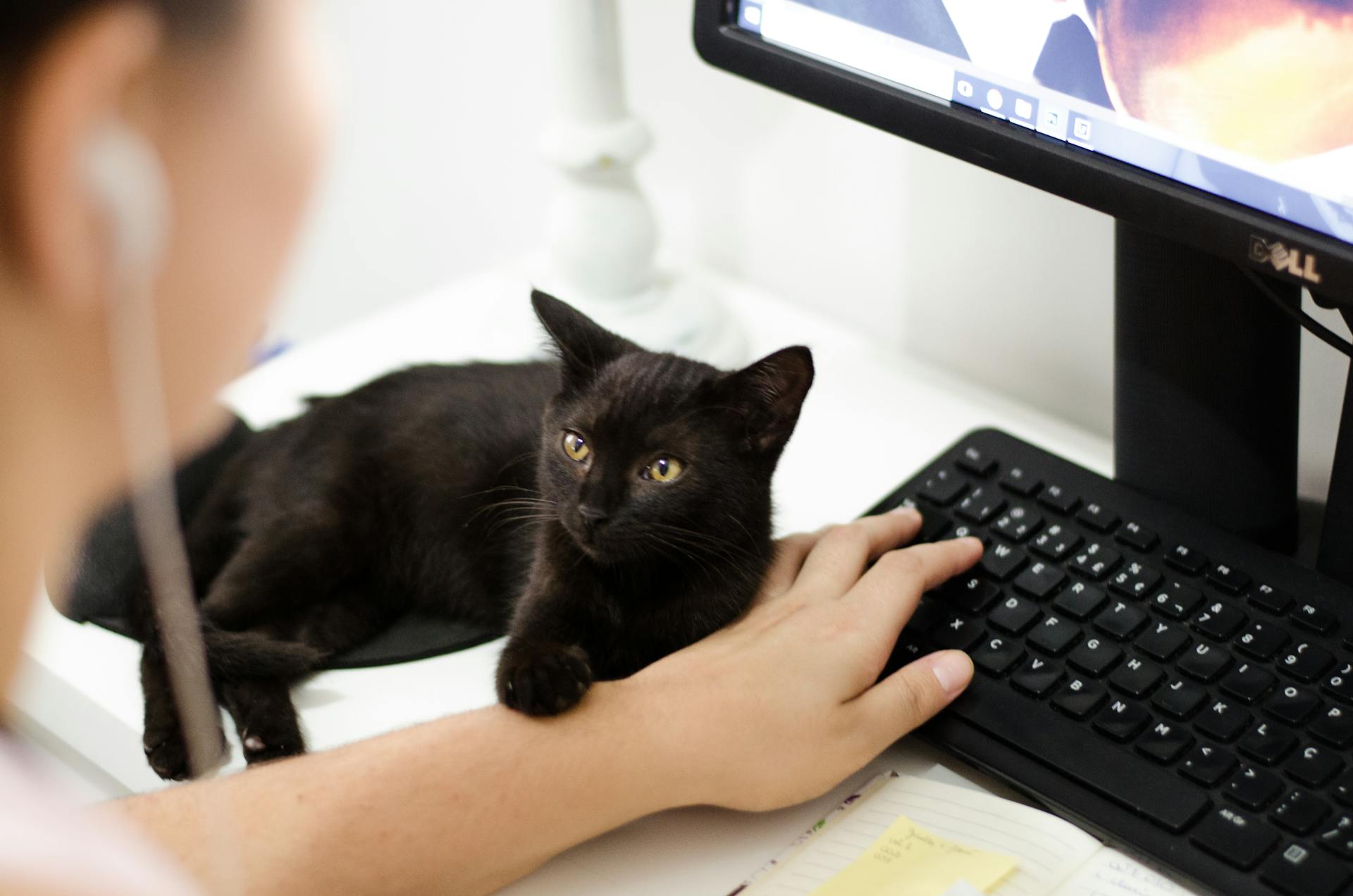
Managing impulsive cats requires a deep understanding of their unique personalities. Impulsive cats are unpredictable and full of surprises, often knocking over objects or meowing loudly at unexpected times.
To help impulsive cats feel calmer, it's essential to identify potential stressors in their environment, such as loud noises or changes in routine. Consulting a veterinarian or animal behaviorist can also help manage impulsive tendencies effectively.
Impulsive cats need plenty of toys to keep their curious and playful nature engaged. A variety of toys can help channel their energy and prevent destructive behavior.
Establishing a flexible routine for meals and playtimes is crucial for impulsive cats. This allows them to adapt to their spontaneous nature and feel more secure.
Here are some tips for managing impulsive cats:
- Provide a safe environment for spontaneous exploration and sudden bursts of energy.
- Stay patient with their sudden changes in behavior.
- Be flexible and ready to adapt to their impulsive nature.
- Identify potential stressors and adjust accordingly.
Understanding Removed Dominant Traits
Dominant cats often exhibit assertive behaviors such as guarding food bowls and blocking other animals from getting attention from their owners.
To remove dominant traits, providing more resources can help reduce tension and ensure harmony in the home. This means giving each cat their own space for eating and resting, and placing food and water bowls at a distance to prevent hogging.
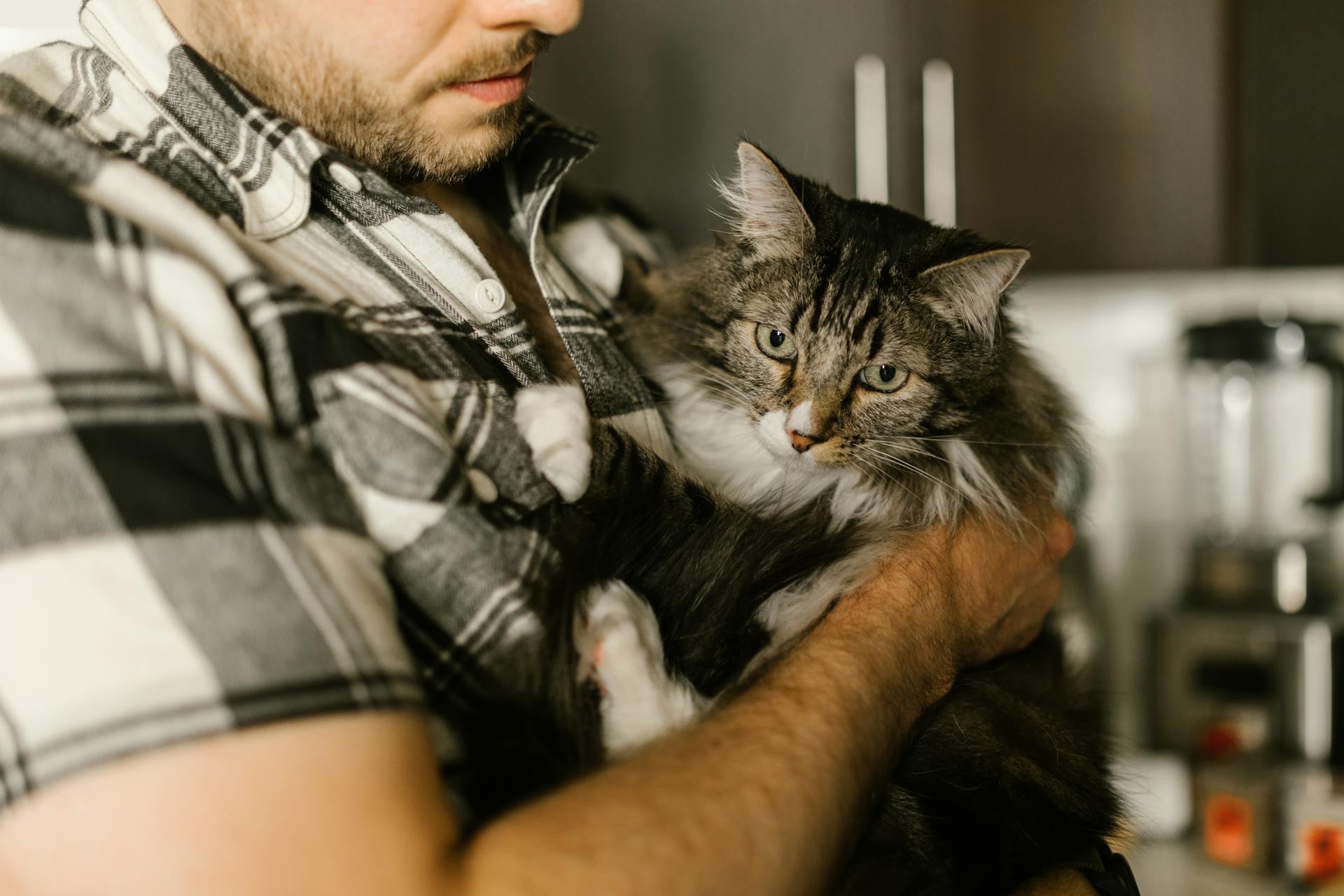
By engaging all cats in play, you can create a balanced environment and reduce energy levels in dominant cats. Regular playtime with the dominant cat can also help.
Here are some effective ways to manage a dominant cat:
- Provide more resources (food and water bowls, litter trays).
- Ensure each cat has her own resources placed at a distance to prevent hogging.
- Play with the dominant cat regularly to reduce energy levels.
- Engage all cats in play to ensure a balanced environment.
Nurturing Your Extroversion
Extroverted cats are naturally curious and love to explore, so keep them entertained with engaging toys and activities, such as interactive puzzles or laser pointers.
These cats thrive on attention and interaction, so encourage their vocalization by responding positively to their meows and purrs.
To keep them happy and stimulated, create a routine for playtime, mealtime, and cuddle time to help them feel secure and satisfied.
Play with your extroverted cat regularly to reduce energy levels and prevent boredom.
A good rule of thumb is to provide at least one interactive toy per cat, and to rotate toys every few days to keep things fresh and exciting.
Here's a simple plan for engaging your extroverted cat's unique personality:
By following this plan and tailoring it to your cat's individual needs and preferences, you can help your extroverted cat live a happy, stress-free life.
Cat Breeds and Personalities
Cat breeds can have a significant impact on a cat's personality, with some breeds known for being more affectionate than others. For example, the British Shorthair is often described as a laid-back and easy-going breed.
Some cat breeds are naturally more playful and energetic, such as the Bengal and Abyssinian, which require plenty of stimulation and exercise to keep them happy and healthy. These breeds are not suited for a sedentary lifestyle.
The personality of a cat can also be influenced by its individual temperament, regardless of breed. A cat's early life experiences, socialization, and environment can all shape its personality and behavior.
Suggestion: How Many Different Types of Cat Breeds Are There
Siamese Cat
The Siamese cat is a breed known for choosing companions with care, just like the Socially Selective Siamese personality type. This means they value quality over quantity in their relationships.
Their loyalty and capacity to make lasting impressions on those who earn their trust are truly admirable. These cats are known to build deep, genuine connections with their loved ones.
Their ability to be socially selective makes them stand out from other breeds. They're not afraid to be picky about who they spend their time with.
Their loyalty is a result of their ability to form meaningful bonds with their companions. This is a testament to their capacity for love and connection.
Dominant Cat Breed
The Dominant Cat breed is known for being less tolerant of others and liable to hog resources, such as food bowls and litter trays.
They can make a multi-cat household a misery, so it's essential to manage them effectively.
To do this, provide more resources, such as extra food and water bowls and litter trays. This will help reduce competition and stress.
Ensure each cat has her own resources placed at a distance to prevent hogging, and play with the dominant cat regularly to reduce energy levels.
Here are some tips to manage a dominant cat:
- Provide more resources (food and water bowls, litter trays).
- Ensure each cat has her own resources placed at a distance to prevent hogging.
- Play with the dominant cat regularly to reduce energy levels.
- Engage all cats in play to ensure a balanced environment.
Tailoring Your Home to Suit Different Personalities
If you have a skittish cat, provide plenty of hiding spots such as cardboard boxes, cat trees, or designated safe areas.
These cats thrive in environments where they can retreat and feel secure. I've seen cats curl up in cardboard boxes for hours, and it's a great way to give them a sense of safety.
For outgoing cats, ensure they have a variety of toys, scratching posts, and interactive play sessions to keep them engaged and prevent destructive behavior.
This can help satisfy their curiosity and need for exploration. Outgoing cats love to play and climb, so make sure you've got plenty of vertical space for them to enjoy.
If you have a dominant cat, it's crucial to distribute resources like food and water bowls, and litter trays across different locations.
This setup prevents resource guarding and minimizes conflicts in multi-cat households. Dominant cats can be a bit bossy, but with the right setup, they'll be happy to share.
Spontaneous cats benefit from structured routines. Regular feeding times, play sessions, and quiet periods help these cats feel more secure and less anxious.
Having set routines can make their unpredictable behavior more manageable. Spontaneous cats are like little balls of energy, and they need a schedule to keep them on track.
Here's a quick rundown of what each personality type needs:
- Skittish cats: hiding spots, secure environments
- Outgoing cats: toys, scratching posts, interactive play
- Dominant cats: distributed resources, regular play
- Spontaneous cats: structured routines, regular feeding and play times
- Friendly cats: monitoring for changes in behavior, adapting to environment
Personality Types and Traits
Cats have five distinct personality types, influenced by genetics, environment, and developmental upbringing.
Research suggests that each cat will have one of these five personality types.
If you have a cat that's always on the go, it might be a Type 1, characterized by high energy and activity.
Type 1 cats are often described as curious and playful, always looking for new adventures.
On the other hand, if your cat is more laid back and easy-going, it might be a Type 2, with a calm and even temperament.
Type 2 cats are often gentle and affectionate, making great companions for families.
Some cats are naturally more assertive and dominant, which could classify them as Type 3.
Type 3 cats are often described as confident and fearless, but may also be more territorial.
If your cat is more anxious or fearful, it might be a Type 4, with a sensitive and emotional personality.
Type 4 cats require a lot of patience and understanding, and may need extra reassurance and comfort.
Lastly, some cats are naturally more independent and aloof, which could classify them as Type 5.
Type 5 cats are often described as reserved and introspective, but may also be more intelligent and perceptive.
Recognizing and Supporting
Cats have unique personalities, and understanding these traits can help you build a stronger bond with your feline friend.
Recognizing the personality types of your cats can guide you in making the necessary adjustments to ensure they get along.
Understanding their individual personalities can help you tailor your approach to each cat's needs, such as providing separate spaces for cats who aren't getting along.
Supporting Your

Supporting your pet can make a huge difference in their well-being. Maintaining a consistent routine can provide a sense of stability for your pet.
Offering a safe and quiet space is essential for pets that feel overwhelmed. This can be a cozy corner or a separate room where they can retreat when needed.
Gentle petting and soft spoken words can be comforting techniques to soothe your pet during stressful times. These techniques can help calm your pet and reduce anxiety.
If your pet's anxiety seems severe or persists over time, it's best to consult with a veterinarian or an animal behaviorist for advice. They can provide personalized guidance and support to help your pet feel more secure.
Recognizing and Supporting Diverse Personalities
Cats have unique personalities, and understanding these traits can help you build a stronger bond with your feline friend.
Research suggests that cats will have one of five personality types, influenced by genetics, environment, and developmental upbringing.
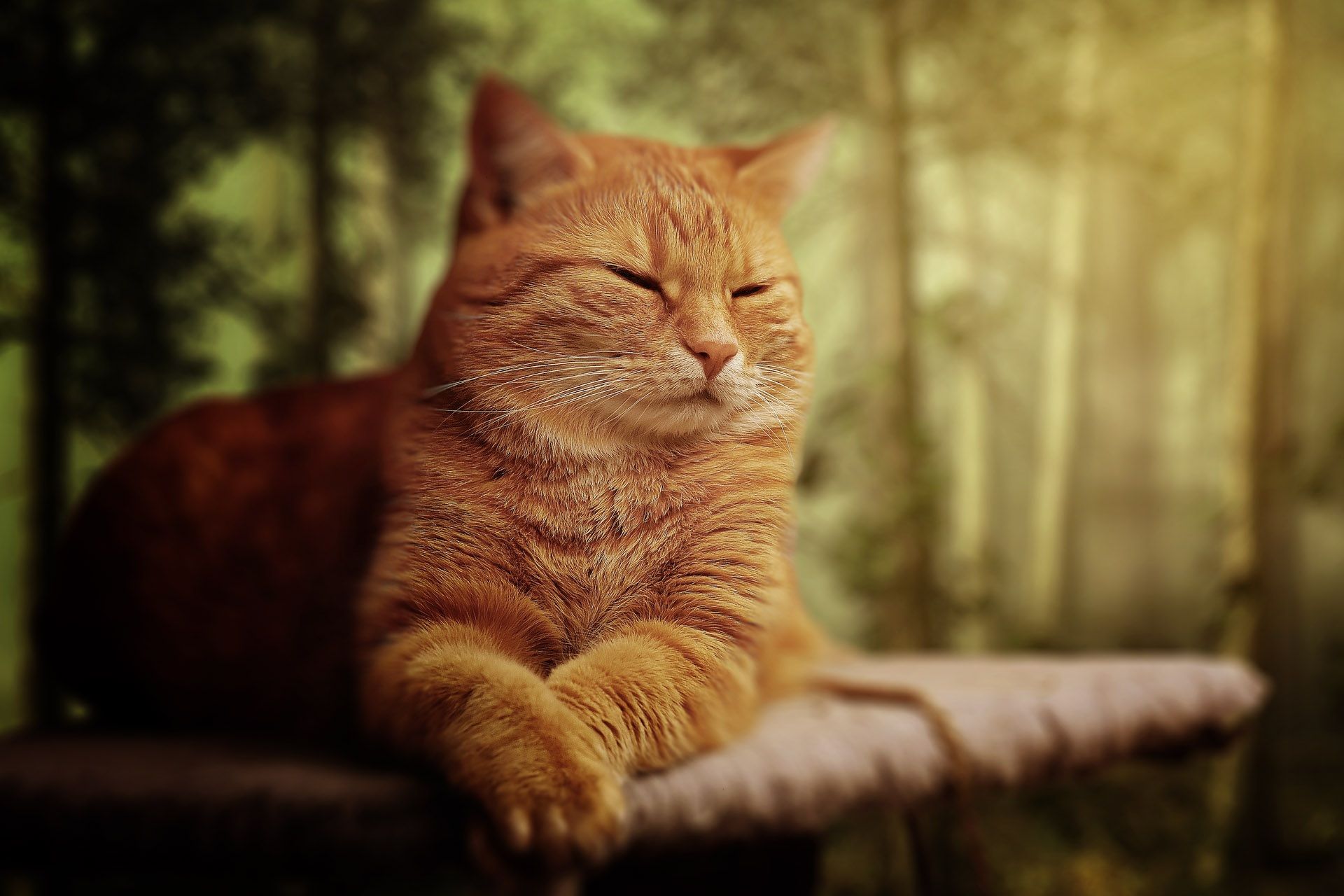
A consistent routine can provide a sense of stability for your cat, regardless of their personality type.
If you have multiple cats, understanding their individual personalities can guide you in making the necessary adjustments to keep the peace.
To soothe your cat during stressful times, try using comforting techniques like gentle petting or soft spoken words.
A safe and quiet space where your cat can retreat when feeling overwhelmed is essential for their emotional well-being.
If your cat's anxiety seems severe or persists over time, consult with a veterinarian or an animal behaviorist for advice.
Cat Behavior and Lifestyle
Matching your lifestyle with a cat's personality is crucial for a harmonious home.
Determine if you reside in a quiet, busy, or noisy household with boisterous kids before adopting a kitten.
Your lifestyle will significantly impact your cat's stress levels, so it's essential to choose a kitten that fits your household's dynamics.
A nervous, fearful kitten may become stressed if your household isn't suitable, and your time poor.
Decide if you want an inside-only or outdoor cat that spends much time hunting and less time interacting with humans.
Choosing a cat based on its character, genetics, early encounters, and behavior is more important than its looks.
You might enjoy: Is Fading Kitten Syndrome Contagious
Featured Images: pexels.com