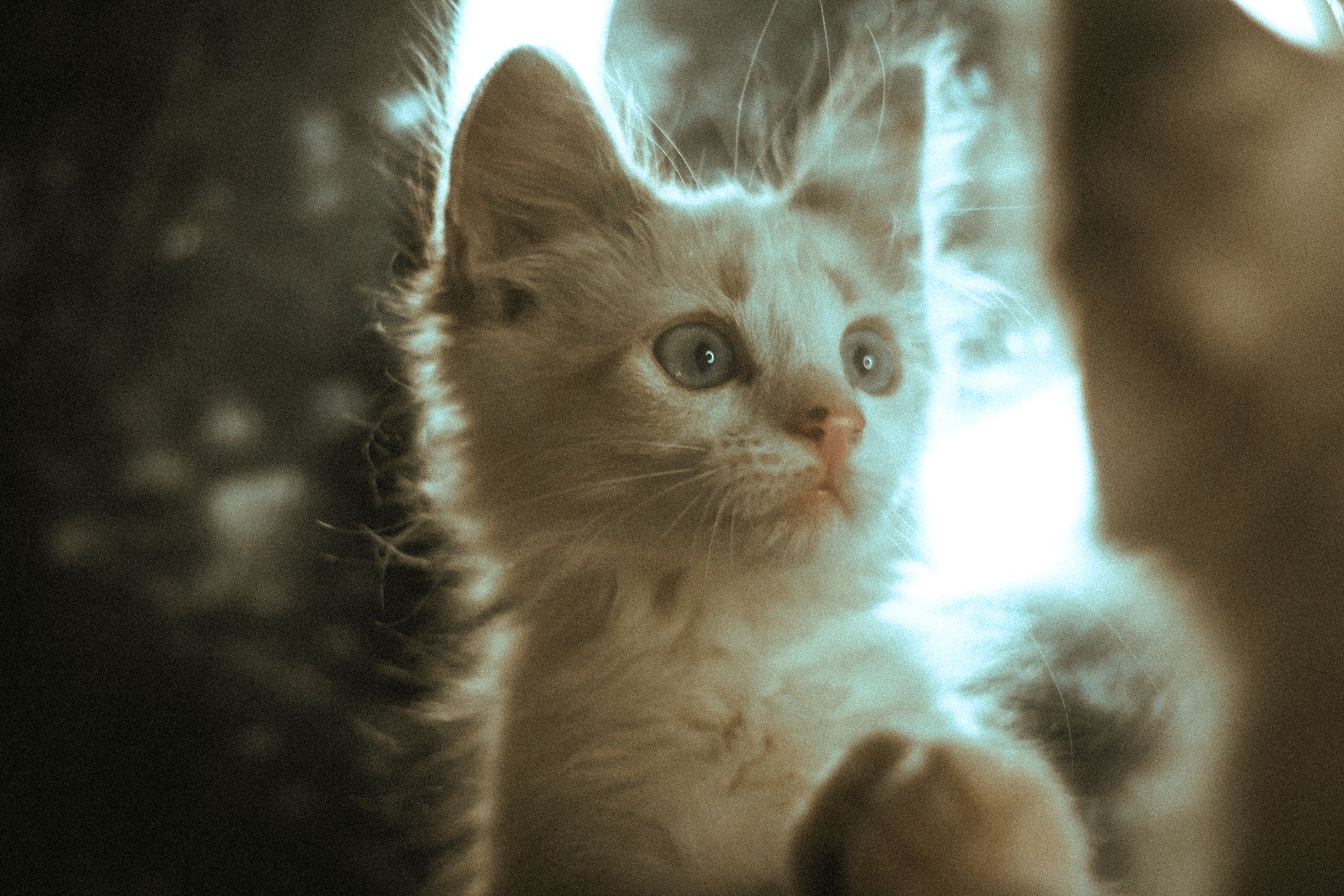
Fading kitten syndrome is a serious condition that can be heartbreaking for any cat owner. It's caused by a combination of factors, including stress, poor nutrition, and underlying health issues.
In some cases, the stress of being around a sick kitten can cause other kittens in the household to become stressed, which may lead to similar symptoms. This doesn't mean the condition is contagious, but rather a result of secondary stress.
Kittens with fading kitten syndrome often have a weakened immune system, making them more susceptible to other illnesses. This is a critical factor to consider when determining the best course of action for treatment.
While the exact cause of fading kitten syndrome is still not fully understood, research suggests that it's often linked to a lack of maternal care and nutrition during the early stages of life.
What is Fading Kitten Syndrome?
Fading Kitten Syndrome is a condition that affects newborn kittens, causing them to weaken and eventually die. It's a leading cause of kitten mortality.

Kittens with Fading Kitten Syndrome often show symptoms such as failure to nurse, lethargy, and a lack of responsiveness. These symptoms can be subtle at first but quickly progress.
The exact cause of Fading Kitten Syndrome is still unknown, but it's believed to be related to a combination of factors, including genetics, maternal health, and environmental stress.
Causes and Symptoms
Fading Kitten Syndrome is a heartbreaking condition that affects many newborn kittens. It's a leading cause of kitten mortality.
The causes of Fading Kitten Syndrome are complex and multifaceted. Genetics, nutrition, and environment all play a role.
Kittens born to underweight or malnourished mothers are more susceptible to Fading Kitten Syndrome. This is because they may inherit a weakened immune system or receive inadequate nutrition.
Symptoms of Fading Kitten Syndrome can be subtle at first, but quickly progress to more severe signs. These may include lethargy, loss of appetite, and failure to gain weight.
Kittens with Fading Kitten Syndrome often appear normal at first, but then suddenly decline in health. This can be a challenging condition to diagnose.
In severe cases, kittens may experience respiratory distress, diarrhea, and even organ failure.
Diagnosis and Treatment
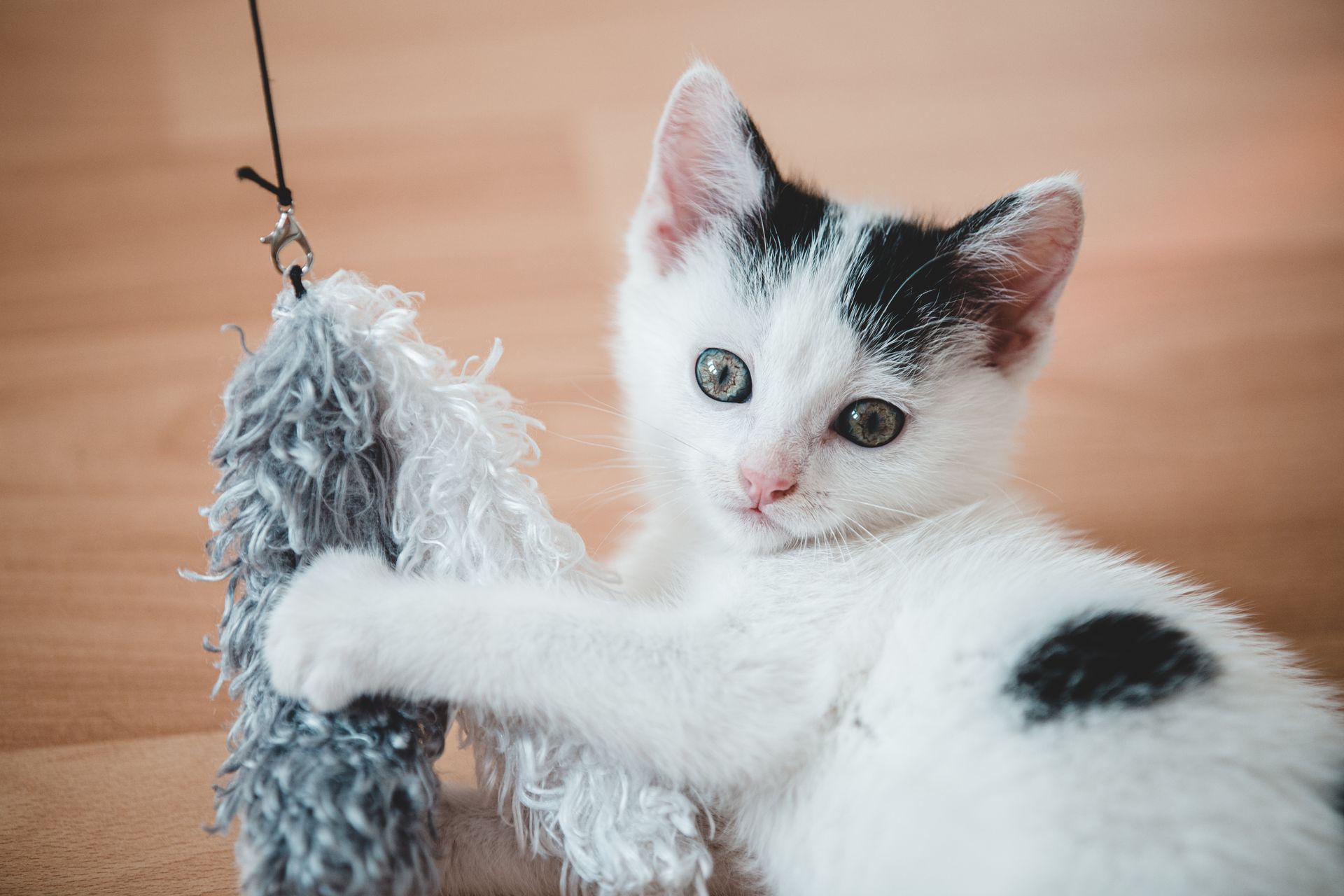
Diagnosing Fading Kitten Syndrome is crucial for providing the best possible care for affected kittens.
Fading Kitten Syndrome is often diagnosed based on a combination of physical examination, medical history, and laboratory tests.
A veterinarian will typically perform a physical examination to look for signs of illness, such as lethargy, loss of appetite, or difficulty breathing.
Laboratory tests, including complete blood counts and blood chemistry profiles, can help identify underlying infections or metabolic disorders.
In many cases, Fading Kitten Syndrome is a result of a combination of factors, including inadequate nutrition, poor hygiene, and exposure to diseases.
Prompt veterinary care is essential in treating Fading Kitten Syndrome, and early intervention can significantly improve a kitten's chances of survival.
Treatment typically involves providing supportive care, such as fluid therapy, nutritional support, and antibiotics, to manage symptoms and address underlying conditions.
In some cases, hospitalization may be necessary to provide around-the-clock care and monitoring.
With proper treatment and care, many kittens can make a full recovery from Fading Kitten Syndrome.
Intriguing read: Cat Blood Types
Prevention and Control
Fading Kitten Syndrome can be prevented by ensuring the kitten receives adequate nutrition, warmth, and care.
Adequate nutrition is crucial, as kittens need a nutrient-rich diet to support their growth and development.
Kittens typically require a diet high in protein and fat, and a balanced mix of vitamins and minerals.
Kittens should be kept warm, especially in their first few weeks of life, as hypothermia can be a contributing factor to Fading Kitten Syndrome.
Maintaining a warm environment, such as a heated incubator or a warm towel, can help prevent hypothermia.
Regular veterinary check-ups can also help identify any potential issues early on, allowing for prompt intervention.
Additional reading: How Do Horses Help Humans Mentally
Is Fading Kitten Syndrome Contagious?
Fading Kitten Syndrome itself is not contagious. However, the underlying causes, such as viral infections, can spread to other kittens if they're not isolated.
Isolating a sick kitten can prevent the spread of disease.
Readers also liked: Can I Spread Kennel Cough on My Clothes
Frequently Asked Questions
Can a whole litter have Fading Kitten Syndrome?
Yes, a whole litter can be affected by Fading Kitten Syndrome, which can result in a high mortality rate among kittens. This can be a devastating outcome for breeders, making it essential to understand the causes and prevention methods.
Featured Images: pexels.com