Cats can be finicky, but when they're sick, it's essential to understand their medications to help them feel better.
There are several types of medications for cats, including antibiotics, antihistamines, and anti-inflammatory medications.
Antibiotics are used to treat bacterial infections, such as urinary tract infections and skin infections, and are often prescribed for cats with conditions like pyelonephritis.
Antihistamines are used to treat allergic reactions and can be prescribed for cats with conditions like atopic dermatitis.
Anti-inflammatory medications are used to reduce pain and swelling in cats with conditions like arthritis.
Some common medications for cats include Clavamox, which is an antibiotic used to treat bacterial infections, and Prednisone, which is an anti-inflammatory medication used to treat conditions like arthritis.
For another approach, see: Medications for Dog Diarrhea
Types of Medications
Cat medications come in various forms to treat different health issues. Antibiotics are used to treat bacterial infections in cats, and common types include Amoxicillin, Clavamox, and Baytril.
Antibiotics are a broad category, and some can treat multiple types of bacteria, while others target specific types. Broad-spectrum antibiotics include classes that can treat various bacteria, whereas narrow-spectrum antibiotics target only one or a few specific types.
A different take: Types of Worms a Cat Can Get
Some antibiotics can cause side effects like vomiting and diarrhea, which can be reduced by feeding the cat at the time of administration. Allergic reactions to antibiotics in cats are rare, but if you suspect a serious reaction, take your cat to the hospital immediately.
Antihistamines are used to control allergy symptoms in cats, and hairball relievers help cats break down and expel hairballs. Non-Steroidal Anti-Inflammatory Drugs (NSAIDs) like Onsior are often used to relieve pain and inflammation.
Antifungals, topicals, and steroids are also used to treat various diseases in cats. Medications for thyroid disease and kidney disease are common prescription medications used to treat kitties. Some medications come in liquid form, while others can be in transdermal form, where a lotion is applied to the ear or skin.
Here's a list of common types of cat medications:
- Antibiotics: treat bacterial infections
- Antihistamines: control allergy symptoms
- Hairball relievers: help cats break down and expel hairballs
- NSAIDs: relieve pain and inflammation
- Antifungals: treat fungal infections
- Topicals: applied directly to the skin or ear
- Steroids: reduce inflammation
It's essential to follow the prescribed schedule and dosage when giving your cat medication, as irregular administration can encourage resistant bacteria to grow. Always consult with your veterinarian for proper guidance on administering medication to your cat.
Medication Administration
Giving your cat medication can be a challenge, but with the right approach, it can be done safely and effectively. Relax and prepare before administering medication, as a calm environment will help your cat feel more at ease.
Prepare the medications ahead of time and wrap tablets or capsules into a small piece of food to make them more palatable. You can also use a "pill shooter" to shoot the medication into the back of your cat's mouth.
Timing and dosage are crucial, so be sure to follow your vet's instructions and administer the correct dosage. If your cat is food-motivated, you can try hiding the medication in a treat. Some cats, like Meems, will take anything in a treat, while others may detect the medicine and refuse to take it.
Here are some additional options to consider:
- Pill guns can be used to hold your cat's mouth open and administer the medication.
- Transdermal formulations can be applied directly to the skin, such as on the inside of the ear.
- Liquids can be given in the back of the mouth, and some medications can be compounded through a pharmacy into a flavor your cat enjoys.
Remember, every cat is different, so it's essential to find a method that works for your cat. With patience and persistence, you can make medication administration a stress-free experience for both you and your cat.
Fluids
Giving your cat fluids at home can be a bit tricky, but it's a great way to help them recover from illness or surgery. Fluids are solutions that help replace body fluids, minerals, vitamins, and electrolytes lost due to lack of food and water, bleeding, vomiting, and diarrhea.
There are different types of fluids, including intravenous (IV) fluids, which are administered into veins, and subcutaneous (SC or subQ) fluids, which are given under the skin. Not all fluids can be given by the SC route.
Cats with chronic kidney failure may need SC fluids at home to maintain normal hydration. These fluids can be rich in glucose to help cats with low blood sugar (hypoglycemia) to normalize.
Maintenance formulation fluids are used to maintain normal blood volume and balance once a patient is stabilized, but is not yet drinking normally. Sometimes, vitamins or drugs are added to the fluid line to provide therapy or special nutritional support.
Curious to learn more? Check out: Cats Maintain Homeostasis
Tips for Administering Medicine
Administering medicine to cats can be a challenge, but with the right approach, it can be done successfully.
Relax and prepare before giving your cat their medication, as a calm you will help your cat feel more at ease.
Make sure to grasp your cat's muzzle from above, gently tip their head back, open their jaw, and place the medication as far back in their mouth as possible, preferably on the back of the tongue.
For liquid medication, place the liquid-filled syringe into the side of the mouth, just past the lower teeth, and squirt small amounts into the mouth, allowing your pet to swallow without gagging or choking.
Follow your vet's instructions for timing and dosage, and administer medication accordingly.
Using a pill shooter can be helpful if you're having trouble giving your cat a pill.
Some cats are food-motivated and will take anything in a treat, while others may detect the medicine and refuse to take it.
Pill guns and transdermal formulations can also be effective options for administering medicine to cats.
Compounding pharmacies can help formulate medication into a more palatable form, such as chicken chews or liquids.
Here are some common formulations for administering medicine to cats:
- Pill form: can be challenging to administer, but some cats will take it if hidden in a treat
- Liquid form: can be given in the back of the mouth, or through a transdermal formulation
- Transdermal formulation: can be rubbed on the inside of the ear or applied to the skin
- Injectable products: can be given by a veterinarian or by the cat's owner, depending on the specific product
Prescriptions vs. OTC Effectiveness
Prescription medications are generally more effective than over-the-counter (OTC) medications when treating cats. Prescription drugs are tailored to the individual cat’s needs and are typically stronger than OTC drugs.
Many OTC drugs, especially those made for dogs or humans, aren’t safe for cats. Never give your feline friend a prescription or OTC medication unless directed to do so by your veterinarian.
Some health issues require medications to manage specific conditions, such as diabetes, hyperthyroidism, or kidney disease. Infections usually need antibiotics, and pain medications can make a big difference in your cat's comfort.
If your cat is healthy, supplements can be a great addition to their diet.
For another approach, see: Dog Chf Medications
Precautions and Risks
Cats are very finicky creatures and can hide and mask pain very well, making it difficult to detect the source of pain and what the pain is.
Self-diagnosing your cat's need for pain medication can be really dangerous, as giving your cat a specific medication that's not meant for them can potentially make things worse.
Cats lack the enzymes in their liver to break down human forms of medication, which can easily get to toxic levels and affect their liver and put them into kidney failure.
There are no over-the-counter pain medicines that your pet can safely take at home, and all pet medications are dispensed through a pharmacy or a veterinarian and are labeled and made for dogs and cats.
Cats are very sensitive to medications and metabolize things differently, so there's very little over-the-counter medication that you can give them.
Giving your cat human medications like Tylenol, children's Motrin, or Naproxen can be toxic to them and cause significant damage or even death.
Suggestion: Monsteras Toxic
A lot of medications through online pharmacies are potentially sourced through non-trustworthy vendors and might be fake medications, which could harm your pet.
It's not worth the risk to save a couple of dollars on a medication from an online pharmacy, as it's better to get it from the veterinarian knowing that it's the correct medication and will help your pet.
By consulting with your veterinarian before giving your cat medicine, you'll get advice on what medications are appropriate for their specific situation, considering factors such as their size, age, other health problems, possible allergies, and the severity of the condition.
It's easier to treat things in early stages than late stages, so it's essential to catch any health issues early on, especially in cats that are great pretenders and hide disease very well.
Annual blood work on all cats, no matter the age, can help detect any underlying health issues before they become severe and require more complex treatment.
General Information
Cat medications can be a vital part of your cat's healthcare, but it's essential to understand the different types available.
There are various types of cat medications, including antibiotics, anti-parasitic medications, non-steroidal anti-inflammatory drugs (NSAIDs), antihistamines, and hairball relief medications.
Antibiotics are commonly used to treat bacterial infections in cats, while anti-parasitic medications control fleas, ticks, and worms. NSAIDs like Onsior are often used to relieve pain and inflammation.
Some cats may require daily medication to manage chronic conditions, such as hyperthyroidism, which requires a medication like methimazole.
A compounding pharmacy can be used to create customized medications for cats that don't like pills or require a specific dosage. For example, methimazole can be made into a cream that's applied to the ear, allowing the cat to absorb the medication through the skin.
Here are some common types of cat medications:
- Antibiotics: Treat bacterial infections
- Anti-parasitic Medications: Control fleas, ticks, and worms
- Non-Steroidal Anti-Inflammatory Drugs (NSAIDs): Relieve pain and inflammation
- Antihistamines: Control allergy symptoms
- Hairball relief: Help cats break down and expel hairballs
Early Detection's Importance in Treatment Outcomes
Early detection is crucial in getting good results from cat medications. Pets age faster than humans, so health issues often progress quickly.
Regular check-ups with your veterinarian are essential to monitor your cat's health. A thorough physical examination can tell your vet a lot about your pet's health status.
Diseases are easier to treat and manage when diagnosed in the early stages. Regular wellness screenings are the only way to catch many conditions early.
Cats are good at hiding pain, but veterinarians know how to recognize the subtle signs and test for specific issues. This allows for timely intervention and prevention of unnecessary pain or discomfort.
Treating diseases in their early stages can prevent unnecessary pain or discomfort and ensure a good quality of life. This can also save pet owners money in the long run.
Can Pets Get All Necessary Nutrients from Diet?
No, pets can't get all necessary nutrients from their diet alone. There are many medical conditions that require medication, blood monitoring, and other treatments that can't be met through diet.
Cats, in particular, are difficult to medicate, and many times they don't like taking pills. This is why we often use injectables or liquids instead.
Certain medications, like antibiotics, anti-nausea medicines, and pain relief, are necessary for pets to manage various health issues. These medications can't be obtained through diet alone.
For example, cats with hyperthyroidism need medication like methimazole, which often comes in a pill form that cats don't like taking. To make it more palatable, we can send it to a compounding pharmacy to be made into a cream that's applied to the ear.
Medication Uses
Cat medications can be used to treat a variety of conditions, including bacterial infections, parasites, and inflammation. There are many types of medications available, each with its own specific purpose.
Antibiotics are commonly used to treat bacterial infections, such as skin, ear, and intestinal infections. Some common antibiotics used in cats include Amoxicillin, Clavamox, and Baytril.
Antihistamines are used to control allergy symptoms in cats, while hairball relievers help break down and expel hairballs. Non-Steroidal Anti-Inflammatory Drugs (NSAIDs) like Onsior are often used to relieve pain and inflammation.
Here are some common types of cat medications and their uses:
- Antibiotics: Treat bacterial infections
- Anti-parasitic Medications: Control fleas, ticks, and worms
- Non-Steroidal Anti-Inflammatory Drugs (NSAIDs): Relieve pain and inflammation
- Antihistamines: Control allergy symptoms
- Hairball relief: Help break down and expel hairballs
Some medications, like antiemetics, are used to prevent or treat nausea and vomiting in cats. These can be especially helpful for cats undergoing surgery or experiencing vomiting due to other conditions.
Uses of Antiemetics
Anti-emetics are medications used to prevent or treat nausea and vomiting in cats. They're often prescribed for surgery, pre- or post-op surgery, and vomiting cases.
Anti-emetics can be especially helpful for cats undergoing surgery, as they can reduce the risk of vomiting and make the recovery process smoother. We've seen many cats benefit from anti-emetic treatment after surgery.
The type of anti-emetic used depends on the reason for the nausea or vomiting. For example, if your cat is vomiting due to a food allergy, a hypoallergenic diet may be prescribed in addition to an anti-emetic.
Here are some common uses of anti-emetics:
- Surgery: Anti-emetics can be given before, during, or after surgery to prevent vomiting.
- Vomiting cases: Anti-emetics can be used to treat vomiting caused by a variety of factors, including food allergies, gastrointestinal issues, or viral infections.
It's essential to work closely with your veterinarian to determine the best course of treatment for your cat's specific needs. They can help you choose the most effective anti-emetic and ensure your cat receives the best possible care.
Hormone Replacement/Inhibition
Hormone Replacement/Inhibition is a common treatment approach for cats with certain medical conditions.
Cats with diabetes mellitus may require insulin injections to normalize blood sugar levels, and veterinarians will guide you on how to properly administer the medication under the skin.
A shortage of functional insulin hormone can lead to diabetes mellitus, and cats tend to require longer-acting preparations of insulin.
Diets may be adjusted to help reduce blood sugar swings, and oral hypoglycemic agents or special prescription diets with high protein and low carbohydrate content may be used.
During hyperthyroidism, excess thyroid hormones are produced, and medication can be used to stabilize the cat by preventing the hormones from affecting tissues.
Rubbing corn syrup on a cat's gums can help maintain them during transport to the hospital for stabilization of low blood sugar.
Medication for hyperthyroidism does not fix the underlying problem, but rather helps manage the symptoms until surgery or radiation therapy can be performed to remove the overactive tissue.
Anti-Viral Cancer Medications
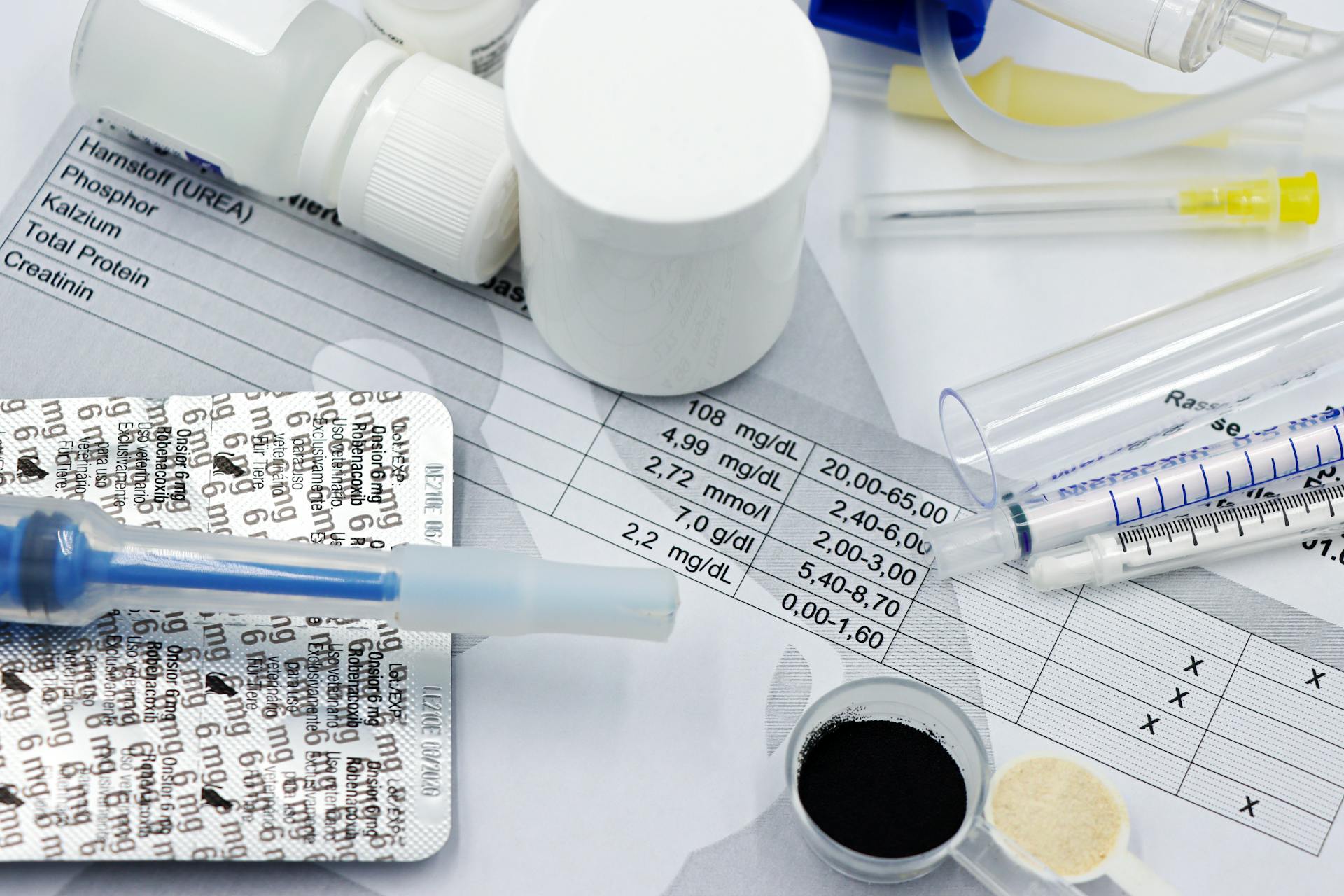
Anti-Viral Cancer Medications can be quite toxic and powerful, requiring careful handling and administration. Cats may require close monitoring when being treated with these medications.
Some cats may experience low white cell count and malaise as side effects.
These medications are often given over a period of time and may involve a mixture of drugs to reduce side effects.
Heart and Blood Pressure Medications
Heart failure in cats can be stabilized with various medications, but the stage of heart failure determines which ones are selected. The dose of these powerful drugs needs to be carefully titrated to minimize toxicity.
Some medications affect the heart muscle's ability to contract, while others affect the heart rate or the capacity of the system by relaxing blood vessel walls.
The goal of heart medications is to improve the heart's pumping efficiency and reduce symptoms.
Other medications affect the rhythm control system to control arrhythmias.
For more insights, see: Pest Control
Frequently Asked Questions
What human painkiller can I give to my cat?
You should not give your cat human painkillers, as they are toxic to cats. Consult your vet for a safe and effective anti-inflammatory and pain medication specifically formulated for cats.
Featured Images: pexels.com