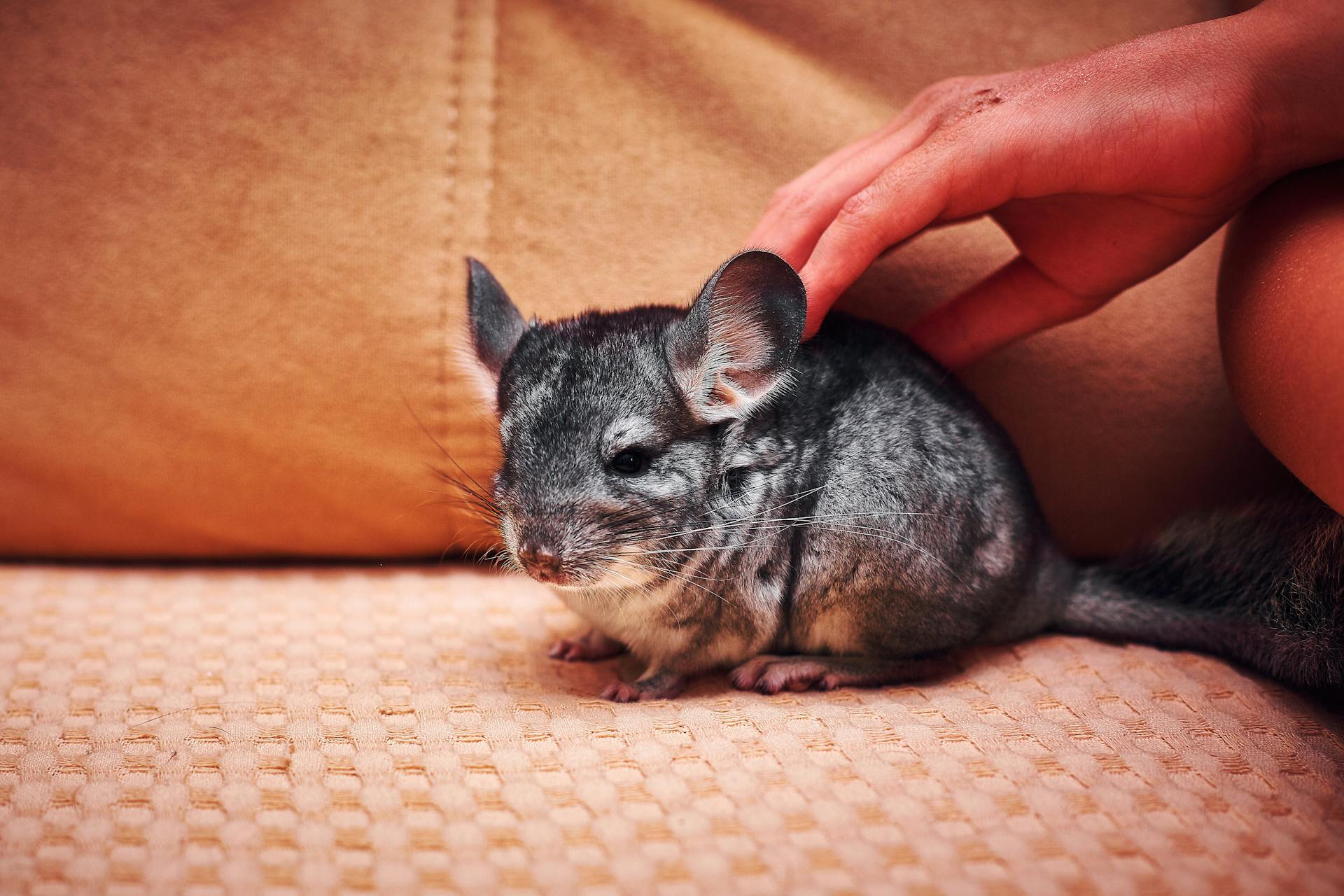
Training a chinchilla to be handled requires patience and consistency, as they can be skittish and territorial animals. Chinchillas are naturally wary of humans, but with gentle and gradual exposure, they can become more comfortable with handling.
Chinchillas are crepuscular, meaning they're most active at dawn and dusk, so it's best to start training during these times when they're more relaxed. They're also solitary animals, so they may need time to adjust to being handled by multiple people.
Chinchillas have a unique way of communicating, and they may exhibit behaviors like hissing, growling, or hiding when they feel threatened or scared. It's essential to recognize these signs and give them space when needed.
Broaden your view: When to Stop Crate Training
Training a Chinchilla
Training a chinchilla is a process that requires patience and consistency, especially when it comes to handling them. Building a rapport with your pet can take days, weeks, or even months, depending on their personality and previous experiences with people.
To start, handle your chinchilla often to help them become calmer and more comfortable around you. This will make training much easier. You can also try holding a treat above your palm and waiting for them to jump on it before giving it to them.
Some chinchillas may be naturally skittish or develop a fear of people due to insufficient handling during their first weeks of life. If your chinchilla becomes frightened or anxious, you'll need to calm them down to continue playing and training.
Here are some basic commands that chinchillas can learn relatively quickly:
- Come back to me
- Litter training to urinate
- Responding to its name
Is It Easy?
Training a chinchilla can be a rewarding experience, but it's essential to understand their limitations. Chinchillas are easy to train, but only for limited things.
Building a rapport with your pet is crucial before starting training. This may take a few days, weeks, or even months, depending on your pet's personality and its previous experiences with people.
Curious to learn more? Check out: Chinchilla Pet
You can train your chinchilla to recognize you and their own names, and to urinate in a litter pan. They can also respond to stimuli, like returning to their cage when you offer a treat.
Some tricks are more challenging for chinchillas to learn, such as sitting, shaking, or laying down. However, with enough dedication, it's possible to teach your chinchilla some neat tricks.
Here are some examples of commands you can teach your chinchilla:
- Come back to me
- Litter training to urinate
- Responding to its name
To teach your chinchilla to return to its cage, try tapping on its dust bath or offering a treat. Be careful not to overdo it, as too many treats can cause stomach issues.
How to Attract Visitors to Your Site
Attracting visitors to your site is a lot like getting a chinchilla to come to you - it's all about building trust and using the right tools. Having a specific call-to-action is an incredibly useful tool.
You can start by holding something of value in plain sight, just like holding a treat in your hand where your chinchilla can see you. This makes it clear what you're offering and encourages them to come to you.
You might enjoy: Chinchilla Eat Rabbit Food
Eventually, you can begin to hide the value, just like hiding the treat and calling your chinchilla over, and still reward them after they come to you. This shows them that the reward is still there, even if they can't see it.
Once your visitors can find your value without seeing it right away, you can start to call them without needing to reward them, just like calling your chinchilla without needing to offer a treat.
Handling and Care
Building trust with your chinchilla takes time, so be patient and don't rush the process. It's essential to start by letting them get comfortable with your hand in their enclosure, then gradually move to scooping them up in a cradle shape.
To handle your chinchilla effectively, follow these steps:
- Let your chinchilla get comfortable with you.
- Handle your pet often to help them become calmer and more comfortable around you.
- Identify signs of fear and address the stimulus causing it.
- Calm an anxious chinchilla by speaking softly and giving them space.
- Stop a chinchilla from biting or barbering by stepping in and addressing the behavior.
Remember, chinchillas are prey animals with excellent hearing, so it's crucial to keep their enclosure in a quiet area of the house.
How to Care for Your Chinchilla
Training your chinchilla is possible, but it's essential to approach the task in a sensible and organized manner. Chinchillas are smart, but they don't train as easily as other common household pets, so don't expect them to pick up tricks quickly.
To start training your chinchilla, you should know their limitations and safety guidelines. Chinchillas shouldn't go outside, and there are certain things you can't train them to do.
Here are some basic tasks you can train your chinchilla to perform:
- Perform basic tasks
- Stop bad behaviors
- Learn certain good ones
- Respond to gesture or voice commands
To teach your chinchilla to let you hold them, start by holding a treat above your palm and waiting for them to jump on it before giving it to them. This will help them get used to being picked up into the proper position.
Gradually, you can work on getting them comfortable with being held and even trained to jump onto your shoulder, which can be helpful when you need your hands free.
Are Easy to Handle
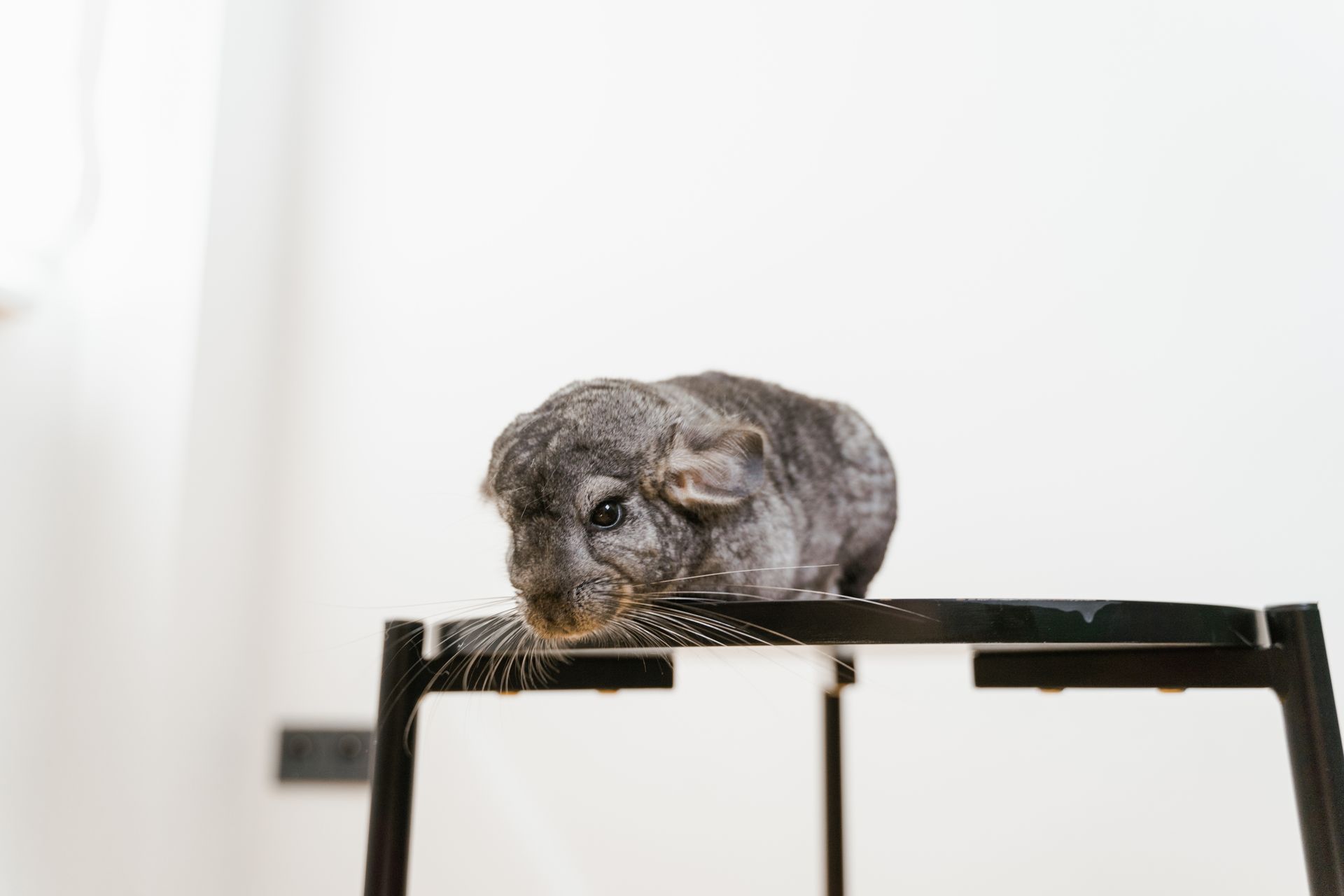
Handling a chinchilla requires patience and a gentle approach. It's essential to build trust with your pet slowly, as they can take a while to get used to new things.
To start handling your chinchilla, begin by placing your hand in their enclosure and letting them become comfortable with it. When they seem relaxed, try scooping them up with the same hand, creating a cradle shape for them to sit in. Always place your other hand lightly on their back to prevent them from jumping away.
Getting your chinchilla used to handling is a process of patience and repetition. It's normal for them to wriggle and try to escape, so it's crucial to avoid grabbing or trying to catch them. Let them move away on their own, and give them a decent break before trying again.
Chinchillas are prey animals and can become worried in noisy environments, making them more defensive and less amenable to handling. To keep their stress levels to a minimum, set up their enclosure in a calm and quiet area of the house.
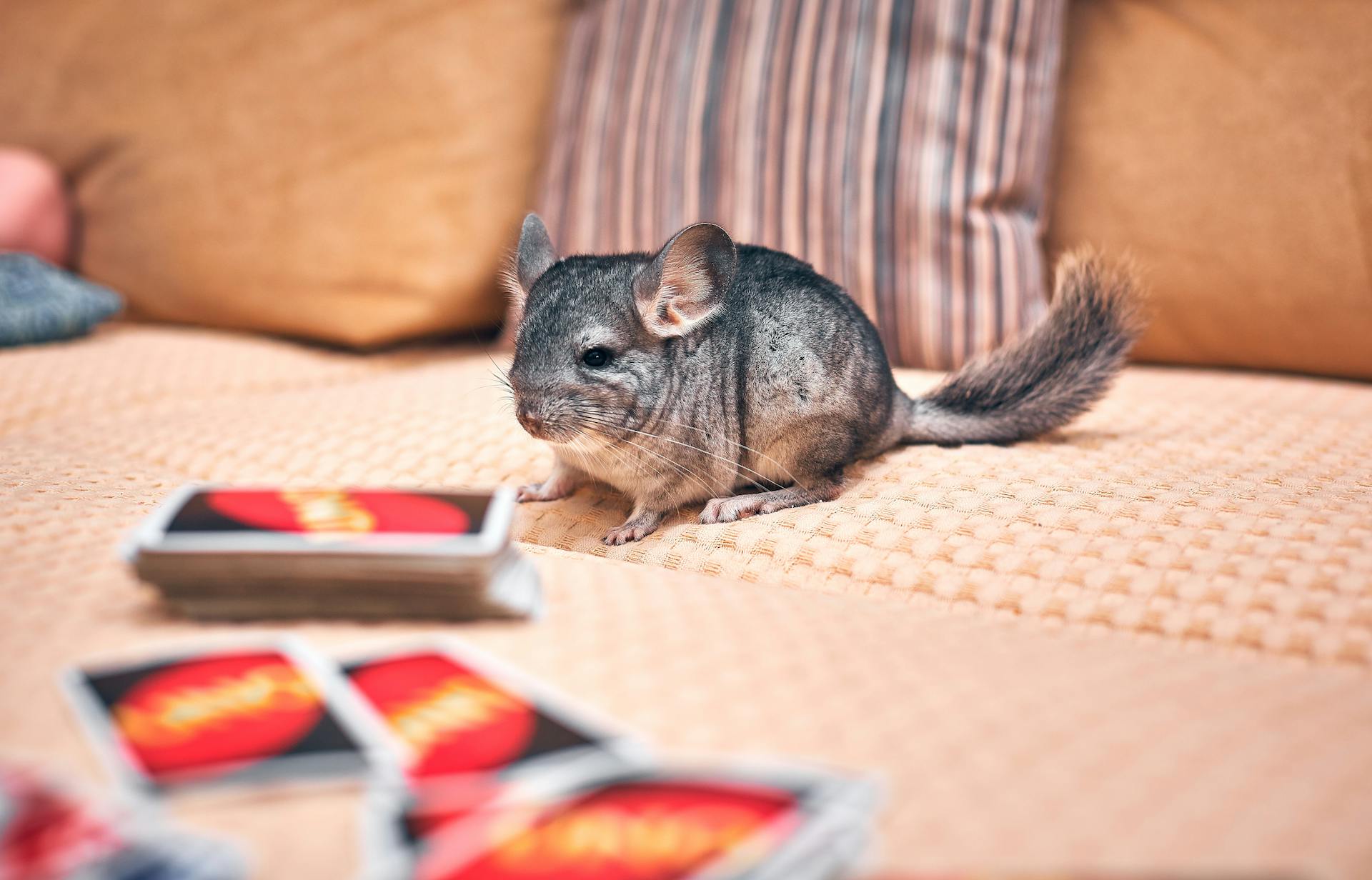
Here are some tips to help your chinchilla feel comfortable with handling:
- Start by sitting directly outside their enclosure and speaking softly for a few minutes each day for a week or so before attempting to handle them.
- Gradually introduce handling when they're still young, as it will be easier for them to get used to being touched and held.
- Handle your chinchilla at times when they're already awake, as they don't like being woken up.
By following these tips, you can help your chinchilla feel more comfortable with handling and make the process easier for both of you.
Choose a Behavior
Choosing a behavior to train is the first step in teaching your chinchilla to be handled. It's essential to start small and pick something that your chinchilla will eventually want to do anyway.
Cutting out frustration and saving time is a big advantage of choosing a single behavior to focus on. You can't teach your chinchilla to do cartwheels, so be realistic and pick just one thing to begin with.
Some examples of behaviors to start with include telling your chinchilla to go to certain places, begging for treats, and learning to sit with you rather than running at 100mph. These are all great options because they're things your chinchilla will naturally want to do.
Here are some common behaviors people train their chinchillas to do:
By starting with a single behavior, you'll be able to focus on building a strong bond with your chinchilla and teaching it to trust you. This will make the training process much easier and more enjoyable for both of you.
Tips and Precautions
Chinchillas can be trained to be handled, but it's essential to do so carefully and with patience. Start by letting them get used to your presence and voice.
Begin with short sessions, ideally 5-10 minutes, to avoid overwhelming them. This will help them become comfortable with your touch and presence.
Chinchillas are naturally skittish, so it's crucial to move slowly and calmly around them. Sudden movements can cause them to freeze or even nip.
Handle them gently and support their body, making sure not to pick them up by their tail, as this can cause injury.
Final Considerations
Chinchillas are naturally skittish animals, so it's essential to start with short, gentle interactions from an early age.
Handling chinchillas regularly can help them become more confident and accepting of human touch.
However, it's crucial to respect their boundaries and not force them to interact if they're not in the mood.
You've learned that chinchillas can be trained to be handled through positive reinforcement techniques, such as offering treats and rewards.
To maintain a strong bond with your chinchilla, make sure to spend quality time with them daily, even if it's just a few minutes.
Be aware that chinchillas have sensitive skin and may not enjoy being handled for extended periods, so keep sessions brief.
Featured Images: pexels.com