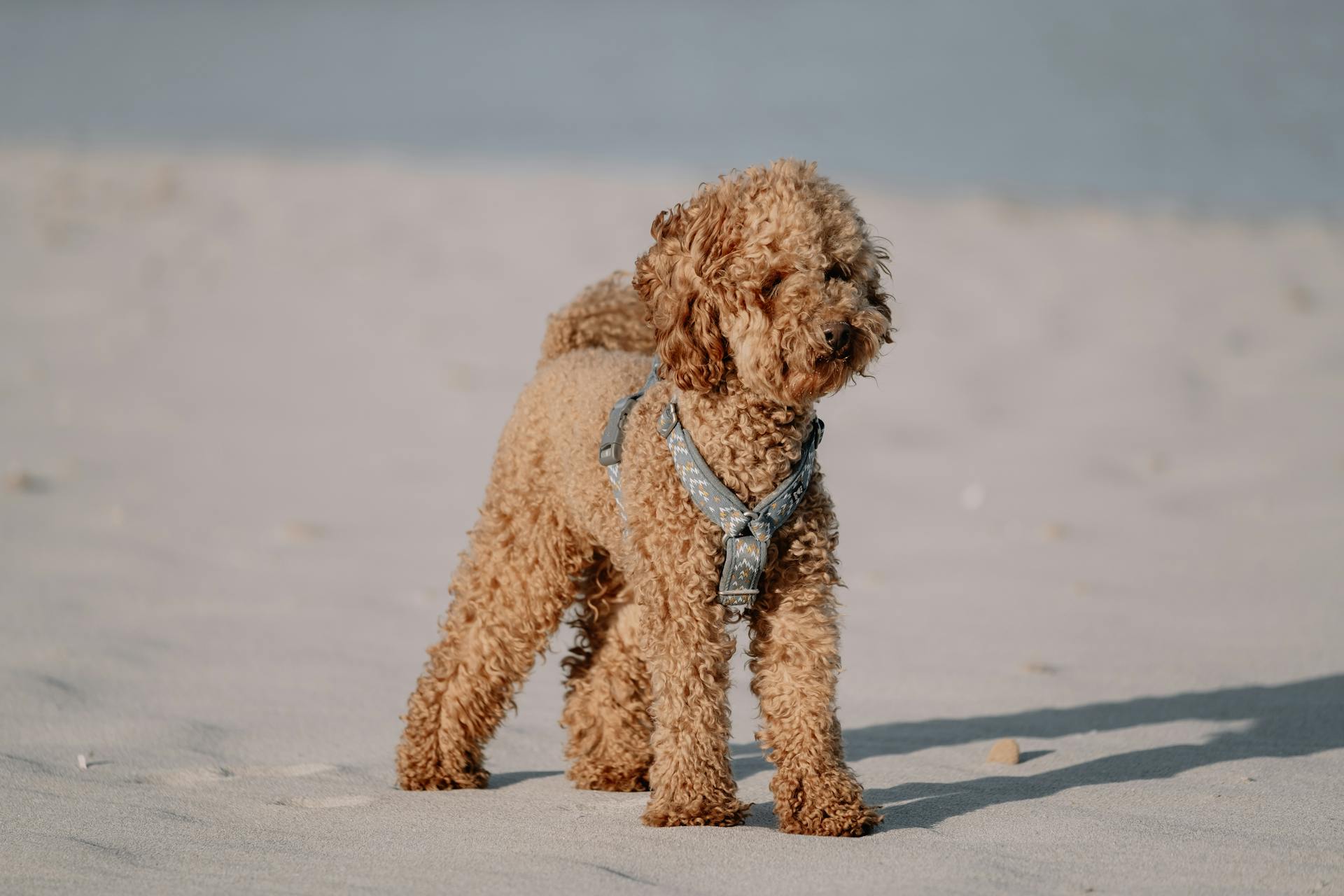
Dogs can be tempted to drink from rivers, but it's essential to consider the risks. River water can contain bacteria like E. coli and Giardia, which can cause serious health issues in dogs.
Some rivers may have higher levels of bacteria due to nearby agricultural runoff or sewage. This can lead to gastrointestinal problems in dogs.
If your dog does drink river water, monitor them closely for signs of illness, such as vomiting or diarrhea.
Some Risks
Dogs can get sick from drinking river water due to bacteria like salmonella, Campylobacter, and Escherichia coli, which can cause diarrhea and other symptoms.
Some bacteria, such as Leptospira, can be especially concerning as they can cause liver and kidney damage in dogs if not treated early.
Outdoor water sources can also contain parasites like Giardia and cryptosporidium, which can cause diarrhea in dogs.
These parasites can be a problem for dogs that swim in or drink from contaminated water.
You might enjoy: Can Too Much Water Cause Diarrhea in Dogs
If your dog gets diarrhea after being in river water, it's possible that one of these parasites is the culprit.
Dogs can also ingest blue-green algae while swimming or grooming their coats, which can produce toxins that can lead to liver failure and other symptoms.
In fact, if you suspect your dog has swallowed blue-green algae, you should get them to the vet immediately.
Drinking ocean water can also be a problem for dogs, as large amounts can lead to dehydration and electrolyte imbalances.
Dogs that drink ocean water may also experience diarrhea, so it's best to keep them away from the ocean if possible.
Here's an interesting read: Dog with Lead
Leptospira and Giardia
If you're planning a hike or a walk with your dog, it's essential to consider the water sources you'll encounter. Dogs can become infected with Leptospira by drinking water from contaminated sources like lakes, rivers, and streams.
The Leptospira bacteria can be found in both soil and water, but infections are more common when dogs drink from contaminated water sources.
Leptospira infections can lead to severe symptoms like kidney failure and liver failure, so it's crucial to keep your dog safe. If you notice any of the following symptoms, such as fever, muscle tenderness, vomiting, diarrhea, and lethargy, consult your vet immediately.
Giardia is another protozoan that can infect your dog through contaminated water. It's often found in puddles where other animals are present, like dog parks and busy hiking trails.
The most common symptom of giardiasis is diarrhea, but dogs may also vomit and refuse to eat. If you suspect your dog has giardiasis, your vet can provide medicine to help your dog get rid of the infection.
Here are some water sources to avoid when walking your dog:
- Lakes
- Rivers
- Streams
- Puddles in dog parks and busy hiking trails
Remember, it's always better to err on the side of caution and provide your dog with clean, safe water.
Safety Tips
If you're planning to hike or spend time outdoors with your dog, it's essential to consider the safety of the water sources. Always carry fresh water for your dog, and consider investing in a water filtration device to filter questionable water on the go.
If your dog likes to swim, take them to clean bodies of water that are known to be safe for swimming. It's also crucial to take your dog to the vet annually for an exam and fecal test to check for parasites, and ask your vet if they recommend the leptosporosis vaccine for your dog.
Here are some warning signs to watch out for when it comes to water quality:
- Blue-green algae blooms, which can look like shimmery paint or slime sitting on the water's surface
- Stagnant water
- Water with obvious signs of contamination
If you're unsure about the safety of the water, it's better to err on the side of caution and provide your dog with a safe alternative. Remember, it's always better to be safe than sorry when it comes to your furry friend's health.
See what others are reading: Dog Safe Rat Poison
Untreated Water and Safety
Untreated water can pose serious health risks to your furry friend. Consuming a little bit of ocean salt water probably won't hurt your dog, but large amounts can lead to dehydration and electrolyte imbalances. Dogs drinking ocean water may also experience diarrhea.
Streams can contain microorganisms that can make your pup sick, causing symptoms like severe diarrhea, vomiting, and other issues that can keep your dog ill for days. Older dogs can develop complications from these bugs.
Some common illnesses caused by drinking stagnant or untreated water include Giardia and cryptosporidium, which can mess with your dog's gastrointestinal system. These bugs can cause "beaver fever", a condition that can put your dog down for days, with symptoms like severe diarrhea, vomiting, and additional issues.
If you're planning to hike with your dog, it's a good idea to carry a water filtration device to filter water along the way, especially if you know there will be reliable sources. This can turn questionable water into safe drinking water for your dog.
Some dog owners mindlessly fill their dog's water bowl from the sink or hose, but it's essential to analyze your tap water first. The Environmental Protection Agency (EPA) regulates drinking water sources, sets acceptable standards, and is responsible for the oversight of drinking water—and annual reports on safety are required for public water sources.
To keep your dog safe, provide safer alternatives to untreated water sources. You can carry fresh water for both yourself and your pet during outdoor activities, or consider easy ways to filter water on the go.
Intriguing read: What Food Gives Dogs Diarrhea
General Information
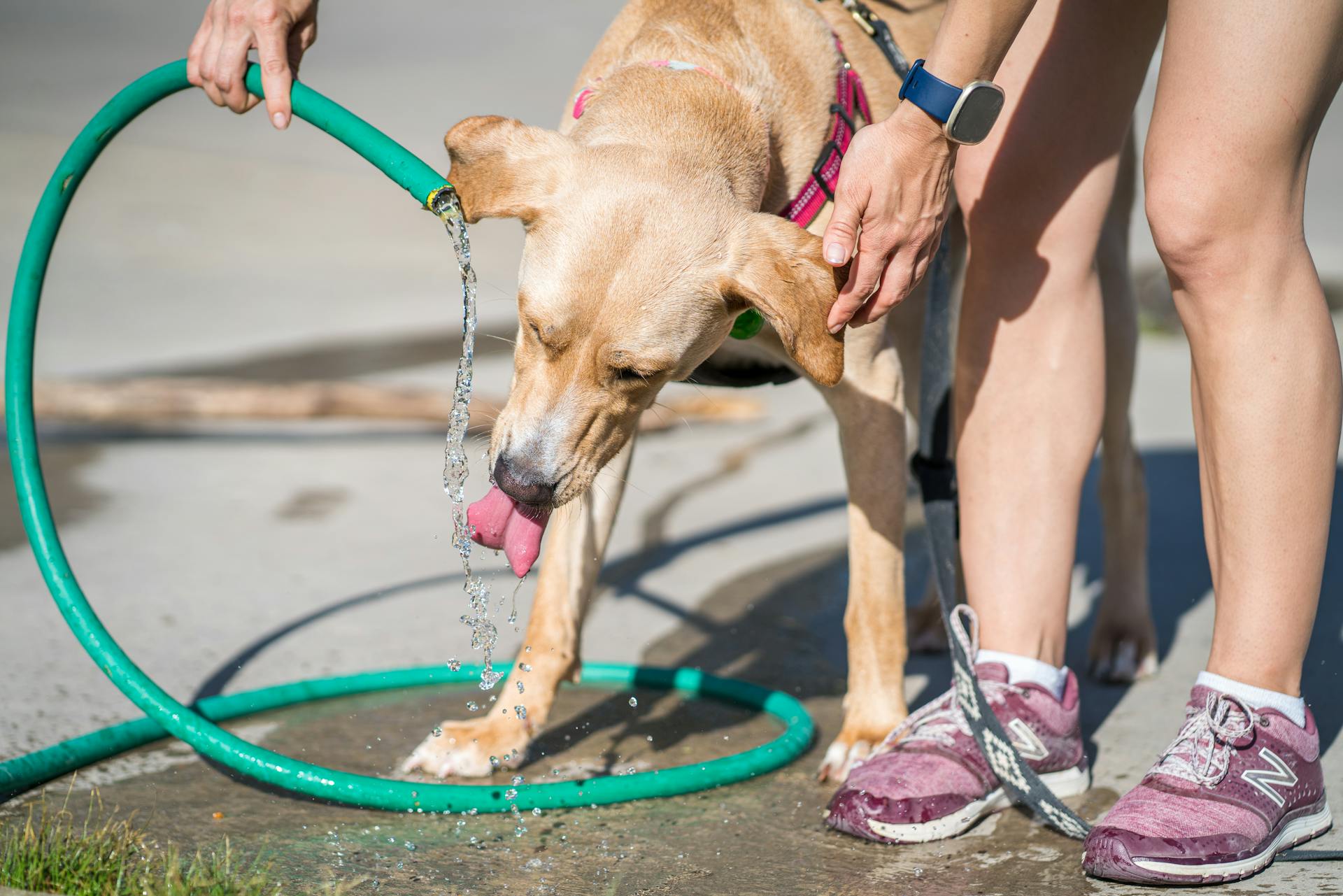
Dogs can be prone to waterborne illnesses if they drink river water.
River water can contain a variety of bacteria, viruses, and parasites that can make dogs sick.
The risk of waterborne illness is higher if the river water is contaminated with feces from other animals.
Dogs may also ingest contaminants while swimming or playing in the water.
It's generally recommended to not let dogs drink river water, especially if it's murky or has a strong odor.
Dogs can be sensitive to changes in their environment, and drinking river water can cause stomach upset or diarrhea.
Some common signs of waterborne illness in dogs include vomiting, diarrhea, and lethargy.
If you suspect your dog has ingested contaminated river water, it's essential to seek veterinary attention right away.
Dangers of Stream Water
Streams can be a tempting source of water for dogs, but it's essential to consider the potential dangers. Consuming untreated water from streams can expose your pup to microorganisms that can cause severe diarrhea, vomiting, and other symptoms.

Some streams may contain bugs that can make your dog ill for days. Older dogs may develop complications from these bugs that can be too rough on their bodies.
If you live near a stream, it's crucial to keep a close eye on your dog's behavior around water. Even if your dog is healthy, streams can pose a risk to their health.
If you're planning to hike with your dog and want to prevent them from drinking non-potable stream water, consider carrying a water filtration device to filter water along the way. This can turn questionable water into safe drinking water, but it may reduce the distance you can cover.
Some locales have streams with clean water, but others may be contaminated with chemicals, bacteria, viruses, metals, and volatile organic compounds. Be sure to check the results of your public water supply or test your private well annually to ensure the quality of the water your dog is drinking.
Here are some common illnesses caused by drinking untreated stream water:
- Giardia
- Cryptosporidium
- Leptospirosis
- Salmonella
- Campylobacter
- Escherichia coli
- Leptospira
Unsafe Drinking Water
Dogs can get sick from drinking untreated water from streams, lakes, and puddles. Consuming even a small amount of ocean salt water can lead to dehydration and electrolyte imbalances in dogs.
Stagnant water can contain microorganisms that cause severe diarrhea, vomiting, and other symptoms in dogs. These bugs can be especially problematic for older dogs, who may develop complications from them.
Some common illnesses caused by drinking untreated water include Giardia and cryptosporidium, which can cause "beaver fever" and lead to severe diarrhea, vomiting, and additional symptoms. This can put your dog down for days, and older or sickly dogs may suffer complications beyond what their body can handle.
If you're hiking with your dog and want to prevent them from drinking non-potable lake or stream water, consider carrying a water filtration device to filter water along the way. This can turn questionable water into safe drinking water.
Some tap water may also be contaminated with chemicals, bacteria, viruses, metals, and volatile organic compounds, making it unsuitable for your dog to drink. It's essential to check the quality of your public water supply or test your private well annually to ensure the water is safe for your dog.
Curious to learn more? Check out: Is Water Buffalo Horns Safe for Dogs
Here's a list of potential hazards to be aware of when considering letting your dog drink from a stream:
- Microorganisms that cause diarrhea, vomiting, and other symptoms
- Giardia and cryptosporidium, which can cause "beaver fever"
- Chemicals, bacteria, viruses, metals, and volatile organic compounds in tap water
- Stagnant water that can contain toxic substances and germs
It's always better to err on the side of caution and provide your dog with fresh, clean water from a trusted source.
Broaden your view: Can Dogs Drink Non Potable Water
Frequently Asked Questions
Can dogs safely drink lake water?
No, dogs should not drink lake water due to the risk of giardia, parasites, and other contaminants. It's best to keep your dog hydrated with fresh, clean water instead
Can dogs drink flowing water?
Yes, dogs can drink flowing water, which tends to have fewer toxins and a lower bacteria and parasite count compared to stagnant water.
Featured Images: pexels.com