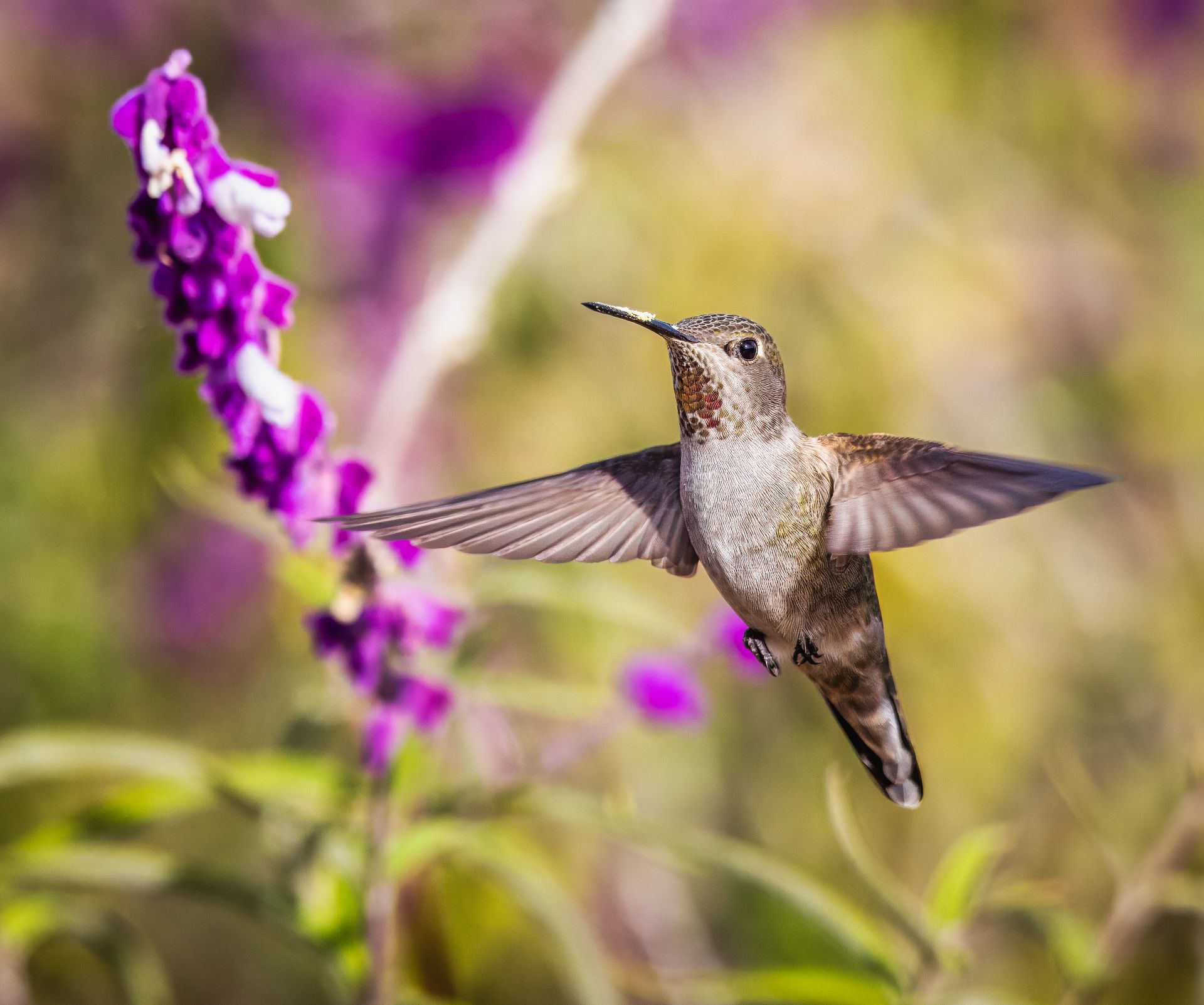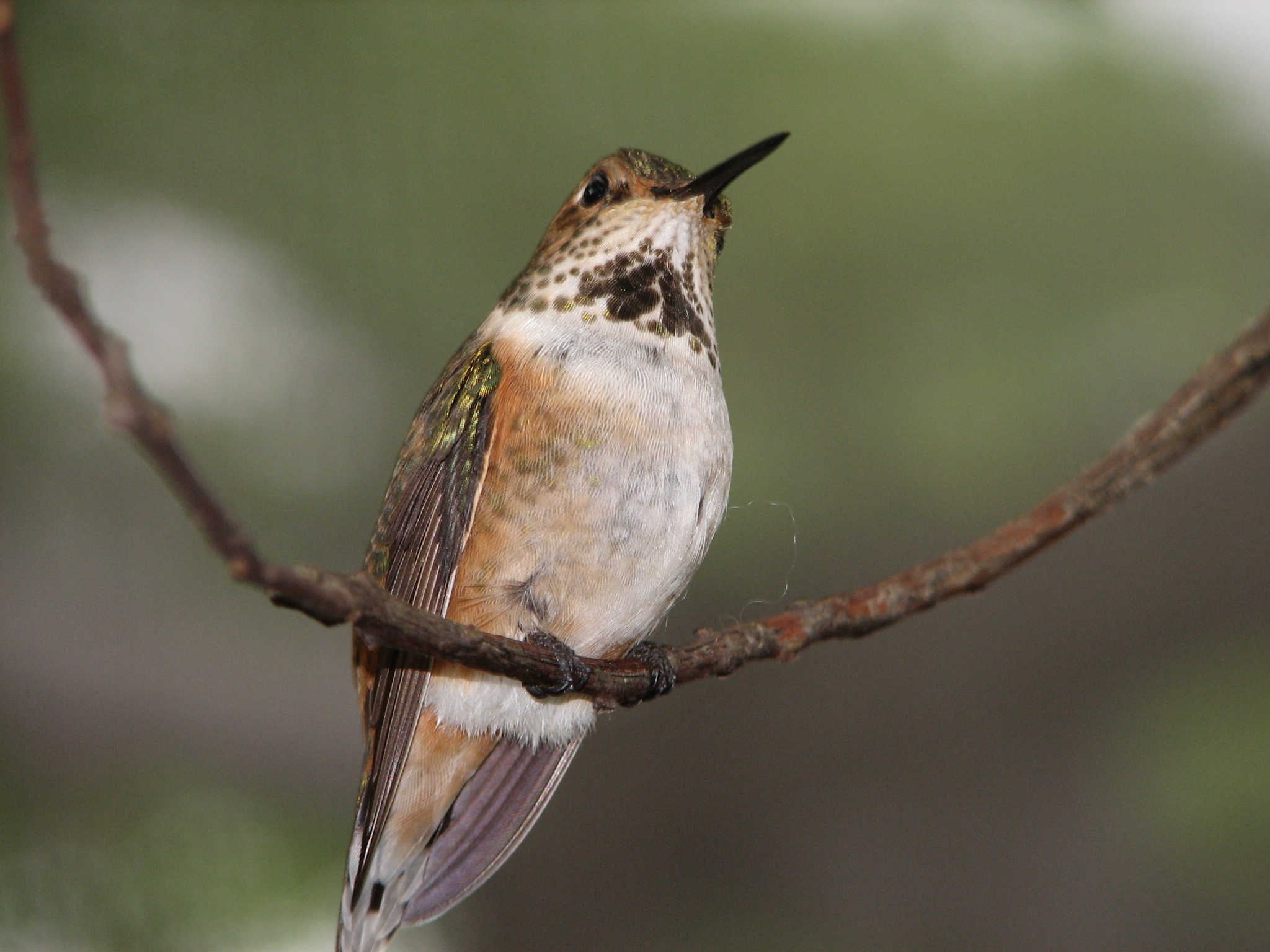
The Calliope Hummingbird is the smallest bird in North America, weighing in at a mere 0.1 ounces.
In the wild, Calliope Hummingbirds can be found in the mountainous regions of the western United States and Canada, typically between 5,000 to 10,000 feet above sea level.
Anna's Hummingbirds, on the other hand, are found in the western United States and Mexico, typically in urban areas with dense vegetation.
Anna's Hummingbirds are known for their iridescent feathers, which reflect light and give them a sparkling appearance.
Calliope Hummingbirds, by contrast, have a more subdued coloration, with a green back and a reddish throat patch.
Both species are primarily insectivores, feeding on nectar, spiders, and small insects.
Expand your knowledge: Where Do Ruby Throated Hummingbirds Winter
Behavioral Differences
Anna's and Calliope hummingbirds have distinct behavioral differences that set them apart.
Anna's hummingbirds are highly aggressive and territorial, especially the males, who will vigorously defend feeding sites and nest sites against intruders. This territorial nature allows them to thrive in urban and suburban settings.
Calliope hummingbirds, on the other hand, are more timid and less apt to fight, often avoiding confrontations over food and territory when possible.
Male Anna's engage in elaborate courtship displays, flying in U-shaped or J-shaped dives to impress females. This is a far cry from the more subdued courtship displays of Calliope hummingbirds, which involve males flying in wide circles above females while singing a high-pitched song.
Both species are also known to consume small insects for protein, but this makes up a larger portion of the diet for Calliope hummingbirds compared to Anna's.
Here's a quick comparison of the two species' feeding habits:
- Anna's hummingbirds are trapliners, establishing feeding circuits of favorite nectar sources.
- Calliope hummingbirds move more randomly between food plants.
Conservation Status
Anna's hummingbirds are thriving in many areas, thanks to their adaptability to urban environments. They're even expanding their range northward into Oregon and Canada.
One reason for their success is the abundance of exotic flowering plants in urban and suburban gardens, which provide them with a reliable food source. This has led to growing populations and a more stable presence in these areas.
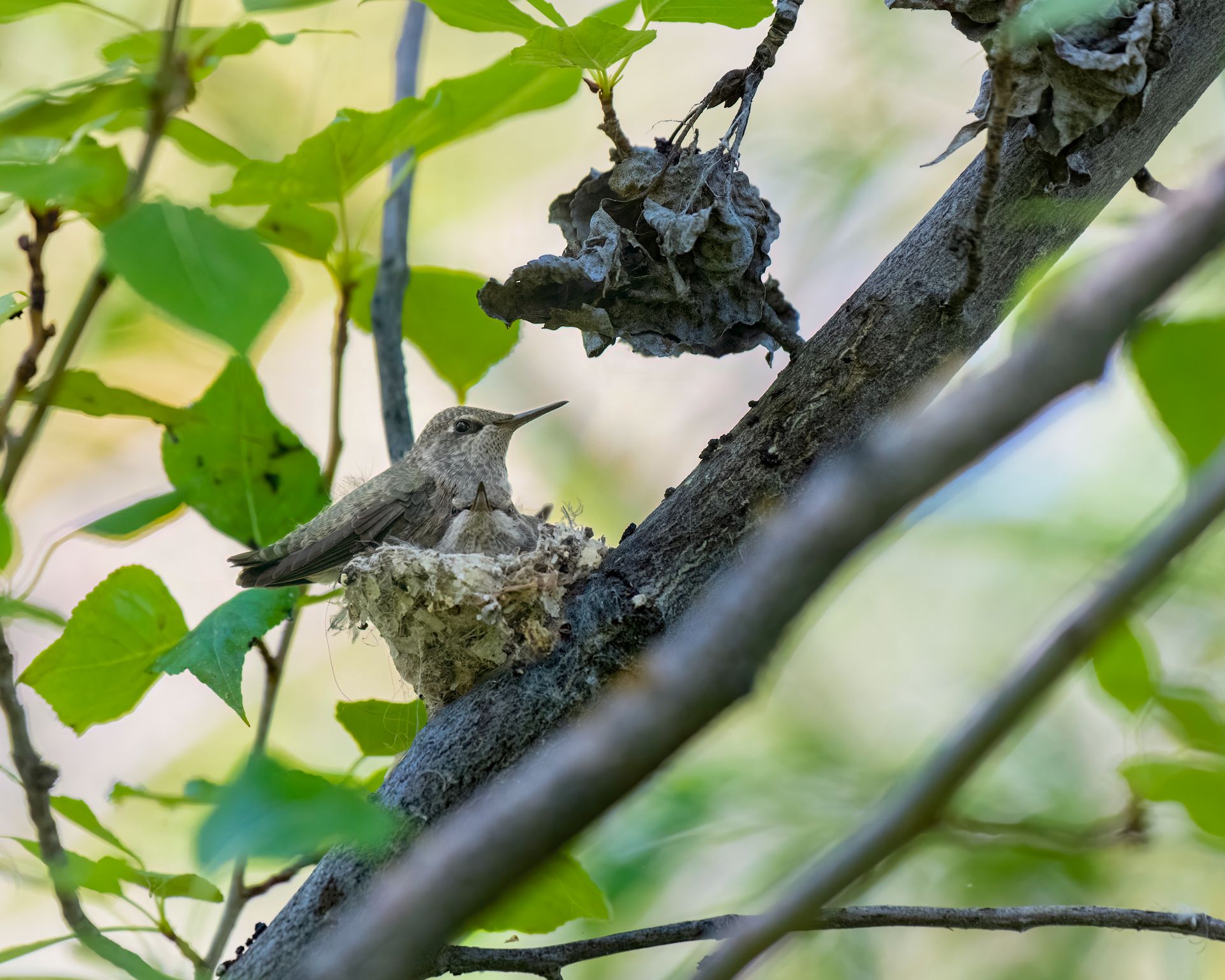
Calliope hummingbirds, on the other hand, face more challenges due to their specialized habitat needs. They're limited to high-elevation areas and their populations are generally smaller overall.
Here's a comparison of the two species:
- Anna's hummingbirds: Growing populations, expanding range northward, and a stable presence in urban areas.
- Calliope hummingbirds: Smaller overall population, limited to high-elevation areas, and potentially vulnerable to climate shifts and resource limitations.
Climate change could have both positive and negative effects on these birds. Anna's hummingbirds might benefit from increased suitable habitat, while Calliope's alpine meadows could be negatively impacted.
Take a look at this: Breeds of Dogs That Start with S
Habitat and Feeding
Calliope Hummingbirds prefer densely vegetated mountainous areas as their habitat. These habitats can be generally divided into areas of coniferous forests, mixed forests where coniferous forests are interspersed with deciduous trees such as poplar or alder, and alpine meadows.
To find nectar, Calliope Hummingbirds visit hundreds of flowers each day, remembering which flowers they have visited and which still have nectar.
Their diet consists of nectar, a sweet liquid in flowers, which they use a long beak to dig deep into and sip.
Take a look at this: Calliope Hummingbird
Habitat
Calliope Hummingbirds thrive in densely vegetated mountainous areas, where they can find plenty of food and shelter. These habitats are typically divided into three main types: coniferous forests, mixed forests, and alpine meadows.
Coniferous forests are a favorite among Calliope Hummingbirds, providing them with a constant source of food and protection. They're also a great place to spot these birds, as they flit from tree to tree in search of nectar and insects.
Mixed forests are another common habitat for Calliope Hummingbirds, where coniferous forests are interspersed with deciduous trees like poplar or alder. This mix of trees offers a diverse array of food sources and shelter options for these birds.
Alpine meadows are a crucial habitat for Calliope Hummingbirds, providing them with a unique combination of flowers, insects, and open space to fly and forage.
Expand your knowledge: American Tree Sparrow
Rufous and Hummingbirds of the West
The Rufous Hummingbird is a common sight in my yard, and I'm always excited to see it flit around the feeder. It's one of the hummingbirds that visits my yard in Northern California.
The Rufous Hummingbird is a bit tricky to distinguish from the female Calliope Hummingbird, but it has more rufous in its flanks. The female Rufous Hummingbird often has a few patchy orange-red feathers on her throat.
See what others are reading: Northern Mockingbird Male vs Female
In fact, the male Rufous Hummingbird is the only hummingbird in North America with a rufous back. He also sports a brilliant orange-red gorget.
The Rufous Hummingbird is a bit larger than the Calliope Hummingbird, but it's still a small bird at just a few inches long. Its wings extend beyond its short tail, and it has a distinctive sound that's more like a bumble bee than a hummingbird.
Fun Facts and Comparison
The Calliope Hummingbird is an incredible bird, and when you compare it to the Anna's Hummingbird, you'll see just how remarkable it is.
The Calliope Hummingbird's wings beat at an astonishing 80 times per second, making it one of the fastest birds in the sky. Its heart beats at an even more incredible 1,260 beats per minute while flying.
In contrast, the Calliope Hummingbird's lifespan is around 5-6 years, sometimes longer, which is impressive for such a small bird. Its tiny nest is about the size of a golf ball.
Discover more: Black Capped Chickadee Photos
The Calliope Hummingbird visits over 1,000 flowers a day, eating every 15 minutes to fuel its high metabolism. Its wings also buzz when flying, creating a unique sound.
Here's a comparison of some of the Calliope Hummingbird's impressive stats:
Rufous and Hummingbirds
The Rufous Hummingbird is a common sight in Northern California, with its distinctive rufous back and brilliant orange-red gorget. It's a bit larger than the Calliope Hummingbird.
The female Rufous Hummingbird has more rufous in her flanks and often has a few patchy orange-red feathers on her throat. She will begin breeding in April.
The male Rufous Hummingbird is unique in North America, with a rufous back, and is a sight to behold when preening.
Frequently Asked Questions
How do you identify a Calliope Hummingbird?
To identify a Calliope Hummingbird, look for the distinctive magenta throat patch on males and a greenish upper body with a greenish vest or peachy underparts on females and juveniles. This unique coloration makes the Calliope Hummingbird a standout among other hummingbird species.
Featured Images: pexels.com